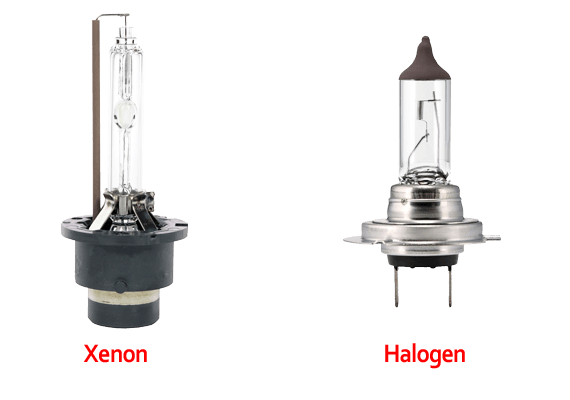
Picture this: a well-lit room where the ambiance seems to transform dramatically just by switching a different kind of bulb. Xenon lamps, known for their brilliant white light, significantly outshine halogen lamps in terms of luminosity. Yet, despite the intense brightness, xenon lamps are surprisingly energy-efficient, an attribute many do not immediately associate with their striking radiance.
Historically, halogen lamps have been the workhorse of both residential and automotive lighting, praised for their affordability and solid performance. However, xenon lamps have become increasingly popular, especially in high-end applications, thanks to their longevity and brilliance. With a lifespan almost five times greater than halogen lamps, xenon bulbs offer a compelling return on investment despite their higher initial cost.
| Feature | Xenon Lamp | Halogen Lamp |
|---|---|---|
| Brightness | Very bright, white light | Softer, yellowish light |
| Energy Efficiency | Highly energy-efficient | Less energy-efficient |
| Lifespan | Up to 5 times longer | Shorter lifespan |
| Cost | Higher initial cost | Lower initial cost |
| Heat Production | Produces less heat | Produces more heat |
Overview of Xenon and Halogen Lamps
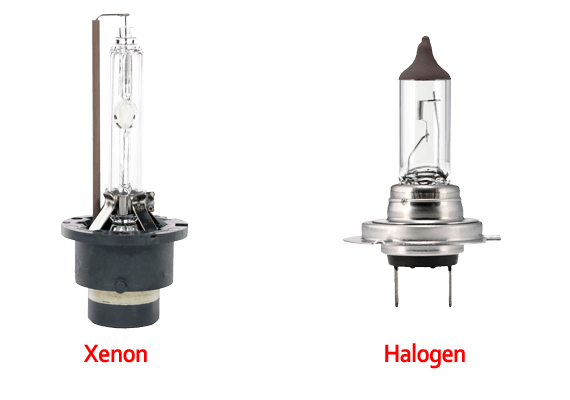
Xenon and halogen lamps are popular choices for lighting solutions. They are used in homes, cars, and even theaters. Let’s dive into what makes each unique and how they compare.
Overview of Xenon Lamps
Xenon lamps are known for their bright, white light. They mimic natural daylight closely, making them great for areas where clear visibility is essential. These lamps are often used in car headlights and high-end projectors.
One of the best things about xenon lamps is their lifespan. They can last up to five times longer than regular halogen bulbs. This means less frequent replacements, which can save you money over time.
Xenon lamps are also energy efficient. They produce more light using less power, which makes them a greener choice for the environment. This efficiency is particularly valued in settings where lighting is used for long hours.
However, xenon lamps tend to cost more upfront. Their initial price can be quite high compared to halogen lamps. But many users find this cost worth it due to the long-term benefits they offer.
Despite their cost, xenon lamps are becoming more popular. Their bright light, energy efficiency, and long lifespan make them a strong contender in modern lighting solutions.
Overview of Halogen Lamps
Halogen lamps have been a staple in lighting for many years. They are well-known for their warm, yellowish light. This type of lighting creates a cozy and inviting atmosphere, which is perfect for homes and offices.
One major advantage of halogen lamps is their low cost. They are cheaper than xenon lamps, both in terms of initial purchase and maintenance. This makes them an economical choice for many users.
Halogen lamps are also easy to find and replace. They use a simple design that has been around for decades. This convenience is a big plus for people who need quick and easy lighting solutions.
However, halogen lamps are not as energy-efficient as xenon lamps. They use more electricity and produce more heat. This can lead to higher energy bills and make them less suitable for spaces that require long hours of lighting.
Despite their drawbacks, halogen lamps remain popular. Their low cost, ease of use, and inviting light make them a go-to option for many lighting needs.
Key Features Compared
Xenon and halogen lamps have some important features that set them apart. These features affect their performance, cost, and usage. Let’s compare some of the key aspects.
Brightness
Xenon lamps are famous for their incredible brightness. They produce a white light that is much closer to natural sunlight. This feature makes them ideal for places where clear visibility is crucial, like in car headlights.
Halogen lamps, on the other hand, produce a softer, yellowish light. While they are not as bright as xenon lamps, they create a warm and inviting atmosphere. This type of light is often preferred in homes and offices for a cozy feel.
One of the reasons xenon lamps can achieve such brightness is the gas inside them. When electricity passes through, it lights up strongly, giving a very clear and bright light. In comparison, halogen lamps use a filament that glows when heated, producing light at a lower intensity.
According to this expert opinion, the difference in brightness levels between xenon and halogen lamps is significant. This can impact where each type of lamp is best used.
Energy Efficiency
Xenon lamps are more energy-efficient than halogen lamps. They use less electricity to produce a brighter light, which makes them better for the environment.
Halogen lamps consume more energy to produce a similar amount of light. This can lead to higher electricity bills and makes them less ideal for long-term use in places needing continuous lighting.
Efficiency can play a big role in choosing the right lamp for a particular use. Over time, the savings from using an energy-efficient xenon lamp can add up, even though the initial cost may be higher.
Many people are now considering energy efficiency as a top priority due to environmental concerns. This makes xenon lamps a more attractive choice for those looking to reduce their carbon footprint.
Lifespan
The lifespan of a lamp is an important factor to consider. Xenon lamps generally last longer than halogen lamps, sometimes up to five times longer. This means fewer replacements and less hassle.
Halogen lamps, although cheaper initially, tend to burn out faster. This requires more frequent replacements, adding to the overall cost. For many users, this can be a significant downside.
Durability is one of the main reasons people opt for xenon lamps despite their higher initial price. Knowing a lamp will last longer can be a great benefit in applications where replacing bulbs often is not practical.
In environments requiring high reliability, such as street lighting or theater projectors, the long lifespan of xenon lamps stands out as a crucial advantage.
Cost
When it comes to cost, halogen lamps are typically less expensive upfront. They are a budget-friendly option for those who need a quick and cheap solution.
Xenon lamps, however, have a higher initial cost. This can make them seem less attractive at first glance. But considering their energy efficiency and longer lifespan, they can end up being more cost-effective in the long run.
Cost often influences the decision on which type of lamp to buy. For short-term use or less critical applications, halogen lamps might be perfectly suitable. But for long-term savings, xenon lamps are usually the better option.
In critical environments where downtime due to lamp failure is not acceptable, the higher initial cost of xenon lamps is often justified by their superior performance and durability.
Heat Production
Heat production is another factor to consider when choosing between xenon and halogen lamps. Xenon lamps produce less heat, making them safer to use in enclosed spaces.
Halogen lamps generate more heat, which can sometimes be a problem. They can make a room warmer and may even pose a fire risk if not used correctly.
Lower heat production in xenon lamps also means they can be used in tighter spaces without the risk of overheating. This makes them suitable for a wider range of applications.
In environments where temperature control is crucial, the lower heat output of xenon lamps gives them an edge over halogen lamps.
Xenon vs Halogen: Feature Comparison
When choosing between xenon and halogen lamps, it’s important to compare their features directly. Below is a table that highlights the key differences between these two types of lamps.
| Feature | Xenon Lamp | Halogen Lamp |
|---|---|---|
| Brightness | Very bright, white light | Softer, yellowish light |
| Energy Efficiency | Highly energy-efficient | Less energy-efficient |
| Lifespan | Up to 5 times longer than halogen | Shorter lifespan |
| Cost | Higher initial cost | Lower initial cost |
| Heat Production | Produces less heat | Produces more heat |
| Color Temperature | 5000K to 6500K | 2700K to 3000K |
| Warm-Up Time | Quick | Instant |
| Environmental Impact | More eco-friendly | Less eco-friendly |
| Installation Ease | More complex | Easier to install |
| Usage Areas | Automotive, projectors | Homes, offices |
The Good and The Bad
Both xenon and halogen lamps have their advantages and disadvantages. Understanding these can help you make a better choice. Here is a table summarizing the pros and cons.
| Pros | Cons |
|---|---|
| Very bright light (Xenon) | Higher cost (Xenon) |
| Energy-efficient (Xenon) | Produces more heat (Halogen) |
| Long lifespan (Xenon) | Less energy-efficient (Halogen) |
| Low initial cost (Halogen) | Shorter lifespan (Halogen) |
| Creates cozy atmosphere (Halogen) | Not as bright (Halogen) |
Price Comparison
The price difference between xenon and halogen lamps is significant. While xenon lamps are more expensive upfront, they offer long-term savings. Here is a table to compare their costs.
| Xenon Lamp | Halogen Lamp |
|---|---|
| Higher initial cost | Lower initial cost |
| Lower energy bills over time | Higher energy bills over time |
| Longer lifespan, fewer replacements | Shorter lifespan, more replacements |
| Cost-effective in the long run | More costly in the long run |
| Better for high-use areas | Suitable for low-use areas |
Which Is Better?
When deciding between xenon and halogen lamps, it comes down to your specific needs and priorities. If you need bright, energy-efficient light for a long period, xenon lamps might be the better choice. They are especially useful in places like car headlights and projectors.
Halogen lamps, however, can be a great solution for those on a budget. They provide a warm, cozy light that many people prefer for home and office settings. Their lower initial cost and easy availability make them the go-to option for many users.
Energy efficiency is another significant factor. Xenon lamps consume less power and produce more light, making them more eco-friendly. On the other hand, halogen lamps use more energy and generate more heat, which might not be suitable for all environments.
Overall, both types of lamps have their pros and cons. Your choice should depend on what matters more to you, be it cost, brightness, or energy efficiency.
Reasons to choose Xenon Lamps:
- Longer lifespan, meaning fewer replacements
- Higher energy efficiency, leading to lower electricity bills
- Brighter light, close to natural daylight
Frequently Asked Questions
Xenon lamps and halogen lamps each come with their own sets of advantages and drawbacks. This FAQ aims to address some of the most common questions experts have about these two types of lighting solutions.
What makes xenon lamps more energy-efficient than halogen lamps?
Xenon lamps use gas discharge technology, which allows them to produce more light while consuming less electricity. This makes them much more energy-efficient compared to halogen lamps, which rely on heating a filament to produce light.
Halogen lamps, while simpler and cheaper, lose a lot of energy as heat. This inefficiency results in higher energy consumption, making xenon lamps a more eco-friendly option.
Are xenon lamps better for automotive headlights?
Yes, xenon lamps are often preferred for automotive headlights due to their superior brightness and ability to mimic natural daylight. This makes driving at night much safer, as it provides clearer visibility for drivers.
On the other hand, halogen headlights are more affordable and easier to replace. However, their light output is lower and may not offer the same level of visibility as xenon headlights.
Why do xenon lamps have a longer lifespan than halogen lamps?
Xenon lamps last longer because they do not rely on a filament that can burn out. Instead, they use an arc of electricity passing through xenon gas to generate light, which is a more durable method.
Halogen lamps, by contrast, use a tungsten filament that gets very hot and eventually burns out. This leads to a shorter lifespan compared to xenon lamps, which can last up to five times longer.
How does the color temperature differ between xenon and halogen lamps?
Xenon lamps generally have a color temperature ranging from 5000K to 6500K, producing a bright white light similar to daylight. This is ideal for environments requiring high visibility and color accuracy.
Halogen lamps have a lower color temperature, typically ranging from 2700K to 3000K, resulting in a warmer, yellowish light. This makes them suitable for creating a cozy and inviting atmosphere in homes and offices.
Are xenon lamps worth the higher initial cost?
While xenon lamps have a higher initial cost, they offer long-term savings through lower energy consumption and fewer replacements. This makes them cost-effective in the long run, especially in environments where they are used frequently.
Halogen lamps are cheaper upfront and provide a good solution for short-term or less critical applications. However, their higher energy usage and shorter lifespan can add up to greater total costs over time.
Bi-Halogen, Bi-LED, Bi-Xenon HOW THEY WORK | Headlight Revolution
Conclusion
Choosing between xenon and halogen lamps ultimately depends on your specific needs and priorities. Xenon lamps offer superior brightness, energy efficiency, and a longer lifespan, making them ideal for high-demand environments like automotive lighting and large projects. However, their higher initial cost can be a barrier for some.
Halogen lamps, on the other hand, provide a warm, cozy light at a lower upfront cost, making them suitable for home and office settings. While they are less energy-efficient and have a shorter lifespan, their simplicity and affordability make them a viable option for many. Both types of lamps have their unique advantages, and the decision should align with what matters most for your application.

I’m Emily Johnson, an affiliate marketer and blogger focused on lamps and lighting. I share honest reviews, simple buying guides, and practical tips. My goal is to help readers choose the right lamp for their space, style, and budget with confidence.