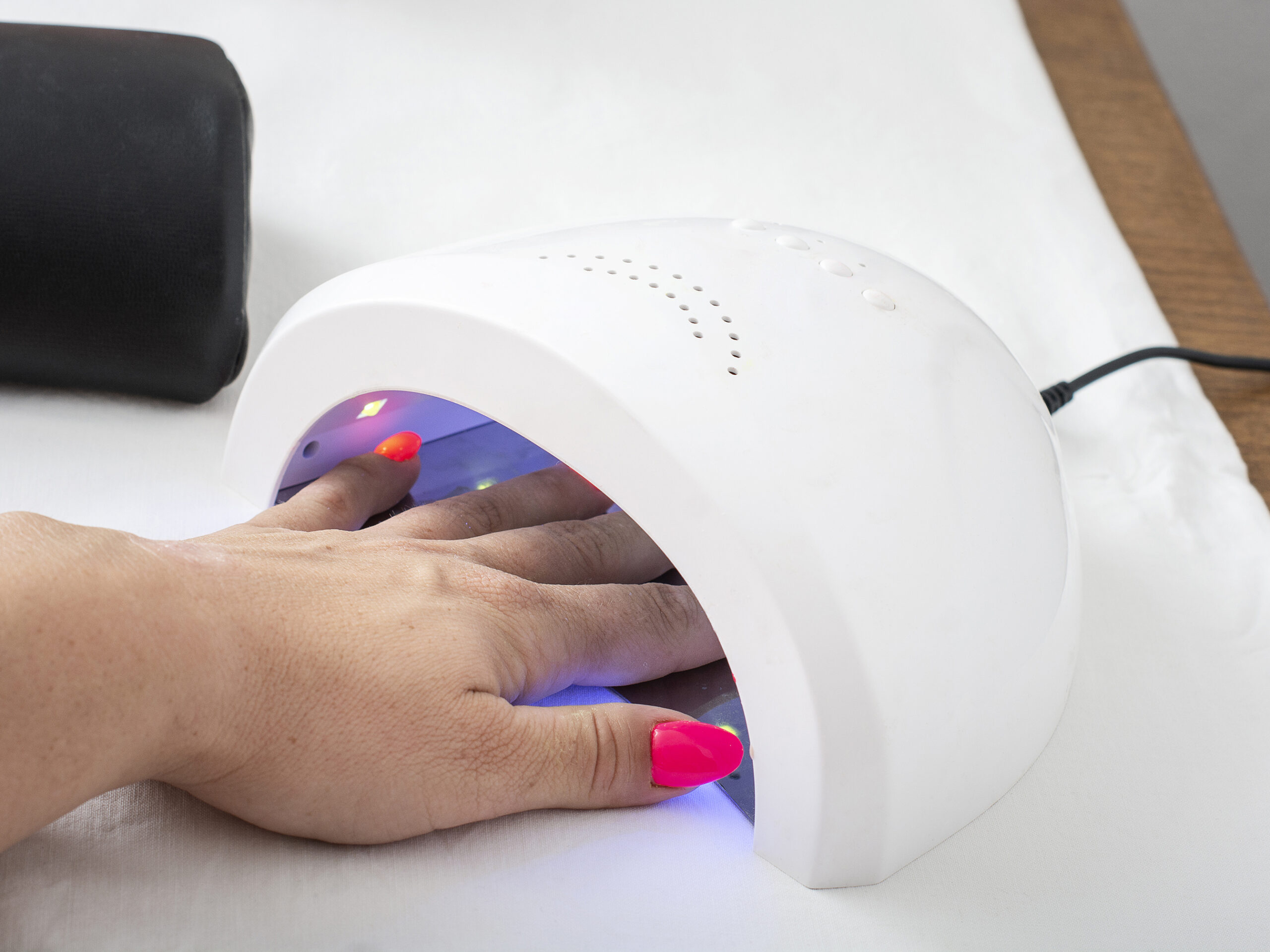
When we consider the modern beauty regimes, the significant rise in gel nail treatments often brings into question the safety of gel nail lamps. A substantial conversation revolves around the potential risks, particularly regarding UV exposure. Research revealed by dermatologists indicates that while the risk is minimal, there is still a concern for long-term repeated exposure.
The safety of gel nail lamps has evolved significantly since their inception. Early versions relied heavily on UV light, sparking concerns similar to those of tanning beds, but technological advancements have introduced LED options, which are considered safer. A study in the Archives of Dermatology suggests that occasional usage of these lamps does not significantly increase the risk of skin cancer, providing some reassurance to beauty enthusiasts and professionals alike.

Are Gel Nail Lamps Safe?
Concerns about the safety of gel nail lamps often arise from their use of UV light. This type of light is similar to what we encounter from the sun and tanning beds, which raises worries about skin damage and cancer. Research shows that the levels of UV exposure from these lamps are much lower than those from the sun. Still, frequent users might want to take precautions to minimize risks. Most experts advise using sunscreen on your hands before a session.
Over the years, gel nail lamp technology has significantly improved. Initially, these devices used UV bulbs, which were more powerful and potentially harmful. However, newer models use LED lights, which are less likely to damage the skin. LED lamps cure the gel polish faster and produce less heat, adding a layer of safety. According to the article, choosing LED lamps over UV can reduce concerns about skin health.
Using gel nail lamps safely involves a few simple steps. Firstly, always apply sunscreen to your hands before using the lamp. Secondly, limit the exposure time as much as possible. Manufacturers usually provide guidelines on safe usage duration. Lastly, consider wearing fingerless gloves to protect the skin while allowing the nails to cure properly.
Experts suggest regular checks of your gel nail lamp’s condition. Old or poorly maintained lamps may emit inconsistent light levels, leading to uneven curing or unnecessary UV exposure. For more tips on safe usage, here is the post. Following these steps, you can confidently enjoy beautiful, long-lasting gel nails without worrying too much about safety. Even occasional use involves minimal risks, ensuring both style and safety.
The Concerns Around UV Exposure
UV exposure from gel nail lamps is a significant concern for many users. The UV light used in these lamps can potentially damage the skin, similar to sun exposure. Prolonged and repeated use might increase the risk of premature aging and skin cancer. Even though the risk is considered low, it’s essential to understand these potential hazards. According to the article, careful usage can mitigate these risks effectively.
Many people worry because UV light is known to be harmful in large doses. Studies have shown that even short sessions under UV lamps can accumulate over time. Nail salons often use high-intensity lamps to speed up the drying process, adding to the concerns. It’s recommended to take necessary precautions, like wearing sunscreen on your hands. Manufacturers are also developing safer alternatives, like LED lamps.
LED lamps present a lower risk regarding UV exposure. These lamps use different technology that minimizes UV radiation. As highlighted in this expert opinion, LED lamps are a preferable choice over traditional UV lamps. They not only reduce the risk but also cure gel polish more effectively. This makes LED lamps a safer and more convenient option for regular users.
To ensure personal safety, always follow recommended guidelines when using gel nail lamps. Limiting exposure time and wearing protective gear can help considerably. Avoid using damaged or old lamps, as they may emit inconsistent UV levels. Regularly replace your lamp bulbs to ensure they function correctly. For additional tips, check this post for more details on the safety of LED nail lamps.
The Evolution and Safety of Gel Nail Lamps
Gel nail lamps have come a long way since they first appeared in salons. Early models used UV bulbs, which raised health concerns due to their strong radiation. As technology advanced, manufacturers introduced LED lamps to address these issues. LED lamps emit less UV light while curing gel polish faster. This shift made gel nail treatments more appealing to health-conscious consumers.
Alongside the improvement in lighting technology, safety practices have also evolved. Initially, there was minimal guidance on how to protect the skin while using UV lamps. Now, many users are aware of the importance of applying sunscreen to their hands before treatments. Salons also recommend using UV-protective gloves to further reduce exposure. These safety measures help in making gel nail applications safer.
Recent studies have bolstered the confidence in the safety of modern gel nail lamps. Research indicates that LED lamps are significantly safer than their UV counterparts. The minimal UV output from LED lamps poses a much lower risk of skin damage or cancer. The faster curing times also mean less overall exposure. This makes LED lamps a safer choice for both salon professionals and home users.
The evolution of gel nail lamps highlights the industry’s commitment to safety and innovation. While older UV lamps come with some risks, newer LED variants have addressed many of these concerns. People worried about UV exposure can opt for LED lamps without sacrificing the quality of their manicures. Always follow usage guidelines and protective measures to ensure a safe and pleasant experience.
How to Use Gel Nail Lamps Safely
Using gel nail lamps safely starts with proper preparation. Before you begin, make sure to apply sunscreen to your hands to protect your skin from UV exposure. This simple step can significantly reduce the risk of skin damage. If you prefer, you can also wear fingerless gloves designed to block UV rays while leaving your nails exposed. Both methods offer added layers of protection.
Follow the manufacturer’s instructions closely to avoid misuse. Most gel nail lamps come with specific guidelines on how long to expose your nails to the light. Overexposure can be harmful, so timing is crucial. Typically, LED lamps require shorter curing times than UV lamps. Always set a timer to prevent accidental overexposure.
Keeping your gel nail lamp in good condition is essential for safety. Regularly check for any signs of wear or malfunction. Replace bulbs or the entire lamp if necessary, to ensure it’s emitting the correct light intensity. Dirty or damaged lamps can cure unevenly and increase exposure risks. Routine maintenance ensures the lamp works effectively and safely.
Consider creating a checklist to track your usage habits and maintenance routine. This can help you stay on top of safety measures. A good checklist includes items like applying sunscreen, setting a timer, and checking the lamp’s condition. Having these steps written down can make them easier to remember. A small effort in organization can lead to safer gel nail treatments.
For those who frequently use gel nail lamps, it’s wise to limit sessions. While occasional use poses minimal risks, frequent exposure can add up over time. Always prioritize safety by taking breaks between gel treatments. This not only protects your skin but also keeps your nails healthy and strong. Balancing beauty and safety ensures a worry-free experience every time.
Frequently Asked Questions
To understand more about the safety and use of gel nail lamps, we’ve compiled some common questions. These FAQs aim to clarify your doubts and provide helpful tips.
1. Can you get skin cancer from gel nail lamps?
The risk of getting skin cancer from gel nail lamps is very low. Most studies indicate that the UV exposure from these devices is minimal compared to sun exposure. Taking simple preventive measures like using sunscreen or wearing protective gloves can further reduce any risks.
Many modern gel nail lamps use LED technology that emits less UV light than traditional UV bulbs. Experts suggest that occasional users have little to worry about, but frequent users should still take precautions. Always follow product guidelines and consider expert advice to ensure safe usage.
2. How often should you replace a gel nail lamp?
The lifespan of a gel nail lamp depends on its type and usage frequency. For LED lamps, you generally don’t need to replace them often as they last for years with proper care. UV bulbs, however, might need replacement every 6-12 months or after significant wear.
Regular maintenance includes checking for signs of wear or inconsistent curing times. If your nails are not curing properly, it might be time for a new lamp or bulb. Following manufacturer recommendations can help extend the life of your device.
3. Is LED safer than UV for curing nails?
Yes, LED lamps are considered safer than traditional UV lamps for curing nails because they emit less harmful UV radiation while delivering faster results. The reduced exposure time means less potential damage to the skin surrounding your nails.
LED technology has advanced significantly in recent years, offering more efficient and safe options for at-home and professional use. Dermatologists often recommend switching to LED lamps if you’re concerned about UV exposure.
4. What should you do if a gel nail lamp overheats?
If your gel nail lamp overheats during use, immediately unplug it and let it cool down before handling it further. Overheating could be a sign of a malfunction or overuse, so it’s crucial to address it promptly.
If the problem persists despite cooling down periods and proper usage according to the instructions, consider replacing the unit or consulting with the manufacturer’s customer service team for support. Safe operation ensures both effective curing and user safety.
5. Are there protective products available for regular users?
Yes, there are several protective products available designed specifically for regular users of gel nail lamps. These include fingerless gloves that block out UV rays except at the fingertips as well as specialized hand creams containing SPF protection.
Using these products alongside standard precautions like applying sunscreen lotion before treatment can dramatically reduce risk factors associated with prolonged UV exposure while maintaining beautiful manicured nails safely over time
Final Thoughts
Gel nail lamps can be safely used with proper precautions. Technological advancements like LED lamps have significantly reduced risks. By applying sunscreen and following manufacturer’s guidelines, users can enjoy gel manicures without undue worry.
For those frequently using these devices, it’s essential to stay informed and take protective measures. Regular maintenance and the use of protective products can further enhance safety. Overall, balancing style and safety ensures a pleasant, worry-free experience.

I’m Emily Johnson, an affiliate marketer and blogger focused on lamps and lighting. I share honest reviews, simple buying guides, and practical tips. My goal is to help readers choose the right lamp for their space, style, and budget with confidence.