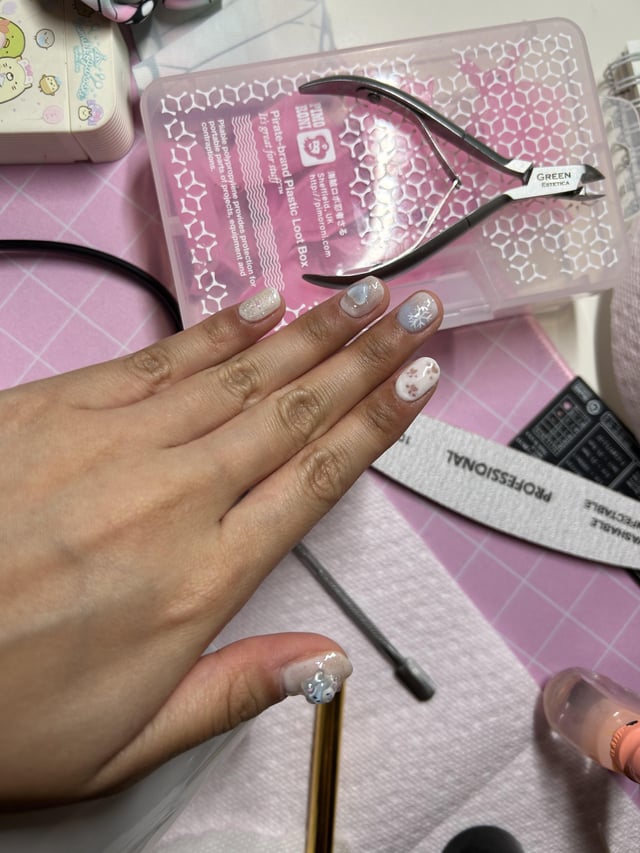
It’s intriguing how innovations can sometimes be misunderstood. Nail lamps, primarily used for drying gel nail polish, have raised questions about their potential to cause tanning. Considering their use of UV light, it’s worth exploring if there’s a risk of unintended skin darkening.
Nail lamps emit UV-A light, which penetrates the skin more deeply than UV-B light that’s more commonly associated with sunburns and tanning. Historically, these devices were not designed with the intention of tanning, but rather for the clinical setting of nail salons. Some studies suggest minimal exposure risk, yet with frequent and prolonged use, there might be a minuscule chance for skin darkening, though it remains a rare concern among professionals.

Can You Tan with a Nail Lamp?
Nail lamps are common in salons for drying gel nail polish. They use UV-A light, which is similar to the light used in tanning beds. Because of this similarity, some people wonder if nail lamps can cause tanning. This seems like a reasonable question given that UV-A light can penetrate the skin more deeply than UV-B light.
According to this post, the primary purpose of nail lamps is to quickly cure nail polish, not to tan skin. Most sessions under a nail lamp are very short, usually just a few minutes. This brief exposure makes it unlikely that you would get a tan from a nail lamp. Despite this, it’s always wise to protect your skin.
Frequent users might still worry about the cumulative effects of UV exposure. According to the article here is the post, consistent exposure to UV light, even in small doses, can add up over time. Wearing sunscreen or fingerless gloves during nail treatments can help provide an extra layer of protection. This precaution minimizes any potential risks while still allowing for beautiful nails.
In the end, while nail lamps do emit UV-A light, it’s rare to develop a tan from their use. Most experts agree that the duration and intensity of exposure are too low to cause tanning. So, if you’re a fan of shiny, well-cured nails, you can rest easy. Just take simple protective measures to keep your skin safe.
The Function of Nail Lamps
Nail lamps are specialized devices used to dry or “cure” gel nail polish quickly. They primarily use UV or LED light to harden the polish. This process ensures that the polish sets properly and lasts longer without chipping. The drying time is significantly reduced compared to air-drying, making it a popular choice in nail salons.
Both UV and LED lamps have their own advantages. For instance, UV lamps can cure all types of gel polish, whereas LED lamps are faster but only work with specific gel polishes. According to this expert opinion, UV lamps are more versatile, but LED lamps have gained popularity for their efficiency and quicker curing times. This speed means less waiting time for clients.
A typical UV nail lamp emits wavelengths in the UV-A range. These lamps can take two to three minutes to fully cure each layer of gel polish. On the other hand, LED lamps cure the polish in about 30-60 seconds. This difference in curing time is essential when considering the overall salon experience.
In addition to speed, many nail salons choose LED lamps for their longevity. They can last up to 50,000 hours, while UV lamps need bulb replacements more frequently. This makes LED lamps a cost-effective choice over time. However, both types of lamps have their place in the industry, catering to different needs and preferences.
UV-A Light Exposure in Nail Lamps
UV-A light is a common component of nail lamps, used specifically to cure gel polish. This type of light is different from UV-B light, which is more commonly associated with sunburn. UV-A light penetrates deeper into the skin, which has raised concerns about its long-term effects. However, the exposure time under a nail lamp is usually short, reducing the risk of harmful effects.
When using a nail lamp, the hands are exposed to UV-A light for a few minutes at a time. Frequent use without protection could potentially lead to skin damage over time. To minimize risks, some experts recommend applying sunscreen to the hands before using the lamp. Alternatively, fingerless gloves can also provide protection while allowing nails to cure properly.
An important aspect to consider is the cumulative effect of UV-A light. Though nail lamps are designed to be safe, repetitive exposure can add up. Some manufacturers have started incorporating safety features like automatic shut-off timers and lower intensity settings. These measures aim to further reduce any potential harm from prolonged UV exposure.
Overall, the brief exposure to UV-A light during nail treatments makes the risk minimal for most users. Using protective measures can further decrease any potential concerns. Nonetheless, it’s always a good idea to be cautious and informed. Keeping an eye on new developments and safety tips can help ensure a safer experience.
Can Nail Lamps Lead to Tanning?: Analyzing the Evidence
Many people wonder if using a nail lamp can lead to tanning. Given that these lamps use UV-A light to cure nail polish, it’s a valid concern. However, scientific studies show that the risk of tanning from nail lamps is extremely low. The short exposure time and targeted application reduce the likelihood significantly.
Dermatologists have looked into the effects of UV-A light from nail lamps. Most agree that the exposure levels are much lower compared to tanning beds. Tanning beds are designed to expose the entire body for extended periods, while nail lamps focus on small areas like fingernails. This localized exposure is one reason why tanning with a nail lamp is unlikely.
Some users worry about the cumulative effect of repeated nail lamp sessions. Although there is a theoretical risk, practical evidence suggests it’s minimal. Protective measures, such as using sunscreen or UV-blocking gloves, can further decrease this risk. These precautions are easy to implement and add an extra layer of safety.
Interestingly, no widespread reports exist linking nail lamps to skin tanning. This absence of evidence is reassuring for regular salon-goers. UV-A light in these devices is optimized for curing gel polish quickly without causing skin changes. This aligns with the purpose of nail lamps, which is to deliver beauty treatments efficiently and safely.
According to numerous studies, the UV output of nail lamps is carefully controlled. This includes automatic timers and specific wavelength ranges to focus only on the nails. Despite these safety features, it’s always good practice to take preventive steps. Even if the risk is low, being proactive about skin health is beneficial.
In a nutshell, while nail lamps do emit UV-A light, the chance of skin tanning remains very small. Users can enjoy their manicure sessions without worrying too much about unintended side effects. Regular use of protective measures can provide additional peace of mind. Keeping informed and cautious can help ensure a balanced approach to beauty and skin health.
Frequently Asked Questions
Nail lamps have become a staple in the beauty industry, but many questions arise regarding their use and safety. Here are answers to some of the most commonly asked questions.
1. How do nail lamps work?
Nail lamps use either UV or LED light to cure gel polish. This light activates photo-initiators in the gel, causing it to harden quickly. Unlike air drying, this method ensures that the polish sets properly and lasts longer. It only takes a few minutes per layer.
UV nail lamps emit UV-A light while LED lamps emit a specific wavelength suited for faster curing times. Although both types aim to achieve the same result, they operate slightly differently. Choosing between them often comes down to personal preference or specific salon setups.
2. Are nail lamps safe to use frequently?
Generally, nail lamps are considered safe for regular use when used as directed. However, like any device emitting UV light, it’s best to take safety precautions. Simple steps like applying sunscreen or using fingerless gloves can minimize potential risks associated with repeated exposure.
While manufacturers design these devices with low exposure levels in mind, individual usage may vary. It’s always beneficial to stay informed about new safety guidelines and advancements in technology that aim to further reduce any potential hazards.
3. Can I use any type of gel polish with my nail lamp?
The compatibility of your gel polish with your nail lamp depends on the type of lamp you have. UV lamps can cure all kinds of gel polishes due to their broad spectrum of light wavelengths. In contrast, LED lamps work only with specific formulas designed for LED curing.
If you’re unsure which type works best, consult product labels or professional advice for clarity. Knowing your lamp’s specifications and matching them with compatible products will ensure optimal results and long-lasting manicures.
4. Do UV nail lamps cause skin aging?
Extended and unprotected exposure to UV-A light can contribute to premature skin aging over time; however, the time spent under a nail lamp is limited and localized mainly on nails rather than skin areas more prone to visible aging signs.
Using protective methods like SPF-enhanced creams can mitigate such risks considerably.
The likelihood substantially drops if protective measures are part of routine usage habits during sessions.
Experts opine that adhering closely recommended safeguards effectively minimizes adverse effects linked prolonged ultraviolet illumination designed primarily for manicure applications.”
5.Can pregnant women safely use Nail Lamps?
Conclusion
In summary, nail lamps, while emitting UV-A light, are primarily designed for curing gel polish efficiently. The brief and localized exposure significantly minimizes the risk of tanning or skin aging. By taking simple protective measures, users can further safeguard their skin.
As innovations in nail care continue to evolve, staying informed and cautious ensures a balanced approach to beauty and health. Experts widely agree that with proper use, nail lamps are both effective and safe for achieving long-lasting manicures.

I’m Emily Johnson, an affiliate marketer and blogger focused on lamps and lighting. I share honest reviews, simple buying guides, and practical tips. My goal is to help readers choose the right lamp for their space, style, and budget with confidence.