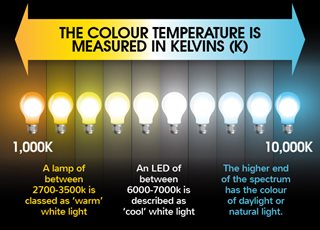
Have you ever wondered why fluorescent lamps emit their characteristic white glow? At the heart of this phenomenon is a fascinating interplay of science and technology. Contrary to popular belief, the light from these lamps is not inherently white but rather the result of a carefully orchestrated process involving phosphor coatings and ultraviolet light.
The technology behind the white glow of fluorescent lamps has evolved significantly since its inception in the early 20th century. When UV light excites the phosphor coating inside the lamp, visible light is produced. This process ensures that the light we see is not only bright but also energy-efficient, making fluorescent lamps a staple in both residential and commercial settings.
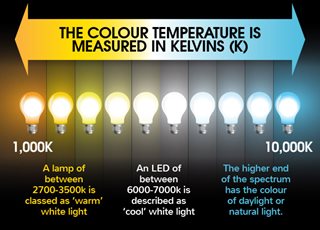
Source: socketstore.co.uk
Why Fluorescent Lamp Glows White in Colour
Fluorescent lamps are common in many homes and offices. They produce a bright white light that is very different from the yellowish light of incandescent bulbs. The key to this unique light lies in the way fluorescent lamps work. Instead of using a heated filament, they rely on a mixture of chemical reactions and electricity. When you turn on a fluorescent lamp, a small amount of mercury vapor inside the tube is ionized, creating ultraviolet (UV) light.
This UV light is invisible to the human eye. So, how do we see a white glow? The inside of a fluorescent lamp is coated with a special material called phosphor. According to this post, when UV light hits the phosphor coating, it causes the phosphor to emit visible light. This light is what creates the bright white glow we see.
Interestingly, the type of phosphor coating can change the color of the light. By using different chemical compounds in the phosphor, manufacturers can produce various shades of white and even other colors. For instance, a warm white light can be made by using phosphors that emit more red and yellow wavelengths.
Fluorescent lamps are not only shiny but also energy-efficient. They use much less electricity to produce the same amount of light as traditional incandescent bulbs. This makes them a popular choice for eco-friendly homes and businesses. So, not only do they glow white, but they also help save energy and reduce costs.
The Role of UV Light in the Emission of White Colour
UV light plays a crucial role in the working of fluorescent lamps. Inside the lamp, there’s a small amount of mercury gas. When electricity flows through the lamp, it excites the mercury atoms. This excitement causes the mercury to emit UV light. Although UV light is invisible, it has a significant impact on what we perceive.
The UV light generated inside the lamp then interacts with the phosphor coating on the inner walls of the tube. According to this post, UV light is absorbed by the phosphor, causing it to emit visible light. This process is known as fluorescence. It’s this emitted light that gives the lamp its bright white appearance.
Different types of phosphor coatings can produce various shades of white and even other colours. By carefully selecting the phosphor ingredients, manufacturers can customize the light output to suit specific needs. For example, some lamps are designed to emit a warmer, more yellowish light, while others emit a cooler, bluish light.
In essence, UV light serves as the hidden driver behind the visible glow of the lamp. Without this UV light exciting the phosphor, we wouldn’t see the bright, white light these lamps are known for. This combination of scientific principles makes fluorescent lamps both fascinating and practical.
The Science Behind the White Glow of Fluorescent Lamps
Fluorescent lamps are fascinating examples of applied science. Unlike traditional bulbs, they don’t rely on heating a filament to produce light. Instead, these lamps use electricity to excite mercury vapor inside a sealed tube. This excitement causes the emission of ultraviolet (UV) light. Though invisible to our eyes, UV light is the first step in creating the bright white glow we see.
The lamp’s interior is coated with phosphor, a material crucial for converting UV light into visible light. When UV light strikes the phosphor coating, the phosphor absorbs the energy and emits visible light almost immediately. This process, known as fluorescence, results in the bright white light characteristic of these lamps. It’s all about energy transformation from invisible to visible spectra.
Different chemical combinations in the phosphor coating can tweak the quality of the light produced. For instance, if more red and yellow phosphors are used, the light may appear warmer. In contrast, using more blue and green phosphors creates a cooler light. This allows manufacturers to offer a variety of lighting options to fit different environments.
Another interesting aspect is the efficiency of fluorescent lamps. They use much less energy to achieve the same brightness as incandescent bulbs. This is because the process of fluorescence is more efficient than heating a filament. It’s a blend of chemistry and physics, designed to provide both bright light and energy savings.
Role of Phosphor Coating in a Fluorescent Lamp
Phosphor coating is an essential component in a fluorescent lamp. This special coating lines the inside of the glass tube. Its primary role is to convert ultraviolet (UV) light into visible light. When the lamp is turned on, mercury gas inside the tube emits UV light, invisible to the human eye. The phosphor coating absorbs this UV light and emits visible light in return.
The type of phosphor used can significantly alter the color quality of the emitted light. Fluorescent lamps can have various shades of white, ranging from warm to cool. This versatility is possible because different chemical compounds in the phosphor blend can produce different colors of light. For instance, adding more red phosphor results in a warmer light, while adding more blue produces a cooler light.
A key advantage of phosphor coatings is their efficiency. They are designed to maximize light output while minimizing energy consumption. The conversion of UV light to visible light is highly effective, making these lamps much more energy-efficient compared to traditional incandescent bulbs. This efficiency translates to lower electricity bills and a smaller carbon footprint.
Phosphor coatings in fluorescent lamps are also engineered for longevity. The chemical stability of these coatings ensures they can withstand continuous exposure to UV light without degrading quickly. This durability is crucial for maintaining a consistent light output over the lifespan of the lamp.
In some cases, multiple layers of different phosphor coatings are applied to fine-tune the light quality. This multi-layer approach allows manufacturers to create lamps with specific light characteristics suited for various applications. Whether for industrial use or home lighting, the right phosphor blend can make a significant difference.
The role of phosphor coating in fluorescent lamps underscores the blend of chemistry and engineering required to produce efficient and effective lighting. Its ability to convert UV light into a bright, white glow is a vital component of modern illumination. This combination of factors makes phosphor coatings a key technology in efficient lighting solutions.
Fluorescent Lamps: A Vital Source of White Light
Fluorescent lamps are essential for providing bright, white light in various settings. From homes to offices and even in industrial spaces, these lamps are everywhere. Their ability to produce ample white light makes them highly versatile. The widespread use of fluorescent lamps is a testament to their efficiency and effectiveness. They offer a great balance between energy use and light output.
One of the main reasons fluorescent lamps are popular is their energy efficiency. Compared to incandescent bulbs, they use much less electricity while providing the same amount of light. This efficiency translates into cost savings on electricity bills. Moreover, fluorescent lamps tend to have a longer lifespan, reducing the frequency of replacements. These benefits are crucial for both residential and commercial users.
Fluorescent lamps also contribute to environmental sustainability. Using less electricity means a lower carbon footprint. Additionally, the materials used in manufacturing these lamps are often recyclable. This eco-friendly aspect makes them a preferred option for those looking to reduce their environmental impact. The combination of energy efficiency and recyclability highlights their role in sustainable living.
There are different types of fluorescent lamps designed for specific applications.
- T5 lamps, which are commonly used in modern office lighting due to their slim design.
- T8 lamps, popular in both residential and commercial spaces.
- Compact fluorescent lamps (CFLs), which can replace traditional bulbs in standard fixtures.
The versatility of fluorescent lamps extends to their ability to provide various shades of white light. Whether a warm, cozy light for homes or a sharp, bright light for workplaces, there’s a fluorescent lamp to suit every need. This adaptability makes them a preferred lighting solution in diverse environments. It’s this versatility that keeps them relevant in today’s lighting market.
The role of fluorescent lamps in modern lighting cannot be understated. Their bright, white light is crucial for many daily activities. Combining efficiency, sustainability, and versatility, these lamps remain a vital part of our lighting solutions. They continue to illuminate our spaces while helping us save energy and money.
Frequently Asked Questions
Fluorescent lamps are a common and efficient source of bright white light. Here are some frequently asked questions to help you understand more about how they work.
1. How do fluorescent lamps save energy?
Fluorescent lamps save energy by using mercury vapor and phosphor coatings to produce light efficiently. This technology allows these lamps to convert electrical energy into visible light with minimal heat loss, which is why they use less power compared to incandescent bulbs.
This efficiency means longer lifespans for fluorescent lamps, reducing the need for frequent replacements. By consuming less energy, they lower electricity bills and contribute positively to environmental sustainability.
2. What is the lifespan of a typical fluorescent lamp?
The lifespan of a typical fluorescent lamp usually ranges from 7,000 to 15,000 hours. This extended lifespan is due to their efficient design and ability to operate at lower temperatures than incandescent bulbs.
Regular use and proper maintenance can further extend the life of these lamps. Compared to traditional lighting options, fluorescent lamps offer significant cost savings over time by reducing the frequency of replacements.
3. Are there different types of fluorescent lamps?
Yes, there are various types including T5, T8, and Compact Fluorescent Lamps (CFLs). Each type serves specific purposes based on factors like size, energy efficiency, and brightness requirements.
T5 lamps are often used in modern office settings due to their slim design while T8s are popular in both residential and commercial spaces. CFLs are designed as direct replacements for standard incandescent bulbs in household fixtures.
4. How does mercury in fluorescent lamps impact safety?
The small amount of mercury used in fluorescent lamps is sealed within the tube. While breakage can lead to mercury exposure, proper disposal and handling minimize any risks associated with this element.
Recycling programs exist specifically for dealing with spent fluorescent tubes safely. Always follow local guidelines for disposal to avoid environmental contamination.
5. What is the difference between warm white and cool white fluorescent lights?
The difference lies in the phosphor blends used inside the lamp that produce varying color temperatures. Warm white lights emit more yellow and red wavelengths, creating a cozy atmosphere similar to that of incandescent bulbs.
Cool white lights have more blue wavelengths, producing a brighter light suitable for workplaces or areas requiring high visibility. Your choice depends on your needs—both offer great energy efficiency but create different ambiances.
Conclusion
Fluorescent lamps provide a reliable and efficient source of bright white light, combining advanced science and practical engineering. The interaction of mercury vapor and phosphor coating is key to their operation. This technology offers significant energy savings and long lifespans, making them both environmentally friendly and cost-effective.
Understanding the intricate workings of fluorescent lamps enhances our appreciation of these everyday lighting solutions. Their ability to reduce energy consumption and offer various lighting options demonstrates their versatility. Fluorescent lamps remain an essential component in modern lighting, brightening our spaces while promoting sustainability.

I’m Emily Johnson, an affiliate marketer and blogger focused on lamps and lighting. I share honest reviews, simple buying guides, and practical tips. My goal is to help readers choose the right lamp for their space, style, and budget with confidence.