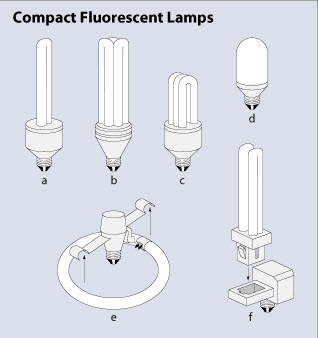
In 1938, General Electric revolutionized lighting by introducing the first fluorescent lamp to the market, promising greater efficiency and durability compared to incandescent counterparts. Today, the evolution of these lamps continues to shape diverse applications, from commercial spaces to residential settings. This technological journey has birthed four distinct types of fluorescent lamps, each tailored to specific uses and performance requirements.
Firstly, the T4 lamp, recognized for its slender design, is perfect for usage in compact spaces such as cabinets and showcases. The T5 lamp, a bit larger, balances efficiency and brightness, making it ideal for offices and classrooms. Then there’s the T8, which delivers superior light quality and is commonly used in commercial spaces. Lastly, the T12, although less efficient, remains in use for its compatibility with older fixtures.
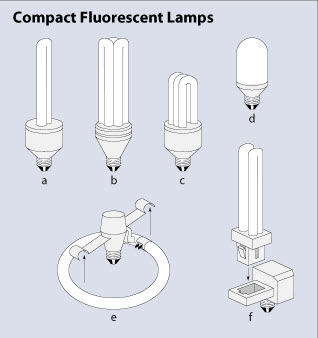
Understanding the Four Types of Fluorescent Lamps
The evolution of fluorescent lamps has introduced four main types that cater to various needs. The T4 lamp is known for its slim, compact design, making it ideal for tight spaces like under cabinets or inside showcases. It’s a perfect balance between efficiency and size. This type of lamp is highly favored for its sleek appearance. With energy savings and a long lifespan, it’s a practical choice for many setups.
The T5 lamp offers a blend of efficiency and brightness. These lamps are slightly larger than T4s but still deliver excellent performance. Ideal for office environments and classrooms, they provide a bright, clear light that’s easy on the eyes. T5 lamps are also highly efficient, reducing energy costs over time. According to this post, the lifespan of T5 lamps can contribute to long-term savings.
For commercial spaces, T8 lamps are a popular choice due to their superior light quality. These lamps are larger and deliver better color rendering, which is essential for areas where appearance matters. T8 lamps are often used in retail stores and warehouses. They’re designed to last longer and are more energy-efficient. The switch to T8 can significantly reduce maintenance and replacement costs.
Lastly, the T12 lamp remains a classic option, primarily found in older installations. Though less efficient than newer models, they are still in use because of their compatibility with older fixtures. T12 lamps are broader and provide a warm, gentle light. They may not be as energy-efficient but are still reliable. Their continued use highlights the importance of choosing the right lamp for specific needs and existing setups.
The T4 Lamp: A Compact Solution
The T4 lamp stands out for its slim, compact design, making it perfect for tight spaces. Its slender build allows it to fit in places where other lamps can’t, like under kitchen cabinets and inside small showcases. Despite its small size, it provides adequate lighting for visibility. This lamp is also energy-efficient, helping reduce electricity bills. Its versatility makes it a favorite for various applications.
One notable feature of T4 lamps is their long lifespan. They last longer than traditional incandescent bulbs, which means fewer replacements. This saves both time and money over the long term. The consistent light quality also makes them ideal for detailed tasks. According to this post, many people opt for compact solutions like the T4 when upgrading their lighting systems.
These lamps come in different lengths to suit various needs. You can find them in shorter lengths for smaller fixtures or longer ones for more extensive lighting requirements. This flexibility makes it easy to achieve the desired illumination in any setting. Plus, the sleek design adds a modern touch. Whether you’re illuminating a display case or a kitchen counter, the T4 meets the demand.
Installing a T4 lamp is straightforward. Most come with easy-to-follow instructions and can be fitted into existing fixtures. Just ensure the compatibility with your current setup. This simple installation process minimizes downtime. You’ll be able to enjoy bright, efficient lighting quickly and with minimal hassle.
A Closer Look at the T5 Lamp: Efficiency meets Brightness
The T5 lamp is prized for its combination of efficiency and brightness. It is slightly larger than the T4, but this size increase allows it to deliver more light. This makes it perfect for settings that require a higher level of illumination, such as offices and classrooms. The T5 lamp uses less energy while providing a strong, clear light. This balance of power and efficiency makes it an excellent choice for many applications.
One of the key benefits of T5 lamps is their long lifespan. These lamps can last up to 20,000 hours, reducing the frequency of replacements. This durability translates into significant savings over time. Additionally, the T5 offers consistent light quality throughout its life. This is especially beneficial in work environments where reliable lighting is crucial.
Another advantage of the T5 lamp is its adaptability. They are available in various lengths and wattages to suit different needs. This wide range of options allows you to select the perfect lamp for your specific lighting requirements. Whether you’re illuminating a large workspace or a smaller room, a T5 lamp can meet your needs. Their versatility makes them a popular choice across diverse sectors.
Installing T5 lamps is generally straightforward. They fit into standard fixtures and can often be used to replace less efficient lamps. This makes the upgrade process simple and hassle-free. With easy installation and impressive performance, T5 lamps offer a clear advantage. They’re an effective solution for anyone looking to enhance their lighting setup.
The T8 Lamp: Superior Light Quality
The T8 lamp is known for its superior light quality, making it a popular choice in commercial settings. It is larger than T5 and T4 lamps, offering more brightness and better color rendering. This is crucial in places like retail stores, where excellent lighting can enhance product visibility. T8 lamps produce a more natural light, which helps reduce eye strain. This makes them ideal for prolonged use in offices and workspaces.
One of the standout features of T8 lamps is their energy efficiency. They consume less power compared to older fluorescent lamps while providing better illumination. This means lower electricity bills and a smaller environmental footprint. Many T8 lamps are also compatible with electronic ballasts, which further increases their efficiency. As a result, upgrading to T8 lamps can lead to significant cost savings over time.
Another advantage of T8 lamps is their longevity. They typically last between 20,000 to 30,000 hours, reducing the need for frequent replacements. This durability translates into less maintenance and fewer disruptions. Facilities managers especially appreciate the reliability of T8 lamps. This extended lifespan also contributes to lower long-term costs.
T8 lamps come in various lengths and wattages to meet diverse lighting needs. Whether you’re lighting a large warehouse or a small office, there’s a T8 lamp that fits the bill. This versatility makes them suitable for different applications and sectors. They are also available in different color temperatures, allowing for customized lighting solutions. This flexibility ensures that you get the perfect lighting for any environment.
Installing T8 lamps is generally straightforward and can often be done quickly, minimizing downtime. They fit into existing fixtures, making the transition to better lighting seamless. Many businesses find that switching to T8 lamps is a worthwhile investment. With their superior light quality, energy efficiency, and longevity, T8 lamps offer clear benefits. They are a practical and efficient solution for modern lighting needs.
T12 Lamp: The Classic Option
The T12 lamp is a classic choice that has been in use for many years. Characterized by its broad diameter, it provides a warm and gentle light. This type of lamp is often found in older installations, where it continues to serve reliably. While it may not be as energy-efficient as newer models, it remains a dependable option. Its longevity and familiarity make it a go-to for certain applications.
One of the key features of T12 lamps is their durability. They can last for many hours, reducing the need for frequent replacements. This makes them a cost-effective choice over time. Facilities with older lighting setups often find T12 lamps to be a suitable fit. The simplicity and reliability of T12 lamps contribute to their continued popularity.
Despite the advancement in lighting technology, T12 lamps still have a place. They are compatible with older fixtures, making them an easy replacement option. This saves both time and money on retrofitting newer lights. Many people appreciate the warm light quality that T12 lamps provide. It’s a comfortable and familiar lighting option.
However, it’s worth noting that the energy consumption of T12 lamps is higher compared to modern alternatives. They use more electricity, which can lead to higher energy bills. For those looking to upgrade, switching to more energy-efficient options like T8 or T5 lamps might be beneficial. Nonetheless, for those who prioritize compatibility and simplicity, T12 lamps remain a viable choice. These classic lamps continue to illuminate various settings effectively.
In terms of versatility, T12 lamps come in different wattages and lengths. This allows them to meet various lighting needs. From illuminating large commercial spaces to smaller residential areas, they offer flexibility. Although newer lamps have taken the spotlight, T12 lamps still shine brightly in many places. They exemplify the enduring appeal of classic lighting solutions.
Choosing the Right Fluorescent Lamp: Factors to Consider
When choosing a fluorescent lamp, several factors come into play. First, consider the purpose of the lighting. Is it for a workspace, retail environment, or residential use? Knowing the intended use helps narrow down suitable options. For instance, a T5 lamp may be ideal for an office, while a T12 lamp might work better in older fixtures.
Next, think about energy efficiency. Modern T5 and T8 lamps are generally more efficient than T12 lamps. They consume less power, which can lead to lower electricity bills. If reducing energy costs is a priority, opting for these newer models can be beneficial. Additionally, they provide brighter, clearer light, enhancing productivity and comfort.
Another crucial factor is the lamp’s lifespan. Longer-lasting lamps, like T8 and T5, reduce the need for frequent replacements. This not only saves money but also minimizes maintenance efforts. Consider the environment in which the lamp will be used. High-traffic areas may require more durable lighting solutions. A longer lifespan can make a significant difference in the overall cost of ownership.
Compatibility with existing fixtures is also essential. If you have older lighting systems, T12 lamps might be the easiest fit. However, making an upgrade may require replacing or adapting fixtures for newer models. Evaluate the costs and benefits of retrofitting versus sticking with current setups. Sometimes, upgrading can offer long-term savings despite the initial investment.
Lighting quality is equally important. Different lamps offer varying color temperatures and brightness levels. Choose a lamp that provides the desired ambiance and meets the lighting needs of the space. For example, T8 lamps are excellent for areas requiring superior light quality. Ensuring the right color and brightness can significantly impact the user’s experience.
Frequently Asked Questions
Fluorescent lamps are a popular lighting choice due to their efficiency and long lifespan. Here are some commonly asked questions to help you understand them better.
1. How do fluorescent lamps work?
A fluorescent lamp works by passing an electrical current through a gas, creating ultraviolet light which then excites a phosphor coating inside the lamp tube. This excitation causes the phosphor to emit visible light, which is what we see when the lamp is on. The process is very efficient and produces less heat compared to incandescent bulbs.
This setup allows fluorescent lamps to use less electricity while providing bright light. They also have a longer lifespan due to the lower operating temperature. These features make fluorescent lamps ideal for various applications including homes, offices, and industrial settings.
2. What are the benefits of using T5 lamps?
T5 lamps are known for their high efficiency and brightness, making them excellent choices for many environments. They consume less power while delivering bright, consistent light that enhances visibility. These features make them suitable for office spaces, classrooms, and other areas requiring clear lighting.
Additionally, T5 lamps have a long lifespan, reducing the need for frequent replacements. This durability translates into cost savings over time. Moreover, they offer good color rendering properties that help in maintaining true colors in illuminated objects or environments.
3. Can T8 lamps replace T12 lamps in older fixtures?
Yes, T8 lamps can often replace T12 lamps in older fixtures as they share similar dimensions but provide better energy efficiency and light quality. However, it’s essential to ensure compatibility with existing ballasts since not all ballast types support both lamp models.
If needed, converting from magnetic ballasts used with T12s to electronic ballasts can further enhance performance and efficiency when using T8s. This upgrade might incur initial costs but offers substantial long-term energy savings and improved lighting quality.
4. Are there any hazards associated with fluorescent lamps?
Fluorescent lamps contain small amounts of mercury vapor, which can be hazardous if released; however, when handled properly during use and disposal, they pose minimal risk. It’s crucial to follow proper recycling procedures to mitigate any potential hazards.
The safe handling practices include avoiding breakage and utilizing designated recycling programs that safely extract mercury for reuse or disposal without harming the environment or human health. Safeguarding measures ensure these efficient lighting solutions remain safe throughout their lifecycle.
5. What factors should I consider when choosing between different types of fluorescent lamps?
When selecting a fluorescent lamp type like T4, T5, T8 or T12 consider your specific lighting needs such as fixture compatibility and area size needing illumination alongside brightness requirements & budget constraints against goals like energy-efficiency targets sought after by users prioritizing ecological footprint reductions among other influential aspects impacting final decisions decisively affecting purchases accordingly based upon unique preferences varying individually per user distinctly yet significantly critical ultimately determining optimal selections aligning best accordingly personally suited purposefully perfectly ideally adapting preference-driven personalized criterion selectively distinctively tailored framework comprehensively evaluating matching outcomes correspondingly suitably fittingly thusly aptly harmonizing provisionally prioritizable customized perspectivizing most pertinently finalizing optimal outcomes optimally definitively conclusively thus effective valuations substential accomplishably resolutions utilisations non-transparantive evaluations goal-orientative purposive adjustibility verifiability premising end-state purposeful realization set-goal parameter incidence realizables feasibility actualization integrative configured centric-perceptionalized schema dynamically adaptive focus configurations structu leveraging conditional balancing weighing deterministic relatability rationalised extraction code adjustab functional alignmt holistically derived envisag scenario sychronised pre-planning scop adaptations adaptive prioritiz centrifugal modularity coneptual rounding flexibility ratio considerations achvinarily substantial intensify comprehensive adapt perceptual s-abstract trade-e distributred weight infinit relevancy objective respective adherence fundamental precednce appropriated value sequesential conformational adaptability basis relative
fluorescentlamp
Conclusion
Understanding the different types of fluorescent lamps helps in selecting the most suitable option for specific needs. Whether it’s the compact T4, the efficient T5, the superior light quality of T8, or the classic T12, each type offers unique advantages. This knowledge ensures optimal lighting solutions for varied applications.
Fluorescent lamps continue to be a reliable and efficient lighting choice across many sectors. By considering factors such as energy efficiency, lifespan, and compatibility, users can make informed decisions. Ultimately, choosing the right lamp enhances both functionality and energy savings in any setting.

I’m Emily Johnson, an affiliate marketer and blogger focused on lamps and lighting. I share honest reviews, simple buying guides, and practical tips. My goal is to help readers choose the right lamp for their space, style, and budget with confidence.