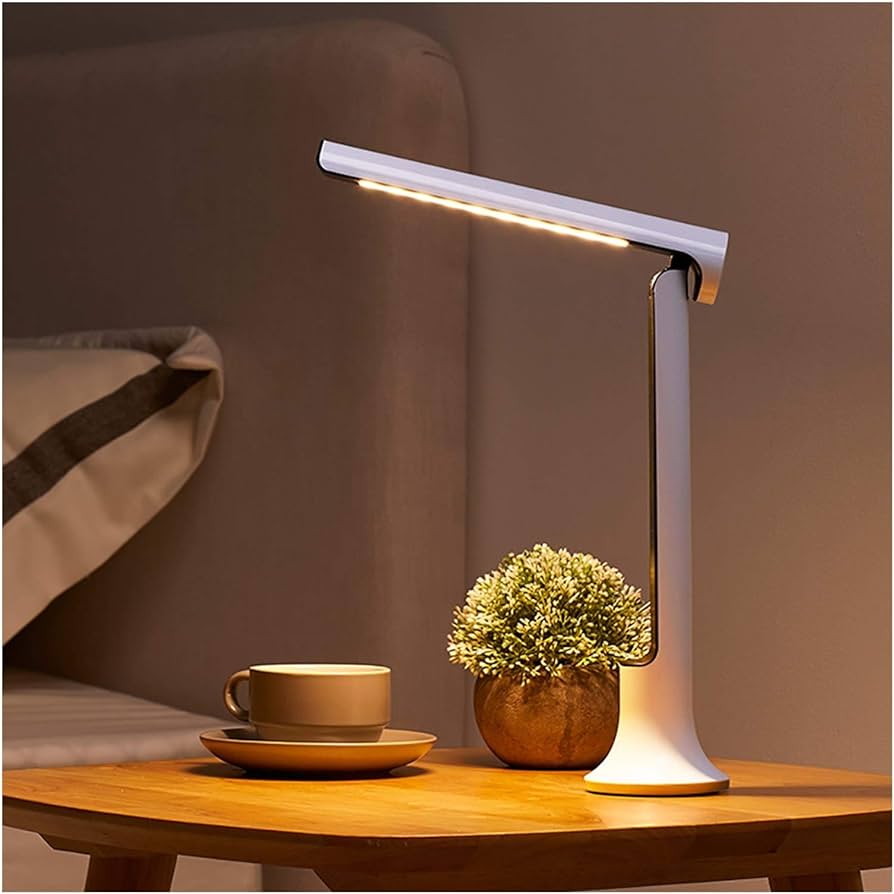
Desk lamps can be bad for your eyes if they use artificial lighting sources that cause flicker, leading to eye strain and headaches. However, by following certain precautions, desk lamps can be used effectively to reduce eye strain.
Reducing exposure to blue light and taking breaks are essential for protecting your eyes while using a desk lamp. While desk lamps themselves are not harmful to the eyes, it’s important to ensure proper lighting and avoid using lamps with flickering lights.
By implementing these measures, desk lamps can provide a comfortable and safe working or reading environment without causing harm to your eyes.
Desk Lamp Eye Safety Exploration
When it comes to desk lamps, many people wonder if they are bad for their eyes. Understanding light and eye interaction plays a significant role in ensuring eye safety when using desk lamps.
Furthermore, the role of illumination in visual health cannot be overlooked. In this article, we will explore these aspects to determine if desk lamps are indeed harmful to your eyes.
Understanding Light And Eye Interaction
Light plays a crucial role in our daily lives, allowing us to see and perceive the world around us. However, when it comes to the eyes, exposure to certain types of light can have consequences. One of the main concerns with desk lamps is the presence of flickering lights. This flickering can cause eye strain and even headaches, leading to discomfort and potential long-term damage to your vision.
Role Of Illumination In Visual Health
Illumination plays a vital role in ensuring good visual health. Insufficient light can strain your eyes, while excessive brightness can also be harmful. Finding the right balance is key. Desk lamps that provide a consistent and non-flickering light source can help reduce eye strain and promote better visual comfort.
When using a desk lamp, it is important to consider the specific lighting needs based on your age and any pre-existing eye conditions you may have. For example, older individuals may require brighter lighting to compensate for age-related decline in vision. In contrast, those with sensitive eyes or certain eye conditions may benefit from choosing desk lamps with adjustable brightness levels.
In addition to flickering lights, another potential concern with desk lamps is the emission of blue light. Research suggests that prolonged exposure to blue light, especially in the evening, can disrupt sleep patterns and potentially contribute to eye fatigue. Choosing desk lamps that offer color temperature options and choosing warmer light settings can help reduce the amount of blue light emitted.
To ensure overall eye safety, it is crucial to follow proper lighting practices when using a desk lamp. Position the lamp in a way that the light is pointed directly at the material you are working on, ensuring the light is evenly distributed. Using an opaque shade can also help prevent glare and direct light away from your eyes.
In conclusion, while desk lamps themselves are not inherently bad for your eyes, it is essential to be mindful of certain factors to protect your visual health. Understanding light and eye interaction, as well as considering the role of illumination in visual comfort, can help you make informed choices when selecting and using desk lamps.
Impact Of Desk Lamps On Eyes
Desk lamps can have a negative impact on your eyes due to flickering, leading to eye strain and headaches. However, using desk lamps effectively and reducing exposure to blue light can help minimize these issues. It’s important to choose a desk lamp with an opaque shade and proper lighting to protect your eyesight.
The Science Of Lights Affecting Vision
The impact of desk lamps on eyes is rooted in the science of how different types of light can affect our vision. Artificial lighting sources, such as those used in some desk lamps, can cause flickering. While this may not seem like a big deal, it can actually be bad for your eyes. Flickering lights can lead to eye strain and even headaches.
Common Eye Strain Symptoms From Desk Lamps
Using desk lamps that emit flickering light can cause several symptoms of eye strain. These symptoms may include:
- Blurred vision
- Eye fatigue
- Dry or watery eyes
- Headaches
- Difficulty focusing
If you experience any of these symptoms while using a desk lamp, it may be time to switch to a different lighting option.
Choosing Safe Lighting Options
Desk lamps that use artificial lighting sources can cause flicker, which can lead to eye strain and headaches. It’s important to choose desk lamps with more natural light options to protect your eyes. Taking breaks and reducing your exposure to blue light are also effective ways to prevent eye damage from desk lamps.
Characteristics Of Eye-friendly Lamps
When it comes to choosing safe lighting options for your workspace, it is essential to consider certain characteristics that make a lamp eye-friendly. These characteristics not only reduce eye strain but also promote optimum visual comfort. Here are some important factors to consider when selecting an eye-friendly lamp:
1. Warm and Soft Lighting:
Opt for lamps that emit warm and soft lighting as opposed to bright and harsh lights. Soft lighting reduces glare and minimizes the strain on your eyes, allowing you to work comfortably for longer periods.
2. Adjustability:
Look for lamps that offer adjustable settings such as brightness levels and color temperature. This flexibility allows you to customize the lighting according to your specific needs and preferences, ensuring a personalized and comfortable environment for your eyes.
3. Uniform Illumination:
Ensure that the lamp provides uniform illumination across your workspace. Uneven lighting can cause unnecessary eye strain as your eyes continuously adjust to varying levels of brightness. An evenly lit workspace promotes visual comfort and reduces eye fatigue.
4. Flicker-Free Technology:
Flickering lights can be detrimental to your eye health, leading to eye strain, headaches, and even migraines. Opt for lamps that utilize flicker-free technology to eliminate any potential flickering, providing a stable and consistent light source.
5. Low Blue Light Emission:
Blue light can disrupt your sleep cycle and potentially harm your eyes. Look for lamps that emit minimal blue light or offer adjustable blue light settings. This feature helps protect your eyes from the harmful effects of prolonged exposure to blue light.
6. Proper Positioning:
Properly positioning the lamp is crucial for optimal eye comfort. Place the lamp to the side of your dominant hand, angled toward your workspace. This positioning reduces shadows, provides ample illumination, and minimizes strain on your eyes.
By considering these characteristics when choosing a desk lamp, you can ensure that your lighting options are safe and eye-friendly. Investing in an eye-friendly lamp will not only enhance your visual comfort but also contribute to your overall well-being while working or studying.
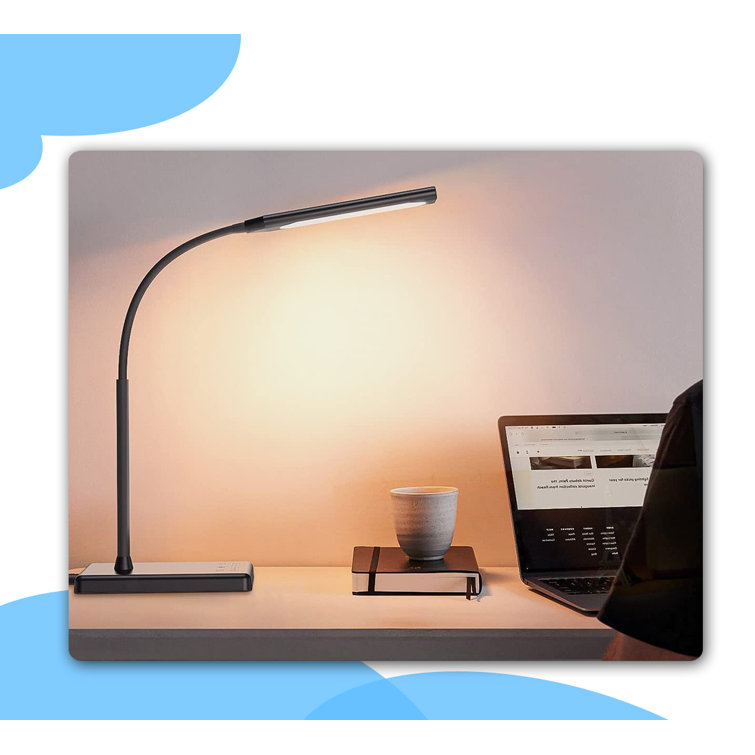
Credit: www.wayfair.com
Are Desk Lamps Harming Your Eyes? Find Out Now!
Desk lamps, especially those using artificial lighting sources that cause flicker, can be harmful to your eyes, leading to eye strain and headaches. It is important to reduce exposure to blue light and take breaks to protect your eyesight. However, with proper precautions and using desk lamps effectively, you can minimize eye strain and enjoy comfortable computing and studying.
Assessing Risk Factors For Eye Harm
When it comes to desk lamps, it is important to assess the risk factors that may contribute to potential eye harm. One such risk factor is flickering lights, which can cause eye strain and headaches. While some desk lamps use artificial lighting sources that may flicker, others are designed to provide more natural light, minimizing these risks.
Another risk factor to consider is exposure to blue light. Blue light, emitted by certain desk lamps, has been known to harm the eyes. Therefore, it is essential to reduce your exposure to blue light, especially if you spend long hours in front of a desk lamp. Taking regular breaks or using blue light filters can help alleviate potential eye damage.
Fumes from chemicals present in certain desk lamps can also pose a threat to your eyesight. While this may seem dramatic, it is important to be cautious and avoid prolonged exposure to fumes that may be emitted by certain desk lamps. Using lamps that are made of non-toxic materials can help minimize this risk.
Preventive Measures For Preserving Eye Health
Although desk lamps themselves are not inherently bad for your eyes, it is crucial to take preventive measures to ensure optimal eye health. Here are some steps you can take:
- Choose a desk lamp with an opaque shade that directs the light directly onto the material you are reading or working on. This helps minimize excessive glare that can strain your eyes.
- Consider adjustable desk lamps that allow you to customize the lighting according to your needs. Being able to adjust the brightness and color temperature can help reduce eye strain and fatigue.
- If possible, position your desk lamp in a way that it provides adequate illumination without causing shadows on your workspace.
- Take regular breaks from your desk lamp. Engage in activities that require focusing on distant objects to give your eyes a rest from the close-up work.
- Ensure proper lighting in your workspace. A combination of desk lamps and ambient lighting can create a well-lit environment that reduces eye strain.
By following these preventive measures, you can ensure that your desk lamp usage does not harm your eyes but instead promotes optimal eye health and comfort.
Minimizing Eye Strain With Desk Lamps
Desk lamps are a common fixture in offices and study spaces, providing much-needed illumination for tasks such as reading, writing, and working on the computer. However, improper usage of desk lamps can lead to eye strain, which can cause discomfort and even headaches. To ensure that your desk lamp is not detrimental to your eye health, here are some tips for optimal desk lamp usage:
Tips For Optimal Desk Lamp Usage
- Choose a desk lamp with an opaque shade to prevent direct exposure of the light source to your eyes.
- Position the lamp so that the light is directed towards the material being read or worked on.
- Adjust the brightness of the lamp to a comfortable level, neither too bright nor too dim.
- Consider using a desk lamp with adjustable features, such as a flexible neck or multiple light settings, to customize the lighting to your preference and task requirements.
- Take regular breaks from using the lamp to give your eyes a rest and prevent prolonged exposure to artificial lighting.
Additional Strategies To Protect Your Vision
While optimizing your desk lamp usage is crucial for minimizing eye strain, there are other strategies you can adopt to further protect your vision:
- Ensure that the overall lighting in your space is adequate and evenly distributed to reduce contrast and strain on the eyes.
- Position your desk or workspace in a way that maximizes natural light, if available, to supplement the use of artificial lighting.
- Consider using blue light filters or computer glasses that can help mitigate the potential harm caused by blue light emitted from electronic devices.
- Practice the 20-20-20 rule, which involves looking away from your screen or task every 20 minutes and focusing on an object at least 20 feet away for 20 seconds.
- Visit an eye care professional regularly to monitor your eye health and address any concerns or issues promptly.
By following these tips and implementing additional strategies, you can ensure that your desk lamp usage contributes to a comfortable and visually-friendly environment, minimizing the risk of eye strain and maintaining optimal eye health.
Frequently Asked Questions On Are Desk Lamps Bad For Your Eyes
What Kind Of Desk Lamp Is Best For Eyes?
A desk lamp with natural light is best for your eyes, as artificial lighting sources can cause flickering, leading to eye strain and headaches. Reduce exposure to blue light and take breaks to protect your eyes. Desk lamps themselves are not harmful, but precautions can be taken to protect eyesight.
Should You Have A Lamp On Your Desk?
Having a lamp on your desk is beneficial as it provides the right illumination and creates a better working environment. Poor lighting can cause headaches and eye strain, but a desk lamp helps to alleviate these issues. It is important to follow the manufacturer’s instructions and choose the right type of lamp for optimal eye comfort.
Are Table Lamps Safe?
Table lamps are safe to use as long as you follow the manufacturer’s instructions and take precautionary measures. Flickering desk lamps can cause eye strain and headaches, so it’s important to choose lamps with natural light sources. Reduce blue light exposure and take regular breaks to protect your eyes.
Is A Desk Lamp Better Than A Monitor Light?
A desk lamp is not necessarily better than a monitor light. Both can cause eye strain and headaches if not used properly. It is important to reduce exposure to blue light and take breaks to protect your eyes.
Conclusion
To ensure the health of your eyes, it’s important to choose the right desk lamp and use it effectively. While desk lamps themselves are not harmful to your eyes, some artificial lighting sources may cause flicker, leading to eye strain and headaches.
Reduce your exposure to blue light, take breaks, and position your lamp properly to protect your eyesight. Remember, a well-adjusted desk lamp can create a comfortable working environment without stressing your eyes. So, choose wisely and prioritize your eye health.

I’m Emily Johnson, an affiliate marketer and blogger focused on lamps and lighting. I share honest reviews, simple buying guides, and practical tips. My goal is to help readers choose the right lamp for their space, style, and budget with confidence.