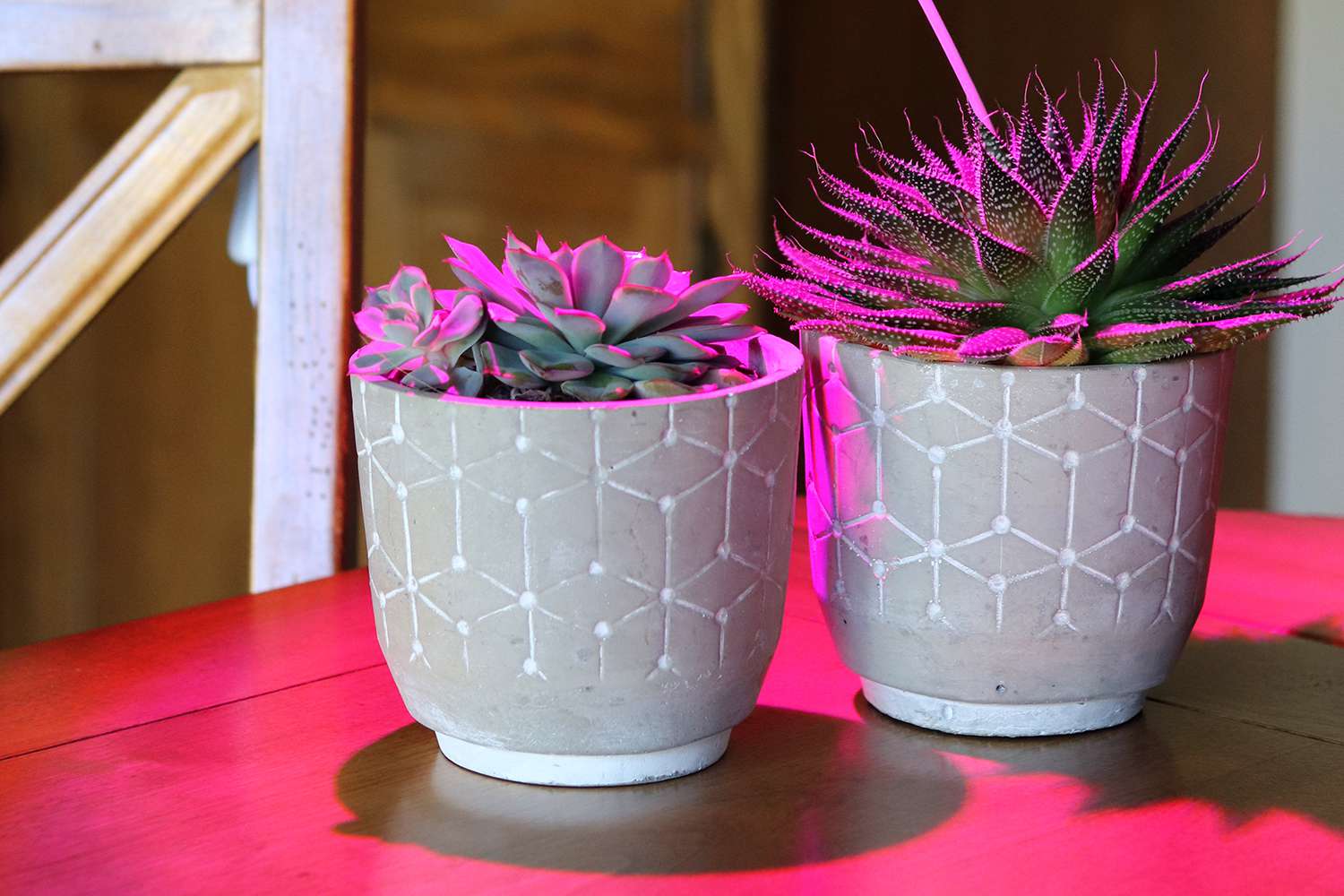
Yes, it is possible to grow plants using a desk lamp as a source of artificial light, especially in locations with limited natural light. Desk lamps can provide the necessary light wavelengths for plant growth.
However, it is important to choose the right bulbs and properly position the lamp to ensure the plants receive the optimal amount of light. Using a regular lamp or light fixture can be an alternative option for growing houseplants, as long as the bulbs are carefully selected and the lamps are placed strategically to benefit the plants.
With the right setup, it is possible to successfully grow plants indoors using a desk lamp or other light sources.

Credit: verilux.com
Role Of Artificial Light In Plant Life
Using a desk lamp to grow plants is possible, as it can provide artificial light that compensates for the lack of natural light. However, it is important to consider the specific light wavelengths that the plant needs for optimal growth and choose a lamp that can provide them.
Understanding Photosynthesis Under Artificial Lighting
Photosynthesis is a vital process for plant growth and development. It is the biochemical process by which plants convert light energy into chemical energy, fueling their growth and providing them with essential nutrients. Usually, plants rely on sunlight as their primary source of light for photosynthesis. However, in situations where natural light may be insufficient, artificial lighting, such as a desk lamp, can play a crucial role in providing the necessary light energy for photosynthesis.
Artificial light sources emit light in various wavelengths, which can affect the efficiency of photosynthesis in plants. Understanding the mechanism of photosynthesis under artificial lighting is essential to optimize plant growth. When plants are exposed to artificial light, their chlorophyll pigments absorb specific wavelengths of light, primarily in the blue and red spectrum, which are crucial for photosynthesis. These absorbed photons activate the chemical reactions needed for the production of glucose and oxygen, the main products of photosynthesis.
It is important to note that the quality of light from a desk lamp can affect the rates of photosynthesis. For instance, a desk lamp with a higher proportion of blue light can promote vegetative growth and foliage development, while a lamp with more red light can stimulate flowering and fruiting. The balance between these light spectra is crucial for the overall growth and health of the plant.
Why Light Quality Matters For Plant Growth
Light quality plays a significant role in plant growth and development. Different wavelengths of light have varying effects on plant physiological processes, including photosynthesis, photomorphogenesis, and photoperiodism. When it comes to artificial lighting, not all light sources are created equal. Both the quantity and quality of light emitted by a desk lamp can impact plant growth.
The light quality of a lamp refers to the specific wavelengths of light it emits. Plants have distinct responses to different wavelengths, with certain pigments absorbing specific light colors more efficiently. For example, red light is essential for stimulating photosynthesis and promoting flowering, while blue light is crucial for regulating plant growth and influencing leaf expansion.
In addition to red and blue light, other wavelengths, such as green and ultraviolet light, can also impact plant growth to varying degrees. While green light is less efficiently absorbed by chlorophyll, it still plays a role in plant development. Ultraviolet light, on the other hand, can trigger stress responses and affect the production of secondary metabolites in plants.
Therefore, when choosing a desk lamp for growing plants, it is important to select one that provides a balanced spectrum of light with a suitable ratio of red, blue, and other necessary wavelengths. By providing the optimal light quality, you can ensure healthy and robust plant growth under artificial lighting conditions.
Desk Lamps And Plant Growth
A desk lamp can indeed grow plants, as it provides artificial light that can compensate for the lack of natural light. Placing the lamp strategically can ensure the plants receive the necessary light for their growth.
The Viability Of Using A Desk Lamp For Plants
When it comes to growing plants indoors, ensuring they receive adequate light is crucial for their healthy development. While natural sunlight is the best source of light for plants, not all indoor spaces receive enough sunlight throughout the day. This is where desk lamps can come in handy. Desk lamps can serve as a viable alternative light source for plants, supplementing the natural light they receive and promoting their growth.
Although desk lamps are not specifically designed for plant growth, they can still provide the necessary lighting conditions to support photosynthesis. By choosing the right type of desk lamp and understanding the spectrum requirements for healthy plant development, it is indeed possible to grow plants successfully using a desk lamp.
Spectrum Requirements For Healthy Plant Development
The spectrum of light emitted by a desk lamp is an essential factor to consider when using it for plant growth. Plants require a specific range of light wavelengths for photosynthesis to occur efficiently. These wavelengths are predominantly present in the blue and red parts of the light spectrum.
Blue light stimulates vegetative growth, promoting the development of leaves and stems. On the other hand, red light encourages flowering and fruiting processes. By providing a combination of blue and red light, desk lamps can mimic the essential wavelengths required for healthy plant development.
| Light Spectrum | Effect on Plants |
|---|---|
| Blue light | Promotes vegetative growth Enhances leaf and stem development |
| Red light | Stimulates flowering and fruiting processes Supports overall plant development |
Keep in mind that not all desk lamps emit a balanced combination of blue and red light. Some desk lamps may have a spectrum that is heavily skewed towards warm (orange) light, which may not be ideal for foliage growth. Therefore, it is essential to choose a desk lamp with adjustable spectrum settings or one specifically designed for plant growth.
- Ensure the desk lamp offers adjustable color temperature or spectrum settings.
- Look for desk lamps with LED bulbs, as they tend to provide a wider range of useful light wavelengths for plants.
- Consider using desk lamps with full spectrum LED bulbs or LED grow lights specifically tailored for plant growth.
By selecting the right desk lamp with suitable spectrum options, you can provide your plants with the optimal lighting conditions needed for their healthy development.
Choosing The Right Desk Lamp
When it comes to growing plants indoors, choosing the right desk lamp is essential. While natural sunlight is always the best option for plants, sometimes it’s just not feasible to provide adequate sunlight in certain areas of your home or office. That’s where a desk lamp can come in handy.
Identifying Key Features In A Plant-friendly Desk Lamp
Not all desk lamps are suitable for growing plants. To ensure you choose the right desk lamp for your plant’s needs, it’s important to look for the following key features:
- Adjustable Height and Angle: Opt for a desk lamp that allows you to easily adjust the height and angle of the light. This will enable you to position the lamp at the ideal distance and angle for your plants.
- Full Spectrum Lighting: Look for a desk lamp that provides full spectrum lighting. Full spectrum lighting mimics natural sunlight, providing your plants with the necessary wavelengths for healthy growth.
- Intensity Control: It’s important to have control over the intensity of the light. Some plants may require more or less light depending on their specific needs. A desk lamp with adjustable intensity settings will allow you to cater to the specific requirements of your plants.
Desk Lamps Vs. Specialized Grow Lights
While desk lamps can certainly be used to grow plants, it’s worth noting the differences between desk lamps and specialized grow lights.
Desk lamps, although versatile and convenient, may not provide the optimal light spectrum and intensity required for optimal plant growth. Specialized grow lights, on the other hand, are designed specifically for plant cultivation and provide a carefully calibrated spectrum of light that caters to the needs of plants at different stages of growth.
If you are looking for maximum plant growth and are willing to invest in specialized equipment, grow lights may be the better option. However, if you are just starting out or have a small number of plants, a plant-friendly desk lamp can still yield satisfactory results.
It’s important to note that when using a desk lamp as a grow light, you should pay attention to the specific light requirements of your plants and monitor their growth and health closely. If you notice any issues, such as stunted growth or yellowing leaves, it may be an indication that your desk lamp is not providing adequate light for your plants.
Desk Lamp Setup For Optimal Growth
A desk lamp can indeed grow plants by providing artificial light, especially in areas with limited natural light. It can serve as a good alternative light source for optimal plant growth.
Positioning And Distance: Crucial Considerations
When setting up a desk lamp for optimal plant growth, proper positioning and distance are crucial factors to consider. Placing the lamp too far away can result in inadequate light intensity, while positioning it too close can cause heat damage to the plant.
To determine the ideal distance, it is recommended to consult the specific light requirements of your plant species. Generally, desk lamps should be positioned 6-12 inches away from the top of the plant canopy. This distance allows the light to reach all parts of the plant evenly.
Additionally, it is important to position the lamp in a way that ensures equal distribution of light. Rotating the lamp every few days can help prevent uneven growth and ensure that all sides of the plant receive adequate light exposure.
Duration And Timing: Mimicking The Natural Light Cycle
Plants require a certain amount of light each day to thrive. To mimic the natural light cycle, it is important to consider the duration and timing of the desk lamp’s operation.
Most plants require around 12-16 hours of light per day for optimal growth. This can be achieved by setting a timer for the desk lamp to turn on and off at the appropriate times. It is recommended to provide plants with a consistent light schedule to avoid disrupting their growth patterns.
During the evening, plants need a period of darkness for rest and to undergo essential metabolic processes. Therefore, it is crucial to turn off the desk lamp during the night to allow the plants to rest and maintain their natural light cycle.
Proper desk lamp setup is essential for optimal plant growth. By considering the positioning and distance of the lamp, as well as the duration and timing of its operation, you can create an environment that closely mimics natural sunlight. Remember to consult the specific light requirements of your plants and adjust the setup accordingly to ensure healthy and thriving growth.
Enhancing Growth With Desk Lamp Modifications
Options For Bulb Upgrades To Support Plant Health
If you’re looking to maximize the growth of your plants using a desk lamp, upgrading the bulb is a crucial step. Regular desk lamp bulbs may not provide the necessary spectrum of light for optimal plant growth. Consider these options:
- LED Grow Bulbs: LED bulbs specifically designed for plant growth emit the right wavelengths of light to promote photosynthesis and encourage healthy foliage. These bulbs are energy-efficient and have a long lifespan, making them a popular choice among plant enthusiasts.
- Full Spectrum Bulbs: Full spectrum bulbs are designed to mimic natural sunlight, providing a wide range of wavelengths to support plant growth. These bulbs are a versatile option and can be used for various plants, including both flowering and foliage plants.
- Fluorescent Grow Lights: Fluorescent lights, such as T5 or T8 bulbs, are also suitable for promoting plant growth. These lights provide a balanced spectrum of light and can be a cost-effective option for desk lamp modifications.
Additional Tools To Complement Desk Lamp Lighting
While a desk lamp with the right bulb can provide sufficient light for plant growth, there are additional tools you can use to enhance the overall environment for your plants. Consider the following:
- Timer: Using a timer for your desk lamp ensures that your plants receive consistent and appropriate lighting. Timers can be programmed to deliver light for specific durations, replicating a natural day-night cycle.
- Reflectors: Utilizing reflectors around your desk lamp can help redirect and maximize the light directed towards your plants. Reflectors bounce light back, ensuring that no light is wasted and all reaches the plant’s leaves.
- Plant Stand: Placing your potted plants on a plant stand can help elevate them closer to the desk lamp’s light source. This ensures that the light reaches all parts of the plant evenly and minimizes any potential shading or obstruction.
- Light Meter: A light meter allows you to measure the intensity of light reaching your plants. This can help you ensure that your plants are receiving the optimum amount of light for their specific needs.
By modifying your desk lamp with the right bulb and utilizing these additional tools, you can create an ideal environment for your plants to thrive. Remember to consider the specific light requirements of your plants and monitor their growth progress as you make these modifications.
Frequently Asked Questions On Can A Desk Lamp Grow Plants
Can I Use A Regular Lamp As A Grow Light?
Yes, it is possible to use a regular lamp as a grow light for plants. However, it is important to choose the right light bulb and place the lamp in a location where the plants can benefit the most. Standard incandescent bulbs may not provide the necessary spectrum of light waves for optimal plant growth.
Can Table Lamps Be Used As Grow Lights?
Yes, desk lamps can be used as grow lights for plants that do not receive enough natural light. Desk lamps provide artificial light that can support plant growth. However, regular table lamps or incandescent bulbs may not be sufficient as they lack the necessary light spectrum.
Can You Grow A Plant With Only A Lamp?
Yes, you can grow a plant with only a lamp. Desk lamps can provide artificial light that plants need, especially if natural light is limited. Choose the right bulbs and position the lamp appropriately for best results.
Can You Use A Lamp Instead Of Sunlight For Plants?
No, regular lamps do not provide the necessary wavelengths for plant growth. Sunlight is the best source of light for plants.
Conclusion
A desk lamp can indeed be used to grow plants, provided that certain considerations are taken into account. While desk lamps may not emit the full spectrum of light that plants need for optimal growth, they can serve as a supplemental source of artificial light when natural light is limited.
When using a desk lamp for plant growth, it is important to choose the right bulb and position the lamp in a way that maximizes its effectiveness. So, if you’re looking to grow plants using a desk lamp, just make sure to do your research and create the right conditions for success.

I’m Emily Johnson, an affiliate marketer and blogger focused on lamps and lighting. I share honest reviews, simple buying guides, and practical tips. My goal is to help readers choose the right lamp for their space, style, and budget with confidence.