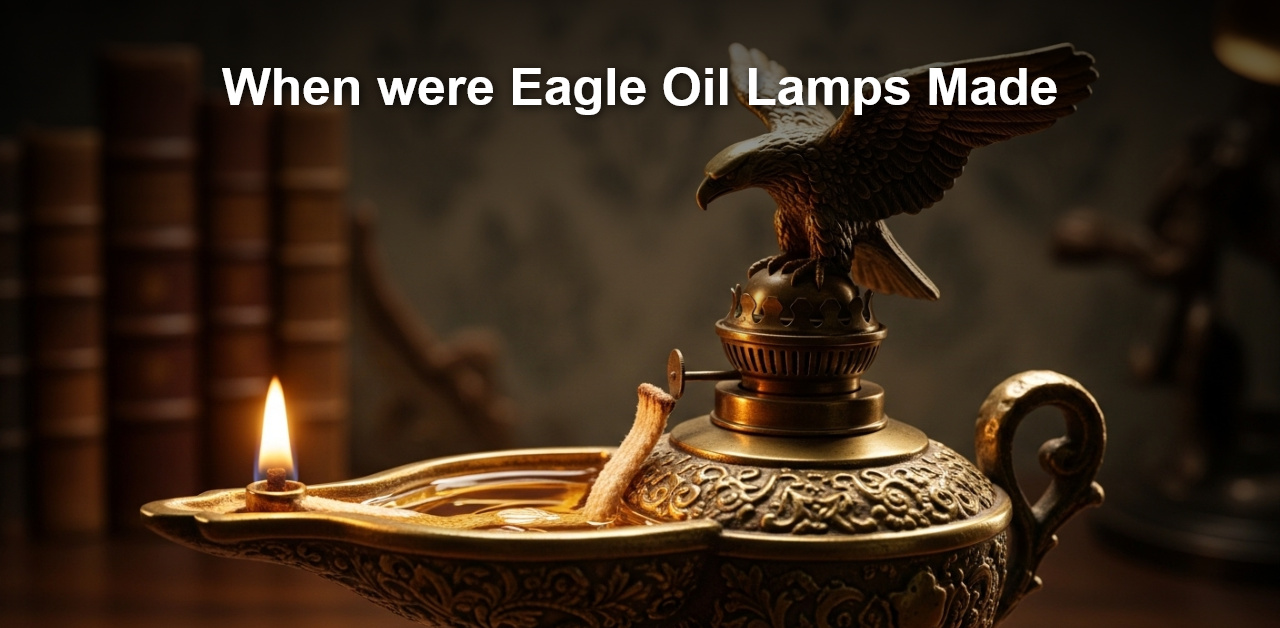
Eagle oil lamps were made in the late 19th and early 20th centuries. The production of Eagle oil lamps dates back to the late 19th and early 20th centuries, when these lamps were manufactured.
With their exquisite craftsmanship and practical functionality, these lamps quickly gained popularity as a lighting solution during that time period. Eagle oil lamps were known for their durable design and were commonly used in households, businesses, and even on streets.
These lamps featured a reservoir to hold oil, a wick to provide a flame, and a chimney to control the flow of air and prevent the flame from extinguishing. Today, these antique oil lamps serve as valuable collectibles and remind us of a bygone era.
History Of Eagle Oil Lamps
When it comes to the world of antique lamps, Eagle Oil Lamps hold a significant place. These lamps have a rich history that dates back to the early 19th century. Their exquisite design, impressive functionality, and undeniable charm continue to captivate collectors and enthusiasts.
Early Origins
The origins of Eagle Oil Lamps can be traced back to the early 1800s, when oil lamps were becoming increasingly popular as a light source in homes and businesses. The development of oil lamps can be credited to the rising demand for a cleaner and more efficient alternative to candles.
It was during this time that the Eagle Manufacturing Company, established in the year 1827, began producing oil lamps. Based in the United States, Eagle became renowned for its superior craftsmanship and attention to detail. The company quickly gained recognition for its high-quality lighting solutions, including their iconic Eagle Oil Lamps.
Production And Popularity
Eagle Oil Lamps soon became a popular choice among consumers, both for their functionality and aesthetic appeal. The lamps were crafted with precision, featuring elegant designs, intricate patterns, and often adorned with decorative elements such as handles, etchings, and glass shades.
The production of these lamps flourished throughout the 19th century, with Eagle Manufacturing Company continuously innovating and improving their designs. They introduced various styles, including stand lamps, table lamps, wall lamps, and more, catering to diverse customer preferences.
Eagle Oil Lamps quickly gained popularity not only in the United States but also in Europe and other parts of the world. Their reputation expanded, making them a highly sought-after collector’s item and a staple in many antique lamp collections.
To understand the timeline and key milestones in the history of Eagle Oil Lamps, refer to the table below:
| Year | Event |
|---|---|
| 1827 | Eagle Manufacturing Company is established |
| 19th Century | Production of Eagle Oil Lamps flourishes, introducing various styles and designs |
| 19th Century | Eagle Oil Lamps gain popularity worldwide |
Today, Eagle Oil Lamps continue to be cherished not just as functional lighting sources but also as timeless works of art. They remind us of a bygone era, where craftsmanship and attention to detail were held in high regard. Owning an Eagle Oil Lamp is not only an appreciation of history but also a testament to the enduring beauty of these remarkable pieces.
Credit: issuu.com
Characteristics Of Eagle Oil Lamps
Eagle Oil Lamps, known for their exquisite craftsmanship, were made during the 19th and 20th centuries. These vintage lamps feature unique designs and high-quality materials, making them prized collectibles for enthusiasts.
Design And Construction
When it comes to the design and construction of Eagle oil lamps, they are known for their exquisite craftsmanship and attention to detail. These lamps were made during the late 19th and early 20th centuries, and their design reflects the artistic influences of the time. Eagle oil lamps feature a unique blend of traditional and contemporary styles, making them a timeless addition to any decor.
Materials Used
Eagle oil lamps were meticulously constructed using high-quality materials to ensure durability and functionality. The lamp bases were typically made of solid brass or other metals, providing a sturdy foundation. The glass shades and chimneys were crafted from clear or colored glass, intricately etched or embossed with decorative patterns. This combination of metal and glass not only enhanced the lamp’s aesthetic appeal but also allowed for the safe burning of oil.
In addition to the brass and glass components, Eagle oil lamps often featured delicate ornamentation such as floral motifs, scrollwork, and geometric patterns. These embellishments were meticulously handcrafted, showcasing the skill and artistry of the lampmakers.
To summarize, Eagle oil lamps are characterized by their timeless design and impeccable construction. Their unique blend of traditional and contemporary styles, along with the use of high-quality materials, sets them apart from other oil lamps of their time.
Whether displayed as a focal point in a room or used to provide a warm and inviting glow, Eagle oil lamps are a testament to the craftsmanship and ingenuity of the past.
Identifying Authentic Eagle Oil Lamps
Eagle oil lamps have long been cherished as collector’s items for their historical value and exquisite craftsmanship. But with the rise of reproductions flooding the market, it can be challenging to differentiate between authentic Eagle oil lamps and cheap imitations. In this article, we will explore the key indicators of genuine Eagle oil lamps, from the hallmarks and maker’s marks to common reproductions to be wary of.
Hallmarks And Maker’s Marks
One way to determine the authenticity of an Eagle oil lamp is by examining the hallmarks or maker’s marks. These marks provide valuable information about the lamp’s origin, date of production, and the maker responsible for its creation.
Authentic Eagle oil lamps often feature hallmarks or stamps on the base or collar of the lamp. These marks may include the name or initials of the manufacturer, the company logo, or symbols specific to the era or region. By closely observing and researching these hallmarks, collectors can gain insights into the lamp’s history and provenance.
| Symbol | Description |
|---|---|
| I.E. Baldwins & Co. | American company known for manufacturing high-quality Eagle oil lamps in the late 19th century. |
| Patent Date | Many authentic Eagle lamps feature a patent date stamped on the base, indicating the date of invention or design registration. |
| Company Logo | Eagle oil lamps produced by specific companies might feature a logo or emblem that can be cross-referenced to determine authenticity. |
Common Reproductions
As with any highly sought-after collectible, the market is flooded with reproductions that attempt to mimic the allure of genuine Eagle oil lamps. To avoid being deceived by these imitations, it’s important to be aware of common reproductions and their telltale signs.
- Mass-Produced Replicas: One common type of reproduction is mass-produced replicas that lack the fine details and quality craftsmanship of authentic Eagle oil lamps. These reproductions are often made using low-cost materials and mass-production techniques, resulting in a diminished value and aesthetic appeal.
- Reproduction Hallmarks: Some replicas may bear hallmarks that closely resemble those found on genuine Eagle oil lamps. However, upon closer inspection, you may notice slight differences in font style, size, or alignment. Conducting thorough research and comparing hallmarks with known authentic examples can help identify these reproductions.
- Inconsistent Materials: Authentic Eagle oil lamps are typically crafted from high-quality materials such as brass, bronze, or glass. Reproductions, on the other hand, may utilize cheaper materials like zinc alloy or plastic, which can be identified by their weight, texture, or overall feel.
- Poor Craftsmanship: The attention to detail and precision in the manufacturing process is a hallmark of authentic Eagle oil lamps. Reproductions often lack the same level of craftsmanship, with visible flaws or inconsistencies in the engravings, moldings, or overall finish of the lamp.
Valuing And Collecting Eagle Oil Lamps
Eagle Oil Lamps have long been cherished as beautiful and functional pieces of history. These lamps, which were produced between the late 19th and early 20th centuries, were not only used for lighting, but also served as decorative pieces that added an elegant touch to any space.
Today, Eagle Oil Lamps are highly sought after by collectors who appreciate their craftsmanship and historical significance.
If you are interested in valuing and collecting these unique lamps, read on to discover the factors that can affect their value and some helpful tips for building your collection.
Factors Affecting Value
Several factors contribute to the value of Eagle Oil Lamps. Being aware of these factors can help you determine the worth of a lamp and make informed decisions when buying or selling.
1. Age and Rarity
The age and rarity of an Eagle Oil Lamp play a significant role in determining its value. Older lamps that were produced in limited quantities are generally more valuable. Additionally, lamps that feature unique designs or variations from the standard models are considered rarer and therefore more sought after by collectors.
2. Condition
The condition of an Eagle Oil Lamp is another crucial factor in evaluating its worth. Lamps that are in excellent condition, with minimal or no damage, retain more value than those with visible wear, such as chips, cracks, or significant discoloration. It is important to carefully inspect a lamp before adding it to your collection to ensure its overall condition meets your standards.
3. Design and Style
The design and style of an Eagle Oil Lamp can greatly influence its value. Some designs are considered more desirable and may fetch higher prices in the market. The complexity of the design, the intricacy of the details, and the overall aesthetic appeal can all contribute to the perceived value of a lamp.
4. Manufacturer and Markings
Identifying the manufacturer and any unique markings on an Eagle Oil Lamp is essential for determining its value. Some manufacturers were known for producing high-quality lamps with exceptional craftsmanship, and lamps bearing their marks may be more valuable. Researching the history of different manufacturers can provide valuable insights into the origins and value of specific lamps.
Tips For Collectors
If you are passionate about collecting Eagle Oil Lamps, these tips can help you expand and enhance your collection:
1. Research and Educate Yourself
Take the time to research and educate yourself about Eagle Oil Lamps. Familiarize yourself with different styles, designs, and manufacturers. This knowledge will empower you to make informed decisions when acquiring new lamps and help you spot potential treasures at auctions, antique shops, or online marketplaces.
2. Join Collectors’ Communities
Connecting with fellow collectors can provide you with valuable insights and guidance. Join online forums or social media groups dedicated to lamp collecting to share experiences, seek advice, and potentially find opportunities to acquire unique lamps through private sales or exchanges.
3. Attend Trade Shows and Exhibitions
Trade shows and exhibitions focused on antique lamps are teeming with collectors, experts, and vendors. Attending these events allows you to immerse yourself in the world of Eagle Oil Lamps, establish connections, and discover new lamps for your collection. Keep an eye out for any upcoming events in your area or consider traveling to prestigious lamp shows.
4. Preserve and Display Your Collection
Properly preserving and displaying your Eagle Oil Lamp collection ensures its longevity and increases its aesthetic appeal. Clean your lamps regularly using non-abrasive methods and handle them with care. Consider investing in display cases or shelves that provide protection from dust and direct sunlight while allowing your lamps to be admired by visitors.
In conclusion, valuing and collecting Eagle Oil Lamps can be a rewarding and fascinating pursuit. By understanding the factors affecting their value and following these tips for collectors, you can build a remarkable collection that showcases the beauty and historical significance of these captivating lamps.
Credit: www.chinadaily.com.cn
Frequently Asked Questions For When Were Eagle Oil Lamps Made
How Old Are Eagle Oil Lamps?
Eagle oil lamps were first made in the late 19th century, around the 1870s.
What Materials Were Used To Make Eagle Oil Lamps?
Eagle oil lamps were typically made from brass, with glass chimneys and burners for the oil.
What Are The Different Styles Of Eagle Oil Lamps?
Eagle oil lamps come in various styles, including table lamps, hanging lamps, and wall-mounted lamps.
Are Eagle Oil Lamps Still Being Made Today?
No, production of Eagle oil lamps ceased in the early 20th century. However, antique lamps are still available for purchase.
Conclusion
Overall, it can be concluded that Eagle Oil Lamps have a rich history dating back to the 19th century. These beautifully crafted lamps were available in various styles and materials, adding a touch of elegance to any space. The popularity of Eagle Oil Lamps has endured over the years, with collectors and enthusiasts still appreciating their timeless beauty.
Whether you are a collector or simply admire vintage decor, owning an Eagle Oil Lamp is a true testament to the enduring appeal of these iconic pieces.

I’m Emily Johnson, an affiliate marketer and blogger focused on lamps and lighting. I share honest reviews, simple buying guides, and practical tips. My goal is to help readers choose the right lamp for their space, style, and budget with confidence.