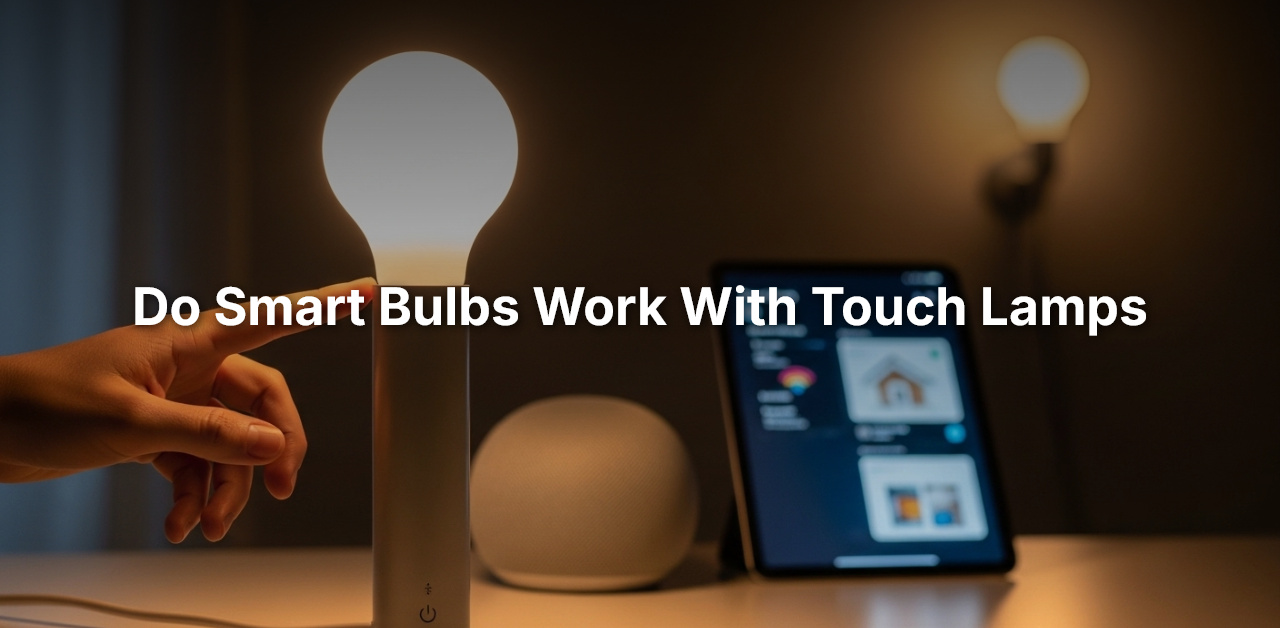
Smart bulbs do not work with touch lamps, unless you have one specifically designed for voice control.
Smart bulbs can upgrade your home lighting, but many people wonder whether they work properly with touch lamps. Since touch lamps rely on changes in electrical current to switch settings, adding a smart bulb can sometimes cause flickering, unresponsiveness, or constant power cycling.
However, compatibility depends on the type of smart bulb and the lamp’s internal circuitry. Understanding how each device functions can help you avoid issues and choose the right setup for seamless smart lighting control.
Understanding Smart Bulbs And Touch Lamps
Smart bulbs do not typically work with touch lamps, as they have different technologies and mechanisms. However, if you specifically look for smart bulbs designed for voice control, they may be compatible.
The Basics Of Smart Bulb Technology
Smart bulbs are a revolutionary innovation in lighting technology that allow users to control their lighting remotely using a smartphone or a smart home device. These bulbs can be connected to a Wi-Fi network, enabling users to adjust the brightness, color, and even schedule the lighting according to their preferences. They offer a convenient and customizable solution to traditional lighting, making them popular options for modern homes.
Overview Of Touch Lamp Mechanisms
Touch lamps, on the other hand, are lamps that have a touch-sensitive base or body, providing an alternative method for controlling the lamp’s brightness. By simply touching the lamp, users can turn it on or off, as well as adjust the brightness level with multiple touch levels, typically three stages. Touch lamps are popular due to their ease of use and sleek design.
Now, the question arises: do smart bulbs work with touch lamps?
Unfortunately, these two technologies are not inherently compatible with each other. While smart bulbs offer advanced lighting control features, they do not have built-in touch capabilities like touch lamps. This means that if a smart bulb is installed in a touch lamp, the touch functionality of the lamp will no longer work as intended. When the lamp is touched, it may turn off the lamp entirely, disrupting the smart bulb’s functionality.
However, it is worth mentioning that there are some smart bulbs available in the market that are specifically designed to be compatible with touch lamps and offer voice control capabilities. These bulbs are equipped with additional technology that enables them to respond to voice commands, making them suitable for use with touch lamps without compromising their smart features.
In conclusion, when considering the compatibility between smart bulbs and touch lamps, it is important to select the right combination of products to ensure they work seamlessly together. If you are interested in incorporating smart lighting into your touch lamp setup, be sure to look for smart bulbs explicitly designed for compatibility with touch lamps or consider alternative smart lighting solutions such as smart plugs or smart switches that can be used in conjunction with touch lamps to achieve the desired automation.
‘do Smart Bulbs Work With Touch Lamps?’
Many people wonder if it is possible to use smart bulbs with touch lamps. The answer to this question is not a simple yes or no. There are certain aspects to consider when it comes to the compatibility between smart bulbs and touch lamps.
The Direct Compatibility Between Smart Bulbs And Touch Lamps
By default, smart bulbs are not designed to directly work with touch lamps. The reason for this is that touch lamps have their own mechanisms for controlling the brightness and turning the lamp on and off. When a touch lamp is touched, it can interfere with the functionality of a smart bulb.
Mechanisms Affecting Smart Bulb Functionality In Touch Lamps
For a smart bulb to work seamlessly with a touch lamp, there are certain mechanisms that need to be taken into consideration. One important factor is the type of touch lamp you have. There are touch lamps with mechanical switches and there are those with electronic touch controls.
If your touch lamp has a mechanical switch, it is more likely to work with any type of smart bulb, be it CFL or LED. The mechanical switch does not interfere with the power supply to the smart bulb, allowing it to function properly.
On the other hand, if your touch lamp has electronic touch controls, the situation becomes a bit more complicated. These touch controls work by sensing the conductivity of your skin and typically use low levels of power. When the lamp is touched, the power supply to the smart bulb may momentarily be disrupted, leading to the bulb turning off or not responding to commands.
In order to overcome this issue, you may need to modify your touch lamp or use a specific type of smart bulb that is designed to work with touch lamps. Some smart bulbs have been specifically engineered to work with touch lamps, ensuring their functionality is not affected when the lamp is touched. These bulbs come with additional circuitry that prevents any disruptions in power supply, allowing them to work seamlessly with touch lamp controls.
In conclusion, while smart bulbs can work with touch lamps, it is important to consider the mechanisms at play and choose the right combination of bulb and lamp to ensure compatibility. If you have a touch lamp with electronic touch controls, you may need to look for smart bulbs that are specifically designed to work with such lamps. Taking these factors into consideration will ensure that your smart bulb and touch lamp can coexist harmoniously, providing you with the convenience and functionality you desire.
Delving Into Touch Lamp Mechanisms
Touch lamps have become increasingly popular due to their convenience and modern design. But how exactly do they control lighting? Let’s explore the mechanisms behind touch lamps and their compatibility with smart bulbs.
How Touch Lamps Control Lighting
Touch lamps utilize a unique circuitry system that allows users to control the lighting with a simple touch. These lamps are equipped with a metal base or frame that acts as a touch-sensitive switch. When you touch the lamp, the circuit is completed, and the light turns on or changes its brightness level.
This touch-sensitive mechanism eliminates the need for traditional switches or knobs, providing a sleek and effortless way to control your lighting. Whether you want to turn the lamp on, off, or adjust the brightness, a touch lamp offers a user-friendly experience.
Effects Of Touch Lamp Circuitry On Bulb Types
While touch lamps work seamlessly with incandescent bulbs, their compatibility with smart bulbs may vary. Smart bulbs, such as Philips Hue or other brands, require a constant power supply to maintain their connectivity and functionality.
In the case of touch lamps, the circuitry may disrupt the power supply to the smart bulb when the lamp is touched or switched off. This can lead to inconsistent performance or even a complete loss of control over the smart bulb.
It’s important to note that some touch lamps may have a mechanical switch mechanism, which enables compatibility with CFL or LED bulbs. However, it’s best to consult the lamp’s manufacturer or read the product specifications to ensure compatibility with smart bulbs.
If you’re determined to use a smart bulb with a touch lamp, it may require some modification. Consult a professional or follow online guides that explain how to modify the touch lamp’s circuitry to work harmoniously with smart bulbs.
In conclusion, while touch lamps offer a convenient and stylish way to control lighting, their compatibility with smart bulbs may be limited. If you’re considering integrating smart lighting into your home, it’s advisable to opt for lamps or fixtures specifically designed for use with smart bulbs to ensure seamless performance.
Credit: www.nytimes.com
Smart Bulb Features And Limitations
Smart bulbs do not work with touch lamps unless you get one specifically designed for voice control. Touch lamps already control brightness, making smart bulbs an unnecessary expense. However, with some modification, it is possible to put a smart bulb in a touch lamp.
Smart bulbs have become increasingly popular in modern homes due to their convenience and energy-saving capabilities. These innovative bulbs can be controlled remotely using a smartphone or voice assistant, allowing users to adjust the brightness, color, and even set schedules for automatic lighting.
Typical Features Of Smart Bulbs
Smart bulbs come with a range of features that enhance the lighting experience and make it more convenient for users. Some of the typical features of smart bulbs include:
- Remote control: Smart bulbs can be controlled remotely using a smartphone or tablet, eliminating the need for physical switches.
- Voice control: Many smart bulbs are compatible with popular voice assistants such as Amazon Alexa or Google Assistant, allowing users to control the lights using simple voice commands.
- Color options: Some smart bulbs offer a wide range of color options, allowing users to customize the lighting according to their mood or preference.
- Dimming capabilities: Smart bulbs often come with built-in dimming capabilities, allowing users to adjust the brightness level of the lights to create the perfect ambiance.
- Scheduling: With the help of a dedicated app, users can schedule their smart bulbs to turn on or off at specific times. This feature is useful for creating an illusion of occupancy when away from home or for simulating sunrise and sunset.
Limitations When Used With Certain Lamps
While smart bulbs offer a plethora of advanced features, they may have limitations when used with certain types of lamps, particularly touch lamps. One of the primary concerns is that smart bulbs may not work properly with the touch-sensitive controls of these lamps.
Typically, touch lamps have multiple brightness levels that are controlled by touch-sensitive switches. When a touch lamp is connected to a smart bulb, the functionality of the touch controls may be compromised. Instead of adjusting the brightness level, touching the lamp may unintentionally turn it on or off without affecting the smart bulb.
It’s important to note that some touch lamps may work fine with smart bulbs, especially if they have a mechanical switch. However, it’s best to check the compatibility of your specific touch lamp and smart bulb combination before making a purchase.
In conclusion, while smart bulbs offer a variety of useful features for controlling lighting, their compatibility with touch lamps can be limited. It’s recommended to consider alternative options, such as smart plugs or outlets, for controlling the power supply to touch lamps while still enjoying the benefits of smart home automation.
Ensuring Compatibility and Control
When pairing smart bulbs with touch lamps, the two biggest considerations are compatibility and control. Smart bulbs offer remote access and automation, while touch lamps rely on physical taps to change brightness—meaning not every combination will work smoothly.
Steps to Make Smart Bulbs Work With Touch Lamps
If you’re set on upgrading your touch lamp with a smart bulb, follow these steps to improve compatibility:
1. Check the lamp’s compatibility:
Touch lamps aren’t universally designed for smart bulbs. Review the lamp’s specifications or contact the manufacturer to confirm whether it supports smart lighting.
2. Verify the bulb’s compatibility:
Smart bulbs vary by brand and technology. Ensure the bulb you choose matches the lamp’s electrical needs—especially if the lamp is dimmable, as some smart bulbs don’t function properly with touch-based dimming.
3. Consider a smart plug:
If the bulb and lamp don’t work well together, plug the lamp into a smart plug. This lets you control power remotely through an app or voice assistant—without modifying the lamp.
4. Install a compatible smart switch:
You can also replace the lamp’s touch-control mechanism with a smart switch. This gives you app or voice control over power and brightness while bypassing the touch feature altogether.
Alternative Solutions for Smart Home Integration
If direct compatibility is still an issue, try these alternatives:
Use a smart hub or bridge:
Some setups require a hub to help your lamp communicate with your smart bulb or other devices.
Try smart LED strips:
Instead of swapping bulbs, attach smart LED strips behind or beneath the lamp for customizable lighting effects that won’t interfere with the lamp’s internal wiring.
Consult a professional:
If you’re unsure about electrical modifications, a qualified electrician or technician can provide guidance and recommend a safe, reliable solution.
By exploring these steps and alternatives, you can find the best way to maintain both compatibility and convenient control when integrating smart bulbs with touch lamps.
Frequently Asked Questions For Do Smart Bulbs Work With Touch Lamps
Do Smart Plugs Work With Touch Lamps?
Yes, smart plugs work with touch lamps as long as the power state of the lamp remains the same when unplugged and re-plugged. Use any bulb that is dimmable or has an LED equivalent for touch-sensitive, dimmable touch lamps.
What Bulbs Can You Use In Touch Lamps?
For touch lamps, you can use any type of bulb including CFL, LED, or incandescent. However, if you have a touch-sensitive lamp that is dimmable, make sure to use a dimmable bulb or an LED equivalent. This will ensure compatibility and optimal functionality.
Do Smart Bulbs Work With Any Lamp?
Yes, smart bulbs can work with touch lamps, but it may require some modification. Please note that touch-sensitive lamps that are dimmable require a dimmable bulb or LED equivalent.
What Are The Disadvantages Of Smart Light Bulbs?
Smart light bulbs have a few disadvantages. They may not work with touch lamps, unless specifically designed for voice control. Smart bulbs also require constant power, even when off, which can be inconvenient. Additionally, they may not be compatible with all devices and may not work with built-in dimmer circuitry.
Consider these factors before investing in smart light bulbs.
Conclusion
Smart bulbs do not work with touch lamps unless they are specifically designed for voice control. While it may be possible to modify a touch lamp to control a smart bulb, it is generally unnecessary since touch lamps already have built-in brightness controls.
It’s important to consider the compatibility between smart bulbs and touch lamps before making a purchase to avoid any disappointment.

I’m Emily Johnson, an affiliate marketer and blogger focused on lamps and lighting. I share honest reviews, simple buying guides, and practical tips. My goal is to help readers choose the right lamp for their space, style, and budget with confidence.