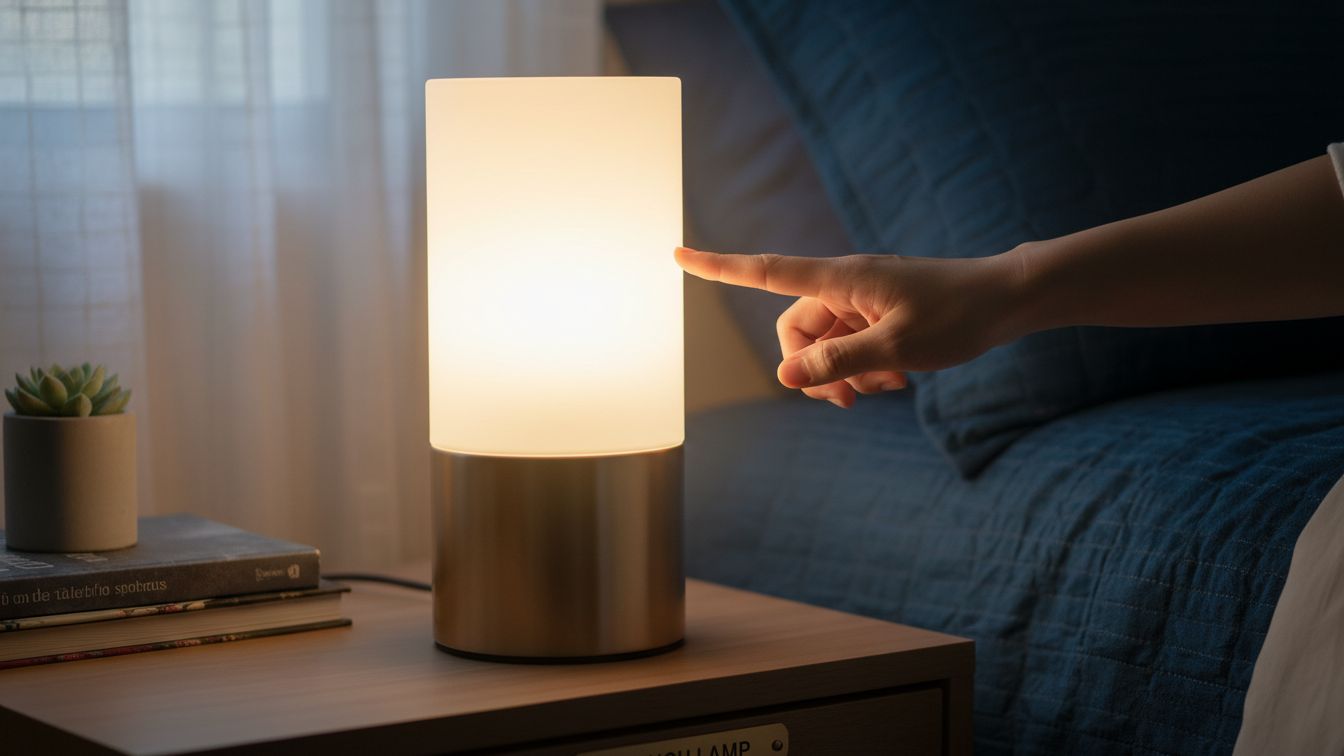
A touch lamp is a type of lamp that is activated by touch rather than a mechanical switch. It combines a lamp with a touch-sensitive switch, which is activated by the principle of body capacitance.
When a person touches the lamp, their body acts as a conductor and creates a small current that flows through the conductive layer in the lamp, triggering the switch. Touch lamps are popular for use on desks and nightstands and offer a convenient way to control the lighting with just a touch.
They are often dimmable and have multiple settings for adjusting the brightness levels.
Exploring Touch Lamps
A touch lamp is a lamp that can be activated by simply touching it, rather than flipping a switch. These lamps use touch-sensitive switches that are activated by human touch, making them convenient and easy to use. They are popular as desk and nightstand lamps.
Understanding Their Modern Appeal
Touch lamps have gained popularity in the modern era due to their sleek and convenient design. These lamps combine the functionality of a regular lamp with a touch switch, eliminating the need for traditional flip switches or push-buttons. The appeal of touch lamps lies in their simplicity and ease of use, making them a popular choice for both desk and nightstand lighting.
Basic Principles Of Operation
The basic principles behind the operation of touch lamps revolve around capacitance and human touch. Instead of relying on mechanical switches, touch-sensitive lamps utilize the principle of body capacitance. When a person touches the lamp’s surface, their body acts as a conductor and creates a small current that flows through their finger and into the lamp. This change in capacitance is detected by the lamp, which then switches on or off accordingly.
Capacitors, which are components that store varying amounts of charge, are used in touch lamps to tune circuits and regulate voltage fluctuations. The lamp’s surface acts as a capacitor, and when it detects a change in capacitance caused by human touch, it triggers the switching mechanism.
Most touch lamps are also equipped with dimming functionality, offering different lighting levels for various settings. They typically have four settings: off, low, medium, and high, allowing users to adjust the lighting in their bedroom or workspace to their desired level.
Despite their appeal, touch lamps are not as common as they once were. This is due to compatibility issues with trailing edge devices. However, they remain a popular option for those seeking a user-friendly and stylish lighting solution.
The Mechanics Behind Touch Lamps
A touch lamp, also known as a touch-sensitive lamp, is a unique combination of a lamp and a touch switch. Unlike traditional lamps that rely on mechanical switches such as flips or buttons, touch lamps are activated by human touch. The mechanics behind touch lamps are based on the principle of body capacitance, making them an ideal choice for desk lamps and nightstands.
Let’s explore the components involved in touch activation and understand how capacitance and human interaction play a crucial role in their functionality.
Components Involved In Touch Activation
Touch lamps consist of several key components that work together to enable touch activation:
- Conductive layer: The surface of the lamp is coated with a conductive material such as metal or a special coating that allows electrical conduction.
- Capacitive touch sensor: A touch sensor is integrated into the lamp, capable of detecting changes in capacitance when a person touches the lamp’s surface.
- Control circuit: The control circuit processes the signals from the touch sensor and controls the lamp’s functionality, such as turning it on or off and adjusting brightness levels.
- Light source: The light source, usually an LED or an incandescent bulb, provides illumination when the lamp is activated.
Capacitance And Human Interaction
Capacitance plays a vital role in touch lamps, allowing them to detect and respond to human touch. This is the ability of an object to store an electric charge. When a person touches the conductive layer of a touch lamp, their body acts as a conductor, causing a small current to flow from the conductive layer through their finger. This contact alters the capacitance of the lamp, which is detected by the touch sensor in the control circuit.
The touch sensor continuously monitors the capacitance changes on the lamp’s surface. When it detects a significant change, it triggers the control circuit to turn the lamp on or off, or adjust the brightness levels according to the programmed settings. This mechanism allows users to easily control the lamp’s functionality with a simple touch.
History And Evolution
Touch lamps have become a popular choice for both practical and decorative lighting in contemporary design. These lamps operate on the principle of body capacitance, utilizing touch-sensitive technology to switch the light on or off. In this section, we will explore the history and evolution of touch lamps.
Origins Of Touch-sensitive Technology
The concept of touch-sensitive technology dates back many years. One of the earliest applications of this technology can be traced back to the development of touch-sensitive switches. These switches functioned by detecting temperature, resistance, and radio reception. Over time, the idea of incorporating touch-sensitivity into lamps began to gain popularity.
Touch Lamps In Contemporary Design
In modern times, touch lamps have become an integral part of contemporary interior design. These lamps are not only functional but also add an elegant touch to any space. Most touch lamps feature a dimmable function with multiple settings, allowing users to adjust the lighting levels according to their preferences.
The working principle of touch lamps is based on capacitance. Capacitors store varying amounts of charge and are commonly used in circuits to regulate voltage or tune radio receivers. Similarly, when we touch a touch lamp, we alter its capacitance, and the lamp detects this change, enabling it to switch on or off accordingly.

Credit: www.ledsupply.com
Varieties And Features
Touch lamps are a modern and convenient option for lighting up your living spaces. These lamps combine functionality and style, creating a seamless user experience with just a touch. In this article, we will explore the different types of touch lamps available and the extra functionalities they offer beyond the basic on/off switch.
Types Of Touch Lamps Available
There are various types of touch lamps available in the market, catering to different needs and preferences. Here are some popular varieties:
- Bedside touch lamps: These lamps are specifically designed for bedside tables, providing a soft and gentle light for nighttime reading or creating a cozy ambiance in your bedroom. They often come in compact sizes and sleek designs, making them perfect for limited spaces.
- Desk touch lamps: Perfect for your home office or study area, desk touch lamps offer convenient lighting solutions for your workspace. These lamps usually feature adjustable brightness levels and flexible necks, allowing you to position the light exactly where you need it.
- Floor touch lamps: If you’re looking to add a touch of elegance and sophistication to your living room or lounge, floor touch lamps are the way to go. These lamps come in various styles, ranging from minimalist designs to ornate and decorative pieces. They provide both functional lighting and serve as stunning decorative elements in your space.
- Table touch lamps: Table touch lamps are versatile lighting options that can be placed on any table surface, whether it’s your coffee table, side table, or console table. These lamps come in a wide range of sizes, shapes, and materials, allowing you to find the perfect match for your interior decor.
Extra Functionalities Beyond On/off
Touch lamps offer more than just the basic on/off functionality. Here are some additional features you can find in modern touch lamps:
- Dimming options: Many touch lamps come with dimming capabilities, allowing you to adjust the brightness according to your preference. This feature is particularly useful for creating the desired ambiance in different settings.
- Color temperature control: Some touch lamps offer adjustable color temperature settings, allowing you to switch between warm, cool, and neutral lighting tones. This feature is perfect for creating the right mood in your living spaces or adjusting the lighting to your specific activities.
- USB charging ports: As technology becomes an essential part of our daily lives, touch lamps with built-in USB charging ports have gained popularity. These lamps provide a convenient charging solution for your smartphones, tablets, or other electronic devices, eliminating the need for extra adapters or cluttered cables.
- Wireless connectivity: In the era of smart homes, touch lamps equipped with wireless connectivity features have become increasingly common. These lamps can be controlled remotely through smartphone apps or integrated into existing smart home systems, allowing you to adjust the lighting settings with ease.
With the variety of touch lamps available, you can find the perfect one to suit your needs and style. Whether you’re looking for a sleek and modern bedside lamp or an elegant floor lamp to become the centerpiece of your living room, touch lamps offer both functionality and aesthetic appeal.
Usage And Versatility
A touch lamp is a versatile lighting option that adds convenience and style to any space. With its unique touch-sensitive technology, it offers a seamless and intuitive way to control the light with just a simple touch. Whether you need a bedside lamp for nighttime reading, a desk lamp for focused work, or an accent lamp to enhance your home decor, a touch lamp serves as a practical and versatile lighting solution.
Placement In Home Design
One of the key advantages of a touch lamp is its flexibility in terms of placement within your home design. Due to its sleek and compact design, a touch lamp can easily fit into tight spaces, making it ideal for smaller rooms or apartments. Its portability allows you to move it around effortlessly, enabling you to experiment with different lighting arrangements and changing the ambiance of any room.
Here are a few strategic placements where touch lamps can perfectly complement your home design:
| Placement | Benefits |
|---|---|
| Bedside tables | – Easy accessibility for turning the light on and off during the night – Creates a cozy and relaxing atmosphere for reading before bed |
| Home offices | – Provides adjustable lighting for focused work and tasks – Saves desk space with its compact design |
| Living rooms | – Adds a touch of sophistication and modernity to the decor – Offers convenient lighting control for movie nights or gatherings |
| Nurseries or children’s rooms | – Safe and easy-to-use for kids – Eliminates the need for reaching for traditional switches |
Benefits For Different User Groups
A touch lamp caters to the needs and preferences of various user groups, making it a versatile lighting option for everyone.
- Elderly individuals: With its simple touch operation, touch lamps eliminate the need for complicated switches or knobs, providing a user-friendly experience for elderly individuals who may have difficulty with traditional lighting controls.
- Children: Touch lamps are safe and easy-to-use for children, as they eliminate the risk of a child accidentally toggling a switch or getting their fingers caught in mechanical buttons. Additionally, touch lamps come in a variety of playful designs and colors, making them appealing to children.
- Individuals with disabilities: The touch-sensitive technology of these lamps offers a convenient lighting solution for individuals with disabilities, allowing them to easily control the light with a simple touch, without the need for complex movements or maneuvers.
- Busy professionals: For those who lead a hectic lifestyle, touch lamps provide a quick and efficient way to adjust the lighting without searching for a switch or getting up from their work or leisure activities.
Overall, touch lamps are designed to cater to different user groups, ensuring maximum usability and convenience for everyone.
What is a Touch Lamp? Your Ultimate Guide!
Modern homes are all about innovation, convenience, and style. And when it comes to lighting, touch lamps are the epitome of these qualities. Gone are the days of fumbling for switches or buttons – with a touch lamp, all it takes is a gentle touch to bring light into your space. But what exactly is a touch lamp, and why are they becoming increasingly popular in modern homes? Let’s dive into the details and explore the ultimate guide to touch lamps!
Integration With Smart Home Systems
In the age of smart homes, where everything seems to be interconnected, it’s only natural that touch lamps integrate seamlessly with these systems. These lamps can be easily paired with smart home hubs and voice-controlled assistants like Amazon Alexa or Google Home, allowing you to control your lighting with simple voice commands.
Imagine saying, “Hey Alexa, turn on the touch lamp” and watching it illuminate your room as if by magic. With this level of integration, touch lamps not only provide convenience but also enhance the overall functionality of your smart home.
Fashion And Function Together
Aside from their technological integration, touch lamps excel in the fashion and functionality departments. These lamps come in a wide range of styles, from sleek and modern designs to elegant vintage pieces. Regardless of your interior design preferences, you can find a touch lamp that suits your taste and complements your home decor.
Furthermore, touch lamps offer multiple brightness levels, allowing you to adjust the lighting to suit your needs at any given moment. Whether you need a soft ambient glow for a cozy evening or a bright light for reading, touch lamps provide the versatility you require.
In conclusion, touch lamps have become a must-have in modern homes due to their seamless integration with smart home systems and the perfect blend of fashion and function they offer. With just a touch, you can effortlessly control the lighting in your home, creating the desired ambiance at any time. So why settle for traditional switches when you can enjoy the convenience and style of touch lamps in your modern living space?
Safety And Maintenance
A touch lamp is a combination of a lamp and a touch switch. Activated by human touch, these lamps use body capacitance rather than a mechanical switch to turn on and off. They are popular for desks and nightstands.
Ensuring Safe Operation
A touch lamp is a convenient and modern lighting solution that adds a touch of elegance to any room. However, as with any electrical appliance, it is essential to ensure safe operation to prevent any potential hazards. Here’s what you need to keep in mind to use your touch lamp safely:
- Always plug your touch lamp into a grounded outlet to avoid the risk of electric shock.
- Avoid using the touch lamp near water sources or damp areas to prevent any accidents.
- Regularly inspect the power cord for any signs of damage or fraying. If you notice any issues, it’s crucial to replace the cord immediately.
- Keep the touch lamp away from flammable materials, such as curtains or papers, to reduce the risk of fire.
- If you have children or pets in your household, make sure to keep the touch lamp out of their reach to prevent any accidents.
Cleaning And Bulb Replacement Tips
To keep your touch lamp in optimal condition and ensure its longevity, regular cleaning and bulb replacement are essential. Here are some tips to effectively clean and replace the bulb in your touch lamp:
- Before cleaning or replacing the bulb, make sure to disconnect the touch lamp from the power source to avoid any electrical accidents.
- To clean the touch lamp, use a soft, lint-free cloth slightly dampened with water or a mild cleaning solution. Gently wipe the surface of the lamp to remove dust and fingerprints.
- Do not use abrasive cleaners or solvents, as they can damage the surface of the touch lamp.
- When replacing the bulb, refer to the manufacturer’s instructions to ensure compatibility and safety.
- Before installing the new bulb, make sure it has the correct wattage to prevent overheating and potential damage to the touch lamp.
- Handle the bulb with care, using a cloth or tissue, to avoid any skin contact and to prevent oil from your fingers affecting the bulb’s lifespan.
- Once the new bulb is in place, reconnect the touch lamp to the power source and test its functionality.
Addressing Common Concerns
A touch lamp is a lamp that can be activated by simply touching it, rather than flipping a switch. It works based on capacitance, where the lamp detects changes in capacitance when touched and switches on or off accordingly. Touch lamps are popular as desk and nightstand lamps.
Durability And Longevity
One common concern that people have about touch lamps is their durability and longevity. After all, traditional lamps with mechanical switches are known to be more robust. However, touch lamps are designed with durability in mind.
The touch-sensitive switches used in these lamps are built to withstand frequent use without compromising their functionality. They are typically made from high-quality materials that can endure the wear and tear of everyday life. Additionally, touch lamps often come with a warranty that guarantees their long lifespan.
To ensure the longevity of your touch lamp, it is important to handle it with care. Avoid rough handling or dropping the lamp, as this can lead to damage. Regularly clean the lamp to prevent dust and grime from accumulating, which can affect its touch sensitivity.
Troubleshooting Common Issues
While touch lamps are generally reliable, like any electronic device, they may occasionally experience common issues. Here are some troubleshooting tips:
- Check the power source: Make sure the lamp is properly plugged into a working outlet. If it is battery-powered, ensure the batteries are correctly installed and have sufficient power.
- Inspect the touch-sensitive surface: Dust, dirt, or moisture on the touch-sensitive surface could interfere with its functionality. Use a soft, lint-free cloth to gently clean the surface.
- Reset the lamp: If the lamp is unresponsive, try unplugging it or removing the batteries for a few seconds, then reinserting them to reset the touch-sensitive switch.
- Avoid electrical interference: Other electronic devices or appliances in close proximity to the touch lamp may cause interference. Try moving the lamp to a different location to see if the issue persists.
- Consult the manufacturer: If troubleshooting steps do not resolve the issue, refer to the lamp’s user manual or contact the manufacturer for further assistance. They may provide specific instructions or offer repair services.
By addressing these common concerns and following troubleshooting steps, you can ensure that your touch lamp continues to provide convenient and reliable lighting for years to come.
Frequently Asked Questions For What Is A Touch Lamp
How Does Touch Lamp Works?
A touch lamp works by using the principle of capacitance. When you touch the lamp, your body acts as a conductor, creating a small current that flows through your finger and alters the lamp’s capacitance. The lamp detects this change and switches on or off accordingly.
What Are The Benefits Of Touch Lamps?
Touch lamps offer several benefits. They are convenient to use as they can be turned on or off with just a touch. They provide adjustable lighting levels with dimmable options. Additionally, touch lamps are safer as they do not require flipping switches.
They are also versatile, making them popular for desk and nightstand use.
Why Don T They Make Touch Lamps Anymore?
They don’t make touch lamps anymore because they may not work well with LED bulbs and most people prefer not to use incandescent bulbs. Touch lamps require a special circuitry that detects human touch, and with advancements in technology and changing consumer preferences, touch lamps have become less popular.
Do Touch Lamps Require A Special Bulb?
No, touch lamps do not require a special bulb. You can use any standard bulb for your touch lamp.
Conclusion
To summarize, a touch lamp is a unique combination of a lamp and a touch switch. By utilizing the principle of body capacitance, these lamps can be activated simply by touch, eliminating the need for traditional mechanical switches. They are popular choices for desks and nightstands due to their convenience and ease of use.
Touch lamps work by detecting the small current flow created when a conductor, such as our finger, touches the lamp’s surface. With the ability to adjust brightness levels, touch lamps offer customizable lighting options. Despite their popularity, touch lamps may not be compatible with certain devices such as LED bulbs.
However, they are still a fascinating and practical addition to any space.

I’m Emily Johnson, an affiliate marketer and blogger focused on lamps and lighting. I share honest reviews, simple buying guides, and practical tips. My goal is to help readers choose the right lamp for their space, style, and budget with confidence.