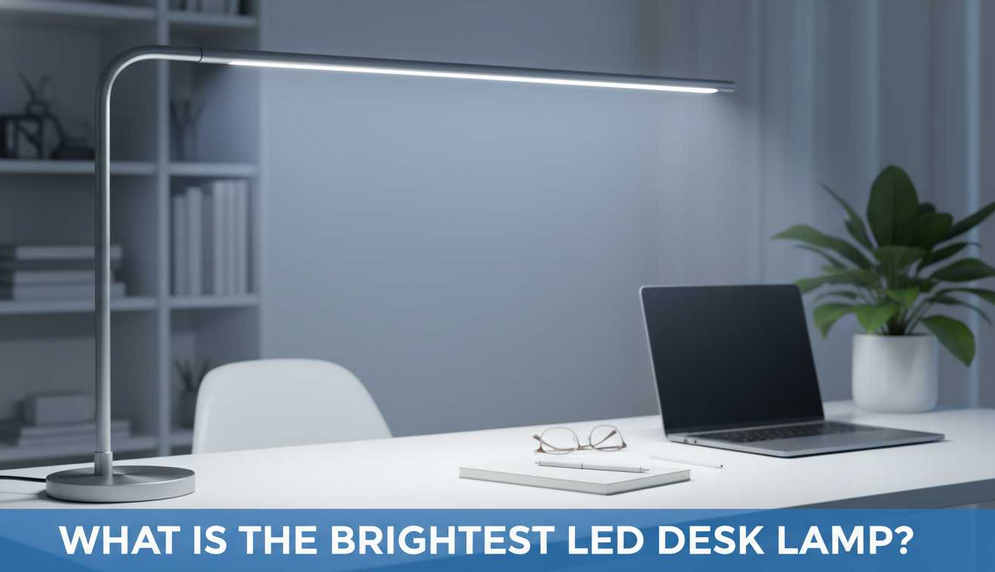
Finding the perfect light for your workspace is key. Many people ask, “What is the brightest LED desk lamp?” It’s a great question, because good lighting helps you see better, work smarter, and feel less tired. This guide will help you understand what makes a desk lamp bright and how to choose the best one for your needs.
A bright lamp can make a big difference. It helps you focus on tasks like reading, writing, or crafting. It also keeps your eyes from getting strained. Let’s explore how to find that ideal, super-bright light for your desk.
Understanding Brightness: Lumens and Lux
When we talk about brightness, we often think of how strong the light feels. But there are specific ways to measure it. Knowing these terms helps you pick the best lamp.
Lumens: How Much Light a Lamp Puts Out
Lumens measure the total amount of visible light a bulb produces. Think of it as the total light power coming from the lamp. The more lumens, the brighter the bulb itself is.
A standard 60-watt incandescent bulb is about 800 lumens. LED lamps are much more efficient. They can give you lots of lumens with less power.
> Key Takeaway: Lumens tell you how much light a lamp generates. More lumens usually means a brighter lamp.

Lux: How Bright the Light Is on Your Desk
Lux is different from lumens. It measures how much light actually lands on a surface. It’s about the brightness at a specific point, like your desk.
Imagine two lamps with the same lumens. If one lamp spreads its light over a large area, the lux on any one spot will be lower. If the other lamp focuses its light on a small area, the lux will be higher.
Lux is important for desk lamps. You want enough light *on your work area. * Good desk lamps often aim for 500 to 1000 lux on the desk surface.
Choosing a lamp with high lumens is a good start. But also think about how it directs light to your desk.
Why Brightness Matters for Your Eyes and Work
A well-lit workspace is not just a nice-to-have. It’s essential for your health and how well you perform tasks. Let’s look at why brightness is so important.
Reducing Eye Strain and Fatigue
Working in dim light forces your eyes to work harder. They strain to see details, which can lead to:
- Headaches
- Tired eyes
- Blurred vision
A bright, even light reduces this strain. Your eyes can relax more. This means you can work longer and more comfortably.
Improving Focus and Productivity
When your workspace is properly lit, you can see everything clearly. This helps you concentrate better on your tasks.
- Details are sharper.
- Colors are truer.
- Shadows are minimized.
This clarity can boost your productivity. You make fewer mistakes and feel more engaged with your work.
Supporting Different Tasks
Different tasks need different amounts of light.
- Reading: Needs clear, steady light.
- Crafting or detailed work: Requires very bright, focused light.
- Computer work: Needs enough light to reduce screen glare, but not too much that it washes out the screen.
A bright LED desk lamp can often be adjusted. This lets you change the brightness for whatever you’re doing.

What is the Brightest LED Desk Lamp for Your Needs?
The “brightest” lamp isn’t always the best lamp for everyone. It depends on what you need it for. Let’s consider different uses.
For Detailed Work and Hobbies
If you do tasks like drawing, model building, jewelry making, or intricate repairs, you need a very bright and focused light.
Look for lamps with high lumen output (1000+ lumens). Adjustable arms and heads are crucial. They let you direct the bright light exactly where you need it. Some lamps come with built-in magnifiers, which are great for tiny details.
For General Reading and Studying
For reading books, documents, or studying, you still need good brightness. But it doesn’t have to be as intense as for detailed hobbies.
A lamp with 500-800 lumens is often enough. Look for lamps with good light spread to cover your book or notes. Dimmable features are a plus. You can turn down the brightness when your eyes are tired or when you need less light.
For Computer Work
Using a lamp with a computer needs a bit more thought. Too much direct light can cause glare on your screen.
Choose a lamp that can direct light *away* from your screen but *onto your keyboard or documents. Lamps with adjustable color temperature are helpful. A warmer light (lower Kelvin) can be easier on the eyes in the evening. Look for “monitor light bars” that sit on top of your screen. They shine light down onto your desk without hitting the screen. These can provide excellent, targeted brightness.
> Expert Tip: The brightest lamp might be too much for everyday computer use if not positioned correctly. Balance is key.
Key Features of a Bright LED Desk Lamp
Beyond just lumens, many features make a bright LED desk lamp truly useful. These features help you control the light and make it perfect for your space.
Dimmability: Adjusting the Brightness
A truly bright lamp needs to be dimmable. This lets you:
Turn it up for intense tasks. Turn it down for more relaxed work or when you’re just using your computer.
Most good LED lamps offer multiple brightness levels. Some even have a smooth dimmer switch.
Color Temperature (Kelvin): Warm, Cool, or Daylight
Color temperature is measured in Kelvin (K). It describes the “color” of the light.
- Warm Light (2700K-3000K): Yellowish, like old incandescent bulbs. Good for relaxing.
- Cool White (4000K-5000K): Brighter, whiter light. Good for general tasks and focus.
- Daylight (5000K-6500K): Very bright, bluish-white light. Excellent for detailed work, art, and reading. Mimics natural daylight.
Many modern LED desk lamps let you change the color temperature. This is a big advantage. You can pick the right “mood” or “focus” light for different times of day or tasks.

Color Rendering Index (CRI): Seeing True Colors
CRI tells you how well a light source shows colors accurately. It’s a scale from 0 to 100.
A high CRI (90+) means colors look natural and vibrant under the light. A low CRI makes colors look dull or washed out.
If you work with art, photography, or anything where color accuracy matters, look for a lamp with a high CRI.
Adjustability: Arms and Heads
A bright light is only useful if you can put it exactly where you need it.
- Flexible necks: Allow you to bend and twist the light.
- Swiveling heads: Let you change the direction of the light.
- Multi-jointed arms: Offer wide range of motion and height adjustment.
Good adjustability helps prevent glare and ensures the light hits your work, not your eyes.
Top Picks for the Brightest LED Desk Lamps (General Types)
While I can’t name specific brands, I can describe the types of lamps known for high brightness and useful features. When looking for what is the brightest LED desk lamp, these categories often stand out.
Architect-Style Lamps
These lamps have long, multi-jointed arms. They often clamp onto your desk.
- Pros: Excellent reach, highly adjustable, can position light precisely.
- Cons: Can take up space on the desk edge, some might not be as stable if extended too far.
- Brightness: Many models offer very high lumens and dimming features.
Panel-Style Lamps
These lamps have a flat light panel instead of a single bulb.
- Pros: Provide wide, even light distribution, often have advanced features like color temperature control and high CRI.
- Cons: Can be larger and more modern in style, which might not fit all decors.
- Brightness: Often designed for high lumen output and wide coverage, reducing shadows.

Task Lamps with Focused Beams
Some desk lamps are designed to put out a very strong, focused beam of light.
- Pros: Ideal for very detailed work where you need intense light on a small area.
- Cons: Might not be suitable for general illumination of a larger desk.
- Brightness: Can achieve very high lux levels in a concentrated spot.
> Consider This: Always check the specifications for lumens, lux, CRI, and adjustability when comparing lamps.
Getting the Most from Your Bright Desk Lamp
Having a bright lamp is one thing. Using it correctly is another. Here’s how to make sure your bright LED desk lamp serves you best.
Proper Placement
Where you put your lamp matters a lot.
- Avoid Shadows: If you are right-handed, place the lamp on your left side. If you are left-handed, place it on your right. This prevents your hand from casting a shadow over your work.
- Direct Light to Your Work: Angle the lamp head so the light shines directly onto your task, not into your eyes or reflecting off your screen.
- Complement Room Lighting: Your desk lamp should work with your room’s main lights, not against them. Avoid stark contrasts between bright and dark areas.
Using Dimmable Features Wisely
Don’t always use your lamp at its maximum brightness.
- Adjust for Tasks: Use higher brightness for detailed work. Lower it for general reading or when you’re just browsing online.
- Consider Time of Day: Use cooler, brighter light during the day to stay alert. Switch to warmer, dimmer light in the evening to prepare your eyes for sleep.
Cleaning and Maintenance
LED lamps are low maintenance, but a little care goes a long way.
- Dust Regularly: Dust can block light and make your lamp seem dimmer. Wipe it gently with a soft, dry cloth.
- Check Connections: Make sure power cords are secure and free from damage.

Brightness and Eye Health
While a bright lamp is good, too much of a good thing can also be harmful. It’s about finding the right balance for your eye health.
Avoiding Glare
Glare is harsh, reflected light that can be very uncomfortable for your eyes.
- Reflective Surfaces: Shiny desks, computer screens, or even glossy paper can create glare.
- Positioning: Adjust your lamp to prevent light from bouncing directly into your eyes.
- Matte Surfaces: If possible, use matte desk mats or reduce reflective items on your desk.
The Importance of Even Lighting
Your eyes prefer even lighting. Areas that are too bright next to areas that are too dark can cause strain as your eyes constantly adjust.
- Combine Light Sources: Use your desk lamp with some ambient room lighting. This reduces harsh contrasts.
- Wide Light Spread: Lamps with a wide, even light output are often better than those with very narrow, intense beams for general tasks.
Taking Breaks
Even with the best lighting, your eyes need breaks.
- The 20-20-20 Rule: Every 20 minutes, look at something 20 feet away for 20 seconds.
- Step Away: Get up and walk around every hour or so. This helps rest your eyes and your body.

Caring for Your LED Desk Lamp
LED lamps are built to last. They don’t have bulbs that burn out often. But a little care ensures they stay bright and work well for years.
Longevity of LEDs
One of the best things about LED lamps is their long lifespan.
LEDs can last 25,000 to 50,000 hours or more. This means you won’t be replacing bulbs often, if ever. They use very little power, saving you money on electricity.
Cleaning Tips
Keep the light panel or bulb area clean.
- Soft Cloth: Use a soft, lint-free cloth, slightly damp if needed, to wipe away dust and smudges.
- No Harsh Chemicals: Avoid strong cleaners, as they can damage the lamp’s finish or the LED components.
- Unplug First: Always unplug the lamp before cleaning it for safety.
Protecting the Lamp’s Structure
The arms and joints of adjustable lamps can wear out over time if not handled with care.
- Gentle Adjustments: Move the lamp parts smoothly, without forcing them.
- Check Stability: Ensure the base or clamp is always secure.
- Avoid Over-Tightening: If your lamp has adjustable screws, tighten them just enough to hold position, not so much that you strip the threads.
Taking these simple steps will help your bright LED desk lamp stay in top condition.

Finding What is the Brightest LED Desk Lamp for You
Choosing the perfect bright LED desk lamp means thinking about your unique needs. It’s not just about the highest lumen number. It’s about getting the right light for your tasks, your eyes, and your workspace.
Consider Your Tasks
- Detailed work: Look for very high lumens, focused light, high CRI, and great adjustability.
- General reading/studying: High lumens (but not extreme), good spread, dimmable, and adjustable color temperature are ideal.
- Computer use: Focus on indirect light, dimmability, and adjustable color temperature to reduce glare.
Think About Your Environment
- Room Lighting: Does your room have good ambient light, or is it generally dim? Your desk lamp needs to fill in the gaps.
- Desk Size: A larger desk might benefit from a lamp with a wider light spread or longer arm.
- Reflective Surfaces: If your desk is shiny, prioritize lamps with good glare control.
Prioritize Eye Comfort
Always remember that the goal is clear vision without eye strain.
- Dimmability and Color Temperature Control: These features allow you to fine-tune the light for comfort throughout the day.
- High CRI: Ensures colors are true, which is easier on the eyes.
- Even Lighting: Avoid harsh shadows and bright spots.
By considering all these points, you can confidently answer the question, “What is the brightest LED desk lamp for my specific situation?” You’ll find a lamp that not only illuminates your work but also supports your well-being.

FAQ: Bright LED Desk Lamps
Here are some common questions about bright LED desk lamps.
01: How many lumens should a bright desk lamp have?
A1: For general tasks like reading, 500-800 lumens is usually good. For very detailed work or hobbies, look for lamps with 1000 lumens or more. Many high-end lamps can offer even higher lumen counts.
02: Is a brighter light always better for my eyes?
A2: Not always. While enough brightness reduces eye strain, too much direct, unmanaged brightness can cause glare and discomfort. The best light is bright enough for your task, evenly spread, and free of harsh glare. Dimmable features are important to adjust brightness.
03: What is color temperature and why does it matter for a desk lamp?
Color temperature (measured in Kelvin) describes the color of the light, from warm (yellowish) to cool (bluish-white). It matters because different color temperatures affect mood and focus. Warm light (2700K-3000K) is relaxing, while cool white or daylight (4000K-6500K) is better for staying alert and performing detailed tasks. Many modern lamps let you adjust this.
04: What is CRI and why is it important?
CRI stands for Color Rendering Index. It measures how accurately a light source shows colors compared to natural sunlight. A high CRI (90+) means colors will look true and vibrant under the lamp. This is especially important for artists, designers, or anyone working with colors.
05: Can a bright LED desk lamp help with Seasonal Affective Disorder (SAD)?
While some very specific “light therapy lamps” are designed for SAD, a bright LED desk lamp with a high lumen output and a daylight color temperature (5000K-6500K) can help mimic natural light exposure. This might improve mood and energy levels, especially during darker months. However, for diagnosed SAD, it’s best to consult a doctor and use medical-grade light therapy devices.

I’m Emily Johnson, an affiliate marketer and blogger focused on lamps and lighting. I share honest reviews, simple buying guides, and practical tips. My goal is to help readers choose the right lamp for their space, style, and budget with confidence.