
Many people ask, “How long can you leave a desk lamp on?” It’s a common question with important answers. We often use desk lamps for hours, especially when working or studying. However, leaving a lamp on constantly can have effects you might not consider.
This guide will help you understand the facts. We will look at safety, energy use, and how long different bulbs last. Knowing this helps you make smart choices.
Different Bulb Types and Their Lifespan When Left On

The type of bulb in your desk lamp truly matters. Different bulbs have different lifespans. They also handle being left on for long periods differently.
Incandescent Bulbs: The Old Standard
Incandescent bulbs get very hot. They use a lot of energy. Leaving them on for many hours shortens their life quickly. They are less efficient.
CFL Bulbs: Energy Savers with a Catch
CFLs (Compact Fluorescent Lamps) save more energy than incandescents. Turning them on and off many times can actually hurt their lifespan. It is often better to leave them on for shorter periods, like 15 minutes or more, rather than rapid on/off cycles.
LED Bulbs: The Long-Lasting Choice
LEDs (Light Emitting Diodes) are the most efficient. They last the longest. You can leave an LED desk lamp on for many hours without much concern. They generate less heat and consume minimal power.
Heat Generation and Safety Concerns for Your Desk Lamp

Heat is a big factor when considering how long you can leave a desk lamp on. All bulbs create some heat. Some create a lot more.
The Dangers of Overheating
“Excessive heat from a lamp can damage the fixture, the bulb, or nearby items.”
Incandescent bulbs produce the most heat. This heat can be dangerous. It can melt plastic parts of the lamp. It might even be a fire risk if the lamp is too close to flammable materials. Always check the bulb’s wattage limits for your lamp.
Cooler Operation with LEDs
LEDs produce very little heat. This makes them much safer for continuous use. You can touch an LED bulb even after it’s been on for hours. This is a major advantage for desk lamps.
Energy Consumption: Impact on Your Electricity Bill

Leaving your desk lamp on affects your electricity bill. The longer it’s on, the more power it uses. This costs you money.
Comparing Power Usage
Here’s a simple look at how different bulbs use power:
| Bulb Type | Typical Wattage | Cost per Hour (approx.)* |
|---|---|---|
| Incandescent | 60W | $0.0072 |
| CFL | 13W | $0.0016 |
| LED | 8W | $0.0010 |
*Assumes $0.12 per kWh. Costs add up quickly over many hours.
Smart Usage for Savings
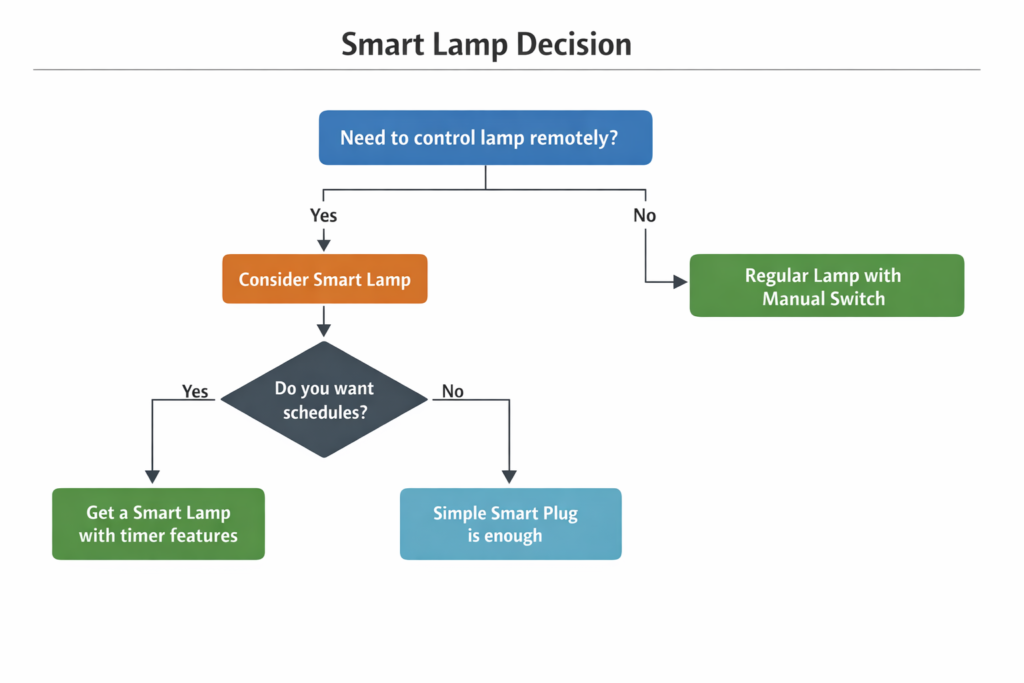
Turning off your lamp when not needed is the easiest way to save. Consider using smart plugs or timers. These can automatically turn off your lamp. This reduces energy waste significantly.
Fixture Longevity: How Continuous Use Affects the Lamp Itself

It’s not just the bulb that wears out. The desk lamp fixture itself can be affected. Continuous use puts stress on its components.
Wear and Tear on Materials
Heat from the bulb can degrade plastic parts. It can make wires brittle over time. Metal parts might also show wear. This is especially true with older incandescent lamps.
Electronics and Switches
Modern lamps often have electronic components. These include dimmer switches or USB ports. Prolonged use can stress these parts. They might fail sooner than expected. Good quality lamps are built to last, but everything has a limit.
Environmental Impact of Leaving Your Desk Lamp On Too Long

Thinking about how long you can leave a desk lamp on also means thinking about our planet. Energy use has an environmental cost. Wasting electricity contributes to this.
Carbon Footprint
Most electricity comes from burning fossil fuels. This releases greenhouse gases. These gases harm the environment. Turning off lights reduces your carbon footprint.
Resource Consumption
Manufacturing bulbs and lamps uses resources. The longer they last, the fewer new ones we need. Choosing energy-efficient LEDs helps reduce this impact. It supports a more sustainable future.
Optimizing Desk Lamp Usage: Best Practices and Smart Solutions

You can use your desk lamp effectively without overdoing it. Smart practices help save energy and extend life.
When to Turn It Off
- Leaving the room: If you’re gone for more than 5-10 minutes, turn it off.
- Natural light: Use daylight whenever possible. Position your desk near a window.
- Task completion: Turn it off when your task is done.
Smart Lamp Solutions
Consider smart desk lamps. Many now connect to apps or voice assistants. You can set schedules. They can turn on or off automatically. This is great for busy people.
Signs Your Desk Lamp Needs a Break or Replacement

Even the best desk lamps show signs of wear. Knowing these signs helps prevent problems. It can also improve your lighting experience.
Common Warning Signals
- Flickering: The light might blink on and off. This often means the bulb is dying or there’s a loose connection.
- Dimming: The light becomes less bright over time. This is especially common with older bulbs.
- Humming or Buzzing: An unusual noise can signal an electrical issue. It could be the ballast in a CFL or a wiring problem.
- Heat: If the lamp body or plug feels excessively hot, it’s a major red flag. Turn it off immediately.
If you notice these signs, address them quickly. Sometimes a new bulb fixes it. Other times, the entire lamp might need replacing.
The Verdict: How Long Can You Leave a Desk Lamp On Safely?

So, how long can you leave a desk lamp on? There’s no single perfect answer. It mostly depends on the bulb type and lamp quality.
Incandescent: Best to turn off after a few hours. High heat and energy use.
CFL: Good for longer periods (hours), but avoid frequent on/off cycles.
LED: Can be left on for very long periods, even all day. They are the safest and most efficient choice.
Always prioritize safety. If your lamp feels hot or shows signs of trouble, switch it off. Use timers or smart plugs for convenience and savings. Choosing the right bulb and being mindful of usage will keep your workspace bright and safe. It will also help your wallet and the planet.
Frequently Asked Questions
Is it safe to leave an LED desk lamp on all day?
Yes, it is generally safe to leave an LED desk lamp on for extended periods, even all day. LEDs produce very little heat and are highly energy-efficient, posing minimal risk.
What are the risks of leaving a desk lamp on for a very long time?
Leaving an incandescent desk lamp on for too long can be a fire hazard due to the high heat it generates. It also significantly increases electricity usage and shortens the bulb’s lifespan.
Which type of desk lamp bulb is most energy-efficient for long use?
The most energy-efficient bulbs for desk lamps are LEDs. They use far less electricity than CFLs or incandescent bulbs, saving you money and reducing your environmental impact.
How can I reduce energy consumption from my desk lamp?
To save energy, turn off your desk lamp when leaving the room for more than 5-10 minutes. Use natural light when possible. Consider smart plugs or timers to automate turning off the lamp.
How do I know if my desk lamp needs to be turned off or replaced?
Signs include flickering, dimming, humming noises, or the lamp feeling excessively hot. If you notice these, it’s time to check the bulb or consider replacing the lamp.

I’m Emily Johnson, an affiliate marketer and blogger focused on lamps and lighting. I share honest reviews, simple buying guides, and practical tips. My goal is to help readers choose the right lamp for their space, style, and budget with confidence.