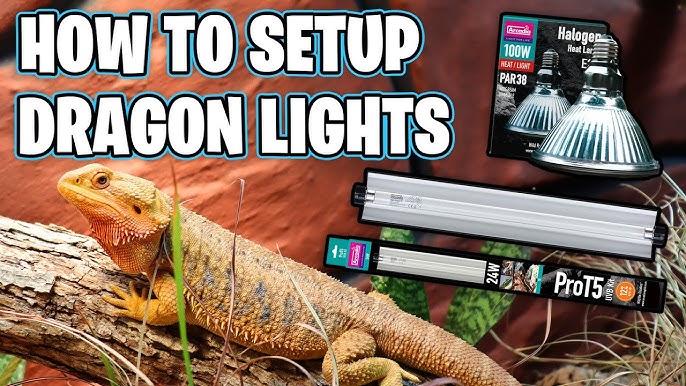
To set up heat lamps for a bearded dragon, use a halogen heat lamp as a heat source for basking. Ensure that the basking surface temperature is appropriate for the dragon’s needs.
If you’re a proud owner of a bearded dragon, you know how important it is to provide them with the right heat and lighting. Heat lamps are a crucial component of creating a comfortable and healthy environment for your scaly friend.
In this blog post, we’ll guide you through the process of setting up heat lamps for bearded dragons. From choosing the right type of lamp to determining the optimal placement, we’ve got you covered. So grab your reptile buddy and let’s get started on creating the perfect basking spot!
2. Importance Of Set Up Heat Lamps For Bearded Dragons
Setting up heat lamps for bearded dragons is crucial for creating the right temperature and environment for their well-being. Properly installed heat lamps help regulate the temperature in the dragon’s habitat, providing essential warmth and comfort for their overall health.
2.1 Warmth And Basking
One of the essential aspects of setting up heat lamps for bearded dragons is providing them with the right amount of warmth and a designated basking spot. Bearded dragons are ectothermic reptiles, which means they rely on external heat sources to regulate their body temperature. The basking spot should be positioned close enough to the heat lamp, allowing the bearded dragon to reach a temperature of about 95-105°F (35-40°C) for proper digestion and overall well-being.
To achieve this, it is crucial to choose a heat lamp with the appropriate wattage and a fixture that can securely hold the lamp. The wattage of the heat lamp should be determined based on the size of your bearded dragon’s enclosure and the ambient temperature in your home.
It’s recommended to use a ceramic heat emitter or a basking lamp specifically designed for reptiles, as these provide a focused heat source without emitting light that can disrupt the bearded dragon’s sleep cycle.
2.2 Uvb Lighting
In addition to warmth, bearded dragons also require UVB lighting to meet their physiological needs. UVB light is vital for bearded dragons as it enables them to synthesize vitamin D3, which is necessary for the absorption of calcium. Without adequate UVB exposure, bearded dragons can develop metabolic bone disease, a condition that affects their bone development and overall health.
When setting up UVB lighting, it is crucial to use high-quality UVB bulbs that are specifically designed for reptiles. These bulbs should be placed within a UVB fixture to ensure proper positioning and maximum exposure. The distance between the UVB bulb and the bearded dragon’s basking spot should be based on the manufacturer’s recommendation, typically between 10-14 inches (25-36 cm). Regularly monitor the UVB bulbs for any signs of degradation and replace them as recommended by the manufacturer.
2.3 Nighttime Heat
While bearded dragons need a warm basking spot during the day, they also require a cooler area at night to mimic their natural habitat’s temperature fluctuations. Providing nighttime heat is important for maintaining their overall well-being and ensuring proper sleep patterns. However, it’s important to note that bearded dragons do not require intense heat during the night.
A separate heat source, such as a low-wattage ceramic heat emitter, can be used to provide a gentle heat source without emitting light. This allows the bearded dragon to sleep comfortably without any disturbances. The nighttime heat source should be controlled by a thermostat to maintain a consistent temperature, typically around 70-75°F (21-24°C), throughout the night.
Remember to regularly monitor and adjust the heat lamps to ensure they are providing the right amount of warmth and UVB exposure for your bearded dragon. The proper setup and maintenance of heat lamps are crucial for the overall health and well-being of your bearded dragon.

Credit: www.zenhabitats.com
3. Choosing The Right Heat Lamp
When it comes to setting up heat lamps for your bearded dragon, choosing the right heat lamp is crucial. The right heat lamp will provide the necessary warmth and light for your pet’s health and well-being. Let’s explore the different types of heat lamps that are commonly used for bearded dragons and their specific benefits.
3.1 Halogen Heat Lamps
Halogen heat lamps are a popular choice among bearded dragon owners due to their effectiveness in providing both heat and light. These lamps emit a bright and natural light that mimics the sun’s rays, creating a comfortable and stimulating environment for your bearded dragon. The heat output from halogen lamps is also significant, allowing you to create a proper basking spot for your pet.
Additionally, halogen heat lamps have a long lifespan and are energy-efficient, making them a cost-effective option in the long run. It is essential to choose a halogen bulb with the appropriate wattage, depending on the size of your bearded dragon’s enclosure and the temperature requirements.
3.2 Uvb Bulbs
UVB bulbs are another critical component of a bearded dragon’s heat lamp setup. These lights emit UVB rays, which are essential for your reptile’s calcium metabolism and overall health. UVB rays help prevent metabolic bone disease, a common condition in bearded dragons caused by calcium deficiencies.
When selecting UVB bulbs, it is crucial to consider their strength and lifespan. Look for reputable brands that offer bulbs with a high UVB output, as well as a long-lasting lifespan. UVB bulbs should be replaced every 6 to 12 months to ensure the continuous provision of UVB rays.
3.3 Basking Bulbs
Basking bulbs are specifically designed to create a warm and comfortable basking spot for your bearded dragon. These bulbs emit intense heat, allowing your pet to regulate its body temperature effectively. It is recommended to use basking bulbs in combination with UVB bulbs to provide both heat and essential UVB rays.
When choosing a basking bulb, consider the wattage that suits your bearded dragon’s enclosure size and temperature requirements. It is essential to position the basking bulb at an appropriate height, providing a basking spot that allows your pet to absorb heat effectively without the risk of burns.
To summarize, choosing the right heat lamp for your bearded dragon involves considering various factors such as the type of lamp, wattage, and UVB output. Halogen heat lamps provide both heat and light, while UVB bulbs are essential for your pet’s calcium metabolism. Basking bulbs help create a comfortable basking spot. By selecting the appropriate heat lamps, you can ensure the well-being and happiness of your bearded dragon.
4. How to Set Up Heat Lamps for Bearded Dragons? Ensuring Comfort:
Setting up heat lamps for your bearded dragon is essential to create a comfortable living environment. Follow a comprehensive guide to ensure proper installation and avoid any potential risks.
Setting up the heat lamps for your bearded dragon is crucial to creating a comfortable and safe environment for them to thrive in. Proper temperature monitoring, maintaining the correct distance from the bearded dragon, and creating appropriate basking zones are essential aspects of this setup process. Let’s delve into each of these components to ensure your bearded dragon has the optimal heat lamp setup.
4.1 Temperature Monitoring
To ensure the ideal temperature for your bearded dragon’s heat lamp, it is important to monitor the temperature consistently. Using a reliable digital thermometer, place the probe on the basking spot, where the heat lamp will be located. This will allow you to accurately measure the temperature and make any necessary adjustments.
Remember, bearded dragons require a basking spot temperature of around 95-105°F (35-40°C) during the day and a cooler side temperature of around 75-85°F (24-29°C). Maintaining the right temperature is crucial for their overall health and well-being.
4.2 Proper Distance From The Bearded Dragon
Placing the heat lamp at the correct distance from your bearded dragon is essential to prevent any overheating or burns. The general guideline is to position the heat lamp about 6-8 inches (15-20 cm) above the basking spot. This distance allows for the necessary warmth without causing any harm to your bearded dragon.
However, always closely monitor your bearded dragon’s behavior to ensure they are comfortable and not exhibiting any signs of distress, such as excessive panting or hiding away from the heat.
4.3 Creating Basking Zones
Creating proper basking zones is crucial to replicating the natural habitat of bearded dragons. To achieve this, you can use basking platforms or rocks under the heat lamp. These provide a raised surface for your bearded dragon to climb on and bask in the warm light. Additionally, you can include other elements such as branches or logs to create a more natural and stimulating environment.
Ensure each basking zone is at the appropriate temperature range mentioned earlier, as this allows your bearded dragon to regulate their body temperature effectively. Remember, proper setup of the heat lamps is essential to maintaining the health and well-being of your bearded dragon.
By monitoring the temperature, maintaining the correct distance, and creating suitable basking zones, you are ensuring that your bearded dragon has a comfortable and safe environment. Follow these guidelines to provide your bearded dragon with the optimal conditions for their overall happiness and vitality.

Credit: www.zenhabitats.com
5. Maintenance And Best Practices
Learn the best maintenance and practices for setting up heat lamps for your bearded dragon in this comprehensive guide. Avoid common mistakes and ensure your dragon’s habitat is properly heated for their comfort and well-being.
5.1 Changing Bulbs
Regularly changing the bulbs in your bearded dragon’s heat lamp setup is crucial for their well-being. Bulbs have a limited lifespan and can lose their efficiency over time. To ensure that your bearded dragon is receiving the appropriate amount of heat and UVB light, it’s essential to replace the bulbs according to the manufacturer’s recommendations.
When changing bulbs, it’s important to follow these steps:
- Turn off the lamp and allow it to cool before attempting to remove the bulb.
- Use a clean cloth or gloves to handle the bulb to avoid any skin oils or residue that may affect its longevity.
- Insert the new bulb securely into the socket, ensuring that it is compatible with your heat lamp fixture.
- Check the packaging or manufacturer’s instructions for any additional precautions or installation tips specific to the bulb type.
- Turn on the lamp and observe its performance to ensure that the new bulb is functioning correctly.
5.2 Light Schedule
Establishing a suitable light schedule is vital for maintaining the health and well-being of your bearded dragon. These reptiles require a specific balance of light and darkness to regulate their internal processes and maintain healthy sleep-wake cycles.
Here are some key points to consider when setting up a light schedule for your bearded dragon:
- Provide a regular daily cycle of 12-14 hours of light and 10-12 hours of darkness to mimic their natural habitat.
- Use a timer to ensure consistent and reliable light cycles. This will help maintain the routine for your bearded dragon even when you’re not around.
- Consider installing separate timers for the heat lamp and UVB lamp to provide more precise control over their individual schedules.
- Observe your bearded dragon’s behavior and adjust the light schedule if needed. Some individuals may prefer slightly longer or shorter light cycles.
5.3 Additional Tips And Considerations
Aside from regular bulb changes and establishing a suitable light schedule, here are some additional tips and considerations to optimize the heat lamp setup for your bearded dragon:
- Regularly clean the lamp fixtures and remove any dust or debris that may accumulate on the bulbs. This can improve their efficiency and prevent overheating.
- Monitor the temperature and humidity levels in the enclosure to ensure that they are within the appropriate range for your bearded dragon’s needs.
- Position the heat lamp at an appropriate distance from the basking spot. The ideal distance may vary depending on the wattage of the bulb and the specific needs of your bearded dragon. Consult with a reptile expert or reference the manufacturer’s guidelines for guidance.
- Consider providing additional sources of heat and UVB light if your bearded dragon’s enclosure is large or has multiple basking spots. This can help ensure that all areas are adequately heated and illuminated.
- Regularly observe your bearded dragon’s behavior and consult a veterinarian if you notice any signs of discomfort, such as excessive basking or avoiding the heat lamp altogether.
Frequently Asked Questions On How To Set Up Heat Lamps For Bearded Dragon
What Is The Best Heat Setup For A Bearded Dragon?
For the best heat setup for a bearded dragon, use a halogen heat lamp as a heat source. Basking surface temperature is important.
Do You Leave The Heat Lamp On At Night For Bearded Dragons?
No, it’s not necessary to leave the heat lamp on at night for bearded dragons. They require a day/night cycle, so it’s recommended to provide them with a cooler temperature at night to mimic their natural habitat.
How Close Should Bearded Dragon Be To Heat Lamp?
The bearded dragon should be positioned about 6-8 inches away from the heat lamp.
What Is The Light Schedule For A Bearded Dragon?
Bearded dragons require a light schedule that includes a halogen heat lamp as a heat source. They need to bask under the light for warmth, similar to how they would in the wild. They do not require the lamp to be on at night.
Conclusion
To ensure the well-being of your bearded dragon, setting up heat lamps correctly is crucial. By providing a halogen heat lamp, you can create a comfortable basking spot that mimics their natural habitat. It is important to monitor the basking surface temperature and replace UVB bulbs as needed.
With the right lighting setup, you can ensure the health and happiness of your bearded dragon. So, follow the guidelines mentioned in this blog post and provide your pet with the perfect lighting and heat setup.

I’m Emily Johnson, an affiliate marketer and blogger focused on lamps and lighting. I share honest reviews, simple buying guides, and practical tips. My goal is to help readers choose the right lamp for their space, style, and budget with confidence.