
To attach a heat lamp to a terrarium, securely fasten it using baling wire or a chain, ensuring it doesn’t heat up or fall and cause a fire. It’s recommended to plug the heat lamp directly into an outlet, avoiding the use of an extension cord, and make sure the outlet has both ground fault (GFCI) and arc fault (AFCI) protections to prevent potential fires.
Taking these precautions will ensure the safe and effective use of a heat lamp in a terrarium.

Credit: www.amazon.com
How to Attach Heat Lamp to Terrarium: A Complete Guide
Attaching a heat lamp to your terrarium is an essential step to ensure the well-being and comfort of your reptile or amphibian. Whether you’re a beginner or an experienced reptile owner, this step-by-step guide will help you easily and securely attach a heat lamp to your terrarium. Follow these simple instructions to provide the right temperature for your terrarium inhabitants.
1. Determine Placement
Before attaching the heat lamp, it’s crucial to determine the ideal placement for maximum efficiency and safety. Consider the natural habitat and specific needs of your reptile or amphibian. Place the lamp on the same side as their basking spot. This will simulate their natural sunbathing behavior and provide them with the necessary heat to regulate their body temperature.
2. Prepare The Terrarium
Ensure that your terrarium is clean and free from any debris that may interfere with the attachment process. Clear any materials, such as branches or plants, that may obstruct the heat lamp’s positioning. The terrarium should be stable and secure, providing a solid foundation for the attachment.
3. Attach The Fixture
Now it’s time to attach the heat lamp fixture to the top of the terrarium. Begin by placing the fixture in the desired position on the terrarium’s lid or screen. Use a tape measure to determine the appropriate distance between the lamp and the basking spot. Typically, a distance of 10 to 12 inches (25 to 30 cm) is recommended, but make sure to check the specific requirements for your reptile species.
Once you have determined the correct position, secure the fixture to the terrarium by using brackets, clips, or any other appropriate method provided by the manufacturer. Ensure that the attachment is firm and stable, preventing any accidental movements or falls.
4. Secure The Heat Lamp
After attaching the fixture, it’s time to secure the heat lamp itself. Screw in the appropriate heat bulb into the fixture and ensure it’s tightly secured. Make sure to choose a bulb suitable for your terrarium setup, considering the wattage and the specific heating needs of your reptile or amphibian. Consult an expert or the bulb manufacturer if you’re unsure about which bulb to choose.
Take extra precaution by using a heat lamp safety cage or shield. This will prevent direct contact between the bulb and your terrarium inhabitants, reducing the risk of burns or injuries. Attach the cage by placing it securely over the heat lamp, following the manufacturer’s instructions.
5. Test And Adjust
Once the heat lamp is securely attached, it’s essential to test its functionality and make any necessary adjustments. Turn on the heat lamp and monitor the terrarium’s temperature closely using a reliable reptile thermometer. Ensure that the temperature reaches the desired range for your reptile species. Make any adjustments as needed, such as raising or lowering the lamp to achieve the optimal temperature.
Periodically monitor the heat lamp and check the attachment’s stability to prevent accidents or damage. Regularly replace the bulbs according to their recommended lifespan to ensure the proper functioning of the heat lamp.
By following this step-by-step guide, you can confidently attach a heat lamp to your terrarium, providing the necessary warmth for your reptile or amphibian’s well-being. Remember to always prioritize the safety and comfort of your pet by regularly checking the terrarium and making any adjustments or replacements as needed.
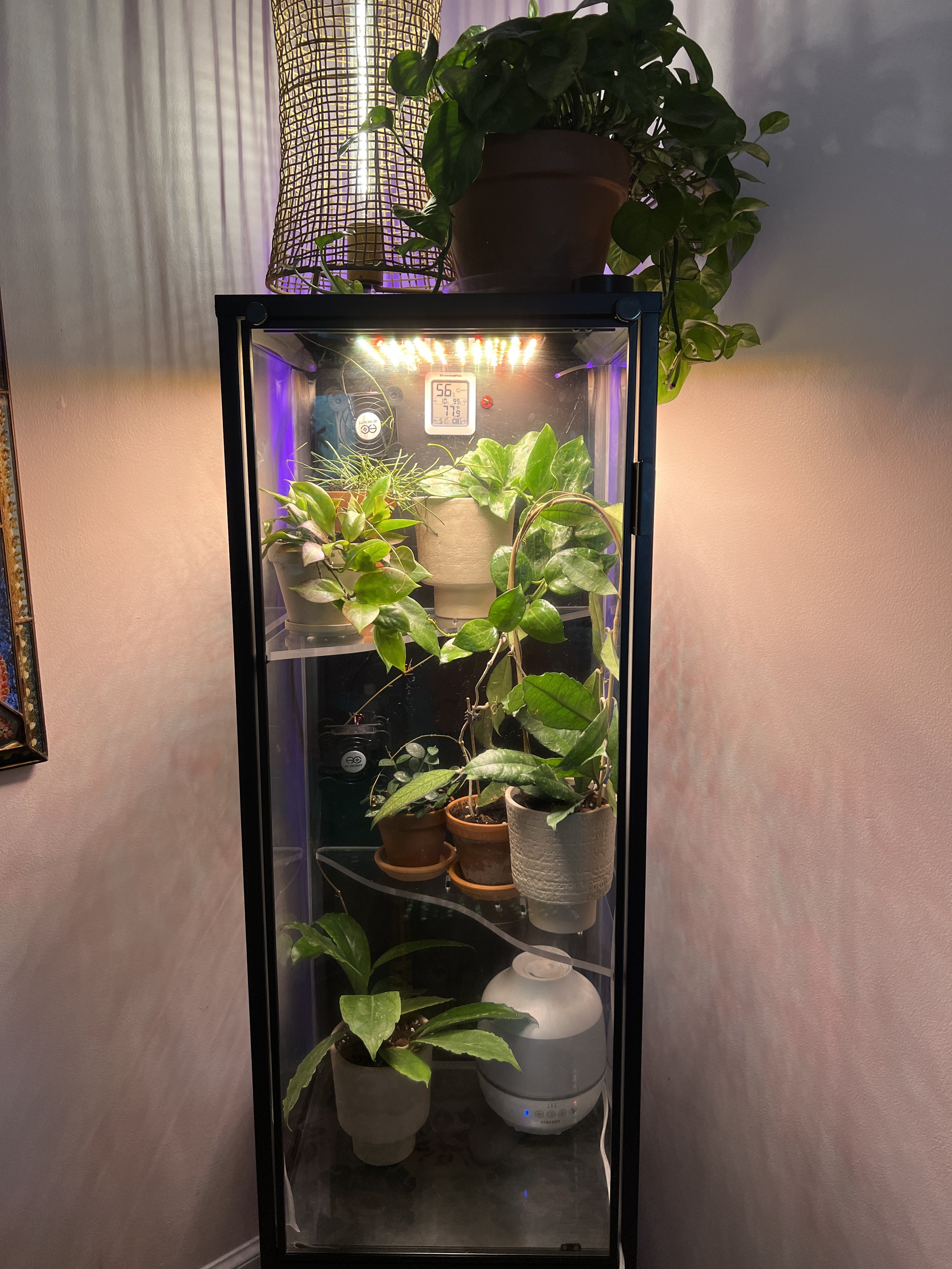
Credit: www.midwesternjungle.com
Safety Considerations
When attaching a heat lamp to a terrarium, it’s important to secure it properly to ensure safety. Avoid using overused terms like “when it comes to” or “in conclusion” and opt for baling wire ties or a chain to secure the lamp, preventing it from falling and causing potential fire hazards.
Attaching a heat lamp to your terrarium requires careful consideration of safety measures to ensure the well-being of your reptile and prevent any accidents. Here are some important safety considerations to keep in mind:
1. Use Proper Equipment
Using the right equipment is crucial when attaching a heat lamp to your terrarium. Make sure to invest in a high-quality heat lamp fixture that is specifically designed for reptile enclosures. Cheap or improper fixtures may not provide adequate heat distribution and can pose a fire hazard. Additionally, use a heat lamp that is appropriate for the size of your terrarium and the needs of your reptile.
2. Proper Distance
Proper positioning of the heat lamp is essential to maintain a safe and comfortable environment for your reptile. Ensure that the heat lamp is positioned at the correct distance from the terrarium. Different reptile species have different heat requirements, so refer to specific temperature guidelines for your reptile to determine the optimal distance.
A common rule of thumb is to place the heat lamp at a distance that allows for a temperature gradient within the terrarium. This means that there should be a warmer area directly under the lamp and a cooler area on the opposite side.
3. Avoid Overheating
Overheating can be dangerous for your reptile and can lead to heat stress or even death. Monitor the temperature inside the terrarium regularly using a reliable thermometer to ensure it remains within the appropriate range for your specific reptile species.
It is important to note that heat lamps should not be the sole source of heat in your terrarium. Using additional heat sources, such as heating pads or ceramic heat emitters, can help create a more stable and balanced heat environment. This reduces the risk of overheating and provides your reptile with various heat options.
4. Keep Cords Secure
Securely fastening and organizing cords is vital to prevent accidental injuries and electrical hazards. Use cable clips or hooks to secure the cords to the terrarium walls or other sturdy surfaces. This ensures that the cords are not easily accessible to your reptile, reducing the risk of entanglement or chewing.
Inspect the cords regularly for any signs of wear or damage. If you notice any fraying, exposed wires, or other issues, replace the cord immediately to prevent electrical accidents.
By following these safety considerations, you can effectively attach a heat lamp to your terrarium while ensuring the well-being of your reptile and maintaining a safe environment.

Credit: www.amazon.com
Frequently Asked Questions On How To Attach Heat Lamp To Terrarium
How Do You Attach A Heat Lamp To A Terrarium?
To attach a heat lamp to a terrarium with a screen top, you can use baling wire ties or a chain. Secure the lamp using the ties or chain, ensuring it is stable and won’t fall and cause a fire.
Avoid using an extension cord and plug the lamp directly into a ground fault (GFCI) and arc fault (AFCI) protected outlet for safety.
How Do You Secure A Heat Lamp?
To secure a heat lamp onto a terrarium with a screen top, you can use baling wire ties. It’s recommended because they don’t heat up like a chain would. This ensures that the light won’t fall and start a fire.
Alternatively, you can also use a chain for added security.
How Do You Clamp A Heat Lamp?
To secure a heat lamp onto a terrarium with a screen top, follow these steps: 1. Purchase a clamp lamp from Fluker Farms. 2. Check that you have all the pieces. 3. Attach the bracket to the lamp. 4. Tighten the clamp securely onto the screen top of the terrarium.
5. Make sure the heat lamp is plugged directly into an outlet, not an extension cord. Following these steps will ensure a safe and secure attachment of the heat lamp to the terrarium.
What Do You Plug A Heat Lamp Into?
Attach your heat lamp directly to an outlet, not an extension cord. Ensure that the outlet is both ground fault (GFCI) and arc fault (AFCI) protected to prevent any potential fire hazards.
Conclusion
Method I recommend for attaching a heat lamp to a terrarium with a screen top. By using baling wire ties or a chain, you can ensure that the lamp is securely fastened and reduce the risk of accidents. Remember to always plug your heat lamp directly into an outlet and not an extension cord.
With these steps, you can provide the right amount of heat and light for your terrarium inhabitants, creating a comfortable and safe environment for them to thrive.

I’m Emily Johnson, an affiliate marketer and blogger focused on lamps and lighting. I share honest reviews, simple buying guides, and practical tips. My goal is to help readers choose the right lamp for their space, style, and budget with confidence.