
A table lamp typically uses between 15 to 100 watts. The wattage of a table lamp depends on the type of bulb used and the brightness desired.

Credit: www.amazon.com
Understanding Power Consumption
When it comes to table lamps, one important factor to consider is power consumption. Understanding how much power a lamp uses is crucial for selecting the right bulb and ensuring energy efficiency. In this section, we will discuss what power consumption is, how it is measured, and the various factors that can affect it.
What Is Power Consumption?
Power consumption refers to the amount of electrical energy consumed by a device over a specific period of time. For table lamps, power consumption is measured in watts. The wattage rating of a lamp indicates how much power it requires to produce light.
How Is Power Consumption Measured?
Power consumption can be measured using a watt meter or a power meter. These devices plug into an electrical outlet and provide accurate readings of the electrical energy consumed by a lamp. Alternatively, power consumption can also be calculated by multiplying the voltage (V) by the current (A) drawn by the lamp.
Factors That Affect Power Consumption
Several factors can influence the power consumption of a table lamp:
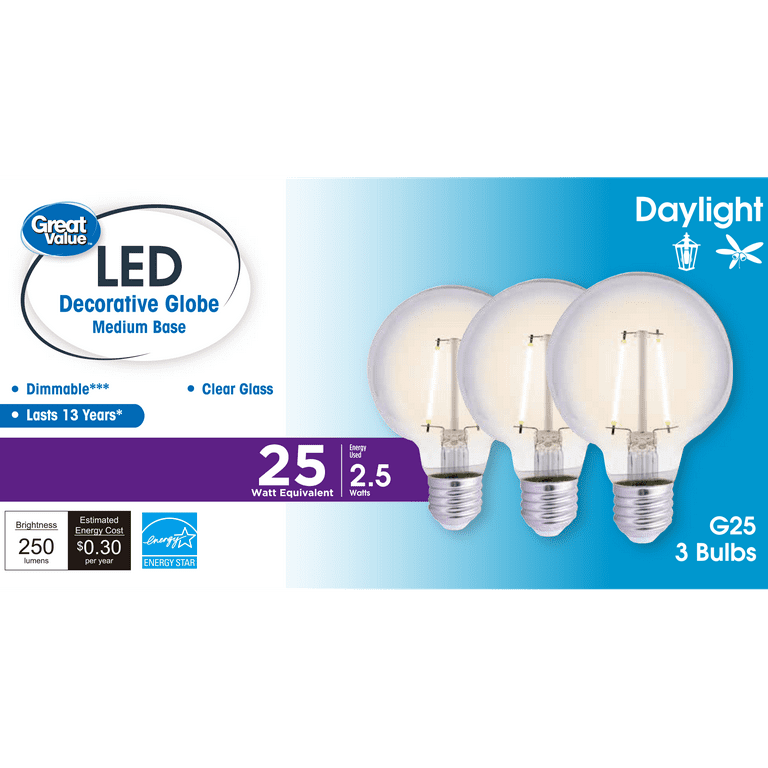
- Bulb wattage: The wattage of the bulb used in the lamp has a direct impact on power consumption. Higher wattage bulbs consume more energy and produce brighter light, while lower wattage bulbs are more energy-efficient.
- Type of bulb: Different types of bulbs, such as incandescent, LED, or CFL, have varying levels of energy efficiency. LEDs, for example, are known for their energy-saving capabilities.
- Usage duration: The length of time the lamp is used each day also affects power consumption. The more hours the lamp is turned on, the more energy it will consume.
- Dimmer switches: Some table lamps come with dimmer switches, which allow you to adjust the brightness of the light. Using a dimmer setting can help reduce power consumption.
By considering these factors and choosing the right bulb and usage habits, you can optimize the power consumption of your table lamp and reduce energy costs.
Credit: www.walmart.com
Calculating Power Consumption Of A Table Lamp
Calculating the power consumption of a table lamp is important to understand how many watts a table lamp uses. By determining the wattage, you can make informed decisions about energy usage and choose the most suitable bulb for your lamp.
When it comes to understanding the power consumption of a table lamp, it’s important to first understand what a watt is. A watt is a unit of power that measures the rate at which electricity is used by a device.
In the case of a table lamp, the wattage refers to the amount of electrical power it requires to operate. Knowing the wattage of a table lamp is essential for calculating its power consumption and determining its impact on your electricity bill.
What Is A Watt?
A watt is a unit of power, and it is equal to one joule of energy per second. In simpler terms, it represents the rate at which electrical energy is consumed by a device. The higher the wattage, the more power the device requires to operate. Each table lamp has a specific wattage rating that can usually be found on its packaging or in the product specifications.
How Many Watts Does A Typical Table Lamp Use?
The wattage of a table lamp can vary depending on its size, design, and the type of bulb used. Typically, table lamps use bulbs with wattages ranging from 25 to 150 watts.
Modern table lamps often use more energy-efficient LED bulbs, which consume significantly less power compared to traditional incandescent bulbs.
It’s important to check the wattage rating of your specific table lamp to determine its power consumption accurately.
How To Calculate The Power Consumption Of A Table Lamp
Calculating the power consumption of a table lamp is a straightforward process. You can use the formula:
Power Consumption (in watts) = Voltage (in volts) x Current (in amps)
To determine the voltage and current values, refer to the lamp’s product specifications or consult with the manufacturer. Once you have these values, simply multiply them together using the formula to calculate the power consumption of your table lamp.
Alternatively, if you don’t have access to the voltage and current information, you can use a watt-meter or power meter to measure the actual power consumption of your table lamp. These devices are readily available and can provide accurate measurements by simply plugging the lamp into the meter.
By understanding the wattage and power consumption of your table lamp, you can make informed decisions about energy usage in your home and manage your electricity consumption more efficiently.
Comparing Power Consumption: Table Lamp Vs. Room Light
When it comes to lighting up a space, table lamps and room lights are commonly used options for both functionality and aesthetics. However, one often wonders how much electricity these lighting fixtures consume and if there is any significant difference between them.
In this section, we will dive into the topic of power consumption, specifically comparing table lamps and room lights, to help you make an informed decision about your lighting choices.
Do Table Lamps Use Less Electricity Than Room Lights?
Table lamps are known for their smaller size and more localized lighting, while room lights provide a broader illumination for the entire space. When comparing their power consumption, it’s essential to consider factors that have a direct impact on electricity usage.
Factors To Consider When Comparing Power Consumption
Several factors influence the power consumption of both table lamps and room lights. By understanding these factors, you can make an informed decision based on your specific lighting needs:
- Bulb Wattage: The wattage of the bulb used in a lamp or light fixture plays a crucial role in determining its power consumption. Higher wattage bulbs generally consume more electricity. It’s important to choose a wattage that provides the desired brightness without unnecessarily increasing energy usage.
- Operating Hours: The duration for which the table lamp or room light is used directly affects its power consumption. The more hours a light is switched on, the more electricity it will consume overall. Consider the average daily usage to estimate the overall energy consumption.
- Lighting Control: The method used to control the lighting, such as manual switches, motion sensors, or dimmers, can impact energy usage. By utilizing energy-efficient controls and implementing measures like timers or occupancy sensors, you can reduce the electricity consumption of both table lamps and room lights.
- Lighting Efficiency: Different types of bulbs provide varying levels of lighting efficiency. LED (Light Emitting Diode) bulbs are known for their high efficiency and consume less electricity compared to traditional incandescent or halogen bulbs.
Case Study: Power Consumption Comparison
To illustrate the power consumption comparison between table lamps and room lights, let’s consider a case study:
| Table Lamp | Room Light | |
|---|---|---|
| Wattage | 15W | 60W |
| Operating Hours per Day | 4 hours | 8 hours |
| Total Energy Consumption per Day | 60 Wh | 480 Wh |
| Total Energy Consumption per Month | 1800 Wh | 14400 Wh |
In this case study, the table lamp with a wattage of 15W and operating for 4 hours per day consumes 60 Wh of electricity daily. On the other hand, the room light with a wattage of 60W and operating for 8 hours per day consumes 480 Wh of electricity daily.
Over the course of a month, the table lamp consumes 1800 Wh (1.8 kWh), and the room light consumes 14400 Wh (14.4 kWh) of electricity.
By considering these factors and conducting your own calculations using your specific lamp or light fixture parameters, you can gauge the power consumption differences between table lamps and room lights and make a more energy-efficient choice.

Credit: www.amazon.com
Tips For Efficient Power Consumption With Table Lamps
A table lamp is not only a functional lighting fixture but can also become an essential design element in your space. However, it’s important to ensure that your table lamp is energy-efficient to reduce power consumption and save on electricity bills. Here are some tips to make your table lamp more energy-efficient:
Choosing Energy-efficient Bulbs
One of the easiest ways to make your table lamp more energy-efficient is by choosing the right bulbs. Opt for LED bulbs, which require much lower wattage compared to traditional incandescent bulbs while providing the same level of brightness.
LED bulbs are not only long-lasting but are also highly efficient, consuming up to 80% less energy. Replace your old bulbs with energy-saving LED bulbs to reduce your table lamp’s power consumption significantly.
Utilizing Natural Light
Take advantage of natural light during the day to reduce the need for artificial lighting. Place your table lamp near windows or other sources of natural light in your room. This allows you to rely more on natural light, saving electricity that would have been used by your table lamp.
Natural light not only helps in reducing power consumption but also creates a more pleasant and vibrant atmosphere in your living space.
Using Dimmers And Timers
Dimmers and timers are great tools to control the amount of light emitted by your table lamp, thus reducing power consumption. Install a dimmer switch to adjust the brightness level according to your needs. Dimming the light not only saves energy but also creates a cozy ambiance in the room.
Additionally, using a timer can help automate the operation of your table lamp, ensuring it is only on when needed and automatically turning off when not in use, further maximizing energy efficiency.
Maintenance And Care Tips
To ensure optimal performance and energy efficiency, it is essential to maintain and care for your table lamp. Keep the lampshade clean and dust-free as dirt accumulation can reduce the brightness of the bulb, leading to increased energy consumption.
Check the wiring regularly for any signs of damage or loose connections, as faulty wiring can cause unnecessary power usage. Additionally, consider using lampshades that are designed to allow maximum light output, preventing unnecessary energy waste.
By following these tips, you can make your table lamp more energy-efficient and reduce power consumption without compromising on brightness or style. Implementing these practices not only saves electricity but also contributes to a greener environment and lowers your utility bills in the long run.
Frequently Asked Questions For How Many Watts Does A Table Lamp Use
How Many Watts Is A Table Lamp?
A table lamp typically uses a wattage of 25 to 100 watts.
Do Table Lamps Use A Lot Of Electricity?
Table lamps typically do not use a lot of electricity, with wattage usually ranging between 15-60 watts.
What Wattage Bulb Do I Need For A Table Lamp?
A table lamp typically requires a bulb with a wattage between 40-60 watts.
What Is The Power Rating Of The Table Lamp?
The power rating of a table lamp depends on the specific lamp you have. Check the label or product specifications for the wattage information.
Conclusion
To determine the wattage of a table lamp, there are a few factors to consider, including the type of bulb used and the intended purpose of the lamp. LED bulbs tend to be more energy-efficient compared to traditional incandescent bulbs.
It’s also important to choose a wattage that suits the desired level of brightness for the space. In general, table lamps don’t consume a significant amount of electricity, making them an energy-efficient lighting option.
By understanding the wattage requirements for your table lamp, you can make informed decisions about lighting your space while minimizing energy usage and costs.

I’m Emily Johnson, an affiliate marketer and blogger focused on lamps and lighting. I share honest reviews, simple buying guides, and practical tips. My goal is to help readers choose the right lamp for their space, style, and budget with confidence.