
A table lamp typically uses around 0.5 to 1 amp of electricity. Table lamps are low-power devices that consume minimal amps.

Credit: www.finnishdesignshop.com
Understanding Lamp Power Consumption
When it comes to understanding the power consumption of a table lamp, it’s important to know the amps it uses. Amps are a measure of electrical current and understanding this can help in determining factors like energy efficiency and electrical load.
In this section, we will delve into what determines the amps used by a table lamp, how to calculate the wattage of a table lamp, and how to compare power consumption between different table lamps. Let’s dive in!
What Determines The Amps Used By A Table Lamp?
Understanding what determines the amps used by a table lamp is crucial for managing energy consumption. The amps used by a table lamp can depend on several factors:
- The wattage of the lamp
- The voltage it operates on
- The type of bulb used (incandescent, LED, halogen, etc.)
- Any additional features like dimmers or multi-level settings
These factors influence the electrical current drawn by the lamp and subsequently determine the amps used.
Calculating The Wattage Of A Table Lamp
Calculating the wattage of a table lamp is a simple process. The wattage is the amount of power the lamp consumes, and it can be determined by the formula:
Wattage (W) = Voltage (V) x Amps (A)
In most cases, table lamps in the United States operate at 120 volts. By measuring the current in amps, you can easily calculate the wattage of any table lamp.
Comparing Power Consumption Of Different Table Lamps
Comparing the power consumption of different table lamps is essential for making informed decisions about energy usage. To compare power consumption, you can look at the wattage of each lamp. A higher wattage generally indicates higher power consumption, while a lower wattage indicates energy efficiency.
For convenient reference, here’s a table comparing the power consumption of different household appliances:
| Appliance | Amps Used | Watts Used |
|---|---|---|
| Desk lamp (with LED lamp) | <0.5 | 5 |
| DVD/Blu-Ray player | <0.5 | 20 |
| Hair dryer | 10.0 | 2200 |
This table serves as a reference point for comparing the power consumption of table lamps with other common appliances.
By understanding the amps used by a table lamp, calculating its wattage, and comparing power consumption between different lamps, you can make informed choices about energy efficiency and electrical load. This knowledge will not only save energy but also provide valuable insights for maintaining a sustainable and cost-effective lighting setup.

Credit: www.oka.com
Efficiency Of Table Lamps
Table lamps are a popular choice for providing ambient lighting and adding a touch of style to any room. When it comes to the efficiency of table lamps, understanding their power consumption is crucial. By knowing the number of amps a table lamp uses, you can make informed decisions about energy consumption and potentially reduce electricity costs.
In this section, we will explore the efficiency of table lamps, including how many amps they consume, comparing their energy efficiency, and offering tips for reducing power consumption.
Do Table Lamps Consume a Lot of Electricity?
Table lamps, in general, do not consume a significant amount of electricity. In most cases, regular table lamps use very low wattage bulbs, such as LED or compact fluorescent bulbs, which are designed to be energy-efficient. This means that table lamps typically require only a small amount of current, measured in amps, to operate.
Comparing Energy Efficiency of Table Lamps
When comparing the energy efficiency of table lamps, it is important to consider the type of bulb used. LED bulbs, for example, are known for their incredible energy efficiency and longevity. They consume much less energy while providing the same or even better illumination compared to traditional incandescent bulbs.
On the other hand, incandescent or halogen bulbs tend to consume more energy and generate more heat, making them less energy-efficient. To illustrate the difference in energy consumption, here’s a table showcasing the approximate power consumption of common household appliances:
Tips for Reducing Table Lamp Power Consumption:
– Opt for LED bulbs:
As mentioned earlier, LED bulbs are highly energy-efficient and have a longer lifespan compared to incandescent or halogen bulbs. By switching to LED bulbs, you can significantly reduce power consumption without compromising on brightness.
– Use timers or motion sensors:
Implementing timers or motion sensors will help ensure that table lamps are only operating when needed. This can be especially useful for areas that are not frequently occupied, such as hallways or guest rooms.
– Consider natural light:
Utilize natural lighting during the day whenever possible. By placing your table lamp strategically near a window or skylight, you can rely less on artificial lighting, ultimately reducing electricity consumption.
– Use the right bulb wattage:
Opt for the lowest wattage bulb that adequately illuminates the desired area. Using higher wattage bulbs than necessary only contributes to unnecessary power consumption.
– Unplug unused lamps:
When you’re not using a table lamp, unplug it from the power outlet. Even in standby mode, some lamps still draw a small amount of electricity, known as vampire power. By keeping these energy-saving tips in mind, you can make your table lamps more efficient and reduce power consumption while still enjoying the beautiful ambiance they provide.
Now that we have explored the efficiency of table lamps, including their power consumption and energy-saving measures, let’s move on to other important aspects to consider when choosing and using table lamps.
Factors Affecting Power Consumption
The power consumption of a table lamp is determined by factors such as the wattage of the bulb and the voltage of the electrical system. The amperage of a table lamp varies depending on these factors and can typically range from 0.5 amps to 2. 5 amps.
Influence Of Bulb Type On Amps Used
One of the significant factors that affect the power consumption of a table lamp is the type of bulb used. Different bulb types have varying wattages and, consequently, amperage ratings. Here are some common bulb types and their approximate amperage ratings:
| Bulb Type | Wattage (W) | Amp Rating (A) |
|---|---|---|
| Incandescent | 40-100 | 0.3-0.8 |
| LED | 3-15 | 0.02-0.12 |
| Compact Fluorescent Lamp (CFL) | 9-25 | 0.07-0.2 |
As you can see, LED bulbs generally have lower wattages and consume fewer amps compared to traditional incandescent or CFL bulbs. Therefore, choosing energy-efficient LED bulbs can help reduce the power consumption of your table lamp while still providing adequate lighting.
How Lamp Shades Impact Power Consumption
Another factor that affects power consumption is the type and design of the lamp shade. Lamp shades can influence the amount of light emitted and how efficiently it is distributed. Here’s how different lamp shades can impact power usage:
- A translucent or light-colored lamp shade allows more light to pass through, reducing the need for higher wattage bulbs and consequently lowering power consumption.
- On the other hand, a dark or opaque lamp shade can absorb more light, requiring higher wattage bulbs to achieve the desired brightness and increasing power usage.
- Additionally, lamp shades with reflective interiors can help enhance the light output, allowing for the use of lower wattage bulbs without sacrificing illumination.
Effects Of Dimmers And Switches On Power Usage
The inclusion of dimmers and switches in table lamps can provide control over the brightness levels, but they can also impact power usage. Dimmers and switches work by regulating the amount of electricity flowing to the bulb, thus affecting the amperage and wattage. Here’s how they can influence power consumption:
- Dimmers allow the user to lower the brightness of the lamp, reducing the wattage used and, consequently, the amperage drawn.
- Switches, when turned off, cut off the power supply to the lamp completely, resulting in zero power consumption.
Therefore, utilizing dimmers and switches effectively can help optimize power usage and save energy.
Understanding Amps And Electrical Safety
A table lamp typically uses less than 1 amp of electricity, making it a relatively low-power appliance. It is important to understand the electrical safety guidelines and ensure that you use the appropriate wattage and fuse for your table lamp to avoid any potential hazards.
The Importance Of Understanding Amps
When it comes to table lamps, understanding amps is crucial for both your safety and the proper functioning of the lamp. Amps, short for amperes, are the unit by which electrical current is measured. It is important to know the amp rating of your table lamp to ensure that it is compatible with your electrical system and to prevent any potential hazards.
Electrical Safety Considerations For Table Lamps
Electrical safety should always be a top priority when it comes to using table lamps. Here are a few important considerations to keep in mind:
- Always use a table lamp that is properly grounded and has a three-pronged plug for maximum safety.
- Inspect the cord of your table lamp regularly for any signs of damage such as fraying or exposed wires. If any damage is found, it is important to replace the cord immediately to avoid the risk of electrical shock.
- Do not overload electrical outlets by plugging multiple table lamps into the same socket. This can cause overheating and potentially lead to a fire.
- Keep your table lamp away from any flammable materials such as curtains or bedding to prevent the risk of fire.
Guidelines For Choosing The Right Wiring
Choosing the right wiring for your table lamp is essential to ensure proper functioning and safety. Here are a few guidelines to consider:
- Use wiring that is appropriate for the electrical load of your table lamp. This can typically be found in the lamp’s instruction manual or on the manufacturer’s website.
- Make sure the wire gauge is sufficient for the amp rating of your lamp. Using a wire that is too thin can cause overheating and potentially lead to a fire.
- Consider using a wire with a ground conductor for added safety. This is especially important for table lamps that have a metal base or other components that may become energized in the event of a fault.
Determining The Amp Rating For Lamp’s Fuse
Every table lamp has a fuse that is designed to protect the lamp from excessive current. To determine the correct amp rating for your lamp’s fuse, follow these steps:
- Check the lamp’s instruction manual or the label on the base of the lamp for the recommended fuse amp rating.
- If the amp rating is not specified, you can calculate it by dividing the wattage of the lamp by the voltage of your electrical system. For example, if your lamp is rated at 60 watts and you have a 120-volt electrical system, the amp rating would be 0.5 amps (60 watts / 120 volts = 0.5 amps).
- Once you have determined the correct amp rating, use a fuse of the same rating to ensure proper protection for your table lamp.
Measuring And Monitoring Lamp Power Consumption
Measuring and monitoring lamp power consumption is essential to understand how many amps a table lamp uses. By determining the power rating of the lamp, you can calculate the electricity consumption and ensure it aligns with your electrical needs. Avoid wasting energy and optimize your electrical usage with this knowledge.
Methods To Measure Amps Used By A Table Lamp
Measuring the amps used by a table lamp is essential to understand its power consumption and determine if it aligns with your energy-saving goals. Here are a few methods you can use:
- Using a Multimeter: A multimeter is a versatile device that can measure various electrical parameters, including amps. To measure the amps used by a table lamp, follow these steps:
- Turn off and unplug the lamp.
- Set your multimeter to measure AC amps.
- Open the lamp’s circuit by either removing the plug or disconnecting the wire.
- Connect the multimeter in series with the lamp’s circuit.
- Turn on the lamp and observe the multimeter’s reading.
- Using a Clamp Meter: A clamp meter is another handy tool for measuring amps, especially if you want to avoid interrupting the lamp’s circuit. Here’s how to measure amps with a clamp meter:
- Turn off and unplug the lamp.
- Select the appropriate setting on your clamp meter for AC amps measurement.
- Open the clamp and place it around one wire of the lamp’s cord.
- Close the clamp and turn on the lamp.
- Read the display on the clamp meter to determine the amps used by the lamp.
Devices For Monitoring Power Consumption
To monitor the power consumption of your table lamp over time, you can utilize different devices. Here are some options:
- Smart Plugs: Smart plugs are convenient devices that allow you to control and monitor the power usage of your table lamp remotely. They often come with mobile applications or web interfaces that provide real-time data about energy consumption.
- Energy Monitoring Devices: These devices are specifically designed to monitor electrical consumption. They can be connected to the table lamp’s circuit and provide detailed information about power usage, including amps, watts, and kilowatt-hours.
- Smart Home Systems: If you have a smart home system, you can integrate your table lamp into the system and track its power consumption through a central hub or smartphone app. This enables you to monitor and manage the lamp’s energy usage along with other connected devices.
Benefits Of Monitoring And Reducing Power Usage
Monitoring and reducing the power usage of your table lamp can yield several benefits:
- Energy Efficiency: By understanding the amps and watts used by your lamp, you can identify opportunities to reduce energy consumption. This not only helps the environment but also lowers your electricity bills.
- Extended Lamp Lifespan: High power usage can contribute to heat buildup and affect the lifespan of the lamp’s components, such as the bulb and wiring. Monitoring and reducing power consumption can help prolong the lamp’s lifespan and minimize maintenance costs.
- Conscious Energy Consumption: Tracking power usage encourages a more mindful approach to energy consumption. It promotes responsible habits and encourages individuals to make conscious choices to conserve energy.
Resources For Calculating Power Consumption
If you want to calculate the power consumption of your table lamp, consider utilizing the following resources:
- Manufacturer Specifications: Check the lamp’s packaging or user manual for information on its power rating, which usually includes wattage or amps.
- Online Calculators: Various online calculators are available to estimate power consumption based on different parameters, such as watts, volts, and hours of usage.
- Electricity Usage Monitors: These devices can be connected to your table lamp and provide real-time data on its power consumption, making it easier to calculate the energy used over time.
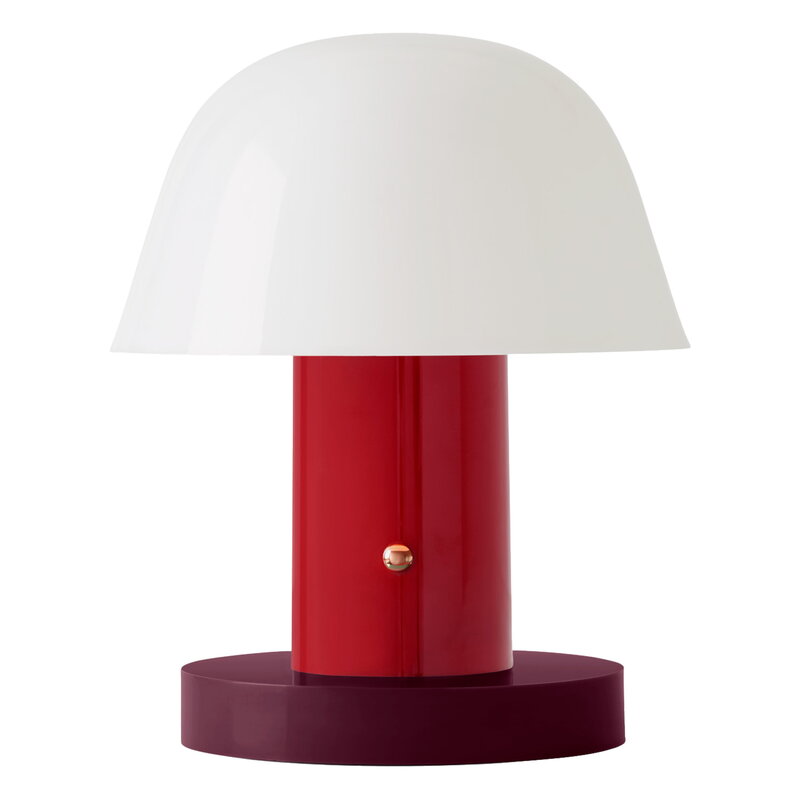
Credit: www.finnishdesignshop.com
Frequently Asked Questions On How Many Amps Does A Table Lamp Use
How Many Amps Does A Standard Lamp Use?
A standard lamp typically uses less than 0. 5 amps of electricity.
What Amp Is A Table Lamp?
A table lamp typically uses less than 1 amp of electricity.
What Is The Power Rating Of The Table Lamp?
The power rating of a table lamp refers to the amount of electrical power it uses. It is typically measured in watts (W), not amps (A). The power rating can vary depending on the type and size of the lamp, but is usually around 40-100 watts.
Do Table Lamps Use A Lot Of Electricity?
Table lamps typically use very little electricity, usually less than 1 amp.
Conclusion
Table lamps typically use a low amount of amps, usually less than 1 amp. The exact amount depends on the wattage of the light bulb used in the lamp. It is important to check the lamp’s specifications or consult a professional to ensure it is safely and correctly powered.
By understanding the amp usage of your table lamp, you can make informed decisions about electrical safety and energy consumption in your home.

I’m Emily Johnson, an affiliate marketer and blogger focused on lamps and lighting. I share honest reviews, simple buying guides, and practical tips. My goal is to help readers choose the right lamp for their space, style, and budget with confidence.