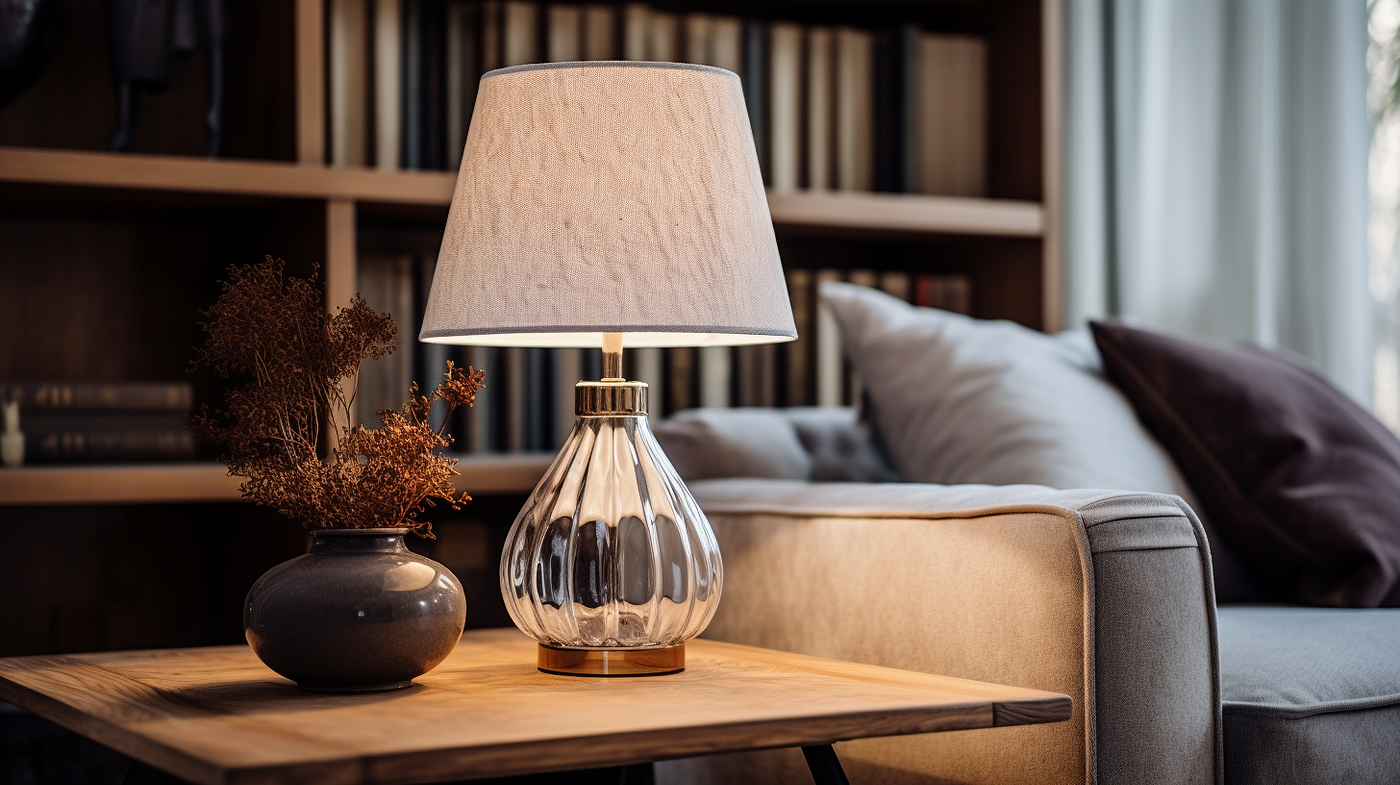
In a living room, typically two to four table lamps are sufficient for adequate lighting. The number of table lamps needed depends on factors such as the size of the room, layout, and desired ambiance.
When it comes to lighting your living room, finding the perfect balance can be a challenge. Too much light and your space may feel harsh and overwhelming. Too little light and it may feel dim and gloomy. One key element to consider is the number of table lamps you should have in your living room.
In this blog post, we will discuss the factors to consider when determining how many table lamps you need for your living room, including the size of the room, the function of the space, and your personal style preferences.
By the end of this article, you’ll have all the information you need to create a well-lit and inviting living room that perfectly suits your needs. So let’s get started!
1. The Importance Of Table Lamps In A Living Room
Achieve balance and symmetry in your living room by placing two identical table lamps on opposite sides of the space. This provides ample lighting and creates a cohesive and stylish look.
1.1 Enhancing Ambiance And Mood
Table lamps play a crucial role in enhancing the ambiance and mood of a living room. By providing soft, warm lighting, they create a cozy and inviting atmosphere.
Whether you’re hosting a gathering with friends or simply relaxing after a long day, table lamps can set the perfect mood for any occasion.
The gentle glow of a table lamp can make a space feel more intimate and comfortable, making it the ideal lighting option for a living room.
1.2 Providing Task Lighting
In addition to creating ambiance, table lamps also serve as a functional light source in a living room. They provide task lighting, which is essential for activities such as reading, studying, or working on a laptop.
Placing a table lamp next to a sofa or armchair can ensure that you have sufficient light to perform these tasks comfortably.
Unlike overhead lighting, which can be harsh and create shadows, table lamps offer focused and adjustable illumination, allowing you to direct the light exactly where it’s needed.
1.3 Adding Decorative Elements
Table lamps are not only practical but also add decorative elements to a living room. They come in a variety of styles, shapes, and sizes, allowing you to find the perfect lamp that complements the overall design of your space.
Whether you prefer a modern and sleek lamp or a vintage-inspired piece, table lamps can add character and style to your living room. They can also serve as a statement piece or a focal point, drawing attention to specific areas or objects in the room.
Overall, table lamps are an essential component of a well-designed living room. They enhance the ambiance and mood, provide task lighting, and add decorative elements to the space.
Whether you need soft lighting for a cozy evening or a functional light source for reading, table lamps are versatile and practical. Choose a lamp that suits your personal style and the overall design of your living room, and enjoy the many benefits that table lamps bring to your space.
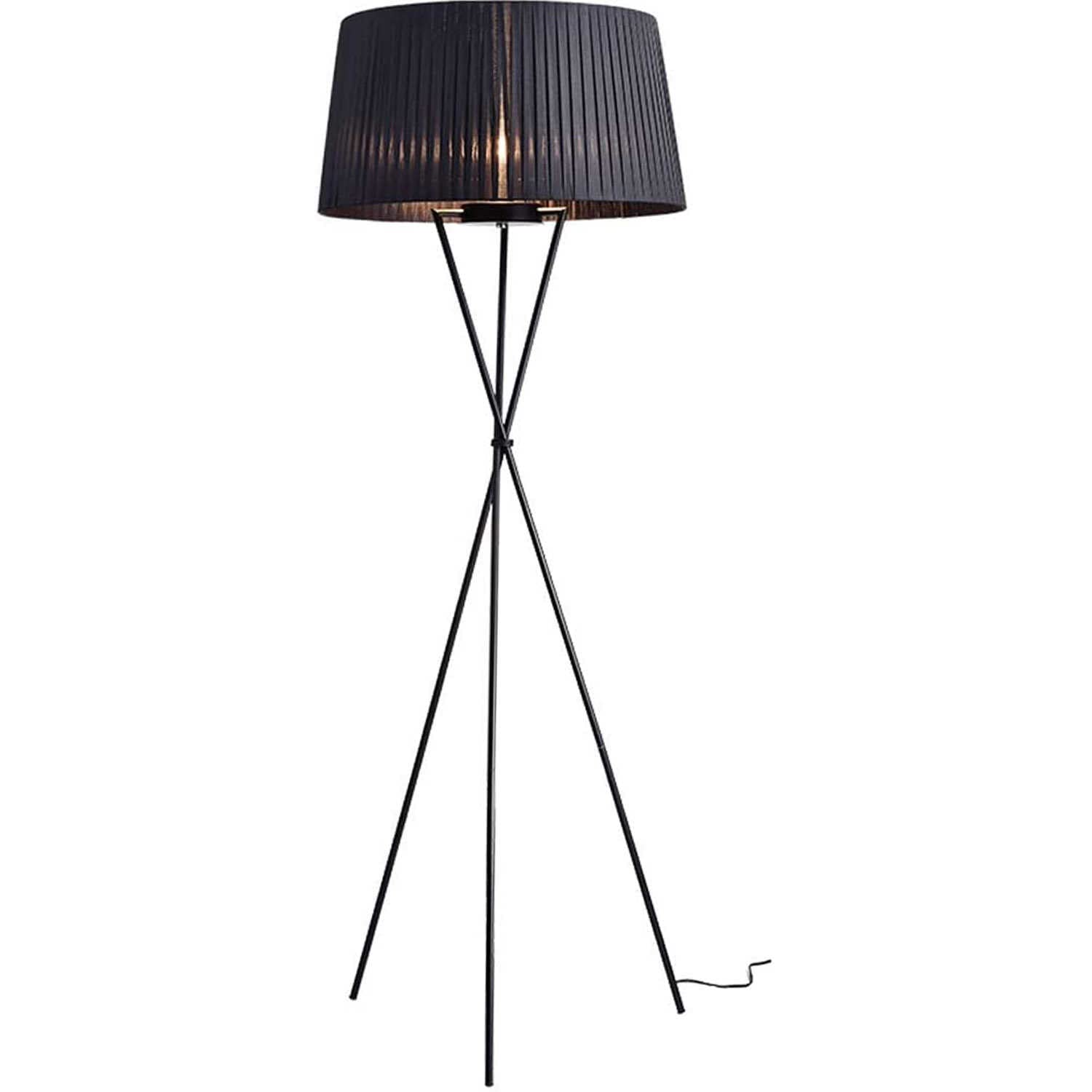
Credit: www.amazon.com
2. Factors To Consider When Determining The Number Of Table Lamps
Determining the number of table lamps for a living room depends on factors such as the size of the room and desired lighting. While two lamps are usually sufficient, you can choose to have up to four lamps to ensure adequate lighting.
Consider maintaining balance and symmetry by placing identical table lamps on opposite sides of the room for a cohesive look.
In order to create the perfect lighting setup in your living room, it is important to consider several factors when determining the number of table lamps.
By taking these factors into account, you can ensure that your living room is well-lit and visually appealing. Here are three important factors to consider:
2.1 Size Of The Living Room
The size of your living room plays a crucial role in determining the number of table lamps you should have. For smaller living rooms, one or two table lamps may be sufficient to provide ample lighting.
However, for larger living rooms, you may need to consider adding more table lamps in order to spread the light evenly throughout the space.
2.2 Layout Of The Room
The layout of your living room also affects the number of table lamps you should have. Consider the different areas and seating arrangements in your living room.
If you have multiple seating areas or distinct corners, it is advisable to have a table lamp in each area to provide targeted lighting for specific activities, such as reading or working.
2.3 Desired Lighting Ambiance
The desired lighting ambiance is another important factor to consider when determining the number of table lamps in your living room. Think about the mood and atmosphere you want to create.
If you prefer a cozy and intimate ambiance, having multiple table lamps placed at different heights can create a warm and inviting atmosphere.
On the other hand, if you want a brighter and more energetic feel, having fewer table lamps with higher wattage bulbs may be more suitable.
Important Tip: When placing table lamps in your living room, it’s crucial to consider balance and symmetry. For a large living room, placing two identical table lamps on opposite sides of the space can create a sense of balance and harmony.
By taking the size of your living room, the layout of the room, and the desired lighting ambiance into consideration, you can determine the optimal number of table lamps needed.
Remember, it’s all about finding the right balance and creating the perfect lighting setup to enhance the overall look and feel of your living room.
3. Placement And Arrangement Of Table Lamps In A Living Room
For a balanced and symmetrical look, consider placing two identical table lamps on opposite sides of your large living room. This not only provides ample lighting but also creates a sense of harmony and balance in the space.
3.1 Creating Balance And Symmetry
When it comes to placing table lamps in your living room, creating balance and symmetry is key. For a large living room, consider placing two identical table lamps on opposite sides of the room. This not only provides ample lighting for the entire space but also creates a sense of balance and symmetry. By doing so, you bring harmony to the room, making it visually appealing and inviting.
3.2 Behind The Couch
One popular choice for table lamp placement is behind the couch. Placing a table lamp behind the couch not only adds a decorative element but also serves as a source of task lighting or ambient lighting. This placement helps create a cozy and inviting atmosphere for relaxation or reading during evenings.
3.3 Next To A Desk
Another ideal spot for a table lamp in a living room is next to a desk. Whether you have a dedicated office space within your living room or simply need a well-lit area for tasks such as reading, writing, or working on a laptop, placing a table lamp next to a desk provides focused lighting. It ensures that you have sufficient light to carry out your tasks effectively and comfortably.
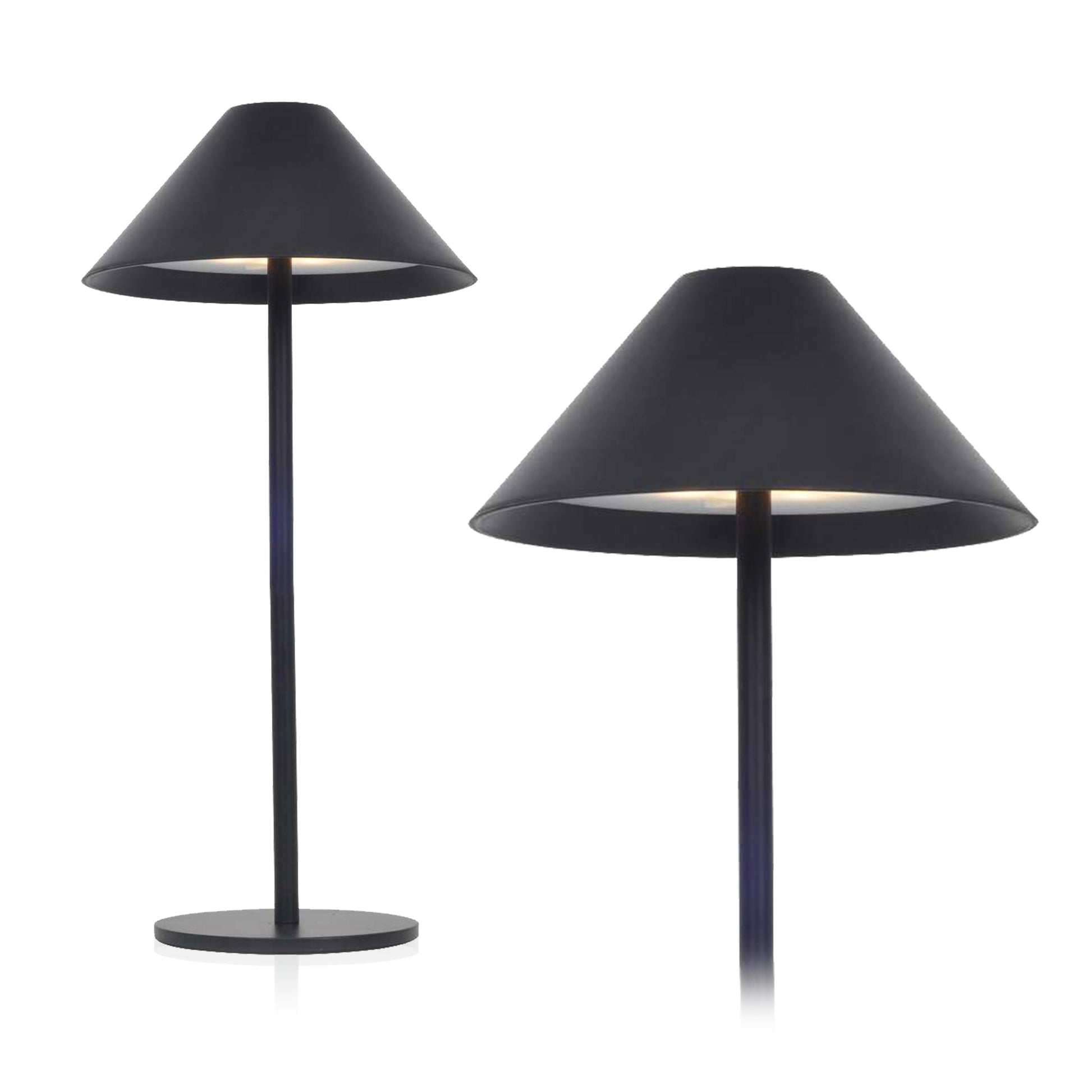
Credit: lightaccents.com
4. Matching Table Lamps Or Mixing Styles?
When it comes to choosing table lamps for your living room, you might find yourself wondering whether to go for matching lamps or mix different styles for a more eclectic appeal. Both options have their own merits and can help you achieve the desired look and feel for your space. In this section, we’ll explore the benefits of each approach and provide some tips to help you make the right decision.
4.1 Cohesive Look With Matching Lamps
If you prefer a more cohesive look and want to create a sense of harmony in your living room, choosing matching lamps is a great option. Matching lamps can bring a sense of balance and symmetry to the space, creating a visually pleasing atmosphere.
Whether you opt for identical table lamps placed on opposite sides of the room or choose a pair of matching lamps to flank a focal point, such as a console table or a fireplace, matching lamps can help tie the room together.
By selecting lamps that adhere to the style of the room, whether it’s contemporary, traditional, or minimalist, you can ensure that your space has a unified and polished look. Matching lamps can also highlight key design elements in your living room, such as color schemes or architectural features, by providing consistent lighting throughout the space.
4.2 Mixing Styles For Eclectic Appeal
If you’re looking to add some personality and flair to your living room, mixing different lamp styles can create a dynamic and eclectic appeal. By combining lamps of varying heights, shapes, and materials, you can add visual interest and create a unique focal point in your space.
When mixing lamp styles, consider elements such as color, texture, and overall aesthetic. Choose lamps that complement each other and work well with the existing decor and furniture in your living room. For example, you could combine a modern metallic lamp with a vintage-inspired ceramic lamp, or pair a sleek glass lamp with a rustic wooden lamp.
With mixed lamp styles, you have the freedom to showcase your personal style and create a curated look that reflects your individuality. This approach allows you to experiment with different combinations and find a balance between different design elements, making your living room a true reflection of your unique taste.
5. Finding The Perfect Table Lamps For Your Living Room
When it comes to finding the perfect table lamps for your living room, consider balance and symmetry by placing two identical lamps on opposite sides of the room. This will create a cohesive look while providing ample lighting for the entire space.
5. Finding the Perfect Table Lamps for Your Living Room
5.1 Considering The Room’s Style And Aesthetics
The style and aesthetics of your living room play a crucial role in determining the table lamps that will complement the overall design. When choosing table lamps, consider the room’s theme, color scheme, and existing decor. Are you going for a modern, minimalist look, or do you prefer a more traditional and cozy ambiance? Matching the style and aesthetic of your table lamps with the room’s overall design will create a harmonious and visually pleasing atmosphere.
5.2 Choosing The Right Lamp Size
Choosing the right lamp size is essential for both functionality and aesthetics. Large table lamps may overpower a small room, while small lamps may get lost in a larger space. As a general rule, the height of your table lamps should be proportionate to the furnishings it will be placed next to. When determining the ideal size, consider the height of your tables, the seating arrangements, and how much light you require for various activities in the living room.
5.3 Selecting The Appropriate Light Bulbs
While the style and size of your table lamps are important, don’t forget to consider the type of light bulbs you use. Different light bulbs emit varying degrees of brightness, color temperature, and energy consumption. LED bulbs are a popular choice for table lamps as they are energy-efficient and have a longer lifespan.
Consider the color temperature of the light bulbs as well, as warm white light creates a cozy and inviting atmosphere, while cool white light is more suitable for task lighting.
In conclusion, finding the perfect table lamps for your living room requires careful consideration of the room’s style and aesthetics, selecting the right lamp size, and choosing appropriate light bulbs.
By following these guidelines, you can create a visually appealing and functional lighting arrangement for your living room.
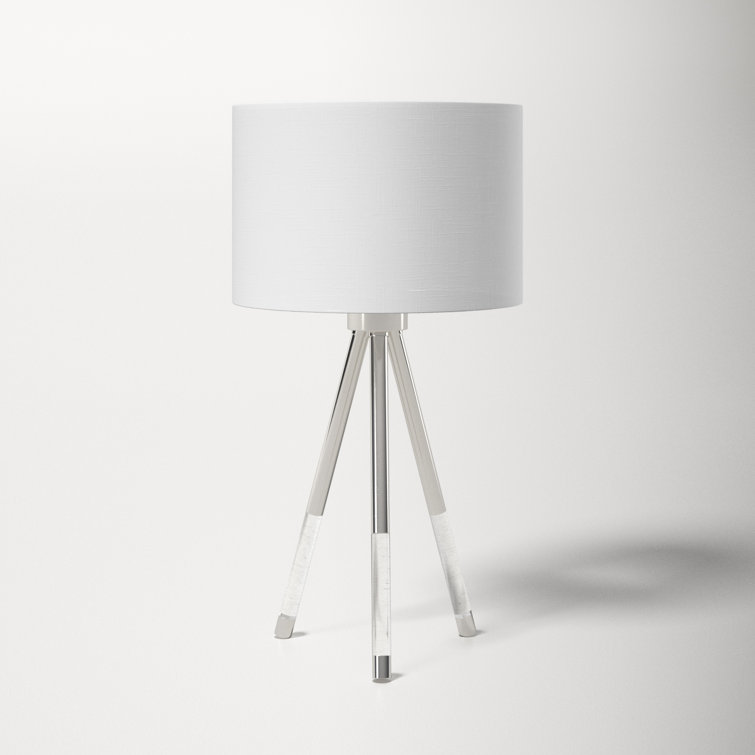
Credit: www.wayfair.com
Frequently Asked Questions On How Many Table Lamps In A Living Room
How Do You Arrange Table Lamps In A Living Room?
Arrange table lamps in a living room for balance and symmetry. Place two identical lamps on opposite sides of the room to create a cohesive look. The number of lamps needed depends on factors like room size and desired ambiance, typically ranging from two to four lamps.
How Many Lights Should I Put In My Living Room?
Typically, two to four lights are enough for a living room, depending on its size and desired ambiance. Consider placing two identical table lamps on opposite sides of the room for balance and symmetry. Your lamps don’t need to match exactly, but they should adhere to the room’s style for a cohesive look.
Should Table Lamps Match In A Living Room?
Table lamps in a living room do not have to match, but it is recommended to choose lamps that adhere to the style of the room for a cohesive look.
Where Should Lamps Be Placed In Living Room?
Place lamps in the living room for balance and symmetry. Consider placing two identical table lamps on opposite sides of the room to create a cohesive look.
Other placement options include behind the couch, in a corner, next to a desk, beside the TV, or in the middle of the room.
The number of lamps needed depends on the size and desired ambiance of the room.
Conclusion
To create a well-balanced and well-lit living room, the number of table lamps you should have depends on various factors such as room size, layout, and desired ambiance.
Generally, two to four table lamps are enough to provide adequate illumination without overwhelming the space.
However, there are no strict rules, and you can adjust the number of lamps based on your personal preferences and the specific characteristics of your living room.
By carefully considering these factors, you can create a cozy and inviting atmosphere that is both functional and aesthetically pleasing.

I’m Emily Johnson, an affiliate marketer and blogger focused on lamps and lighting. I share honest reviews, simple buying guides, and practical tips. My goal is to help readers choose the right lamp for their space, style, and budget with confidence.