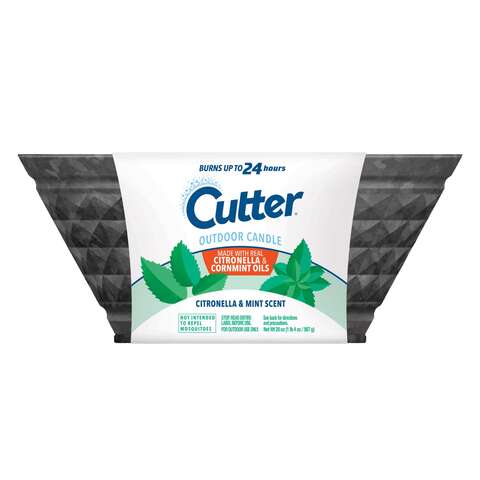
Yes, you can burn citronella oil in a kerosene lamp, as long as you use the appropriate wick. Citronella oil, known for its mosquito repellent properties, can be used as an alternative to traditional kerosene or lamp oil.
However, it is important to ensure that the wick is specifically designed for use with citronella oil to prevent any safety hazards or damage to the lamp. By using the correct wick and following the manufacturer’s instructions, you can create a pleasant and functional lighting solution with the added benefit of citronella’s natural insect repellent properties.

Credit: www.mdpi.com
Understanding Citronella Oil
In the world of natural insect repellents, citronella oil has earned a reputation as a powerful weapon against pesky bugs. Derived from the leaves and stems of the Cymbopogon plant, this fragrant essential oil has been used for centuries to ward off mosquitoes and other insects. In this article, we will delve into the ins and outs of citronella oil, from its origins to its chemical composition, and how it effectively repels insects.
Explanation Of Citronella Oil And Its Origins
Citronella oil is a natural oil that is extracted from various species of the Cymbopogon plant, particularly Cymbopogon nardus and Cymbopogon winterianus. These grass-like plants are native to tropical regions such as Indonesia, India, and Sri Lanka. Traditionally, the oil was produced through a process called steam distillation, where steam was passed through the leaves and stems of the plant to extract the essential oil.
Chemical Composition Of Citronella Oil
The efficacy of citronella oil as an insect repellent can be attributed to its unique chemical composition. This oil primarily contains two key active compounds: citronellal and geraniol. Citronellal gives the oil its distinct lemon-like aroma, while geraniol adds a floral fragrance. These compounds work synergistically to repel insects, making citronella oil a popular choice in natural mosquito repellent products.
| Chemical Compound | Percentage in Citronella Oil |
|---|---|
| Citronellal | 35-45% |
| Geraniol | 20-30% |
| Citronellol | 2-8% |
Aside from citronellal and geraniol, citronella oil also contains trace amounts of other components such as citronellol, limonene, and geranyl acetate. These compounds, along with the main active ones, contribute to the overall effectiveness of the oil as an insect repellent.
How Citronella Oil Works As An Insect Repellent
Citronella oil works by masking the scents that attract insects, making it difficult for them to locate their human targets. The strong aroma of citronella confuses mosquitoes and other bugs, keeping them at bay. Additionally, citronella oil has been found to disrupt the sensory receptors of insects, making it less likely for them to detect humans through their odor. This dual-action mechanism makes citronella oil a formidable insect repellent.
- Masks scents that attract insects
- Confuses mosquitoes and other bugs
- Disrupts sensory receptors of insects
- Reduces the likelihood of insects detecting humans
One important aspect to note is that citronella oil is most effective when used in tandem with other preventive measures, such as wearing protective clothing and using mosquito nets. Combining these strategies can significantly enhance the overall effectiveness of mosquito control.

Credit: www.mdpi.com
Can citronella oil be burned in a kerosene lamp?
Yes, it is possible to burn citronella oil in a kerosene lamp. Citronella oil is often used as a natural insect repellent due to its strong and distinctive fragrance.
While kerosene lamps are traditionally associated with providing illumination in the absence of electricity, adding citronella oil to a kerosene lamp can offer the dual benefit of lighting and deterring pesky insects.
If you’re considering using citronella oil in a kerosene lamp, it’s important to familiarize yourself with the pros and cons as well as safety precautions involved. Pros and cons of using citronella oil in a kerosene lamp
Pros:
1. Insect repellent properties:
Citronella oil is known for its ability to repel mosquitoes, flies, and other insects. Burning citronella oil in a kerosene lamp can create a barrier against these annoying pests, making your outdoor gatherings more enjoyable.
2. Cost-effective:
Using a kerosene lamp with citronella oil can be cost-effective. It eliminates the need for purchasing separate insect repellents or candles, which can be quite expensive in the long run.
3. Ambient lighting:
Kerosene lamps provide a soft and ambient lighting that can enhance the atmosphere, especially during outdoor events or camping trips. By using citronella oil in the lamp, you can combine practical lighting with insect protection.
Cons:
1. Strong odor:
While some people find the scent of citronella oil pleasant, others may find it overpowering. It’s important to consider personal preferences and sensitivities to smells when using citronella oil in a kerosene lamp, especially in enclosed spaces.
2. Limited burn time:
Kerosene lamps have a limited fuel capacity, so the burn time of the citronella oil will be shorter in comparison to dedicated citronella candles. This means that the lamp may require more frequent refilling.
3. Fire hazard:
Like any other flammable oil, citronella oil poses a fire hazard if not used properly. It’s important to follow safety precautions, such as keeping the lamp away from flammable objects and ensuring proper ventilation. Safety precautions when burning citronella oil in a kerosene lamp
When using citronella oil in a kerosene lamp, it’s crucial to prioritize safety.
Here are some key precautions to consider:
1. Ventilation: Ensure that the area where the lamp is used has proper ventilation to prevent the buildup of fumes. Avoid using the lamp in enclosed spaces without adequate airflow.
2. Keep away from flammable objects: Place the kerosene lamp on a stable surface away from any flammable materials, such as curtains, furniture, or paper. This minimizes the risk of accidental fire.
3. Supervision: Never leave a burning kerosene lamp unattended. Always stay in the vicinity to monitor the lamp and extinguish the flame when necessary.
4. Extinguishing the flame: Use the designated snuffer or proper extinguishing methods to extinguish the flame safely. Avoid blowing out the flame directly, as it can cause the dispersal of hot oil.
By following these safety precautions, you can enjoy the benefits of using citronella oil in a kerosene lamp while minimizing potential risks. Whether you’re hosting an outdoor gathering or simply relaxing on your patio, a kerosene lamp with citronella oil can provide ambient lighting and help keep those pesky insects at bay.
Benefits Of Using Citronella Oil In A Kerosene Lamp
Citronella oil is a popular and effective insect repellent, known for its ability to keep pesky bugs at bay. When used in a kerosene lamp, it offers several benefits that make it an appealing choice for outdoor activities and gatherings.
Effectiveness Of Citronella Oil As An Insect Repellent In A Kerosene Lamp
Using citronella oil in a kerosene lamp has been proven to be highly effective in repelling insects. The strong aroma emitted by the burning oil creates a barrier that deters mosquitoes, flies, and other bugs from entering the area.
Longevity Of Citronella Oil When Burned In A Kerosene Lamp
One of the key advantages of using citronella oil in a kerosene lamp is its longevity. Unlike traditional candles or torches, a kerosene lamp can burn for several hours without needing a refill. Similarly, when citronella oil is burned in a kerosene lamp, it lasts for a significant amount of time, allowing you to enjoy bug-free evenings without constant interruptions.
Aside from being an effective insect repellent and offering long-lasting protection, citronella oil has additional benefits when used in a kerosene lamp.
| 1. Eco-Friendly | Citronella oil is derived from natural sources, making it an eco-friendly choice. By using a kerosene lamp with citronella oil, you are opting for a greener alternative compared to chemical insecticides or other bug control methods. |
| 2. Aromatic Ambiance | The pleasant scent emitted by citronella oil adds to the overall ambiance of your outdoor space. It creates a relaxing and enjoyable atmosphere, making it perfect for outdoor gatherings and events. |
| 3. Versatility | While citronella oil is commonly associated with repelling mosquitoes, it is also effective against a wide range of insects including flies, gnats, and even ticks. This versatility makes it a valuable addition to your kerosene lamp, providing comprehensive bug protection. |

Credit: www.acehardware.com
Frequently Asked Questions For Can You Burn Citronella Oil In A Kerosene Lamp
Can You Burn Citronella Oil In A Kerosene Lamp?
Yes, you can burn citronella oil in a kerosene lamp. Citronella oil can be a good alternative to traditional fuels due to its insect-repellent properties.
Is Citronella Oil Safe To Burn Indoors?
While citronella oil is generally safe to burn indoors, it is important to take precautions. Make sure the area is well-ventilated and use proper equipment to avoid any accidents.
Does Burning Citronella Oil Repel Mosquitoes?
Yes, burning citronella oil can help repel mosquitoes. The scent of citronella masks the carbon dioxide and lactic acid in your breath, which are attractants for mosquitoes.
Can Citronella Oil Be Used In Oil Lamps Other Than Kerosene Lamps?
Absolutely! Citronella oil can be used in various oil lamps, such as ceramic, glass, or metal. Just ensure that the lamp is designed for use with oil-based fuels.
Conclusion
It is not recommended to burn citronella oil in a kerosene lamp due to potential safety hazards and inefficiency. While citronella oil is commonly used as a bug repellent, its chemical composition differs from kerosene. This difference may lead to clogged wicks, inconsistent burning, and even dangerous situations.
It is best to use citronella oil in its intended form, such as in candles or diffusers, for optimal results and safety.

I’m Emily Johnson, an affiliate marketer and blogger focused on lamps and lighting. I share honest reviews, simple buying guides, and practical tips. My goal is to help readers choose the right lamp for their space, style, and budget with confidence.