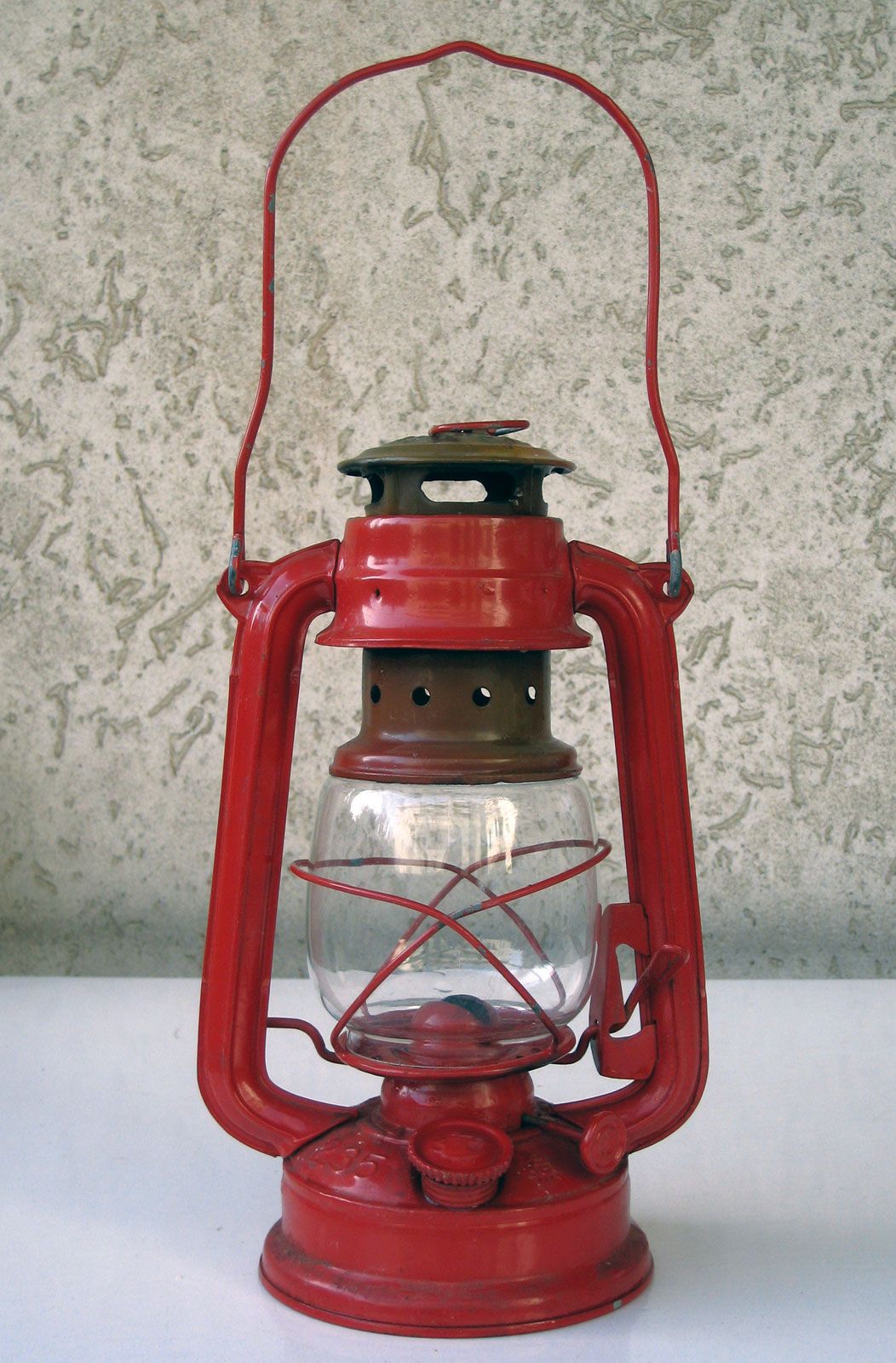
To light an oil lamp for the first time, fill the lamp with oil and carefully light the wick. Lighting an oil lamp can be a beautiful and nostalgic way to add warmth and ambiance to your space.
Whether you’re seeking a romantic atmosphere or simply want to experience the charm of old-fashioned lighting, knowing how to properly light an oil lamp is essential. In this guide, we will provide step-by-step instructions on how to light an oil lamp for the first time.
By following these simple guidelines, you’ll be able to safely and efficiently illuminate your lamp, creating a cozy and inviting environment in your home or outdoor setting. So let’s get started and discover the art of lighting an oil lamp.
Understanding Oil Lamp Safety
Newcomers to oil lamps can ensure safety by carefully following these steps for lighting an oil lamp for the first time, making it a hassle-free experience. Step-by-step instructions will help you avoid any potential hazards and enjoy the warm glow of your oil lamp.
Understanding Oil Lamp Safety When it comes to lighting an oil lamp for the first time, it is crucial to prioritize safety. Oil lamps have been used for centuries to provide a warm and cozy ambiance, but if not handled properly, they can also pose certain risks.
By understanding the necessary precautions, you can ensure a safe and enjoyable experience with your oil lamp. In this section, we will explore the essential aspects of oil lamp safety, including choosing the right oil, preparing the lamp, and creating a safe environment.
Choosing The Right Oil
The type of oil you select for your oil lamp plays a critical role in both the performance and safety of the lamp. It is vital to choose a high-quality oil specifically designed for oil lamps. Here are some key considerations to keep in mind when selecting oil:
- Use only lamp oil or clear kerosene – Avoid using flammable substances like gasoline or ethanol, as they can cause accidents.
- Pure and odorless – Ensure the oil you choose is free from impurities and has no strong odors.
- Low smoke and soot – Opt for oils that produce minimal smoke and soot to prevent the accumulation of residue that can affect the lamp’s performance.
Preparing The Lamp
Properly preparing your oil lamp before lighting it is crucial for safe operation. Follow these steps to ensure your lamp is ready to use:
- Inspect the lamp – Check for any cracks or damage in the lamp’s body or chimney. Replace any defective parts before use.
- Clean the lamp – Remove any dust, debris, or residual oil from the lamp using a soft cloth or brush. This helps prevent blockages and ensures a steady and even flame.
- Fill the lamp – Carefully fill the lamp with the chosen oil, leaving enough space at the top to avoid overflow when lit. Take care not to spill any oil and wipe off any spills immediately to prevent accidents.
- Trim the wick – If your oil lamp has a wick, trim it to a quarter-inch length to promote a clean, efficient burn.
Creating A Safe Environment
Aside from the oil lamp itself, creating a safe environment is equally important for safe operation. Here are some tips to ensure a safe setup:
- Keep away from flammable objects – Place the oil lamp on a stable, non-flammable surface, away from curtains, paper, and other potentially combustible materials.
- Provide proper ventilation – Ensure the room is well-ventilated to prevent the buildup of fumes. This is especially crucial if you are using a larger or multiple oil lamps simultaneously.
- Supervise the lamp – Never leave a burning oil lamp unattended. Always monitor it closely to prevent accidents and be ready to extinguish the flame if necessary.
By understanding and implementing these essential safety measures, you can confidently light an oil lamp for the first time.
Remember to choose the right oil, prepare the lamp correctly, and create a safe environment. Enjoy the warm glow and timeless beauty of your oil lamp while prioritizing safety at all times.

Credit: m.youtube.com
Preparing The Oil Lamp
To light an oil lamp for the first time, begin by filling the lamp with oil, making sure not to overfill it. Trim the wick, leaving around 1/4 inch exposed, then carefully light the wick with a match or lighter.
Adjust the flame as desired and enjoy the warm glow of the lamp.
Cleaning The Lamp
Before you can start lighting your oil lamp, it’s important to ensure that it is clean and free from any dust or debris. Cleaning the lamp regularly will not only improve its performance but also extend its lifespan. To clean the lamp, follow these steps:
- Remove the glass chimney, if your oil lamp has one. Set it aside in a safe place.
- Take a soft cloth and gently wipe the exterior of the lamp to remove any dirt or grime.
- If your lamp has a removable oil reservoir, carefully remove it and empty any remaining oil. Clean the reservoir using warm soapy water and rinse it thoroughly. Allow it to dry completely before reattaching it to the lamp.
- Using a small brush or a cotton swab, clean the burner and the wick adjuster carefully. Make sure to remove any dirt or residue that may have accumulated.
- Once everything is clean and dry, reassemble the lamp, ensuring all the parts are securely in place.
Adding The Oil
Now that your oil lamp is clean, it’s time to add the oil. Choosing the right oil is essential for optimal performance. It’s recommended to use a high-quality lamp oil that is specifically designed for oil lamps. Follow these steps to add the oil:
- Unscrew the oil reservoir or remove the cap if your lamp has one.
- Using a funnel, carefully pour the lamp oil into the reservoir, taking care not to overfill it.
- Fill the reservoir to approximately three-quarters full. This will allow for proper airflow and prevent spillage when lighting the lamp.
- Once the oil is added, securely reattach the reservoir to the lamp.
Trimming The Wick
Proper wick maintenance is crucial for a well-functioning oil lamp. Trimming the wick regularly will not only prevent excessive smoke and odor but also ensure a steady and bright flame. Follow these steps to trim the wick:
- Remove the glass chimney, if present, to access the wick.
- Locate the wick adjuster, which is usually a small knob or lever near the burner.
- Gently turn the wick adjuster counterclockwise to lower the wick, ensuring it is no longer than 1/4 inch above the burner.
- Trim any excess wick with a sharp pair of scissors, making sure to remove any charred or frayed edges.
- After trimming, turn the wick adjuster clockwise to raise the wick back to its desired height.
- Replace the glass chimney, if applicable, and make sure it fits securely.
How To Light An Oil Lamp For The First Time? Beginner’s Guide
Lighting an oil lamp can be a beautiful and serene experience, providing a warm and gentle glow that adds a touch of nostalgia to any space. Whether you’re lighting an oil lamp for the first time or seeking a refresher, the process is relatively simple.
In this guide, we’ll walk you through the steps to effectively light your oil lamp and create a cozy ambiance in your home.
Checking For Proper Airflow
Before you begin lighting your oil lamp, it’s important to ensure that there is proper airflow. Proper airflow is essential for an oil lamp to burn efficiently and create a steady flame. Start by checking the chimney or any air vents to make sure they are clean and free from any obstructions. Any obstructions can hinder the flow of air and impact the performance of your oil lamp.
Positioning The Wick
Once you’ve confirmed that the airflow is clear, it’s time to position the wick correctly. The wick acts as the fuel source for your oil lamp, and its placement is crucial for an even and consistent burn.
Begin by lowering the wick slightly below the level of the burner, ensuring that it is centered and remains straight. An even and straight wick will help maintain a steady flame and prevent any unnecessary smoke or soot.
Igniting The Wick
Now that the airflow is clear and the wick is properly positioned, it’s time to ignite the lamp. To do this, use a lighter or a long matchstick to carefully light the tip of the wick. Hold the flame close to the wick but avoid touching it directly.
Once the wick catches fire, you can gradually increase the flame by adjusting the wick’s height using the knob or dial provided, depending on your lamp’s design.
Remember to exercise caution while lighting your oil lamp and never leave it unattended. Keep flammable objects away from the lamp, and be sure to extinguish it properly when you’re done enjoying its warm glow.
By following these simple steps, you can successfully light an oil lamp for the first time and create an enchanting atmosphere in your home. With the right care and attention, your oil lamp can become a cherished piece that adds beauty and tranquility to your space.

Credit: en.wikipedia.org
Maintenance And Troubleshooting
When it comes to lighting an oil lamp for the first time, it’s important to not only handle the initial lighting process but also to understand how to properly maintain and troubleshoot the lamp for optimal performance.
By taking care of your oil lamp, you can enjoy a reliable and consistent light source that adds a touch of ambience to any space.
In this section, we will discuss the essential maintenance tasks and troubleshooting techniques to help you keep your oil lamp in excellent working condition.
Cleaning And Refilling The Lamp
A clean lamp is essential for proper functioning and to prevent any potential issues. Cleaning the lamp should be a regular part of your maintenance routine. Here are some steps to follow:
- Start by removing the chimney and any other detachable parts of the lamp.
- Using a soft cloth or sponge, wipe away any dust or dirt from the lamp’s exterior. Pay attention to areas that may accumulate oil residue.
- To clean the burner, carefully remove it from the lamp. Use a small brush or an old toothbrush to gently scrub away any soot or debris.
- Inspect the wick and trim it if necessary. A well-trimmed wick helps promote better fuel combustion and prevents smoke and odor.
- Refilling the lamp is an important step to ensure it continues to produce a steady flame. Use only the recommended oil for your lamp and avoid overfilling.
Handling Common Issues
Even with proper maintenance, you may encounter some common issues while using an oil lamp. Here are a few troubleshooting tips to help address these problems:
| Issue | Solution |
|---|---|
| The flame flickers or is too small | Check the wick and adjust it to a higher position. Ensure the chimney is clean and properly seated. |
| Smoke or strong odor | Trim the wick to the correct height. Make sure the lamp is properly cleaned and refill with fresh oil. |
| Excessive soot buildup | Inspect the chimney and burner for any blockages or obstructions. Clean them thoroughly and use a properly trimmed wick. |
| Difficulty in lighting | Ensure the wick is in good condition and not overly saturated with oil. Adjust the wick to a slightly higher position and try lighting again. |
Storing The Lamp
Proper storage is necessary when the lamp is not in use to prevent any damage. Follow these guidelines:
- Clean the lamp thoroughly before storing it to remove any oil residue or dirt.
- Place the lamp in a dry and cool area away from direct sunlight.
- If possible, keep the lamp in its original box or cover it with a cloth to protect it from dust and scratches.
By regularly cleaning and maintaining your oil lamp, as well as knowing how to troubleshoot common issues, you can ensure it remains a reliable and charming source of light for years to come.
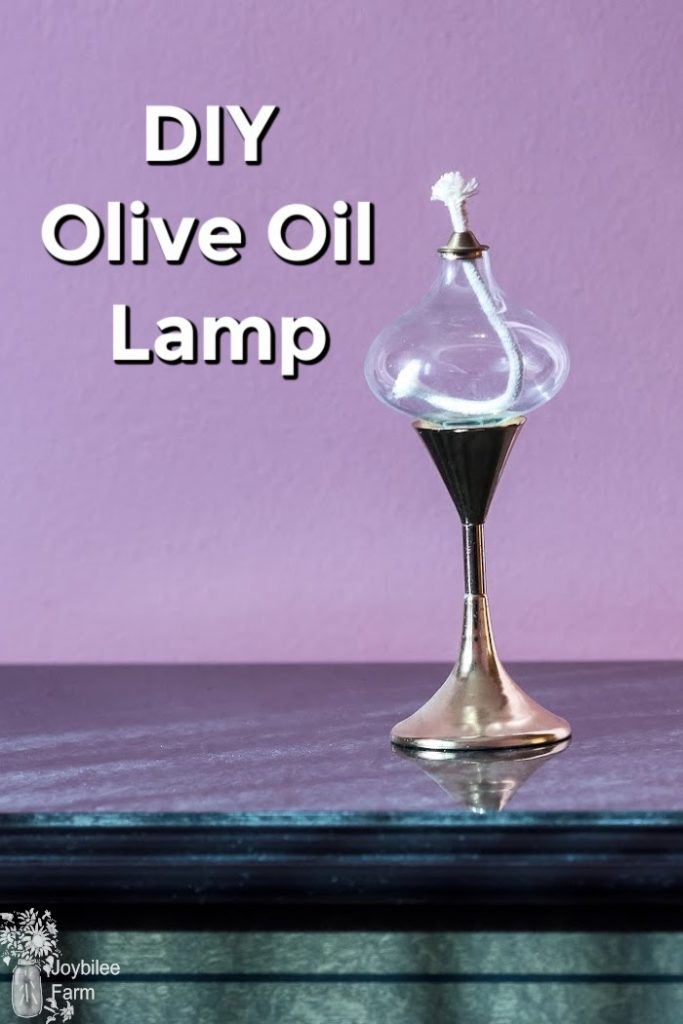
Credit: joybileefarm.com
Frequently Asked Questions For How To Light An Oil Lamp For The First Time
How Do I Prepare An Oil Lamp For Lighting?
To prepare an oil lamp, fill the base with lamp oil, insert a wick, and let it soak for 10 minutes before lighting it.
Can I Use Any Type Of Oil In My Oil Lamp?
No, you should only use high-quality lamp oil specifically designed for oil lamps to ensure proper function and safety.
How Do I Properly Light An Oil Lamp?
To light an oil lamp, hold a lit match or lighter near the wick, gradually raise the wick, and let it catch fire. Adjust the flame height as needed.
How Do I Safely Extinguish An Oil Lamp?
To safely extinguish an oil lamp, gently blow on the flame or use a snuffer to cut off the oxygen supply. Never use water to extinguish an oil lamp.
Conclusion
Lighting an oil lamp for the first time can be a bit intimidating, but with the right technique and a little practice, it is actually quite simple.
Remember to start by choosing a suitable location for your lamp, away from any flammable materials. Fill the lamp with the recommended type of oil, making sure not to overfill it. Next, carefully insert the wick into the burner and allow it to soak up the oil for a few minutes.
Finally, use a long match or lighter to ignite the wick and adjust the flame to your desired brightness. With these steps in mind, you’ll be able to enjoy the warm and comforting glow of your oil lamp in no time. Happy lighting!

I’m Emily Johnson, an affiliate marketer and blogger focused on lamps and lighting. I share honest reviews, simple buying guides, and practical tips. My goal is to help readers choose the right lamp for their space, style, and budget with confidence.