
Yes, it is safe to use denatured alcohol in an oil lamp. Denatured alcohol works effectively as a fuel source and can be used as a substitute for traditional lamp oil.
The alcohol burns cleanly and provides a steady and reliable source of light. Additionally, denatured alcohol is readily available and often more affordable than other fuel options for oil lamps. However, it is important to use caution and follow proper safety guidelines when handling and storing denatured alcohol, as it is highly flammable.
Always read and adhere to the instructions provided by the manufacturer of your oil lamp to ensure safe and efficient use.
What Is Denatured Alcohol?
Denatured alcohol is a type of solvent that has undergone a process to make it unsuitable for consumption. It has a wide range of applications, including industrial, household, and in this case, as a fuel source for oil lamps.
The denaturing process involves adding substances to ethanol to render it poisonous or unpalatable, which makes it exempt from certain taxes and regulations. This process has made denatured alcohol a popular choice as a cheaper alternative to other lamp fuels.
Definition And Composition
Denatured alcohol, also known as methylated spirits, is essentially ethanol mixed with denaturing agents. These agents can be additives such as methanol, isopropanol, or methyl ethyl ketone, which alter the properties of the alcohol and make it unfit for human consumption.
The specific composition of denatured alcohol can vary depending on the intended purpose, with different formulas used for industrial, medical, or household uses. Its high volatility and flammable nature make it a suitable fuel for oil lamps.
Uses Of Denatured Alcohol
Denatured alcohol has a wide range of applications due to its solvent properties. Here are some common uses:
- As a fuel source for oil lamps, like the ones used for decoration or emergency lighting.
- In the medical field, it is often used as a disinfectant for cleaning medical equipment and surfaces.
- As a solvent, denatured alcohol is used in various industrial processes such as paint thinning, metal cleaning, and degreasing.
- It can be found in household products like cleaning agents, glass cleaners, and hand sanitizers.
- In the automotive industry, it is used as a fuel additive and as a cleaner for car parts.
Overall, denatured alcohol is a versatile and affordable solvent that finds multiple applications across different industries. However, it is essential to remember that due to its toxic nature, it should be used with caution and kept away from open flames or heat sources.
Oil Lamps and Their Fuel Sources
Oil lamps have long been used as a source of light and warmth, dating back to ancient times. While modern lighting options such as electric lamps and candles have gained popularity, oil lamps still hold a special charm.
One important aspect of using oil lamps is the choice of fuel source. Different types of oil lamps require specific types of fuel for optimum performance and safety.
Types of Oil Lamps
Oil lamps come in various designs, each with its own unique features. Understanding the different types of oil lamps can help you choose the one that best suits your needs and preferences.
| Type | Description |
|---|---|
| Whale oil lamps | Traditional oil lamps that were fueled by rendered whale blubber. They are now rare due to environmental concerns. |
| Kerosene lamps | Popular oil lamps that use kerosene as fuel. They provide a bright and steady flame. |
| Vegetable oil lamps | A more environmentally friendly option that utilizes vegetable oils such as olive oil or canola oil. |
Traditional Fuel Sources For Oil Lamps
Historically, oil lamps were fueled by various substances, depending on the available resources. Whale oil is commonly used but has become less prevalent due to conservation efforts. Kerosene became the preferred fuel source during the 19th and early 20th centuries.
However, the dependence on fossil fuels and concerns about pollution have led many people to seek alternative fuel options for their oil lamps.
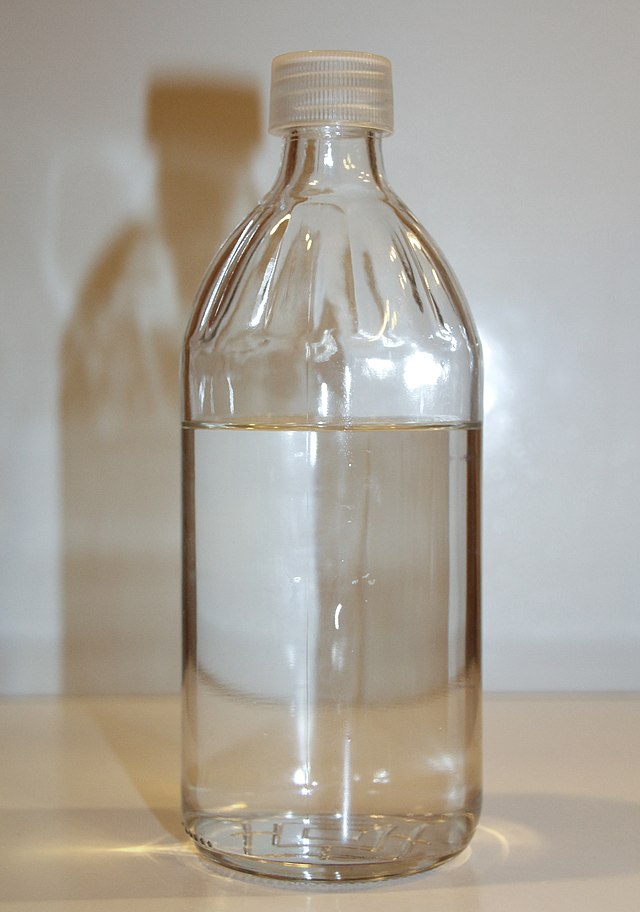
Credit: en.wikipedia.org
Benefits of Using Denatured Alcohol in Oil Lamps
One alternative fuel option for oil lamps is denatured alcohol. Denatured alcohol is a highly flammable liquid that is commonly used as a fuel in camp stoves and as a solvent. Here are some key benefits of using denatured alcohol in oil lamps:
- Availability: Denatured alcohol is widely available in hardware stores and supermarkets, making it convenient for those who want to use their oil lamps frequently.
- Clean-burning: Denatured alcohol produces a clean-burning flame, free from soot or smoke, ensuring a brighter and more efficient source of light.
- Odorless: Unlike some traditional fuel sources for oil lamps, denatured alcohol is odorless, eliminating any unpleasant smells that may accompany the use of other fuels.
- Easy to store: Denatured alcohol can be easily stored, as it does not have the same safety concerns associated with kerosene or other flammable liquids.
- Lower environmental impact: Denatured alcohol is considered a more environmentally friendly fuel option, as it is derived from renewable resources and has lower emissions compared to fossil fuels.
- Versatility: Denatured alcohol can be used in both indoor and outdoor oil lamps, providing flexibility for different lighting needs.
Using denatured alcohol as a fuel source for oil lamps can enhance your lighting experience while minimizing environmental impact. Before using denatured alcohol in your oil lamp, it is important to read the instructions provided by the manufacturer and ensure that the lamp is compatible with this type of fuel for safe and optimal performance.
Can Denatured Alcohol Be Used In An Oil Lamp?
Can Denatured Alcohol Be Used In An Oil Lamp?
If you are an oil lamp enthusiast or someone who enjoys the soft and warm glow of lighting oil lamps, you might be wondering if denatured alcohol can be used as a fuel source. Denatured alcohol is a common household solvent that is often used for various purposes, but can it be a suitable alternative to traditional lamp oil?
In this section, we will explore the topic of using denatured alcohol in oil lamps and provide you with some safety considerations, compatibility information, and helpful tips for using denatured alcohol in your oil lamps.
Safety Considerations
When considering using denatured alcohol in your oil lamp, it’s crucial to prioritize safety. Denatured alcohol is highly flammable and should be handled with caution. Here are a few safety considerations to keep in mind:
- Ensure proper ventilation in the area where you will be using the oil lamp. Adequate airflow helps prevent the buildup of flammable vapor.
- Keep denatured alcohol away from open flames and sources of heat.
- Use a suitable and secure fuel container designed for oil lamps.
- Store denatured alcohol in a cool and well-ventilated area, away from any ignition sources.
- Always keep a fire extinguisher nearby and know how to use it.
Compatibility With Different Types Of Oil Lamps
It is important to note that not all oil lamps are compatible with denatured alcohol. Some oil lamps are specifically designed to burn lamp oil and may not function properly or safely with denatured alcohol. Before using denatured alcohol in your oil lamp, check the manufacturer’s guidelines or consult with a knowledgeable expert to ensure compatibility.
Furthermore, it’s essential to consider the wick material in your oil lamp. Some wicks may not work effectively with denatured alcohol, leading to inefficient burning or potential safety hazards. Always check if your wick is suitable for use with denatured alcohol before proceeding.
Tips For Using Denatured Alcohol In Oil Lamps
If you have determined that your oil lamp is compatible with denatured alcohol, here are some tips to help you make the most of your experience:
- Use a clean, dry fuel container to prevent contamination and ensure optimal burning.
- Fill the fuel container up to the recommended level, avoiding overfilling.
- Allow the wick to soak in the denatured alcohol for a few minutes before lighting it.
- Keep the flame at a manageable and safe height by adjusting the wick as needed.
- Never leave a burning oil lamp unattended and always extinguish the flame when not in use.
By following these tips, you can enjoy the warm and cozy ambiance of your oil lamp fueled by denatured alcohol. Just remember to prioritize safety and ensure compatibility before using denatured alcohol in your oil lamps.

Credit: www.mdpi.com
Frequently Asked Questions On Can I Use Denatured Alcohol In An Oil Lamp
Can Denatured Alcohol Be Used In An Oil Lamp?
Yes, denatured alcohol can be used in an oil lamp as a fuel source. It burns cleanly and produces a bright flame.
Is Denatured Alcohol Safe To Use In An Oil Lamp?
Denatured alcohol is safe to use in an oil lamp when used properly. However, it should never be ingested or used near an open flame without proper ventilation.
What Are The Benefits Of Using Denatured Alcohol In An Oil Lamp?
Using denatured alcohol in an oil lamp provides several benefits. It is a cost-effective fuel option, burns efficiently, and produces minimal smoke and soot.
Are There Any Alternatives To Denatured Alcohol For An Oil Lamp?
Yes, there are alternative fuel options for oil lamps such as kerosene, lamp oil, or citronella oil. These alternatives can be used depending on personal preference and availability.
Conclusion
Using denatured alcohol in an oil lamp can be a convenient solution, but it is important to consider safety and performance factors. While it burns efficiently and produces a bright flame, denatured alcohol is highly flammable and may emit strong odors.
Additionally, chemical additives in denatured alcohol can potentially damage the wick and other components of the oil lamp. So, before using denatured alcohol, it is advisable to consult the manufacturer’s guidelines and consider alternative fuel options for a safe and enjoyable lighting experience.

I’m Emily Johnson, an affiliate marketer and blogger focused on lamps and lighting. I share honest reviews, simple buying guides, and practical tips. My goal is to help readers choose the right lamp for their space, style, and budget with confidence.