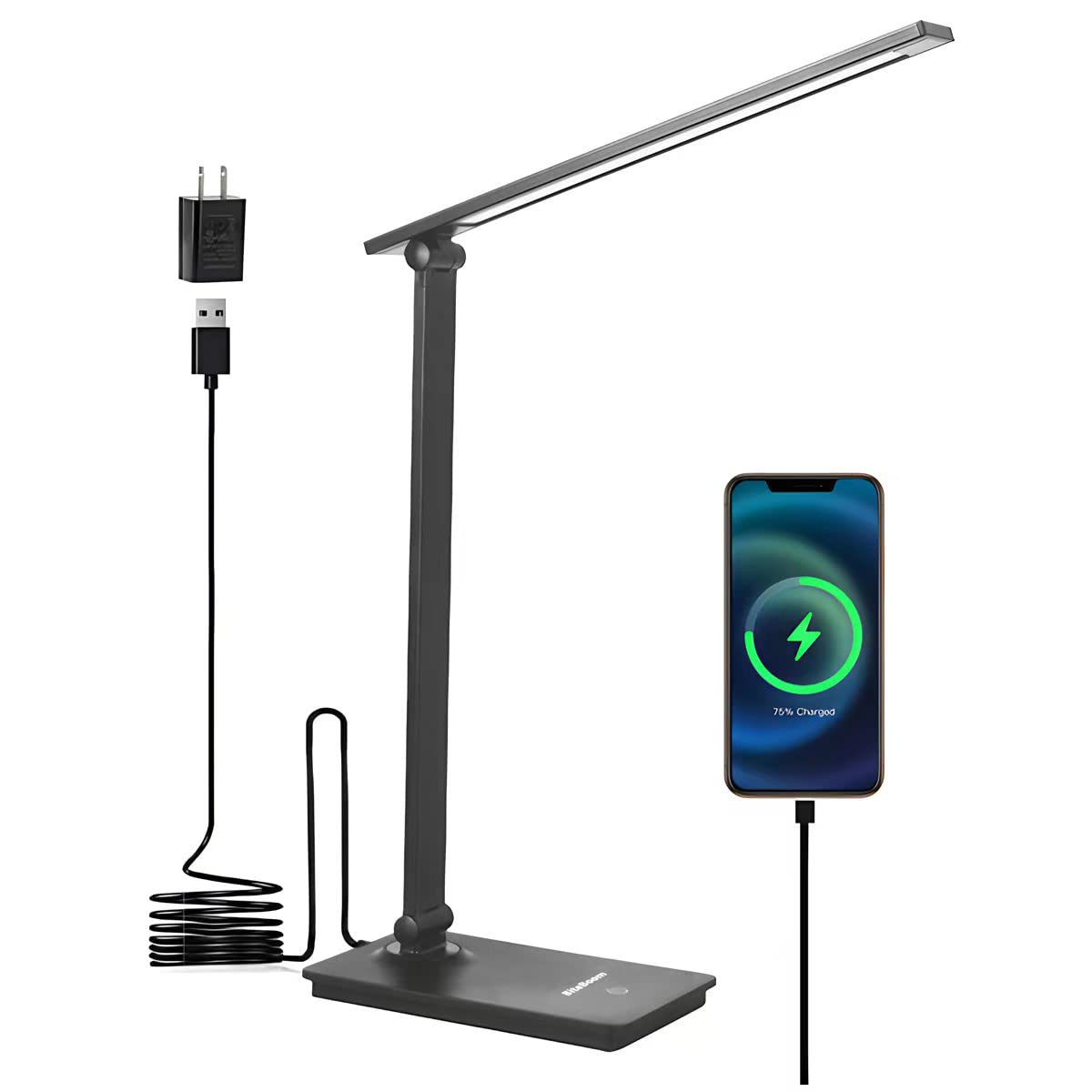
Place the desk lamp above your head and direct it down on your workspace, preventing shadows by positioning it in the opposite corner of where you’re working. This ensures optimal lighting and reduces shadows while you work.
Defining Ideal Desk Lamp Positioning
Proper positioning of your desk lamp plays a crucial role in creating an efficient and comfortable workspace. The ideal placement of your desk lamp ensures that you have adequate lighting while minimizing shadows and eyestrain. Let’s explore the importance of desk lamp positioning and its impact on your overall comfort and efficiency.
Importance Of Desk Lamp Positioning
Proper desk lamp positioning is essential to optimize your workspace lighting. By strategically placing your desk lamp, you can create an environment that is conducive to productivity and reduces the risk of eye fatigue. Here are a few key reasons why desk lamp positioning matters:
- Optimal Illumination: Positioning your desk lamp above your head and directing the light down onto your workspace ensures that your work area is effectively illuminated. This helps to reduce eye strain and enables you to work for extended periods without discomfort.
- Shadow Prevention: To prevent shadows from hindering your work, it’s important to place the desk lamp in the opposite corner of where you are working. For example, if you are left-handed, position the lamp to the right to avoid shadows while writing.
- Minimize Glare: Placing the desk lamp at an angle that covers your screen will help to avoid glare. This means the light source should not be positioned behind you but rather mounted just below or over your desk. By doing so, you can work on your computer or laptop without any distracting reflections on the screen.
Impact On Comfort And Efficiency
The positioning of your desk lamp directly influences your comfort and efficiency levels. Here’s how:
- Reduced Eye Strain: The correct placement of your desk lamp ensures that the light falls evenly on your workspace, preventing eyestrain. This promotes better focus and concentration, allowing you to work for longer periods without experiencing discomfort.
- Improved Productivity: Adequate lighting provided by a well-positioned desk lamp enhances your ability to read and write with ease. This not only boosts productivity but also enhances the quality of your work.
- Enhanced Ergonomics: Positioning your desk lamp in a way that it illuminates your immediate working area without casting shadows on your hands or materials promotes better ergonomics. This reduces the risk of strain or injury from awkward posture or movements caused by poor visibility.
By understanding the importance of desk lamp positioning and its impact on your comfort and efficiency, you can create an ideal illuminated workspace that enhances your productivity and overall well-being. Next, let’s explore some practical tips on where to place your desk lamp for maximum effectiveness.
Tailoring Light For Task Significance
For optimal lighting, place your desk lamp above your head, directing the light downward onto your workspace. Avoid shadows by positioning the lamp in the opposite corner of where you’re working, such as to the right if you’re left-handed.
Desk Lamp Placement For Reading And Writing
When it comes to reading and writing, the placement of your desk lamp plays a crucial role in providing optimal lighting. To prevent shadows from interfering with your work, it’s recommended to keep the light above your head and direct it down onto your workspace. Placing the lamp in the opposite corner of where you’re working can help eliminate shadows.
If you are left-handed, position the desk lamp to the right of your workspace to avoid casting shadows while you write. This simple adjustment can greatly enhance your reading and writing experience.
Placement For Computer And Screen Work
For computer and screen work, it is important to ensure that your desk lamp is positioned in a way that maximizes visibility and minimizes strain on your eyes. The best placement for your desk lamp in this scenario is next to your computer, with the beam directed towards your keyboard or notebook. This helps illuminate your immediate workspace and reduces glare on the screen. Placing the light source on the opposite side of your dominant hand can also prevent hand shadows from obstructing your view. By tailoring the light to suit your specific task, you can create a comfortable and visually-accommodating environment for computer and screen work.
Where To Place Desk Lamp For Optimal Illumination
Achieve optimal illumination with your desk lamp by positioning it above your head, directing the light down onto your workspace. To prevent shadows, place the lamp in the opposite corner of where you’re working, ensuring it is positioned correctly based on your dominant hand.
Considering Natural Light Sources
When it comes to placing your desk lamp for optimal illumination, it is important to take into consideration the natural light sources in your workspace. Natural light can provide a bright and pleasant environment, reducing the need for artificial lighting during the day.
In order to make the most of natural light, position your desk near a window, preferably facing north or south, to avoid shadows throughout the day. By utilizing the natural light source, you can reduce eye strain and create a more comfortable working environment.
Adjusting Lamp Placement Based On The Time Of Day
As the day progresses and the natural light changes, it is crucial to adjust the placement of your desk lamp to maintain optimal illumination. A good rule of thumb is to keep the light above your head and direct it down onto your workspace.
During the morning when the sun is rising and the light is softer, position your desk lamp on the opposite corner of where you are working to prevent shadows from forming. For example, if you are left-handed, the desk lamp should be positioned to the right, ensuring that shadows do not interfere with your writing or tasks.
As the sun moves across the sky and the lighting becomes harsher, adjust the angle and intensity of your desk lamp to minimize glare on your workstation. Avoid placing the lamp directly behind you, as this can cause unwanted reflections and eyestrain. Instead, position the lamp at an angle that covers your screen, providing balanced lighting and reducing glare.
By taking into account the changing natural light and adjusting the placement of your desk lamp accordingly, you can create a well-lit workspace that promotes productivity and reduces eye fatigue.
:max_bytes(150000):strip_icc()/tips-for-better-home-office-lighting-1812436-01.1-HERO-17b6f1ec4b174c7f9017e788cbe8cf81.jpg)
Credit: www.thespruce.com
Eliminating Shadows And Glare Like A Pro
For optimal lighting, place your desk lamp above your head and direct it down onto your workspace. To avoid shadows, position the lamp in the opposite corner of where you’re working, such as placing it to the right if you’re left-handed.
Techniques To Minimize Shadows For Left And Right-handed Individuals
When it comes to positioning your desk lamp, eliminating shadows is crucial for maintaining an optimal workspace. For left-handed individuals, positioning the lamp on the right side of your desk is key. By doing so, the light will be directed away from your writing hand, ensuring that shadows don’t interfere with your work.
Alternatively, for right-handed individuals, placing the lamp on the left side of the desk will achieve the same shadow-free effect. By following these simple techniques, you can ensure that your lighting setup supports your productivity and prevents any unnecessary distractions.
Placement Strategies To Avoid Screen Glare
Screen glare can be a major hinderance to your productivity and overall visual comfort. To combat glare and create an optimal working environment, carefully consider the placement of your desk lamp. The best approach is to position the lamp next to your computer or laptop, with the beam pointing towards your keyboard or notebook.
This setup provides localized lighting that illuminates your immediate workspace without causing glare on your screen. Remember, the goal is to achieve a balance between ambient lighting and task-specific lighting, allowing you to work comfortably without straining your eyes.
Additionally, it’s important to ensure that your desk lamp is not positioned directly behind you, as this can cause shadows to be cast onto your screen. Instead, place the lamp at an angle that covers your screen and eliminates any potential glare. Mounting the lamp just below or over your desk, slightly off-center from your screen, is an ideal placement strategy to achieve optimal lighting conditions.
By following these placement strategies and techniques, you can eliminate shadows and glare like a pro, creating a well-lit and comfortable workspace that supports your productivity and reduces eye strain.
Balancing Ambience And Task Lighting
When it comes to setting up your workspace, finding the right balance between ambience and task lighting is key. A well-placed desk lamp can not only enhance the overall atmosphere of your room but also provide the necessary illumination for focusing on your work. In this section, we will discuss two essential aspects: integrating desk lamps with room lighting and choosing the right desk lamp for your setup.
Integrating Desk Lamps With Room Lighting
Integrating your desk lamps with the existing room lighting is crucial for creating a harmonious and well-lit environment.
Consider the following tips when placing your desk lamp:
- Keep the light source above your head and direct it down onto your workspace. This not only reduces glare but also ensures that the light falls directly on your tasks.
- To prevent shadows, position the lamp in the opposite corner of where you’re working. For example, if you are left-handed, place the desk lamp to the right to avoid casting shadows while you write.
- For optimal lighting throughout the day, it is advisable to position your workstation in a north or south-facing location. This helps to minimize the chances of unwanted shadows interfering with your work.
Choosing The Right Desk Lamp For Your Setup
The right desk lamp can make a significant difference in the functionality and aesthetics of your workspace. Consider the following factors when selecting a desk lamp:
- Position the lamp next to your computer, with the beam pointing towards your keyboard or notebook. This placement ensures that you have adequate lighting for your immediate tasks.
- The light source should be positioned to avoid causing hand shadows that could streak across your work area. If you are right-handed, place the light source on the left side of your desk.
- When working on a computer or laptop, it is essential to position your desk lamp above your screen, pointing downward to illuminate the entire desk. This helps to reduce eye strain and provide even lighting.
- To minimize glare, avoid placing the light source behind you. Instead, position it at an angle that covers your screen, either mounted just below or over the desk.
By carefully integrating your desk lamp with the room lighting and selecting the right lamp for your setup, you can create a well-lit workspace that enhances both productivity and comfort.
Desk Lamp Positioning For Personal Comfort
When it comes to creating a comfortable and productive workspace, proper desk lamp positioning is crucial. The position of your desk lamp can significantly impact your personal comfort, reduce eye strain, and improve overall productivity. In this section, we will explore two important factors for desk lamp positioning: adjusting brightness and direction for eye comfort, and incorporating flexibility and adjustability in lamp selection.
Adjusting Brightness And Direction For Eye Comfort
One of the key considerations in desk lamp positioning is adjusting the brightness and direction of the light to ensure optimal eye comfort. Here are some tips to achieve this:
- Keep the light above your head and direct it down onto your workspace. This helps to prevent shadows on your work surface and provides even illumination.
- Place the lamp in the opposite corner of where you’re working to avoid casting shadows. For example, if you are left-handed, position the lamp to the right of your workspace to minimize shadow interference while you write.
- Avoid placing the lamp behind you or directly in front of the computer screen to prevent glare and eye strain. Instead, position it at an angle that covers your screen, either mounted just below or over the desk.
Incorporating Flexibility And Adjustability In Lamp Selection
Another crucial aspect of desk lamp positioning is choosing a lamp that offers flexibility and adjustability. Here are some considerations to keep in mind:
- Look for lamps with adjustable brightness settings to customize the light intensity according to your needs. This allows you to create a comfortable and well-lit environment without causing eye fatigue.
- Opt for lamps with adjustable arms or goosenecks that allow you to direct the light exactly where you need it. This feature enables you to position the lamp at the ideal angle for optimum illumination and minimizes glare.
- Consider lamps with color temperature adjustment options. Different color temperatures can have varying effects on productivity and mood, so having the ability to adjust the color temperature can enhance your overall working experience.
By considering these factors and adjusting the brightness and direction of your desk lamp, and selecting a lamp that offers flexibility and adjustability, you can create a workspace that promotes personal comfort, reduces eye strain, and boosts productivity.
Enhancing Workspace Aesthetics With Lighting
One key aspect of creating a focused and inspiring work environment is ensuring the right placement of desk lamps. Lighting plays a crucial role in setting the mood, enhancing productivity, and improving overall aesthetics.
By strategically positioning your desk lamp, you can transform your workspace into a visually pleasing and functional area. In this blog post, we will explore different lamp styles that complement your workspace design, as well as provide guidelines for optimal placement.
Lamp Styles That Complement Your Workspace Design
Choosing a desk lamp that complements your workspace design can significantly enhance the overall aesthetics. Consider the following lamp styles:
- Modern: Sleek and minimalistic designs with clean lines and metallic finishes are perfect for contemporary workspaces.
- Vintage: Antique or retro lamps can add a touch of charm and nostalgia to traditional or eclectic workspaces.
- Industrial: Industrial-style lamps with exposed bulbs and metal accents can create a trendy and edgy look in modern workspaces.
- Scandinavian: Scandinavian-inspired lamps featuring light-colored woods and simple, functional designs are ideal for minimalist and Scandinavian-themed workspaces.
Creating A Focused And Inspiring Work Environment
Proper placement of your desk lamp is crucial for creating a focused and inspiring work environment. Follow these guidelines for optimal placement:
- Positioning the lamp: Keep the light above your head and direct it down onto your workspace. This helps minimize shadows and provides even illumination.
- Avoiding shadows: Place the lamp in the opposite corner of where you’re working to prevent shadows on your desk. For example, if you’re left-handed, position the lamp to the right to avoid shadows while you write.
- Consider your dominant hand: If you’re right-handed, placing the lamp on the left side of your desk ensures that hand shadows don’t streak across your work.
By adhering to these placement guidelines, you can create an optimal lighting setup that promotes productivity and reduces eye strain.
Frequently Asked Questions For Where To Place Desk Lamp
Where Is The Best Place To Put A Desk Lamp?
The best place to put a desk lamp is above your head, directed down on your workspace. Position the lamp in the opposite corner of where you’re working to prevent shadows. For example, if you’re left-handed, place the lamp to the right.
Avoid shadows while you write.
How Should Desk Lamp Be Placed To Reduce Eyestrain?
To reduce eyestrain, place your desk lamp above your head and direct it down on your workspace. Position the lamp in the opposite corner of where you’re working to prevent shadows. For example, if you’re left-handed, place the lamp on the right side.
Avoid placing the lamp behind you to avoid glare on your screen.
Where Should Desk Lamp Be Placed For Monitor?
Place the desk lamp above your head, directing it down on your workspace. To prevent shadows, position the lamp in the opposite corner of where you’re working. For left-handed individuals, the lamp should be placed on the right side. Avoid placing the light source behind you to reduce glare on your monitor.
Where Is The Ideal Lamp Placement?
The ideal lamp placement for a desk is to keep the light source above your head and direct it down onto your workspace. To prevent shadows, place the lamp in the opposite corner of where you’re working. For example, if you’re left-handed, position the desk lamp to the right.
Also, consider placing your workstation in a north or south-facing location to avoid causing shadows throughout the day.
Conclusion
To maximize the effectiveness of your desk lamp, it’s crucial to consider its proper placement. Avoid shadows on your workspace by positioning the lamp in the opposite corner of where you’re working, especially if you’re left-handed. Additionally, placing the lamp on the right side if you’re right-handed can prevent hand shadows.
For computer work, it’s best to have the lamp next to your computer, with the beam pointing towards your keyboard or notebook. Remember, proper desk lamp placement can enhance your productivity and reduce eye strain.

I’m Emily Johnson, an affiliate marketer and blogger focused on lamps and lighting. I share honest reviews, simple buying guides, and practical tips. My goal is to help readers choose the right lamp for their space, style, and budget with confidence.