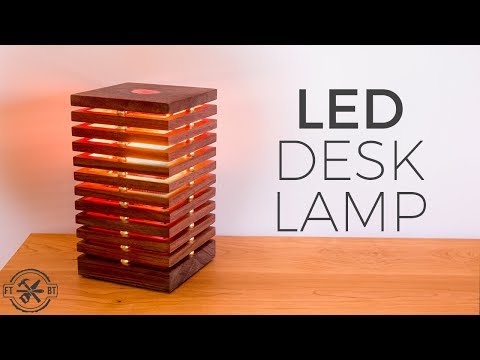
Innovative, energy-efficient, and a statement piece for your workspace—LED table lamps are a modern essential. Have you ever wondered how a bit of circuitry and creativity can turn a regular desk into an ambient lighting masterpiece? The process is simpler than you might think, and it offers a perfect blend of functionality and aesthetic appeal.
Understanding the history of LED technology can deepen your appreciation for this project. LEDs have evolved significantly since their inception in the early 1960s, offering enormous energy savings—up to 80% compared to traditional incandescent bulbs. Creating your own LED table lamp not only saves on electricity but also provides a unique opportunity to customize your lighting experience.
- Gather necessary materials: LEDs, resistors, power source, electrical wires, lamp base, soldering iron, and heat shrink tubing.
- Sketch and design your lamp for aesthetic and functional planning.
- Solder the LED circuit on a board ensuring secure connections.
- Assemble the components within the lamp base securely.
- Add finishing touches such as lampshades or decorative elements.
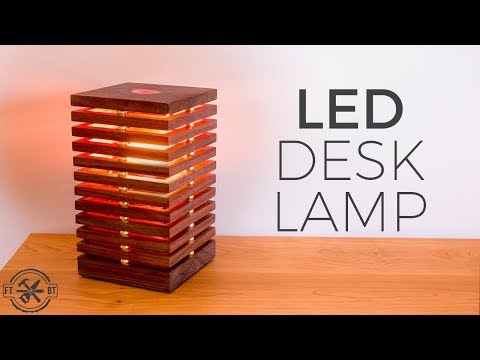
How to Make LED Table Lamp
Creating an LED table lamp is an exciting DIY project that anyone can try. First, gather all necessary materials. You’ll need LEDs, resistors, a power source, wires, and a lamp base. These items are available at any electronics store. Having everything ready before you start will make the process smoother.
Designing your lamp is the next step. Think about how you want the final product to look. Sketch a design on paper. Use this sketch as a guide when assembling your lamp. This ensures all parts fit together nicely.
Now it’s time to solder the LED circuit. Place the LEDs and resistors on a circuit board. Carefully connect them with soldering wire. Make sure all connections are solid to avoid short circuits. Following a wiring diagram can be very helpful here.
Finally, assemble and install the LED light into your lamp base. Fix the circuit board securely inside the base. Connect the power supply to the circuit. Test the lamp to ensure it works. Add any finishing touches like a lampshade or decorative elements.
Step 1: Gather Necessary Materials
Before you start building your LED table lamp, you’ll need to gather some essential materials. Having everything on hand will streamline the process and save time. Here’s a list of items you’ll need:
- LEDs
- Resistors
- Power source (battery or adapter)
- Electrical wires
- Lamp base
- Soldering iron and solder
- Heat shrink tubing or electrical tape
LEDs are the most important component of your lamp. You can find various types of LEDs, like white, colored, or even RGB LEDs, which you can change to any color. Choose the ones that suit your design and lighting needs. Resistors are also crucial as they regulate the current flowing through the LEDs. Make sure to get the correct value of resistors to prevent your LEDs from burning out.
A good power source is necessary to keep your LEDs running efficiently. You can use a battery pack or an AC adapter, depending on your preference. Electrical wires will connect all components together. Additionally, a soldering iron and solder will help you create solid electrical connections. Heat shrink tubing or electrical tape will insulate the connections to ensure safety.
Step 2: Design Your Lamp
The design phase is where your creativity comes to life. Start by deciding on the overall look of your lamp. Do you want a modern, minimalist style or something more ornate? Sketching your ideas on paper can help visualize the final product. This rough sketch will guide you through the building process.
Consider the height and width of your lamp. These dimensions will affect both aesthetics and functionality. Ensure the base is stable enough to prevent tipping over. You might also want to include adjustable parts or a flexible neck. This allows you to direct light where you need it most, increasing the lamp’s usefulness.
Think about how you’ll arrange the LED components. Will they be in a straight line or a unique pattern? Your choice of LED placement will influence the light’s diffusion and coverage area. Keep in mind the length of wires needed to connect all the LEDs. Make sure you have enough space inside the base to house the circuit board and power source.
As you finalize your design, double-check the feasibility of your sketch. Ensure all parts can be securely attached to each other. Verify that the power source and wiring are easy to access for maintenance. A well-thought-out design saves time and minimizes errors during the assembly phase.
Step 3: Solder the LED Circuit
Gather all your components before you begin soldering. Arrange the LEDs and resistors on a circuit board according to your design. Creating a mock setup can help ensure everything fits well. Make sure each component is in place and ready to be soldered. This setup phase makes the soldering process more efficient.
Heat your soldering iron to the correct temperature. A good starting point is around 350°C. Now, place the tip of the soldering iron against the joint where the LED meets the circuit board. Apply a small amount of solder to the joint. The solder should flow smoothly over the connection.
Move on to the resistors, following the same method as with the LEDs. Ensure each resistor is securely attached to the board. Consistent heating and solder application are key to solid electrical connections. Double-check each joint to avoid mistakes. A cold solder joint can lead to issues later on.
Remember to use heat shrink tubing or electrical tape to insulate the connections. This prevents short circuits and increases the durability of your lamp. Proper insulation is especially important in areas where wires might touch. Keeping safety in mind while soldering will save you trouble in the long run.
Once you’ve soldered all the components, inspect your work. Look for any loose connections or missed joints. Testing the circuit with a multimeter can verify that everything is working correctly. If all looks good, you’re ready to move on to the next step in building your LED table lamp.
Step 4: Assemble and Install the LED Light
Start by preparing your lamp base. Secure the circuit board inside the base using screws or glue, depending on the design. Ensure that the board is stable and won’t move around. This provides a solid foundation for the rest of your assembly. It also helps prevent any accidental disconnections.
Next, connect the power source to the circuit. If you’re using a battery pack, place it inside the base or in a designated compartment. For AC adapters, make sure the adapter is properly wired into the circuit. Double-check all connections to ensure they are secure. Loose connections can cause the light to flicker or not work at all.
Install the LED lights into the designated spots on your lamp. You may need to use glue or small screws to secure them. Make sure the LEDs face the direction you want the light to shine. This ensures optimal lighting and aesthetics. Pay attention to the symmetry and spacing to achieve a balanced look.
Test the lamp to make sure everything is working correctly. Turn it on and examine the brightness and distribution of light. If any LEDs aren’t lighting up, check their connections. Sometimes, a minor adjustment can fix the issue. This testing phase is crucial for spotting any last-minute problems.
After confirming everything works, you can add any finishing touches. Attach a lampshade to diffuse the light and add style. Paint or decorate the base to match your room’s decor. These final steps personalize your lamp and make it unique. Once complete, your LED table lamp is ready to use!
Step 5: Finishing Touches
Adding finishing touches to your LED table lamp gives it a polished, professional look. One simple way to enhance your lamp is by adding a lampshade. This diffuses the light and creates a softer glow. Choose a lampshade that complements the overall design of your lamp. This small addition can make a significant difference.
Consider painting or decorating the lamp base to match your style. You can use acrylic paint for a smooth, glossy finish. For a textured effect, try using fabric or wallpaper. These design choices add personality to your lamp. Customize it to blend seamlessly with your room decor.
Don’t forget to check all electrical connections one last time. Use heat shrink tubing or electrical tape to cover any exposed wires. This not only improves safety but also gives your lamp a cleaner look. Secure any loose parts and ensure everything is properly insulated. Attention to detail at this stage is crucial.
Testing the lamp under different lighting conditions is another essential step. Observe how it performs in various settings, such as a bright room or a dim one. Make any necessary adjustments to the lamp’s position or the angle of the LEDs. This ensures that your lamp will be versatile and effective in different environments.
Finally, enjoy the functionality and aesthetics of your new LED table lamp. Place it in your desired location, whether it’s on a desk, nightstand, or side table. Take pride in knowing you created a practical and stylish addition to your space. Your custom lamp will not only provide light but also serve as a unique conversation piece.
Benefits of Using LED Table Lamp
LED table lamps offer numerous advantages over traditional lighting options. One significant benefit is their energy efficiency. LEDs consume up to 80% less power than incandescent bulbs. This can lead to substantial savings on your electricity bill. It’s an eco-friendly choice that helps reduce your carbon footprint.
An LED table lamp also lasts much longer than conventional light sources. On average, an LED bulb can last up to 50,000 hours. This means fewer replacements and less hassle for you. The long lifespan reduces waste, making it a sustainable option. You’ll enjoy years of reliable lighting from a single investment.
Another key benefit is the quality of light produced by LEDs. These lamps provide bright, consistent illumination without flickering. They are excellent for reading and other tasks that require clear visibility. You can also choose from various color temperatures to suit your needs. Whether you prefer a warm or cool glow, there’s an LED bulb for it.
LED table lamps come with versatile design options as well. They are available in many styles, sizes, and shapes, allowing for easy customization to match your decor. Some models offer adjustable brightness levels or color-changing features. You can personalize your lighting experience anytime you want.
In addition to these benefits, LED lights generate very little heat compared to traditional bulbs. This makes them safer to use and reduces the risk of burns or fires. It also keeps your workspace cooler, enhancing comfort during extended use periods.
Safety Precautions When Making LED Table Lamp
Building an LED table lamp involves working with electrical components, so safety is a top priority. Always start by ensuring you have a clean and organized workspace. A clutter-free environment minimizes the risk of accidents. Keep all your tools and materials within easy reach. This setup helps you focus better and reduces distractions.
When soldering, use protective gear like safety glasses and heat-resistant gloves. These items shield your eyes and hands from potential burns. Always work in a well-ventilated area to avoid inhaling fumes. A small fan or an open window can help with ventilation. Proper gear and a well-ventilated workspace are essential for safety.
Double-check all your electrical connections before powering on your lamp. Use a multimeter to test the circuit for continuity and proper voltage levels. This step ensures everything is wired correctly and reduces the risk of short circuits. Inspect your wiring for any loose connections. Secure them with heat shrink tubing or electrical tape.
If you’re using an AC adapter, make sure it is properly rated for your LED circuit. Incorrect voltage can damage your LEDs or pose a fire hazard. Always read the specifications on both the adapter and the LEDs. This ensures compatibility and safe operation. Knowing these details can prevent costly mistakes.
Keep flammable materials away from your workspace while building your lamp. LED components produce minimal heat, but soldering tools can get very hot. Storing flammable items like paper or fabric at a safe distance is crucial. This extra precaution helps prevent accidental fires. Being cautious with your surrounding materials adds an extra layer of safety.
Tips for Maintaining Your LED Table Lamp
Maintaining your LED table lamp ensures it remains efficient and functional for years. One crucial tip is to clean the lamp regularly to prevent dust buildup. Dust can accumulate on the LEDs and dim the light. Use a soft, dry cloth to gently wipe the lamp’s surfaces. Avoid using water or cleaning sprays that might damage the electrical components.
Check the electrical connections periodically to ensure they remain secure. Over time, connections can become loose due to vibrations or accidental bumps. Tightening loose screws or reapplying electrical tape can help. Inspect the power cord and adapter for any signs of wear. A damaged power source can pose safety hazards.
Monitor the brightness and color temperature of the LEDs. If you notice a decline in brightness or a shift in color, it might be time to replace the LEDs. Most LEDs have a long lifespan, but they can eventually wear out. Make sure to use compatible replacement LEDs. Referring to the original specifications helps avoid errors.
Consider the environment where you place your lamp. Avoid extreme temperatures or high humidity areas, as these conditions can affect the lamp’s durability. Placing the lamp in a stable location away from direct sunlight also helps. Proper placement extends the life of your lamp and keeps it functioning well.
Store spare parts like LEDs and resistors in a safe, dry place. Having extra components handy can make repairs easier if something goes wrong. Label the parts for quick identification. This saves you time when performing maintenance or upgrades. Keeping spare parts organized simplifies the upkeep process.
Creative Ideas for Customizing Your LED Table Lamp
Personalizing your LED table lamp can make it a unique addition to your room. One idea is to use different colors of LEDs. You can create a lamp that changes colors based on your mood. Consider RGB LEDs for endless color combinations. This feature can make your lamp a standout piece.
Another way to customize your lamp is by adding decorative elements. Wrap the lamp base with textured materials like fabric or rope. You can also use stickers or paint to create patterns. Choose designs that reflect your personality. These touches make your lamp truly one-of-a-kind.
Adding a dimmer switch to your LED lamp enhances its functionality. This allows you to adjust the brightness according to your needs. Whether you’re reading or relaxing, a dimmer switch provides the perfect lighting. Look for a compatible dimmer for your LED setup. This small addition can greatly impact user experience.
Think about incorporating smart technology into your lamp. You can use smart bulbs that connect to an app on your phone. This lets you control the lamp’s color and brightness remotely. Setting schedules and creating automation can make your lamp smarter. Integrate with voice assistants like Alexa or Google Home for added convenience.
If you’re feeling adventurous, consider a themed lamp design. Create a nature-inspired lamp with faux leaves or flowers. Or maybe go for a techy look with exposed circuits and metal accents. The theme can match the decor of the room it will be placed in. Choosing a specific theme adds character to your lamp.

Frequently Asked Questions
Building an LED table lamp can be a rewarding DIY project. Here are some frequently asked questions to help you get started.
1. What materials do I need to build an LED table lamp?
To build an LED table lamp, you’ll need LEDs, resistors, a power source like a battery pack or adapter, electrical wires, and a lamp base. Additional tools like a soldering iron and heat shrink tubing or electrical tape are also important for securing connections and ensuring safety in your project.
You might also want decorative elements such as paint or fabric for customization. Having all these materials ready before you start will make the process more efficient and enjoyable. Make sure everything is within reach to avoid interruptions during assembly.
2. Why is choosing the right resistor crucial for my LED lamp?
Selecting the correct resistor ensures your LEDs receive the right amount of current. Too much current can damage your LEDs while too little won’t make them work efficiently. Resistors help regulate this flow by providing just enough resistance based on your power source and LED specifications.
You can calculate the required resistance using Ohm’s law: Resistance (R) = Voltage (V) / Current (I). Most online calculators will ease this process. This simple step increases the lifespan of your LEDs and keeps your circuit from overloading.
3. Can I use recycled materials for my lamp base?
Yes, using recycled materials can add uniqueness to your lamp and promote sustainability. Items like old jars, wooden blocks, or metal containers make excellent bases when cleaned properly and modified to accommodate electrical components.
This approach not only saves money but also gives you more creative control over the design. Ensure that whatever material you choose is stable enough to hold all components securely without tipping over easily.
4. How do I ensure my LED connections are secure?
Strongly soldered connections ensure that electrical paths between components remain intact under various conditions including handling or movement of the lamp. Begin with clean surfaces free from oxidation for better bond strength using a quality solder that’s designed specifically for electronics work ensures reliability too!
Avoid cold joints caused by insufficient heating time which leads bad conductivity applying heat shrink tubing over bare wires after making connections insulates them further preventing short circuits maintains overall safety while operating daily usage of device constructed correctly stands longer periods effective lighting solution trusted better future environment around household surroundings efficiently lit every occasion desired ambient setting mood factor element inherent personalized beauty crafted masterpiece worked hard enjoyed finally brought fruition visible proof effort invested into creating functional art piece illuminating life spaces loved ones collectively everyone involved positively impacted endeavor thoroughly rewarding ultimately beneficial achievement end goals actualized reality
5.How often should I clean my LED table lamp to maintain its brightness?
You should clean your LED table regularly prevent dust accumulation affecting performance ideally this done at least once week use microfiber cloth gently wipes surfaces avoiding direct contact delicate parts cans compressed air remove debris located crevices tight spots tricky handle beware abrasive cleaners chemicals potentially harm finishes coatings lamps recommend mild soap solutions necessary followed thorough drying job accomplished perfectly maintaining aesthetic appeal functionality whole device
This helps preserve clarity emitted light guarding against discoloration premature wear resulting continuous exposure contaminant particles settling onto exposed areas consequently buildup retained overtime unchecked situations arise diminished output lower quality illumination expected levels attention detail practice keeping fixture pristine condition assures continued enjoyment satisfactory service provided general upkeep pivotal aspect ensuring optimal conditions prolonged usage durable investment worth protecting nurturing always benefits numerous practical reasons extended lifespan enhanced usability optimizing visual experience overall value derived thoughtful maintenance routines prioritized habitually integrated schedules devoted users crafting bright future potential everyday applications widespread appreciation innovative designs realized tangible results meaningful ways contributing ever thriving world significant measure progress efficacy towards sustainable living promoted encouraged continually embrace advancements ahead welcoming wholeheartedly today onward together we go hand in hand journey!
ConclusionCreating an LED table lamp is both a rewarding and practical project. It allows for creativity while promoting energy efficiency. With the right materials and a bit of patience, you can build a lamp that meets your unique needs.
Remember to prioritize safety by securing all electrical connections and using proper insulation. Regular maintenance will ensure your lamp remains in top working condition for years to come. Enjoy the process and the personalized touch it adds to your space.

I’m Emily Johnson, an affiliate marketer and blogger focused on lamps and lighting. I share honest reviews, simple buying guides, and practical tips. My goal is to help readers choose the right lamp for their space, style, and budget with confidence.