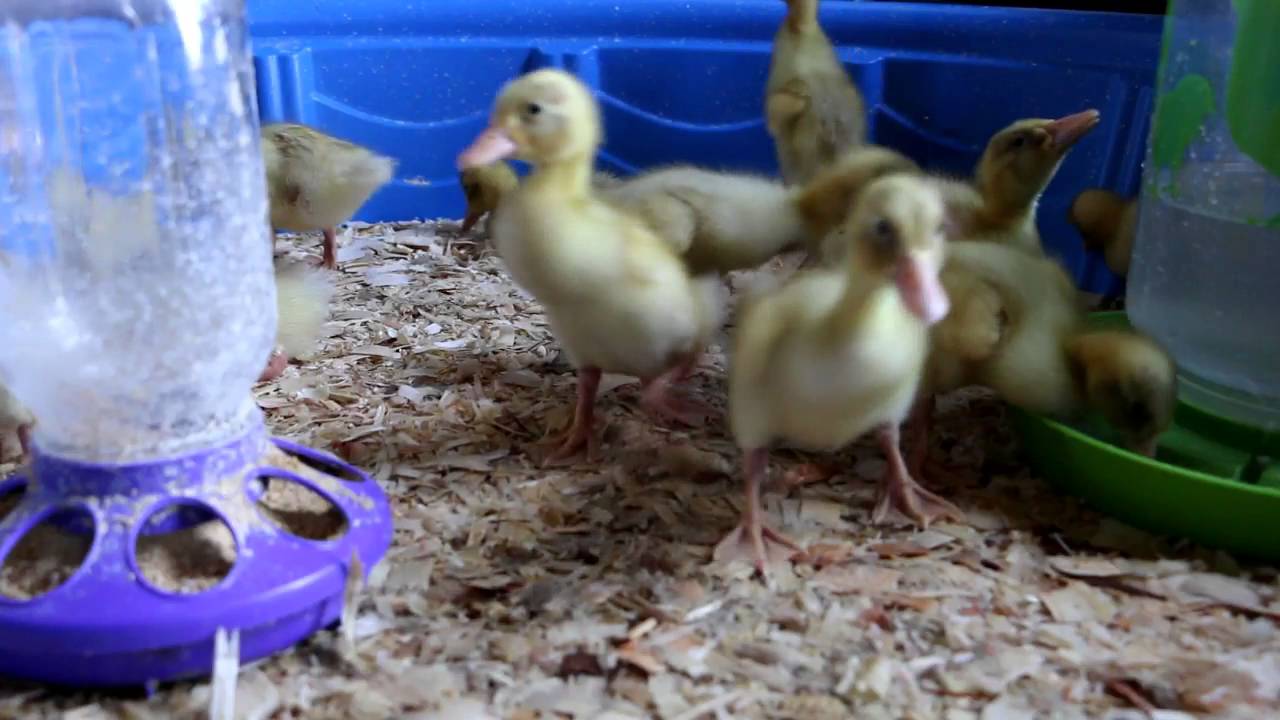
It’s fascinating to know that ducklings rely heavily on external heat sources to thrive, especially in their first few weeks. Their down feathers are not yet sufficient for self-regulation. This necessitates creative solutions when traditional lamps aren’t an option.
Historically, farmers have turned to alternative methods like using heated pads or even microwavable heating packs. Interestingly, statistics show that keeping the temperature around 90-95°F during the initial phase dramatically increases duckling survival rates. Simple techniques like using a well-insulated box with warm blankets can also create a cozy environment, mimicking the warmth they would naturally get from their mother.
- Use heated pads under the bedding for constant warmth.
- Place ducklings in insulated boxes with warm blankets to retain heat.
- Utilize microwavable heating packs, reheating them as needed.
- Create a mother hen heat setup using a low-wattage element covered by insulation material.
- Maintain an ambient temperature of 90-95°F initially, decreasing gradually over time.

How to Keep Ducklings Warm Without a Lamp
Ducklings need warmth to survive, especially in the first few weeks of their lives. Heated pads are an effective alternative to traditional lamps. These pads can be placed under the bedding to provide consistent warmth. They are safe and can easily be monitored to ensure the right temperature. According to the article, using heated pads can result in a stable environment for ducklings.
Using insulated boxes and warm blankets can also help keep ducklings warm. This method mimics the natural insulation they would receive from their mother. Fill the box with soft bedding and cover the ducklings with blankets. Check the temperature frequently to prevent overheating. This technique is simple yet effective, as documented in various case studies.
Microwavable heating packs offer another practical solution for keeping ducklings warm. Heat these packs and place them inside the brooder. Ensure the packs are not too hot to avoid burns. They can be reheated multiple times throughout the day. This method provides a portable and flexible source of warmth.
Keeping the ambient temperature in the brooder consistent is vital. The optimal range is around 90-95°F for the first week, gradually decreasing by 5°F each week. Regularly monitor the temperature to ensure it remains within this range. Proper insulation of the brooder area can help maintain these conditions. This approach maximizes the chances of healthy, thriving ducklings.
Step 1: Using Heated Pads as an Alternative
Heated pads are an excellent alternative for providing necessary warmth to ducklings. These pads are designed to maintain a consistent temperature, making them a reliable option. Place the heated pad under a layer of bedding to soften the heat. This way, ducklings can stay warm without the risk of burns. Additionally, heated pads are energy-efficient and can be easily monitored.
Another benefit is that heated pads can be used both indoors and outdoors. They are especially useful when traditional heat lamps are not practical. According to this expert opinion, many duck owners have successfully used heated pads to keep their ducklings comfortable. They offer flexibility, making it easier to maintain the right environmental conditions. This versatility is a significant advantage.
To get the most out of your heated pad, ensure it’s of high quality and designed for animal use. Check the product specifications to confirm it meets safety standards. Good quality pads will have temperature controls, so you can adjust the heat as needed. It’s essential to test the pad before placing it with the ducklings to ensure it works correctly. This step can prevent potential mishaps.
Using heated pads reduces the risks associated with traditional heat lamps, such as fire hazards. It’s crucial to regularly check the pad for wear and tear. Replace it if it shows signs of damage. Since ducklings grow quickly, you’ll only need the heated pad for a few weeks. After that, they should be able to regulate their body temperature more effectively.
Step 2: Opting for Insulated Boxes and Warm Blankets
Using insulated boxes and warm blankets is an efficient way to keep ducklings warm. An insulated box can retain heat, making it easy to maintain a stable temperature. Line the bottom of the box with soft bedding to create a cozy nest. Then, cover the ducklings with warm blankets. This setup mimics the natural warmth they would get from their mother.
Insulated boxes provide a controlled environment, reducing temperature fluctuations. You can use household items like cardboard boxes, foam coolers, or specially designed brooders. Here are some advantages:
- Retains heat
- Portable and flexible
- Easy to monitor
These features help ensure the ducklings stay comfortable and healthy.
You should check the temperature inside the box regularly. Use a thermometer to monitor the heat. Adjust blankets and bedding as needed to maintain the optimal range. This helps you avoid overheating or chilling the ducklings. Regular checks are crucial for their well-being.
Maintaining cleanliness is also important in this setup. Remove soiled blankets and replace them with clean ones. Keep the bedding dry to prevent mold and bacteria growth. This approach not only keeps them warm but also promotes a healthy living environment. Insulated boxes with warm blankets are an effective, safe choice for new ducklings.
Step 3: Implementing Microwavable Heating Packs
Microwavable heating packs are a convenient option for keeping ducklings warm. These packs can be easily heated in a microwave and provide consistent warmth over extended periods. Place the heated pack in the brooder, ensuring it is securely positioned so the ducklings cannot tip it over. Reheat the pack as needed throughout the day to maintain a stable temperature. This method is both simple and effective.
Be sure to use heating packs that are safe and intended for use with animals. Some packs contain materials that retain heat longer than others. Here are some popular options:
- Gel-based heating packs
- Rice-filled cloth packs
- Commercial microwavable pet heating pads
Each type has its own benefits, so choose one that fits your specific needs.
When using microwavable heating packs, it’s important to monitor the temperature closely. Use a thermometer to check the heat levels inside the brooder. If the brooder feels too hot or cold, adjust the frequency and duration of heating the packs. Consistent monitoring ensures that ducklings stay comfortable and healthy. This proactive approach prevents both overheating and chilling.
Safety is paramount when using any heating method. Always ensure the heating pack is not too hot before placing it with the ducklings. Test it against your skin; if it feels too warm for you, it will be too warm for them. This simple precaution can prevent accidents and discomfort. Supervision is key to making this method work effectively.
Microwavable heating packs also provide flexibility. They can be used in various environments, whether you are keeping ducklings indoors or outdoors. These packs are portable, making them suitable for quick setup and easy relocation if needed. Their adaptability makes them a practical choice for many duck owners.
Lastly, maintaining the cleanliness of the heating packs is essential. Regularly check the packs for wear and tear. If they start leaking or show signs of damage, replace them immediately. Clean the packs according to the manufacturer’s instructions to ensure a hygienic and safe environment for your ducklings. This step enhances the longevity and effectiveness of the heating packs.
Step 4: Using Mother Hen Heat Technique
The Mother Hen Heat Technique is an innovative way to keep ducklings warm without artificial heat sources. This method involves creating a brooder environment that mimics the natural warmth provided by a hen. You can make this setup using a low-wattage heating element, covered by a soft, insulating material. Install this “hen” above the bedding where the ducklings can snuggle underneath it. This mimics how they would naturally gather under a mother hen for warmth.
There are several advantages to using the Mother Hen Heat Technique. First, it allows ducklings to regulate their own temperature by moving closer or further from the heat source. This method also helps socialize the ducklings, as they tend to huddle together. It can be combined with other methods, like insulated boxes, for added effectiveness. This layered approach can create an ideal environment for young ducklings. Additionally, it is energy-efficient and cost-effective.
When setting up the Mother Hen Heat Technique, it’s essential to ensure the heating element is at the right height. Ducklings should be able to touch the warm surface when they stand up. Adjust the height as they grow to make sure they are always comfortable. Regular monitoring is key to maintaining the right conditions. This setup can be easily modified as needed.
Safety precautions are crucial when using this technique. Ensure the heating element is securely fixed to prevent it from falling onto the ducklings. Use materials that are fire-resistant and safe for animals. Here’s a quick checklist:
- Secure the heating element
- Use insulating, fire-resistant materials
- Regularly check for wear and tear
These steps can prevent accidents and ensure a safe environment for the ducklings.
The Mother Hen Heat Technique is also portable. You can move the setup as needed, making it suitable for different brooding areas. It’s versatile and can be adjusted easily based on the number of ducklings and the available space. This flexibility makes it a popular choice among duck owners. The method’s adaptability is a significant benefit.
Step 5: Maintaining the Right Ambient Temperature
Maintaining the right ambient temperature is crucial for the well-being of your ducklings. The environment should ideally be kept at 90-95°F for the first week of their lives. Gradually lower the temperature by 5°F each week. This slow change helps ducklings acclimate without shocking their systems. It’s vital to monitor the temperature regularly to ensure stability.
You can use a digital thermometer to keep tabs on the brooder’s heat levels. Place it at duckling height for the most accurate readings. Don’t rely solely on your sense of touch; use the thermometer to guide you. Consistent monitoring helps you adjust the temperature as needed. This level of precision is essential for their health.
Utilize additional heating sources if the ambient temperature drops too low. Items like heat lamps, pads, or insulated boxes can supplement deficiencies. Here are some tips for maintaining warmth:
- Close windows to prevent drafts
- Insulate walls and floors
- Use a heat source with adjustable settings
These measures ensure a stable environment for your ducklings, regardless of external conditions.
Avoid sudden temperature changes, as these can stress the ducklings. If you need to move them to a different location, gradually acclimate them to the new environment. Small steps make the transition smoother. Consistency is key to their comfort and growth. By maintaining a steady ambient temperature, you increase their chances of thriving.
Lastly, proper ventilation is also essential. While it’s important to keep the brooder warm, it must not become stuffy. Ensure there is proper airflow to avoid respiratory issues. Balance warmth with air quality by keeping the area clean and well-ventilated. This approach promotes a healthy living space for your ducklings.
Importance of Keeping Ducklings Warm
Keeping ducklings warm is essential for their survival and development. In the first weeks of life, ducklings are not able to regulate their body temperature. Without an adequate heat source, they can quickly become cold-stressed. Cold stress weakens their immune systems, making them more susceptible to diseases. Therefore, providing a warm environment is crucial for their well-being.
Proper warmth also enhances growth rates in ducklings. When they are kept at the right temperature, they expend less energy trying to stay warm. This conserved energy goes into growth and development instead. Studies have shown that ducklings raised in optimal temperatures grow faster and more uniformly. Fast growth can lead to stronger, healthier birds overall.
Adequate warmth enables better food digestion as well. Warmth helps maintain their metabolic rates at a level necessary for efficient digestion and nutrient absorption. Ducklings that are too cold often have slower metabolisms, leading to poor feed conversion rates. Here are some effects of proper warmth on digestion:
- Enhanced nutrient uptake
- Faster weight gain
- Improved overall health
These benefits contribute significantly to their long-term health.
The social behaviors of ducklings are also influenced by temperature conditions. When kept warm, they huddle less frequently and exhibit more natural behaviors like exploring and playing. These activities are vital for their mental stimulation and physical development. A warm environment fosters a positive living space where ducklings can thrive both socially and physically.
A well-maintained temperature reduces mortality rates in young ducklings. By minimizing cold stress and ensuring healthy growth, you increase their chances of survival during those critical early weeks. Consistent warmth is key to setting a strong foundation for the rest of their lives. Overall, keeping ducklings warm is fundamental for raising resilient and robust birds.
Tips to Monitor the Warmth Provided to Ducklings
Monitoring the warmth provided to ducklings is essential for their health and development. One effective way is to use a digital thermometer. Place it at the level where the ducklings spend most of their time. This ensures you get accurate readings of their actual environment. Regularly check the thermometer to ensure temperatures remain stable.
Observe the behavior of your ducklings to gauge their comfort. If they are huddled together under the heat source, they may be too cold. Conversely, if they are avoiding the heat source, it might be too warm. Look for signs of distress like shivering or panting. These indicators can guide adjustments to the heating setup.
Ensure that the heating setup is consistent and reliable. Simple tools like temperature stickers can be placed at different spots around the brooder for easier monitoring. Here’s a list of items that help in keeping a stable temperature:
- Digital thermometers
- Temperature stickers
- Thermostatic controllers
These tools enable more precise control over the warmth.
Create a log to track temperature changes and adjustments. Record the temperature at various times throughout the day. Note any changes you make to the heating setup and how the ducklings respond. Over time, this log will help you understand the best practices for maintaining optimal warmth.
Always ensure proper ventilation while keeping the brooder warm. Ventilation prevents the buildup of humidity and harmful gases, which can affect the ducklings’ health. Strike a balance between warmth and airflow. Regularly inspect your setup to ensure conditions remain ideal. This holistic approach promotes a healthy and comfortable environment for your ducklings.
Common Mistakes When Trying to Keep Ducklings Warm
One common mistake is setting the temperature too high. Overheating can be just as harmful as letting the ducklings get too cold. Ducklings should have the ability to move closer and further away from the heat source. This will allow them to regulate their own comfort levels. Always check the temperature to ensure it falls within the recommended range.
Inadequate ventilation is another frequent error. While it’s important to keep the brooder warm, poor ventilation can lead to respiratory issues. A well-ventilated space helps maintain fresh air and reduce humidity. Make sure the brooder has proper airflow. Balance warmth with sufficient air circulation for a healthy environment.
Using inappropriate heat sources can also cause problems. Open flames or unsafe electrical devices can be hazardous. Choose heating elements certified for safe animal use. Here are some alternatives to avoid:
- Candles
- Space heaters
- Incandescent bulbs
These heat sources pose risks and should be avoided.
Not monitoring the temperature consistently is a common oversight. Conditions can change throughout the day, especially in outdoor settings. Use digital thermometers and check the temperature regularly. Record your observations to adjust the heating setup as needed. Consistent monitoring helps maintain a stable environment.
Neglecting to adjust the temperature as ducklings grow is another mistake. As they get older, they need less warmth. Gradually reduce the temperature each week to match their growth stages. This helps them acclimate to natural conditions. Proper adjustment prevents overheating and supports healthy development.
The Role of Nutrition in Duckling Warmth and Survival
Nutrition plays a critical role in keeping ducklings warm and ensuring their survival. The right kind of food provides the necessary energy for maintaining body heat. A well-fed duckling can regulate its body temperature better than an undernourished one. Ensuring a balanced diet is key to their overall health and warmth. Protein and fat are particularly important in their early weeks.
High-protein feed helps ducklings grow rapidly, which in turn helps them generate more body heat. Feeds with a protein content of around 20-22% are ideal for young ducklings. These feeds typically contain nutrients that promote growth and muscle development. As they grow, you can gradually transition them to lower protein feeds. This adjustment supports their changing nutritional needs.
The role of vitamins and minerals should not be underestimated. Vitamin D is crucial for bone development, while Vitamin A supports eye health. Iron and calcium are essential for blood and bone health, respectively. Offering a balanced diet ensures ducklings receive all these vital nutrients. Supplements can be added if the staple feed lacks these elements.
Hydration is also essential for maintaining warmth. Ducklings need constant access to clean, fresh water. Dehydration can quickly lead to cold stress, weakening their immune systems. Make sure their water is changed regularly and kept at a moderate temperature. Proper hydration supports their metabolic processes and helps them stay warm.
Finally, ensuring regular feedings helps ducklings maintain a consistent energy level. Small, frequent meals are better than fewer, larger ones. This feeding style keeps their metabolism active, aiding in heat production. Consistency in feeding times can also help establish a routine. A well-fed duckling is more likely to grow into a strong, healthy adult.
Frequently Asked Questions
Keeping ducklings warm is essential for their growth and well-being. Here are some common questions and answers to help you create a cozy environment for them.
1. What temperature should ducklings be kept at?
Ducklings need a starting temperature of 90-95°F in their brooder. As they grow, gradually decrease the temperature by 5°F each week until they are fully feathered around six weeks old. Proper temperature regulation is crucial for their health and development.
Using a digital thermometer can help ensure the brooder remains at the correct temperature. Always place it at the duckling’s height for accurate readings. Monitoring this closely will help avoid both overheating and chilling, ensuring a stable environment conducive to growth.
2. Can I use regular household items to keep ducklings warm?
Yes, you can use items like cardboard boxes or foam coolers as insulated brooders. These materials help retain heat when combined with soft bedding and warm blankets, creating a comfortable space for your ducklings without requiring specialized equipment.
This method mimics the natural insulation provided by a mother hen, allowing ducklings to regulate their own body heat effectively. Regular checks on these household setups ensure they remain safe and adequately heated, providing an optimal growing environment.
3. How often should I check on my ducklings’ warmth?
You should check on your ducklings’ warmth several times throughout the day to ensure they stay comfortable. Frequent checks allow you to make necessary adjustments quickly, whether it’s adding more blankets or reheating packs.
A consistent schedule helps maintain an ideal environment and prevents any sudden temperature drops or rises that could stress the young birds. Keeping a log of these checks can also help in tracking trends and making informed adjustments as needed.
4. Are there safe heating alternatives other than lamps?
Yes, alternatives such as heated pads, microwavable heating packs, or the Mother Hen Heat technique are safe options. These methods reduce risks associated with traditional heat lamps, like fire hazards while still keeping your ducklings warm.
Each alternative offers unique benefits and can be used depending on your specific setup and needs. For instance, heated pads are energy-efficient and steady in warmth distribution, making them reliable choices for maintaining consistent temperatures in the brooder.
5. How does nutrition affect a duckling’s ability to stay warm?
A balanced diet rich in proteins helps support healthy growth and body heat production in ducklings. Proper nutrition ensures they have enough energy reserves to generate warmth naturally through metabolic processes.
Nutrients like vitamins A and D are also vital for their overall health, contributing to their ability to regulate body temperatures effectively. Providing clean water constantly aids digestion and metabolism, further supporting their ability to stay warm and thrive.
Conclusion
Keeping ducklings warm without a lamp ensures their healthy growth and development. This process involves a mix of alternative heating methods, such as heated pads, insulated boxes, and the Mother Hen Heat technique. Each method has its benefits, tailored to different setups and specific needs.
Regular monitoring and proper nutrition play crucial roles in maintaining an optimal environment. By following these guidelines, you can create a safe and warm space for your ducklings to thrive. These practices contribute significantly to their long-term health and overall well-being.

I’m Emily Johnson, an affiliate marketer and blogger focused on lamps and lighting. I share honest reviews, simple buying guides, and practical tips. My goal is to help readers choose the right lamp for their space, style, and budget with confidence.