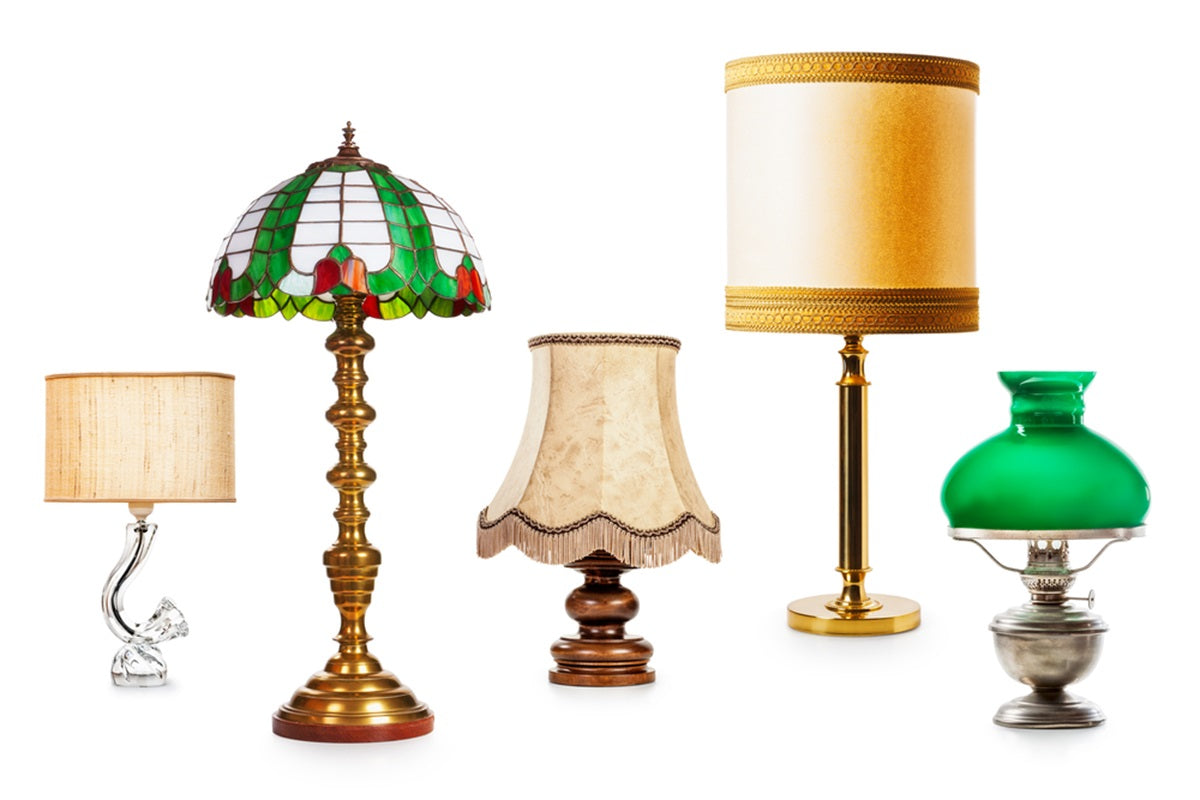
It’s fascinating how a simple floor lamp can be a window into the past, revealing an era of distinctive design and craftsmanship. Many collectors have been captivated by the charm of vintage floor lamps, often finding them at estate sales or antique shops. These timeless pieces not only add character to a room but also tell a unique story of their own.
One way to distinguish a vintage floor lamp is to examine the materials and construction techniques used. For instance, authentic vintage lamps often feature high-quality metals, wood, and intricate detailing that modern reproductions lack. Interestingly, lamps from the early 20th century often include Art Deco or Mid-Century Modern design elements, making them highly sought after. Knowing these historical traits can drastically improve your ability to spot genuine vintage amidst modern imitations.
- Examine the materials, such as brass, bronze, or wood, for signs of aging like patina.
- Identify the design era by looking for distinct styles from Art Deco, Mid-Century Modern, or Victorian periods.
- Check construction techniques like hand-wiring and hand-blown glass shades.
- Look for labels or markings on the base or underside to confirm authenticity.
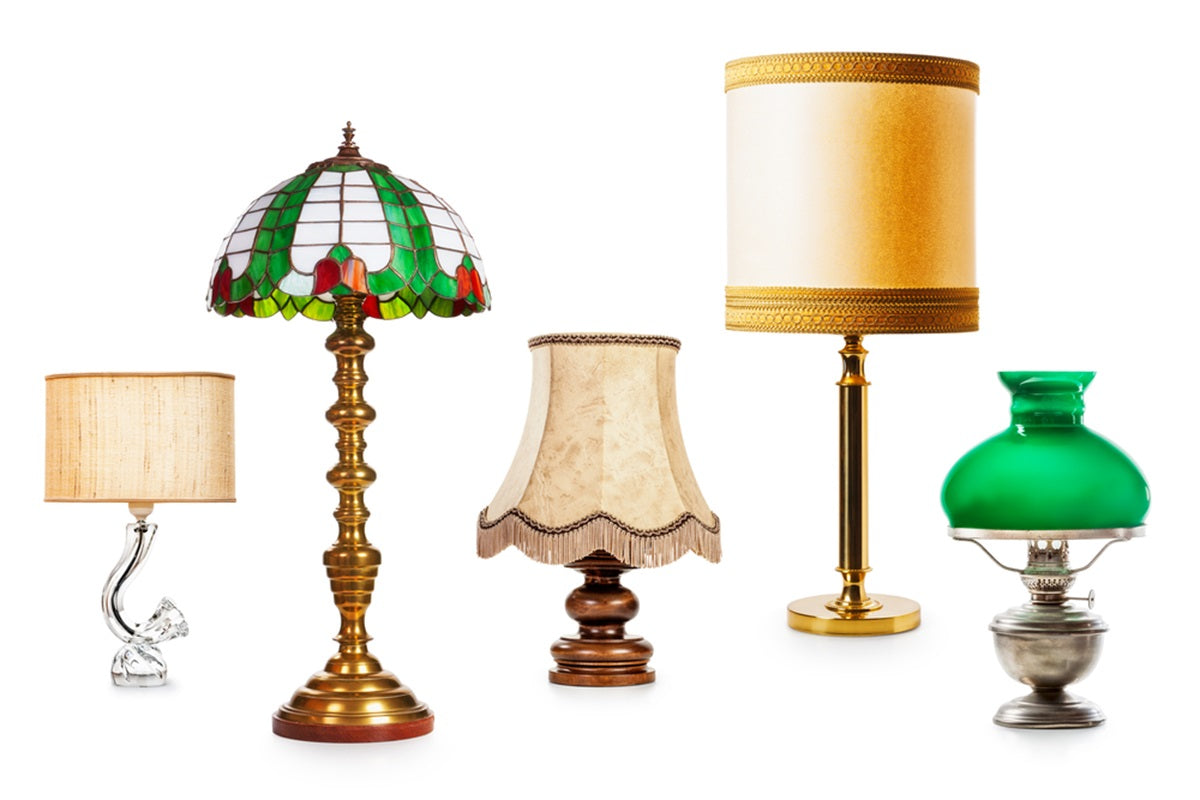
How to Identify Vintage Floor Lamps
One of the easiest ways to identify a vintage floor lamp is by examining its materials and craftsmanship. Many vintage lamps are made from high-quality brass, bronze, or wood, providing a solid, durable feel. These materials often show signs of aging, such as patina on metal parts or intricate carvings on wooden elements. Additionally, the weight of the lamp can give clues, as older lamps tend to be heavier due to their solid construction. By checking these details, you can often spot a genuine vintage piece.
Another key indicator of a vintage lamp is its design era. Recognizing styles from different periods, such as Art Deco, Mid-Century Modern, or Victorian, can help determine the lamp’s age. For example, Art Deco lamps often feature geometric shapes and bold colors, while Victorian lamps may have intricate floral patterns and ornate details. Understanding these design elements helps you categorize the lamp accurately. According to this post, knowing the design styles can assist in proper restoration.
Construction techniques also play a significant role in identifying vintage floor lamps. Older lamps often have unique features such as hand-wiring or hand-blown glass shades. Modern reproductions typically lack these intricate details and use mass-production methods. Noticing these differences can help you confirm if a lamp is genuinely vintage. If you need to rewire a vintage lamp, here is the article that guides you through the process.
Finally, look for any labels, marks, or inscriptions on the lamp. Many vintage manufacturers placed identifying marks on their products, which can be found on the base or underside of the lamp. These marks can provide valuable information about the lamp’s origin and manufacturing date. Keeping an eye out for these details can help you positively identify an authentic vintage floor lamp. A little research online can often uncover the history behind these markings.
Step 1: Recognizing Unique Materials and Design Features
To identify vintage floor lamps, first, look at the materials they are made from. Many vintage lamps are crafted from high-quality metals like brass or bronze, which often show signs of aging such as tarnish or patina. Wood is another material seen in vintage lamps, often with ornate carvings and details. Glass shades might also be hand-blown, featuring unique textures and colors. Recognizing these materials is your first step in finding authentic vintage pieces.
Design features are equally important when identifying vintage floor lamps. Pay attention to the curves, patterns, and overall aesthetics of the lamp. Lamps from different eras like Art Deco or Mid-Century Modern have unique styles. For example, Art Deco lamps usually have geometric shapes and bold colors. Noticing these design details can help you pinpoint the exact period of the lamp.
Another clue is the craftsmanship involved in making the lamp. Vintage lamps often feature detailed metalwork or woodwork, which modern replicas might lack. Check for intricate details that indicate handcrafting. In modern reproductions, you’ll often see simpler designs and less attention to detail. According to this post, older lamps are usually heavier and more solid due to superior craftsmanship.
Labels or marks left by the manufacturers are also valuable indicators. These can often be found on the base or underside of the lamp. Such marks can tell you a lot about the lamp’s origin and age. It’s a good idea to research these marks online. There’s always a chance you’ll discover an invaluable piece of history through careful examination.
Step 2: Understanding the Design Eras
Recognizing the design era of a vintage floor lamp is crucial in identifying its authenticity. Each design era has distinct features that set it apart from others. For example, the Art Deco period, which spanned the 1920s to 1940s, is known for its geometric shapes, bold colors, and luxurious materials. In contrast, the Mid-Century Modern era, from the 1940s to the 1960s, emphasizes simplicity and functionality with clean lines and muted tones. Knowing these characteristics can help you determine the age and style of a vintage lamp.
Different eras also used various materials and construction methods. Art Nouveau lamps, popular in the late 19th and early 20th centuries, often feature organic shapes and nature-inspired designs. These lamps frequently have intricate metalwork and stained glass. Meanwhile, the Industrial era, which began in the late 19th century, focuses on utilitarian design with exposed mechanical elements and raw materials like iron and steel. Understanding these eras helps in pinpointing the specific time period of a lamp.
In some cases, you might find lamps that blend styles from multiple eras. These are often transitional pieces that incorporate elements from both periods they span. For example, a lamp might feature the ornate details of the Victorian era with the geometric simplicity of Art Deco. Recognizing these hybrids can be tricky but adds to the intrigue of collecting vintage lamps. These transitional pieces also offer a unique perspective on how design evolved over time.
One useful method for identifying design eras is consulting resources and expert opinions. Online forums, historical archives, and specialized websites can provide valuable information. For example, this post discusses various design features and their historical contexts. Leveraging such resources can enhance your understanding of different design periods and make you a more informed collector.
Step 3: Analyzing the Construction Techniques
Understanding the construction techniques used in vintage floor lamps can help you determine their authenticity. Many vintage lamps feature hand-wiring and hand-blown glass shades, which are indicators of careful craftsmanship. These elements often show slight imperfections, making each lamp unique. In contrast, modern reproductions usually employ mass-production methods, resulting in uniformity. Spotting these differences can help you identify genuine vintage lamps.
Construction techniques also evolved over time, providing clues about a lamp’s era. For example, early 20th-century lamps often have intricate metalwork and heavyweight bases that offer stability. These lamps might have joints that are soldered rather than welded. On the other hand, lamps from the 1960s might use lighter materials and feature more streamlined construction. Recognizing these changes helps you date the lamp accurately.
Another aspect to consider is the lamp’s internal wiring. Vintage floor lamps often have cloth-covered wires, which were commonly used before the 1950s. These wires might need rewiring for safety, but their presence can indicate the lamp’s age. In contrast, newer lamps will have plastic-coated wires. Knowing this can help you understand the lamp’s construction and determine its period.
Look at how the lamp’s components are assembled. Older lamps might feature screws, rivets, and other fasteners that are now uncommon. These elements can be found in lamp joints, connecting the base, stem, and shade. Paying attention to such details will help you gauge the lamp’s construction quality and time frame. According to this post, proper identification of these components can aid in accurate reconstruction.
Examining the type and quality of finishes is also key. Vintage lamps may have hand-applied finishes like lacquer or enamel, which can show signs of wear and aging. Modern finishes are usually more uniform and less prone to showing age. Noticing these differences can help you identify a true vintage piece. The finish can also indicate whether the lamp has been restored, which may affect its value.
Common Misconceptions About Vintage Floor Lamps
One common misconception is that all old lamps are valuable. While age can add value, other factors like design, rarity, and condition play significant roles. Just because a lamp is old doesn’t mean it’s worth a lot of money. Some lamps might have been mass-produced and, therefore, not rare. Evaluating these factors together provides a clearer picture of a lamp’s value.
Another myth is that vintage lamps are always delicate and fragile. Many people think older lamps can’t be used regularly because they might break easily. However, many vintage floor lamps were built to last with sturdy and durable materials. For instance, lamps made from heavy metals or solid wood can be quite robust. Proper maintenance can keep these lamps functional for years.
People often believe that all parts of a vintage lamp must be original for it to be valuable. While having original parts can boost a lamp’s value, well-done restorations are also appreciated. Sometimes, replacing unsafe wiring or broken parts is necessary. Quality restorations can maintain the lamp’s functionality and aesthetic appeal. However, it’s essential to use period-appropriate parts for replacements.
It’s also a misconception that vintage lamps are always expensive. The price of a vintage lamp can vary widely based on its design, condition, and rarity. Some beautiful vintage lamps can be found at reasonable prices, especially if you know what to look for. Thrift stores, garage sales, and online marketplaces often have hidden gems. Patience and research can yield affordable finds with great value.
Lastly, people often think that identifying a vintage lamp requires an expert. While expert opinions can be invaluable, many resources are accessible to the average person. Online forums, blogs, and historical databases can offer helpful information. You can also check out local antique shops for tips. Combining these resources can make vintage lamp identification more straightforward.
Why Collecting Vintage Floor Lamps Can Be a Good Investment
Collecting vintage floor lamps can be a rewarding investment for various reasons. First, vintage lamps often appreciate in value over time due to their rarity and historical significance. Many antique enthusiasts are willing to pay a premium for well-preserved pieces. So, starting a collection now can be financially beneficial in the long run. This makes vintage lamps more than just beautiful decor; they can be valuable assets.
Another reason vintage floor lamps are a good investment is their timeless appeal. Unlike modern trends, vintage designs usually have a classic look that never goes out of style. These lamps can add character and sophistication to any room. Plus, the craftsmanship and unique materials used in older lamps often stand out. This timeless beauty ensures that your investment remains attractive for years.
Owning a collection of vintage floor lamps also offers the joy of history and storytelling. Each lamp has its own story and design era, adding depth to your decor. Guests and visitors often find these pieces fascinating. Sharing the history behind your collection can be a great conversation starter. This personal connection makes owning vintage lamps emotionally fulfilling.
Moreover, vintage lamps are known for their durability. Unlike many modern lamps, which can be flimsy, vintage lamps were built to last. They often feature high-quality materials like brass, bronze, and hand-blown glass. This durability means your investment will stand the test of time. A well-maintained vintage lamp can serve you for decades, adding both aesthetic and functional value.
Finally, collecting vintage floor lamps allows you to contribute to sustainability. By choosing to buy vintage, you’re helping to reduce waste and promote recycling. This eco-friendly option supports a more sustainable lifestyle. Instead of purchasing new lamps that may not last, investing in vintage lamps helps preserve history while being kind to the planet. This combination of benefits makes vintage lamp collecting a wise and fulfilling choice.
The Significance of Vintage Floor Lamps in Interior Decor
Vintage floor lamps play a key role in interior decor by adding a touch of history and elegance to any room. They offer a unique blend of style and function that modern pieces often lack. Their intricate designs can act as focal points, drawing attention and admiration. Whether placed in a living room, bedroom, or study, these lamps add character. Their presence alone can elevate the aesthetic appeal of your space.
Another advantage is their versatility in various interior styles. Vintage floor lamps can seamlessly fit into both traditional and contemporary settings. Whether you’re aiming for a rustic feel or an industrial look, there’s likely a vintage lamp to match. This adaptability makes them valuable additions to any home decor plan. By choosing vintage lamps, you add timeless elegance that complements diverse styles.
The craftsmanship involved also sets vintage floor lamps apart from newer counterparts. Many were handcrafted with meticulous attention to detail and quality materials like brass, bronze, and hand-blown glass. These aspects not only enhance their beauty but also ensure longevity. Unlike mass-produced items, each vintage lamp has its own unique story and design elements. This individuality can make your home decor stand out from the ordinary.
Incorporating vintage floor lamps into your decor also contributes to sustainability efforts. By opting for antique pieces instead of new ones, you’re helping reduce waste and promote recycling. This eco-conscious choice supports the broader goal of sustainable living while enriching your home’s aesthetic charm. It’s both an environmentally friendly option and a stylish one.
Finally, vintage floor lamps offer more than just lighting; they provide warmth and ambiance to your interiors. The soft glow emitted by older shades creates a cozy atmosphere that’s hard to replicate with modern fixtures. This ambiance enhances the comfort level of any room, making it inviting for both residents and guests alike. Combining style, history, and functionality makes these lamps indispensable in interior decor.
Frequently Asked Questions
This section answers some common questions about vintage floor lamps. You’ll learn about their features, styles, and how to care for them.
1. What materials are commonly used in vintage floor lamps?
Vintage floor lamps are often made from high-quality materials like brass, bronze, and wood. These materials were popular because they are durable and have a timeless appeal. For example, many Art Deco lamps use brass for its shiny finish and long-lasting quality.
Additionally, vintage lamps might feature hand-blown glass shades or fabric lamp covers. These materials add unique details and beauty that modern reproductions don’t always capture. The craftsmanship and material choice contribute to each lamp’s unique story.
2. How can I tell if a lamp is really vintage or a reproduction?
To distinguish between a genuine vintage lamp and a reproduction, check for signs of aging like patina on metal parts or wear on wood surfaces. Authentic vintage lamps will often show age-appropriate wear that adds to their charm.
You can also look for manufacturing marks or labels on the base or underside of the lamp. These marks can provide clues about the lamp’s origin and era. Comparing these marks with trusted online resources can help confirm authenticity.
3. Are there different styles within vintage floor lamps?
Yes, vintage floor lamps come in various styles corresponding to different design eras such as Art Deco, Mid-Century Modern, and Victorian. Each style has distinct features that reflect the artistic trends of its time period.
Art Deco lamps often have geometric shapes and bold colors, while Mid-Century Modern pieces feature clean lines and minimal ornamentation. Recognizing these differences helps you identify the specific design style of a vintage lamp.
4. Can I use a vintage floor lamp in modern home decor?
A well-chosen vintage floor lamp can add character to modern home decor by acting as a focal point in your living space. Its unique design elements contrast nicely with contemporary furniture.
Their timeless appeal means they blend seamlessly into various interior schemes, from minimalist spaces to eclectic rooms filled with diverse art pieces. Adding one can elevate your decor instantly while giving it a historical touch.
5. How should I maintain my vintage floor lamp?
Caring for your vintage floor lamp involves regular cleaning using non-abrasive cleaners suitable for its material—brass cleaner for metal parts or wood polish for wooden sections keep it looking fresh without damaging it.
If the wiring is old or frayed, consider getting it professionally rewired to ensure safety while using the lamp regularly, according to this article. Proper care helps maintain both the aesthetic appeal and functionality of your cherished piece over time.
Conclusion
Collecting and identifying vintage floor lamps offer a delightful blend of history, design, and craftsmanship. These unique pieces not only enhance the beauty of your space but also serve as valuable investments over time. Understanding materials, design eras, and construction techniques can significantly aid in distinguishing authentic vintage lamps from reproductions.
Incorporating vintage floor lamps into your decor adds character and timeless appeal. They are not just lighting fixtures but storytellers that enrich your home’s ambiance. With proper care, these lamps can continue to shine brightly, marrying the old with the new seamlessly.

I’m Emily Johnson, an affiliate marketer and blogger focused on lamps and lighting. I share honest reviews, simple buying guides, and practical tips. My goal is to help readers choose the right lamp for their space, style, and budget with confidence.