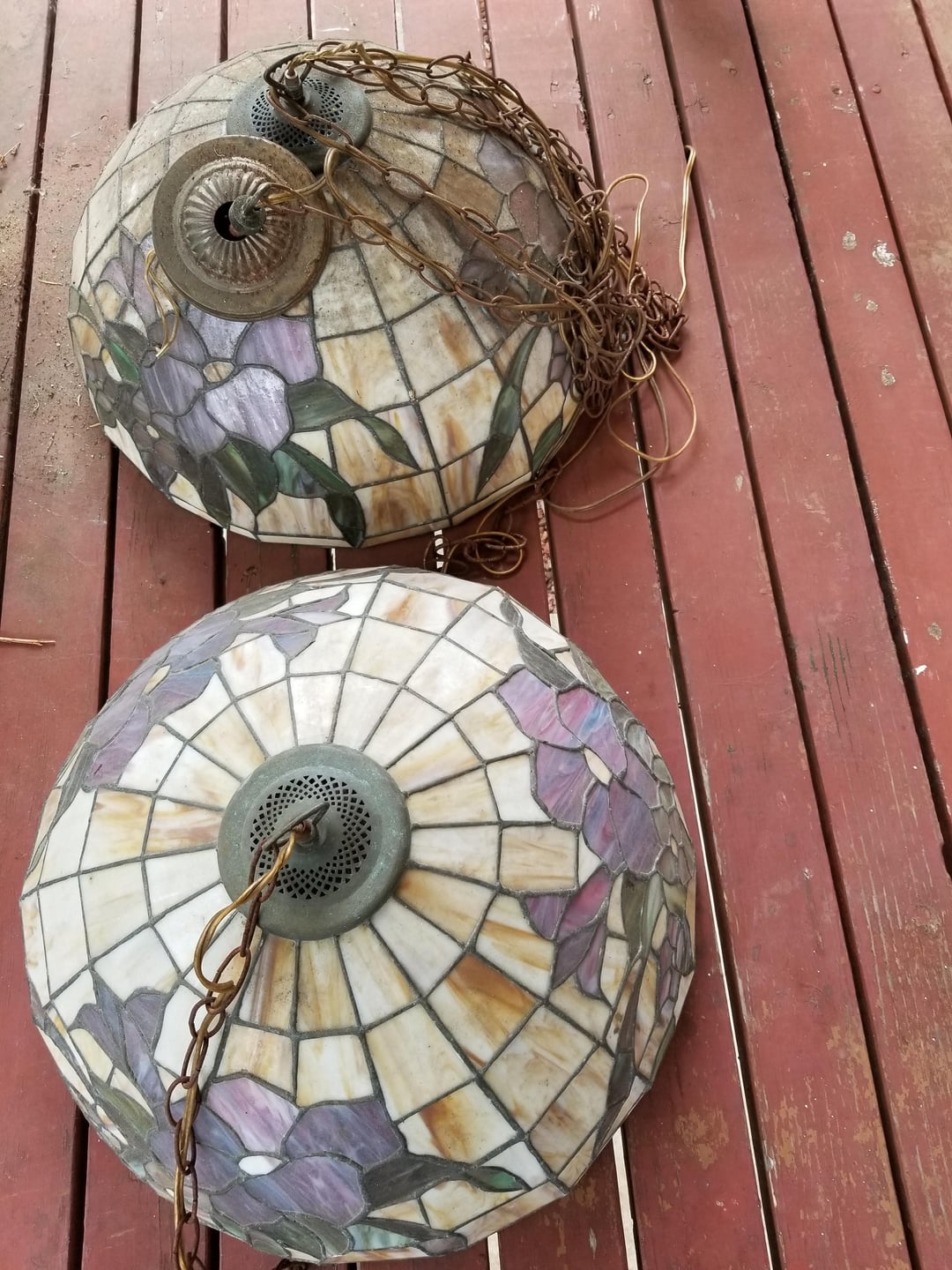
Transforming a hanging lamp into a floor lamp is not only a resourceful solution but also an artistic endeavor. Astonishingly, many homeowners are unaware of the potential hiding in their hanging fixtures. This simple yet effective modification could breathe new life into your space, all while preserving its unique character.
Historically, repurposing light fixtures has been a creative outlet for both artisans and DIY enthusiasts. Approximately 30% of DIY projects involve repurposing existing items, demonstrating not just cost-effectiveness but also sustainability. Meaningful projects like this marry function and form, embodying the essence of thoughtful design.
- Choose a suitable hanging lamp and ensure you have the right tools: screwdriver, pliers, and an adjustable wrench.
- Turn off the electricity and carefully detach the hanging lamp from its fixture, noting the wire connections.
- Assemble a sturdy floor lamp base following manufacturer’s instructions.
- Attach the lamp head to the assembled base securely using screws or bolts.
- Connect and insulate the electrical wires properly to ensure safety. Test the final assembly to confirm functionality.

How to Turn a Hanging Lamp into a Floor Lamp
Converting a hanging lamp into a floor lamp is a unique way to revamp your living space. Start by choosing the right lamp. Make sure it matches your room’s decor and has the right dimensions. Next, gather all necessary tools like a screwdriver, pliers, and an adjustable wrench.
Now, begin by detaching the hanging lamp from its original fixture. Proceed cautiously to avoid damaging any parts. Assemble the floor lamp base by following the manufacturer’s instructions. If you need guidance on electrical components, according to here is the post, understanding the correct cable size is essential for safety.
Once your base is ready, attach the lamp to it. Secure all connections tightly to ensure stability. Integrate decorative elements if desired, making the lamp a true statement piece. Don’t forget to test the lamp to ensure it works properly.
Finally, place the newly converted floor lamp in your desired location. It might be useful to add a dimmer switch to control lighting levels; for a guide on this, here is the article you can refer to. Enjoy your personalized lighting solution that combines practicality with a bespoke touch.
Step 1: Choosing the Right Lamp
Selecting the correct hanging lamp is the first crucial step in your transformation project. Think about the space where the floor lamp will reside. Does it need to be a statement piece, or should it blend seamlessly with existing decor? An oversized lamp might overwhelm a small room while a delicate one could be lost in a bigger space. Visualize how it will look once it’s on the floor.
Pay special attention to the lamp’s weight and balance. A heavy lamp may require a sturdier base to ensure it doesn’t tip over. Look at the design and structure of the hanging lamp. Is the lamp potentially sturdy enough when converted? According to this resource, choosing a lamp with a central balance point can significantly simplify the conversion.
Also, consider the light output and directionality. Do you need ambient lighting or a focused beam for a reading nook? Lampshades can greatly affect the light’s diffusion, so choose one that meets your needs. Adjustable lamps provide more flexibility in directing light exactly where you want it.
Finally, think about the lamp’s style and materials. Does it match the room’s theme? Modern spaces may call for sleek, metallic designs, while vintage or rustic spaces might be complemented by wood or fabric elements. A well-chosen lamp will not only provide illumination but also enhance the room’s aesthetic appeal.
Step 2: Gathering Your Tools
Before you start, make sure you have all the necessary tools. A good toolkit will save you time and effort. Basic tools include a screwdriver, pliers, and an adjustable wrench. Also, consider having a wire cutter and stripper for any electrical adjustments. Keeping these tools organized will streamline your project.
Here’s a handy list of tools you might need:
- Screwdriver
- Pliers
- Adjustable wrench
- Wire cutter
- Wire stripper
Each tool has a specific role. For instance, the screwdriver helps you detach screws without damaging the lamp. Pliers come in handy for gripping and bending tasks. The adjustable wrench is useful for tightening bolts securely. Wire cutters and strippers ensure clean electrical connections, which are crucial for safety.
Always wear safety gear such as gloves and goggles when working with tools. This protects you from potential hazards. If you’re new to DIY projects, reading the manuals of each tool can be very helpful. Online forums and videos offer additional guidance if needed.
Step 3: Detaching the Hanging Lamp
The first step in detaching the hanging lamp is to turn off the power. This is a critical safety measure. Locate the circuit breaker and switch off the power to the fixture. Then, use a voltage tester to ensure no electricity is flowing. Safety always comes first.
Next, carefully inspect how the hanging lamp is attached. Most fixtures are secured with screws or bolts. Use a screwdriver or wrench to remove them. Be sure to support the lamp as you do this to prevent it from falling. Having a friend to assist you can make this easier.
Once the screws or bolts are removed, gently pull the lamp away from the ceiling. You might encounter a junction box with wires connected inside. Carefully detach the wires by unscrewing the wire nuts. Make note of which wires connect to each other for reassembly later.
Here is a list of things to watch out for when handling wires:
- Identify and remember each wire connection
- Disconnect wire nuts carefully
- Avoid damaging the insulation
- Keep wires organized
After detaching the wires, safely lower the lamp to the ground. It’s now free from its ceiling mount. You can now focus on converting it into a floor lamp. Store the screws, bolts, and wire nuts in a safe place for future use.
Finally, clean the lamp to prepare it for its new life as a floor lamp. Wipe away any dust or cobwebs. Inspect the lamp for any damage that might need repairing. Cleaning ensures your new floor lamp looks fresh and appealing.
Step 4: Assembling the Floor Lamp Base
Assembling the floor lamp base begins with selecting the right materials. The base must be sturdy enough to support the lamp. Common options include metal or wood. Make sure the base has a wide enough footprint to keep the lamp stable. This prevents any accidental tipping.
Start by attaching any provided screws or bolts to the base. Follow the manufacturer’s instructions closely for a secure fit. If the base comes in parts, ensure each segment is tightly joined. A stable base is essential for both safety and functionality. Double-check all connections before proceeding.
Once the base is assembled, it’s time to insert the lamp pole. Depending on the design, this may involve screwing the pole into the base or securing it with bolts. Ensure the pole fits snugly and stands straight. Uneven bases can cause the lamp to wobble.
Next, stabilize the pole with additional support. Some bases include a heavy weight for this purpose. If yours doesn’t, consider adding one yourself. You can use sandbags or other heavy objects at the base to increase stability.
Finally, complete the assembly by threading the lamp’s wires through the pole. This step ensures the electrical components are well-protected and hidden from view. Connect the wires according to their color coding. Reattach the lamp head to the pole, securing it firmly. Your floor lamp base is now ready for the finishing touches.
Step 5: Attaching the Lamp to the Base
Attaching the lamp to the base is the final step in converting your hanging lamp into a floor lamp. Start by aligning the lamp’s neck with the top of the floor lamp pole. This ensures that the lamp will sit straight and balanced. Double-check the alignment before securing it in place. A straight alignment guarantees both aesthetics and safety.
Once aligned, use screws or bolts to attach the lamp head to the pole. Tighten the screws evenly to avoid tilting. It’s essential to ensure that each connection is firm. Loose connections can lead to instability. Use a screwdriver or wrench to make sure everything is secure.
Next, connect the electrical wires. Thread the wires through the pole and connect them to the corresponding wires from the base. Use wire nuts to secure the connections. Make sure the wires are properly insulated. Tape the connections if necessary to keep them safe and secure.
Here’s a checklist to ensure you’ve attached everything correctly:
- Align the lamp head with the pole
- Tighten all screws or bolts
- Secure the electrical connections
- Insulate and tape wires if needed
Finally, plug in the lamp and test it. Ensure the switch works properly and that the lamp is stable. Make any necessary adjustments to improve stability. Once satisfied, place the lamp in its designated spot. Enjoy the new ambiance and functionality of your custom floor lamp.
Understanding the Benefits of Repurposing Lamps
Repurposing lamps can bring several advantages to your home. It’s an excellent way to give old or unused items a new life. By transforming a hanging lamp into a floor lamp, you reduce waste and contribute to sustainability. Repurposing also allows for unique, personalized designs that reflect your style. This adds character and charm to your space.
An additional benefit is cost-effectiveness. Buying new fixtures can be expensive, but repurposing what you already have saves money. You can potentially avoid the high costs associated with designer lamps or lighting systems. Instead, invest in minor materials and tools necessary for the transformation. This approach maximizes your budget while achieving creative results.
Repurposing also provides a sense of achievement and creativity. Completing a DIY project like this offers personal satisfaction. It’s rewarding to see something you’ve made with your own hands fitting perfectly into your home decor. Additionally, tackling such projects enhances practical skills that can be helpful in future endeavors.
The customization possibilities are endless when repurposing lamps:
- Choose different bases according to need
- Add custom paint or finishes
- Select unique shades for added effect
- Integrate smart lighting technology
Finally, repurposed lamps often become conversation pieces. Friends and family will likely admire your ingenuity and might even get inspired to try their own projects. These elements add not just functionality but also enrich your living environment with stories and creativity.
Safety Precautions During the Conversion
When converting a hanging lamp into a floor lamp, taking safety precautions is essential. First and foremost, always turn off the electricity at the circuit breaker before starting any work. Testing the wires with a voltage tester ensures that no current is flowing. This simple step can prevent electric shocks and keep you safe. Never overlook this crucial measure.
Wear proper safety gear throughout the process. Gloves protect your hands from cuts and scrapes, while safety goggles shield your eyes from any flying debris. Working in a well-ventilated area is also a good idea. This minimizes the risk of inhaling dust or fumes, especially when cutting or drilling materials. It’s always better to be safe than sorry.
Handle tools with care and use them correctly. Always read the instructions or manuals if you are unfamiliar with a tool. Sharp objects like screwdrivers and wire cutters require extra attention. Never force a tool if it’s not working as expected. Improper use can lead to injuries or damage to the lamp.
Here are some key safety tips to remember:
- Turn off electricity before starting
- Test wires with a voltage tester
- Wear gloves and safety goggles
- Follow tool instructions
- Keep the work area ventilated
Lastly, double-check all connections and fittings before completing the project. Make sure that screws and bolts are tight and that electrical connections are secure. Inspect the lamp for any signs of wear or damage. Ensuring that everything is properly assembled reduces the risk of future malfunctions, keeping your new floor lamp safe and functional.
Maintaining Your Newly Converted Floor Lamp
Proper maintenance ensures your newly converted floor lamp remains functional and attractive. Start by regularly dusting the lamp with a soft cloth. This prevents dust buildup, which can affect both appearance and light quality. For tougher spots, a mild cleaner can be used. Make sure to avoid harsh chemicals that could damage the lamp’s finish.
Check the electrical components periodically. Ensure that wires remain secure and in good condition. Frayed or damaged wires can be a safety hazard and should be replaced immediately. If your lamp has a dimmer switch, verify that it operates smoothly. Regular inspections help in identifying and solving minor issues before they escalate.
If your lamp is made of metal, consider using a specialized cleaner to maintain its shine. Wooden parts might need occasional polishing to keep them looking fresh. If the lamp has any fabric components, like a lampshade, gentle vacuuming can maintain its cleanliness. Avoid exposing any part of the lamp to direct sunlight to prevent fading.
Here are some maintenance tips to keep your lamp in top shape:
- Dust regularly with a soft cloth
- Inspect and replace damaged wires
- Use mild cleaners for tough spots
- Polish metal and wooden parts
- Keep fabric components clean
Finally, make sure the lamp remains stable. Tighten any loose screws or bolts as needed. If you notice the lamp wobbling, adjust the base or add extra support. Taking these simple steps will ensure your floor lamp remains a reliable and beautiful feature in your home for years to come.
Frequently Asked Questions
Discover the most common questions about converting a hanging lamp into a floor lamp. This guide will help you understand various aspects of the process, from tools to safety measures.
1. What tools do I need to convert a hanging lamp?
The basic tools you’ll need include a screwdriver, pliers, and an adjustable wrench. A wire cutter and stripper are also essential for handling electrical components. Make sure you have these items ready before starting your project.
Some optional tools might include safety gear like gloves and goggles to protect yourself during the conversion. Having all your tools organized will make the process smoother and faster.
2. Is it safe to repurpose electrical fixtures at home?
Yes, but only if you follow safety measures carefully. Turning off electricity at the circuit breaker is crucial. Always test wires with a voltage tester to ensure no current is flowing before you begin work.
Wearing safety gear, such as gloves and goggles, can help protect you from potential injuries. Always refer to guides or seek professional advice if unsure about any step in the process.
3. Can I add dimmer functionality to my converted floor lamp?
You can add a dimmer switch to control light levels, enhancing functionality. A dimmer switch allows you to adjust brightness according to your needs.
If you’re interested in adding this feature, check out this post. It provides detailed instructions on implementing dimmer switches safely.
4. How do I choose the best base for stability?
The base should be wide enough to prevent tipping over and made from sturdy materials like metal or wood. Ensure it’s designed to support the weight of your lamp securely.
You may need additional stabilizers like sandbags if you’re using a lighter base material. Stability is crucial for both functionality and safety, so don’t compromise when selecting the base.
5. Can I use any hanging lamp for this conversion?
No, not every hanging lamp is suitable for conversion into a floor lamp. The lamp’s design must allow for stable attachment to the new base without compromising balance or aesthetics.
Additionally, consider factors like weight distribution and wiring compatibility when choosing a hanging lamp for this conversion project.
Conclusion
Converting a hanging lamp into a floor lamp is a creative and efficient project. It allows you to repurpose existing items, adding a unique touch to your home decor. The process is both cost-effective and rewarding, promoting sustainability and creativity.
By following the outlined steps carefully, you can ensure a safe and successful conversion. From choosing the right lamp to maintaining the finished product, each phase is crucial. Enjoy your newly transformed lamp and the personal satisfaction that comes from a job well done.

I’m Emily Johnson, an affiliate marketer and blogger focused on lamps and lighting. I share honest reviews, simple buying guides, and practical tips. My goal is to help readers choose the right lamp for their space, style, and budget with confidence.