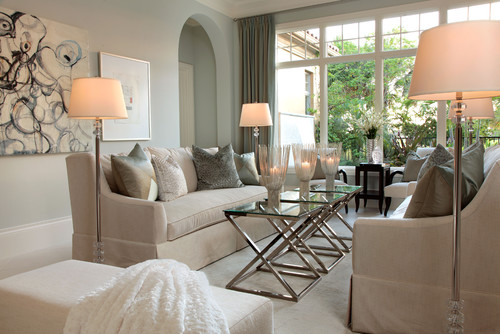
Lighting can dramatically transform a living space, yet many overlook the power of a well-placed floor lamp. Picture this: a room filled with shadows that feels closed in, instantly brightened and opened up by a strategically positioned light source. It’s not just about illumination; it’s about crafting ambiance and functionality.
Floor lamps, dating back to the Victorian era, have evolved alongside design trends. According to a Lighting Research Center study, properly configured lighting can improve mood and productivity by up to 20%. Placing floor lamps in corners or near seating areas not only enhances visual appeal but also creates cozy reading nooks or conversation zones.
- Identify the purpose of illumination, such as reading, ambiance, or task lighting.
- Select a floor lamp style that complements your living room decor.
- Choose the right location, considering factors like power outlets and furniture placement.
- Position the lamp effectively to maximize light distribution without causing glare.
- Integrate the floor lamp with other light sources for balanced layered lighting.
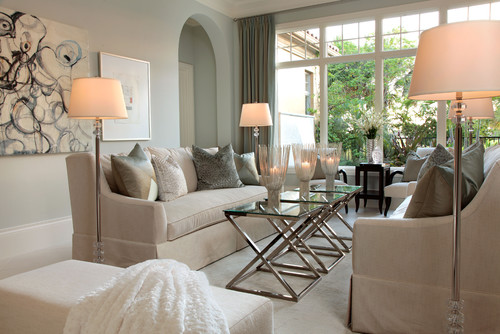
How to Use Floor Lamps in Living Room
Floor lamps can add both style and function to your living room. Start by identifying what you need the floor lamp for—is it for reading, to enhance ambiance, or to fill a dark corner? Understanding the purpose helps determine the right type of lamp, such as task lighting or ambient lighting. Positioning is key; place your lamp near power outlets to avoid unsightly cords. You can find more about placement strategies in this post.
When choosing a floor lamp, consider the style that matches your living room decor. There are traditional, modern, and industrial designs available. Different lamps can create different moods. For a cozy reading nook, an adjustable arm lamp works well. If you want to illuminate the entire room, a Torchiere lamp may be a better choice.
Placement is essential for maximizing the effectiveness of your floor lamp. Place the lamp in a corner to brighten up dark spaces or beside a couch for reading. Make sure it doesn’t obstruct any pathways. According to here is the article, proper positioning can drastically improve your room’s lighting. You can also experiment with placing lamps at varying heights for a layered lighting effect.
Another important aspect is integrating the floor lamp with other lighting sources. Combining floor lamps with ceiling lights, table lamps, or wall sconces can create a balanced lighting scheme. Consider using a floor lamp with dimmer settings to adjust the light intensity according to the time of day. This way, you can change the room’s atmosphere easily and make it more inviting for guests.
Step 1: Identifying the Purpose for Illumination
Before choosing a floor lamp for your living room, it’s important to understand why you need the illumination. Different purposes call for different types of lighting solutions. Are you trying to create a cozy reading nook or brighten a dark corner? Addressing these questions will help you narrow down your options. According to this post, understanding the lighting needs of a room can significantly impact the overall aesthetic and functionality.
Task lighting is essential if you need focused light for reading or working. A floor lamp with an adjustable arm is perfect for this purpose. It allows you to direct the light exactly where it’s needed. This is especially useful in rooms without built-in light sources. Lamps with higher lumens are typically more suitable for task lighting.
If you’re looking to enhance the ambiance, ambient lighting might be what you need. Ambient floor lamps provide soft, diffused light that fills the room. These lamps are generally placed in corners or next to furniture to soften the shadows. They contribute to the room’s overall atmosphere without being harsh or glaring. Think of them as mood-setters for your space.
Don’t forget to consider accent lighting. This type of lighting highlights specific areas or décor elements, like art pieces or plants. An accent floor lamp can draw attention to these features. For example, a decorative lamp with a unique design can double as a piece of art. Combining accent lighting with other types will create a balanced and inviting living room.
Step 2: Choosing the Appropriate Floor Lamp Style
Selecting the right floor lamp style can significantly impact the look and feel of your living room. Each style has its unique features that cater to different design needs. Traditional lamps often come with ornate details and elegant finishes, perfect for classic interiors. For a more contemporary look, sleek and minimalist designs work best. It’s all about aligning the lamp style with your room’s aesthetic.
Modern floor lamps are popular for their clean lines and innovative designs. They often feature materials like metal and glass, giving your space a chic and polished look. Some modern lamps also come with adjustable heads, making them highly functional. If you prefer an industrial vibe, consider a lamp with exposed bulbs and a raw metal finish. This style adds a touch of rugged sophistication to your living space.
If you’re into vintage or retro designs, there are plenty of options too. These lamps typically feature bold colors and unique shapes. Look for floor lamps with brass or wood accents to add a nostalgic charm. Vintage lamps can become focal points in the room. They pair well with eclectic furniture and décor.
Don’t forget about floor lamps with multiple arms or branches. These styles offer flexibility and greater light distribution. They are suitable for large living rooms that need more illumination. Additionally, these lamps can serve as both task and ambient lighting, making them versatile options. Choosing the right floor lamp style will enhance both the functionality and beauty of your space.
Step 3: Picking the Right Location for Your Floor Lamp
Where you place your floor lamp can make a huge difference in how your living room looks and feels. Start by assessing the room’s layout and identifying areas that need more light. Corners are often the best places to position floor lamps as they help to even out the lighting. Ensure that the lamp is close to power outlets to avoid long, visible cords. It’s all about convenience and aesthetics.
Placing a floor lamp near your seating area can create a cozy reading nook. If you have an armchair or a sofa, a lamp with an adjustable arm can provide focused light for reading or working. This setup improves both functionality and comfort. Alternatively, you can place the lamp behind the sofa to offer an overall glow without being too direct. This technique enhances the room’s ambiance.
If you’re working with a smaller living room, consider placing the floor lamp next to a window. This adds light during the evening while complementing natural light during the day. Reflective surfaces like glass and mirrors near the lamp can also help amplify its brightness. This helps in making the room appear larger and well-lit.
Another strategy is to mix floor lamps with other lighting sources. Incorporate table lamps, ceiling lights, or wall sconces to create a layered lighting effect. This approach ensures that no single light source is overpowering. Doing so will make the room more flexible for different activities. Whether you’re watching a movie or hosting guests, the lighting remains adaptable.
Consider using your floor lamp to highlight specific decorative elements in the living room. For instance, positioning the lamp near a piece of artwork or a plant can draw attention to those features. This adds depth and interest to your decor. It also makes the space feel more cohesive and thoughtfully designed.
Finally, don’t forget about traffic flow. Ensure that the floor lamp does not obstruct pathways or clutter the space. An awkwardly placed lamp can disrupt the room’s harmony. Keeping the area around the lamp tidy will enhance both safety and aesthetics. Proper placement is key to maximizing the benefits of your floor lamp.
Step 4: Positioning the Floor Lamp Effectively
Once you’ve chosen the ideal floor lamp and the right location, it’s crucial to position it effectively. Strategic positioning can enhance the room’s lighting and ambiance. Consider the height of the lamp; it should be tall enough to provide adequate light but not so high that it’s glaring. You want soft, diffused light that spreads across the room. A lamp at eye level when you’re seated is usually a good choice.
Think about how the light spreads in the room. Position the lamp so that its light is not obstructed by furniture or other items. This ensures maximum illumination and helps avoid dark spots. Placing it near reflective surfaces can amplify the light, making the space feel brighter and more open. Angling the lamp slightly can also direct the light where it’s most needed.
Experimenting with angles can make a big difference in lighting. Tilt the lamp head to focus light on a specific area like a reading chair or a work table. Adjustable lamps offer the flexibility to direct light precisely where you need it. This is particularly useful in multi-functional living rooms. Adjusting the angle can change the room’s mood instantly.
Integrate your floor lamp with your room’s layout. If you have a focal point, like a fireplace or a piece of art, position the lamp to highlight it. This adds a layer of depth and draws the eye towards that focal point. You can also use the lamp to create a balance in the room by offsetting other large pieces of furniture.
Lastly, consider the interaction between the floor lamp and other light sources. Position your lamp to complement table lamps and ceiling lights. This creates a cohesive lighting scheme. You can set up different zones of light for various activities. Whether you’re watching TV or reading a book, the lighting adapts to your needs.
Step 5: Incorporating the Floor Lamp with Other Light Sources
Incorporating a floor lamp with other light sources can create a well-balanced and functional living space. Complement your floor lamp with table lamps to provide layered lighting. Layered lighting combines different types of lights to enhance both functionality and aesthetics. Ceiling lights can provide general illumination, while floor and table lamps add specific task and accent lighting. This strategy makes the room more versatile.
One effective way to integrate various lighting sources is to use dimmers. Dimmers allow you to control the intensity of the light, making it adaptable for different occasions. For example, you can have brighter light for reading and a softer glow for movie nights. Mixing adjustable light sources also lets you set the perfect mood. This flexibility is key to creating a comfortable atmosphere.
Consider using wall sconces along with your floor lamp to add dimension to your lighting scheme. Wall sconces provide targeted lighting that can brighten up dark areas or highlight specific features. Combining these with a floor lamp ensures even lighting throughout the room. This blend improves the room’s overall appearance and functionality. It also allows for more balanced light distribution.
Don’t forget about natural light when incorporating your floor lamp with other light sources. Position your floor lamp near windows to complement the natural light during the day. This setup can reduce the need for artificial lighting and create a more sustainable environment. Using sheer curtains can diffuse natural light, giving the room a soft, pleasant glow. This makes the living room inviting at any time of day.
Finally, coordinating the color temperature of your light sources can create a cohesive look. Choose bulbs with similar color temperatures for a unified effect. Warm lights can make the room feel cozy, while cooler lights are better for focused tasks. Mixing various lights with different temperatures can create zones in the living room for different activities. This approach maximizes the versatility of the space.
Benefits of Using Floor Lamps in Living Room
Floor lamps offer a multitude of benefits in a living room setting. They are versatile and can be easily repositioned to suit your needs. Unlike fixed lighting fixtures, floor lamps provide flexibility and can be moved around as you rearrange furniture. This makes them perfect for dynamic households where the layout often changes. Additionally, they require minimal installation and can be set up quickly.
Another advantage is that floor lamps contribute significantly to layered lighting. Layered lighting involves using multiple light sources to create a balanced and aesthetically pleasing environment. A floor lamp can act as task lighting, ambient lighting, or even accent lighting, depending on its placement and design. This adaptability makes it an essential component of any well-lit room.
Floor lamps are also space-saving solutions compared to other types of lighting fixtures. They occupy minimal floor space and do not need table surfaces like table lamps do. This makes them ideal for smaller living rooms where space is at a premium. The vertical design adds height and dimension without cluttering up the area.
| Benefit | Description |
|---|---|
| Flexible Positioning | Easily moveable to different parts of the room. |
| Layered Lighting | Enhances overall room illumination by complementing other light sources. |
| Space-Saving Design | Takes up minimal space while adding height and dimension. |
Aesthetic enhancement is another significant benefit offered by floor lamps. Many modern designs add visual interest to your living room decor beyond just providing light. A stylish lamp can become a focal point or complement other design elements within the room. It contributes both form and function, enhancing the overall appeal of your space.
Lastly, incorporating energy-efficient bulbs in your floor lamp can make your home more eco-friendly. LED bulbs consume less electricity compared to traditional incandescent bulbs, reducing energy bills over time. They also have a longer lifespan, which minimizes maintenance costs and waste. This combination of efficiency and longevity makes for sustainable living.
Key Factors to Consider When Buying Floor Lamps
Choosing the right floor lamp for your living room can transform the space, making it cozy yet functional. One of the most important factors to consider is the lamp’s height. A lamp that is too tall might be overpowering, while one that is too short may not provide adequate lighting. Balance is key, so measure the space where the lamp will go. Test it out to see if the light reaches the intended areas.
The type of lighting you need also plays a significant role. Decide if you need ambient, task, or accent lighting. Ambient lighting provides overall illumination, task lighting focuses on a specific area like a reading nook, and accent lighting highlights certain features. Knowing your requirements beforehand helps in selecting the ideal lamp. This can maximize the room’s functionality and aesthetic appeal.
Material and design are other crucial aspects to consider. Floor lamps come in various materials like metal, wood, and fabric. Each material offers a different look and feel. Metal lamps often lend a modern touch, while wooden ones add warmth and a traditional vibe. The design should complement your existing decor and enhance the room’s style.
- Height: Should be balanced with the room’s furniture.
- Type of Lighting: Ambient, task, or accent.
- Material: Options include metal, wood, and fabric.
- Design: Should match the room’s decor.
Energy efficiency is another important factor. Opt for floor lamps that support LED bulbs or other energy-saving options. These bulbs consume less electricity and have a longer lifespan compared to traditional incandescent bulbs. This choice is both environmentally friendly and cost-effective. It will save you money on energy bills while reducing your carbon footprint.
The lamp’s control mechanisms should also be considered. Some floor lamps come with built-in dimmers or smart functionalities that allow you to control them from your phone. These features add convenience and flexibility to your lighting setup. Being able to adjust the brightness can make the room adaptable for various activities, from reading to watching movies.
Favorite Floor Lamp Designs for Living Rooms
When it comes to floor lamps, there are many popular designs that can transform your living room. Arc floor lamps are a stylish choice, known for their elegant, sweeping arms. These lamps provide both task and ambient lighting. They work well over sofas or armchairs, creating a focal point in the room. Their dramatic curves add a touch of sophistication.
Torchiere floor lamps are another favorite. These lamps direct light upwards, illuminating the whole room. They are perfect for corners and smaller spaces where you need a lot of light. Torchiere lamps often come with dimmer switches, adding flexibility to your lighting setup. Their sleek design blends seamlessly with various decor styles.
If you prefer a modern look, consider tripod floor lamps. These lamps stand on three legs, offering a unique and stable design. Tripod lamps often feature clean lines and minimalist aesthetics. They are great for adding a contemporary touch to any living room. The design distributes weight evenly, making them sturdy and reliable.
Multi-arm floor lamps are versatile and functional. These lamps have several adjustable arms, each with its own light source. You can angle each arm differently to brighten multiple areas. This makes them perfect for large living rooms that require layered lighting. Multi-arm lamps also add an artistic flair to the space.
- Arc Floor Lamps: Elegant and sweeping design, ideal for over sofas.
- Torchiere Floor Lamps: Directs light upwards, suitable for corners.
- Tripod Floor Lamps: Modern look with three-leg stability.
- Multi-arm Floor Lamps: Adjustable arms for versatile lighting.
Industrial-style floor lamps are gaining popularity as well. Characterized by exposed bulbs and metal finishes, these lamps add a rugged, urban feel to your living room. They are perfect for lofts and modern industrial interiors. The raw materials and simple design make them a bold statement piece. They pair well with vintage or retro decor.
Frequently Asked Questions
Floor lamps are versatile additions to any living room. They provide not only illumination but also enhance the decor. Here are some frequently asked questions about using floor lamps in your living room.
1. What types of floor lamps are best for reading corners?
For reading corners, go for adjustable or swing-arm floor lamps. These allow you to direct the light where it’s needed most, making reading comfortable even in low-light conditions. Look for lamps with higher lumens and adjustable brightness levels.
This type provides focused light that reduces eye strain while reading. It’s also a good idea to choose a lamp with a warmer light temperature; this is easier on the eyes and creates a cozy atmosphere, perfect for settling down with a good book.
2. Can floor lamps be used as the primary source of lighting in a living room?
Yes, floor lamps can serve as the main lighting source, especially in small to medium-sized rooms. However, they work best when combined with other lights like ceiling or table lamps to ensure even distribution of light throughout the room.
If using them as the primary light source, opt for larger floor lamps such as Torchiere models that throw light upward and illuminate a wider area. This layered approach avoids dark spots and helps create an inviting ambiance.
3. How can I match my floor lamp with my existing decor?
The key is to select a style that complements your existing furniture and color scheme. For instance, modern or minimalist styles work well with contemporary interiors featuring clean lines and neutral tones.
If your room has traditional or vintage decor, consider floor lamps made from materials like wood or brass that have intricate designs. Mixing textures can add depth and interest without clashing visually.
4. What should I consider when placing a floor lamp near seating areas?
Aim to place the lamp so it doesn’t obstruct foot traffic yet still provides ample light around seating areas like couches and chairs. Positioning it next to end tables can help integrate it into the space seamlessly.
An important tip is ensuring that the bottom of the shade is at eye level when seated; this reduces glare while providing adequate illumination for activities such as reading or knitting. Lamps should blend into the seating arrangement without overpowering other elements in the room.
5. Are there energy-efficient options available for floor lamps?
Absolutely, many modern floor lamps come equipped to support LED bulbs which are more energy-efficient than traditional incandescent bulbs. LEDs consume less power while delivering brighter illumination, making them both cost-effective and environmentally friendly over time.
You may also find smart bulbs compatible with Wi-Fi-enabled smart home systems; these offer additional efficiencies such as scheduling and remote control via smartphone apps or voice commands through devices like Amazon Alexa or Google Home.
Conclusion
Incorporating floor lamps into your living room design brings both functionality and style. Their versatility allows you to customize lighting to meet your needs, from cozy reading nooks to overall ambient light. Floor lamps can significantly enhance the aesthetic appeal of your space while providing essential illumination.
By considering factors like height, style, and positioning, you can make the most out of your floor lamps. This approach ensures they blend seamlessly with your decor and meet your lighting requirements. Thoughtfully placed and well-chosen lamps will transform your living room, making it both inviting and functional.

I’m Emily Johnson, an affiliate marketer and blogger focused on lamps and lighting. I share honest reviews, simple buying guides, and practical tips. My goal is to help readers choose the right lamp for their space, style, and budget with confidence.