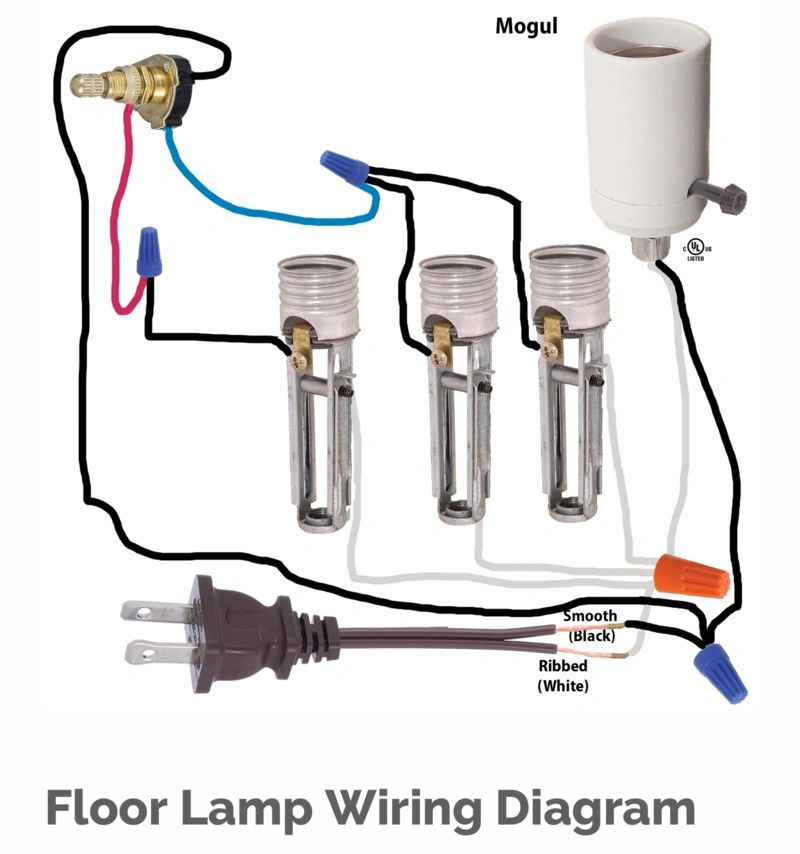
You might be surprised to learn that the art of wiring a floor lamp dates back to the early 20th century when electrical lighting began to revolutionize household illumination. Picture an electrician delicately threading wires through a sleek, Art Deco lamp—a blend of precision and artistry. Today, wiring a floor lamp remains an essential skill for those in the trade, offering both functionality and aesthetics.
Before jumping into wiring, it’s crucial to understand the components involved, such as the lamp holder, switch, and cord set. Historically, innovations in electrical safety and design have dramatically influenced lamp construction. For instance, modern wiring standards and materials have reduced electrical accidents by over 50%, making tasks like these safer and more efficient.
- Unplug the lamp and gather tools like wire strippers, electrical tape, and a new cord.
- Disassemble the lamp to access old wiring and inspect for damage.
- Thread the new cord through the base and replace damaged parts.
- Connect wires to socket terminals securely using appropriate methods.
- Reassemble the lamp, ensuring all connections are tight and stable.
- Test the lamp by plugging it in and turning it on to ensure proper functionality.
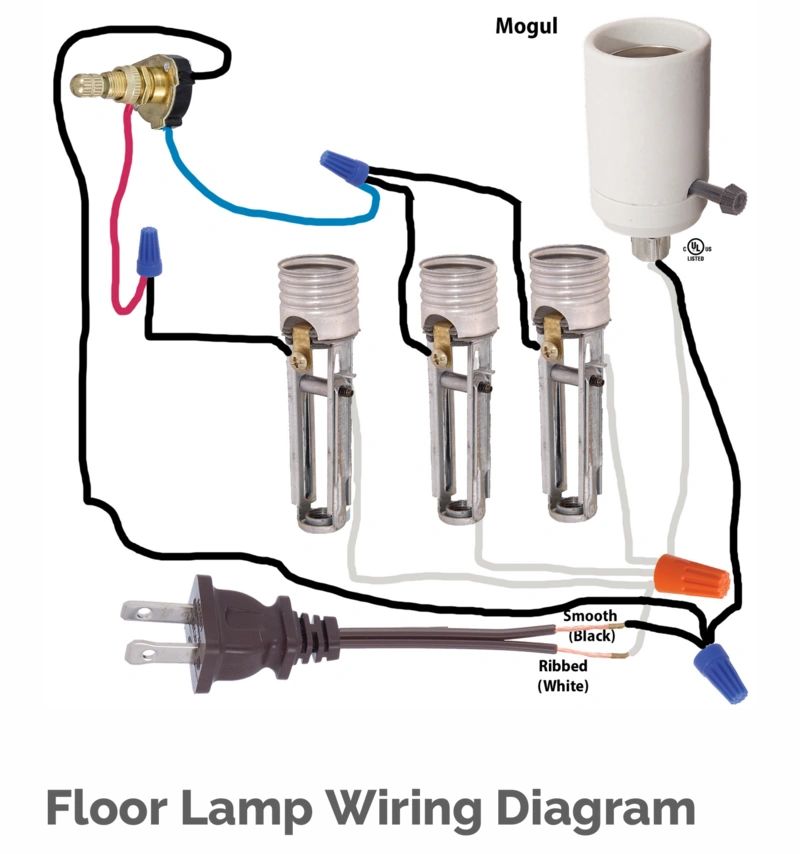
How to Wire a Floor Lamp
Wiring a floor lamp can seem challenging, but breaking it down makes it easier. First, you’ll need to gather the necessary tools like wire strippers, electrical tape, and a new lamp cord. It’s crucial to unplug the lamp and ensure it’s turned off before starting. Safety is paramount, especially when dealing with electricity. You can find detailed instructions in this post.
Now, let’s prepare the lamp. Remove the old wiring carefully by unscrewing the lamp’s base and rod. Pay attention to how the old wires are connected. You’ll need to replicate these connections with the new cord. If your lamp has multiple sockets, follow steps outlined in here is the article.
Next, thread the new cord through the lamp’s base and up to the socket. Secure the wires to the screw terminals on the socket with a screwdriver. Ensure that the connections are tight. Any loose wires can create hazards, so double-check your work. Using electrical tape can help keep everything in place.
Finally, reassemble the lamp and test it. Plug the lamp in and turn it on to make sure it works properly. If it doesn’t light up, double-check all your connections. Using a multimeter can help identify any issues. Don’t hesitate to consult professionals if you’re unsure.
Step 1: Understand the Basics of Lamp Wiring
Understanding the basics of lamp wiring is the first essential step. Each floor lamp typically consists of a lamp holder, an electrical cord, and a switch. The wires inside the cord usually include a hot wire, a neutral wire, and sometimes a ground wire. Knowing these components helps in visualizing how electricity flows through the lamp. This can make troubleshooting much easier.
When you disassemble a lamp, you might be surprised to see various connecting points and wiring routes. According to this post, understanding the wiring from the base to the pole can clarify much of the setup process. This helps in grasping the structure of the electric flow within the lamp. Such insights can save you time and reduce the chance of errors. Pay attention to how the wires are organized initially.
Here is a basic idea about wiring colors and their roles:
- Black or Red: Hot wire
- White: Neutral wire
- Green or Bare: Ground wire (if present)
Recognizing these colors ensures you connect the right wires to the appropriate terminals. Incorrect wiring can lead to short circuits or even electric shocks.
Safety comes first in all electrical projects. Always use insulated tools and wear rubber gloves when handling wires. Make sure the lamp is unplugged before starting any work. Reading expert opinions and guides can make the entire process smoother and safer. Remember, a well-wired lamp will not only work efficiently but also stand the test of time.
Step 2: Gather the Needed Tools and Materials
Having the right tools and materials is essential for wiring a floor lamp safely and effectively. You’ll need a Phillips and flathead screwdriver, wire strippers, and electrical tape. A new lamp cord, a socket, and some wire nuts will also be necessary. These items are typically found at any hardware store. Getting everything you need beforehand can save you multiple trips.
- Phillips screwdriver
- Flathead screwdriver
- Wire strippers
- Electrical tape
- New lamp cord
- Socket
- Wire nuts
Using the proper tools ensures that connections are secure and components fit well. For example, wire strippers help you remove the insulation without damaging the wires. This precision is crucial for a safe and effective wiring job. High-quality electrical tape will also ensure that connections are well-insulated. Cheap materials can lead to electrical failures later on.
A workspace with good lighting and a sturdy table helps in organizing everything. Keep all your tools and components within reach. An organized workspace reduces stress and makes the task more enjoyable. Be prepared with instructions or guides, especially if you’re doing this for the first time. Detailed guides and videos can be incredibly helpful when wiring a lamp.
Step 3: Prepare the Floor Lamp
Before starting the wiring process, preparing the floor lamp is crucial. Begin by disassembling the lamp to access its internal components. This means removing the base, shade, and any detachable parts. Carefully lay these parts on a clean, flat surface. Make sure you note how each piece fits together.
Next, inspect the existing wiring for any signs of damage or wear. Frayed or exposed wires are unsafe and should be replaced. You might also come across loose connections which need to be tightened. If the lamp has an old socket, consider replacing it for better performance. A close inspection ensures you’re not just wiring, but also upgrading your lamp.
Once disassembled, thoroughly clean each part of the lamp. Dust and grime can interfere with electrical connections. Wipe down the inside of the base and rod. Using a small brush can help reach any tight spots. Clean parts contribute to a smoother assembly.
If the lamp has multiple sockets or switches, label each wire you remove. This will help you remember their original positions. Use masking tape or small tags to mark them. Having a clear labeling system can make reassembly much simpler. It reduces the chances of making errors during the wiring process.
Ensure all tools and new materials are within arm’s reach before starting the wiring stage. Being organized helps keep the process smooth and efficient. Having everything ready beforehand minimizes interruptions. It’s easier to stay focused and less stressful overall. Preparing well sets a solid foundation for the rest of your project.
For lamps with unique designs or features, consult specific guides or manuals. Online resources can offer expert advice for particular models. For example, videos often show practical tips you won’t find in written instructions. Proper preparation aligns with guidelines and ensures a safe, effective wiring job. This attention to detail makes the final result both functional and safe.
Step 4: Start the Wiring Process
Begin the wiring process by threading the new electrical cord through the lamp’s base and up the rod. This might require some patience, especially if the path is narrow or has bends. Use a wire fish tape or a stiff wire to guide the cord through if needed. Ensure the cord runs smoothly without any kinks. Check that enough cord length is available at both ends for connections.
Next, strip about half an inch of insulation from the ends of the electrical wires. This exposes the metal conductors, making them ready for connections. Attach the exposed wires to the lamp socket terminals. Typically, you will connect the black (hot) wire to the brass terminal, and the white (neutral) wire to the silver terminal. Tighten the terminal screws securely to ensure a good connection.
After securing the wires, use electrical tape to cover the connections. This helps insulate the wires and prevents short circuits. Wrap the tape firmly but avoid applying too much pressure, which could damage the wires. Make sure there are no exposed metal parts. Well-insulated wires are critical for safety.
Reassemble the lamp by putting all the parts back together. Follow the steps you used during disassembly but in reverse order. Double-check every connection and make sure everything fits snugly. Pay special attention to the base, ensuring it is stable and secure. Any loose parts could affect the lamp’s functionality.
Finally, plug in the lamp and turn it on to test your work. If the lamp doesn’t light up, double-check all connections and ensure the bulb is functioning. Use a multimeter to test the electrical flow if there are issues. Proper testing ensures your wiring job was done correctly and safely.
Document your process for future reference or for sharing with others. Detailed notes and labeled photos can be great resources if you need to rewire another lamp. Sharing your experience can also help others facing similar projects. Preparedness and precision lead to a well-wired, safely operating floor lamp.
Step 5: Test the Lamp for Functionality
After wiring your floor lamp, testing its functionality is crucial. Start by plugging the lamp into a working electrical outlet. Switch the lamp on and see if it illuminates. If it lights up immediately, you’ve done a good job. However, if it doesn’t, further inspection is needed.
Sometimes, a lamp might not light up due to a faulty bulb. Replace the bulb with a new one and try turning the lamp on again. If it still doesn’t work, the issue could be with the wiring. Double-check all connections and ensure they are secure. Loose wires often cause problems.
To diagnose electrical flow issues, use a multimeter. This tool measures the voltage and continuity in your circuit. Set the multimeter to measure AC voltage and test the socket. If the multimeter doesn’t show a reading, then the problem lies within the wiring. This helps pinpoint where adjustments are necessary.
Testing also includes checking the lamp’s stability and switch operation. Make sure the lamp stands firmly without wobbling. Toggle the switch multiple times to ensure it works smoothly. Stability and a functional switch are as important as the electrical connections.
Don’t hesitate to seek professional help if testing reveals issues. Electricians can provide expert advice and fixes for complex problems. Their experience ensures that your lamp is both functional and safe. A well-tested lamp guarantees peace of mind and longevity.
Safety Precautions to Consider During Lamp Wiring
When wiring a floor lamp, safety should always come first. Always unplug the lamp before starting any work to avoid electrical shocks. Wear rubber gloves and use insulated tools for added protection. Ensure your workspace is dry, as water and electricity are a dangerous mix. Good lighting in your work area helps you see what you’re doing clearly.
Double-check the condition of all parts before assembling the lamp. Inspect wires for fraying or exposed metal and replace damaged components. Check that the plug and socket are in good working order. Loose parts or faulty equipment can lead to electrical hazards. Properly functioning parts are crucial for safe operation.
The placement of the wires inside the lamp is also important for safety. Make sure no wires are pinched or twisted tightly, as this can cause them to wear out over time. Secure all connections with electrical tape to prevent short circuits. Use wire nuts where necessary to secure multiple wire ends together safely. Well-organized wiring minimizes risks.
If you’re unsure about any step in the process, consult professional guidelines or experts before proceeding. Reading detailed instructions can help you avoid common mistakes that could cause accidents. Many online resources offer valuable tips and tricks from experienced electricians. Your willingness to seek advice ensures a safer project outcome.
- Unplug the lamp
- Wear protective gear
- Inspect components
- Avoid pinching wires
- Use proper connectors
Sticking to these checks helps maintain a high level of safety throughout your task.
Finally, thoroughly test the lamp after completing the wiring process to ensure everything works correctly and safely. Double-check that all screws are tightened and parts are secured in place before plugging it back in. Test multiple times by turning it on and off a few times while observing its stability and functionality closely.
A well-wired, safely operating floor lamp not only looks great but also offers peace of mind
The Importance of Proper Lamp Wiring
Proper lamp wiring is essential for the safety and functionality of your floor lamp. Incorrect wiring can lead to electrical shocks, short circuits, and even fires. Ensuring that wires are securely connected and properly insulated will prevent these dangers. A well-wired lamp runs efficiently and lasts longer. The safety benefits cannot be overstated.
Good lamp wiring also contributes to the lamp’s aesthetic appeal. With neat and organized wiring, the lamp looks professionally done. This adds value to the lamp and enhances its overall appearance. Whether in a home or office setting, a properly wired lamp blends seamlessly into the décor. It helps create a pleasing environment.
Proper wiring also ensures that the lamp operates reliably. Flickering lights or intermittent functionality can be signs of poor wiring. Consistent performance indicates that the electrical connections are stable and secure. This reliability is particularly important in settings where consistent lighting is needed. A well-wired lamp will not let you down when you need it most.
The financial benefits are another reason to invest in proper wiring. Well-maintained lamps reduce the need for frequent repairs or replacements. Quality wiring materials and techniques might involve an upfront cost, but they save money in the long run. They contribute to the durability and longevity of the lamp. Investing in good wiring pays off both in safety and savings.
Using the correct wiring standards can also increase energy efficiency. Properly wired lamps consume electricity more efficiently. This helps in reducing your energy bills. It’s a win-win situation for both your wallet and the environment.
- Enhanced safety
- Improved aesthetics
- Reliable operation
- Financial savings
- Energy efficiency
Considering these factors underscores why proper wiring should never be overlooked.
Learning how to wire a floor lamp properly empowers you to handle more DIY electrical projects. It builds your confidence and expands your skill set. Whether you’re a hobbyist or a professional, understanding the importance of proper wiring is crucial. Skills learned here can be applied to other electrical tasks around the home or workplace. It’s a foundational skill worth mastering.
Common Mistakes in Lamp Wiring and How to Avoid Them
Wiring a lamp may seem straightforward, but common mistakes can lead to serious issues. One frequent error is not turning off the power before starting the wiring process. Working with live wires can result in electrical shocks and injuries. Always unplug the lamp and ensure your workspace is safe before beginning. This simple step can prevent many accidents.
Another common mistake is improperly connecting the wires. It’s essential to match the correct wires: hot to hot, neutral to neutral, and ground to ground. Mixing these up can cause short circuits or the lamp not to work at all. Double-check all connections during assembly. Incorrect wiring not only risks your safety but can also damage the lamp.
Loose connections are another frequent issue in lamp wiring. If the wires are not securely fastened to the terminals, they can become loose over time. This can result in flickering lights or the lamp not working. Tighten all screws and use wire nuts to ensure a secure and stable connection. Well-secured wires are vital for reliability.
Using the wrong type of electrical tape or failing to insulate connections properly is also a common error. Low-quality tape can deteriorate quickly, exposing the wires. Always use high-quality electrical tape and make sure each connection is thoroughly insulated. Proper insulation prevents short circuits and extends the life of your wiring.
- Not turning off power
- Improper wire connections
- Loose connections
- Inadequate insulation
Avoiding these mistakes ensures a safer and more effective wiring job.
Finally, skimping on materials or tools can lead to problems down the line. Using old or faulty components can compromise the entire wiring process. Invest in quality wires, sockets, and other materials. Upgrading your tools can also improve the quality of your work. Reliable materials and tools make for a durable and safe lamp wiring project.
Frequently Asked Questions
Below are some common questions and answers related to wiring floor lamps. These will help clarify the process and ensure safety and efficiency.
1. Why is it important to use insulated tools when wiring a lamp?
Using insulated tools is crucial for safety reasons. Insulated tools are designed to protect you from electrical shocks, which can occur if you come into contact with live wires. The insulation acts as a barrier between the electrical current and your hands, reducing the risk of injuries.
Additionally, insulated tools offer better grip and control while working with small or intricate parts. This ensures that you complete the wiring job more accurately and securely. Using these specialized tools helps maintain safety standards and improves overall work quality.
2. How do I know if my lamp’s existing wiring needs to be replaced?
You should inspect the lamp’s wiring for any visible damage like frayed insulation or exposed metal wires. These signs indicate that the wiring has deteriorated over time and needs replacement. It’s also wise to replace old wiring if your lamp frequently flickers or doesn’t turn on reliably.
If you’re unsure about the condition of your lamp’s wiring, consult a professional before proceeding with any repairs or replacements. Properly maintained wiring not only enhances the lamp’s performance but also ensures your safety during its use.
3. Can I add a dimmer switch to an older floor lamp?
Yes, you can add a dimmer switch to an older floor lamp, but ensure it’s compatible with both the socket type and bulb used in your lamp. Some older lamps might require specific types of dimmer switches compatible with incandescent or LED bulbs.
When installing a dimmer switch, follow all manufacturer instructions carefully. Improper installation can lead to malfunctions or even pose fire hazards. It’s always best to seek professional advice if you’re uncertain about any part of this upgrade process.
4. What should I do if my rewired lamp doesn’t turn on?
If your rewired lamp doesn’t turn on, first check that it’s plugged into a working outlet and that the bulb is functional. Sometimes simple oversights such as these can cause issues.
Next, recheck all wire connections to ensure they are tight and secure.
Another common issue could be within The socket terminals itself.
Disconnect power before making adjustments.
If everything seems fine but it still doesn’t work , consider using multimeter tool which tests voltage & continuity.This will help identify problems within circuits .If none troubleshooting steps solve The problem,,its advisable contacting professional electrician avoid any mishaps .
ỏng
h3>
## Examples Of Wiring a floor lamp may seem daunting, but with the right tools and steps, it becomes manageable. It’s essential to prioritize safety and follow guidelines meticulously. Proper wiring not only ensures the lamp functions well but also extends its lifespan. By avoiding common pitfalls and focusing on quality, you can achieve professional results. This skill is invaluable for both DIY enthusiasts and professionals alike. Whether for a home project or a client, expertly wired lamps offer beauty and reliability.
I’m Emily Johnson, an affiliate marketer and blogger focused on lamps and lighting. I share honest reviews, simple buying guides, and practical tips. My goal is to help readers choose the right lamp for their space, style, and budget with confidence.