
Securing appropriate lighting for a workspace can significantly impact productivity and comfort. Consider the desk lamp clamp—a straightforward yet essential device—its proper attachment leads to optimal lighting and minimized space clutter. Understanding the nuances of its installation can make the difference between a stable work environment and frequent, frustrating adjustments.
Attaching a desk lamp clamp involves a precise yet simple process. First, selecting a sturdy edge on your desk ensures stability. Interestingly, the clamp mechanism, which dates back to the early 20th century, remains a widely favored solution because it distributes weight evenly. Tighten the clamp securely and adjust the light angle to achieve the perfect lighting balance for your needs.
- Choose a sturdy desk edge for stability.
- Open the clamp by loosening the adjustable screw mechanism.
- Position the clamp on the desk edge and tighten the screw until secure.
- Attach the lamp base to the clamp’s mount, ensuring alignment.
- Tighten all screws to secure the lamp firmly.
- Adjust the lamp head and arm for optimal lighting.
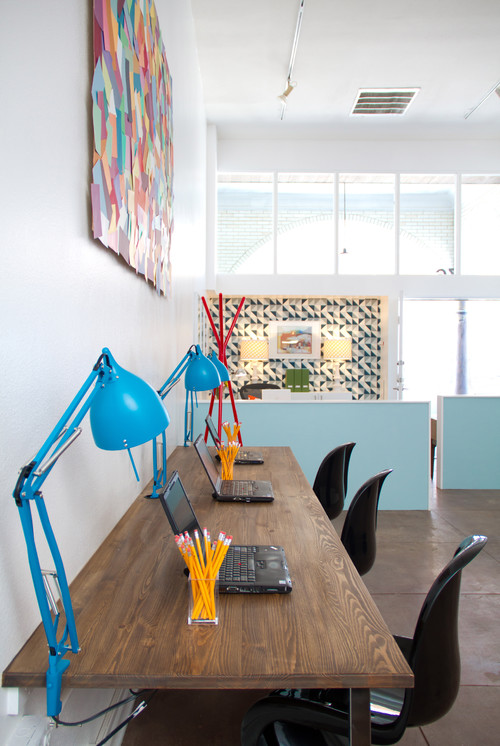
How to Attach Desk Lamp Clamp
Attaching a desk lamp clamp starts with choosing the right spot. Your desk edge should be sturdy enough to support the lamp’s weight. Make sure the location provides good lighting coverage for your workspace. Avoid edges with too much wobble or irregular surfaces. The goal is to find a place where the lamp can stay fixed firmly.
Next, prepare the clamp for attachment. Most desk lamp clamps come with an adjustable screw mechanism. Loosen this screw so the clamp opens wide enough to fit the desk edge. Ensuring the clamp is wide enough before trying to attach it will save time and prevent potential damage. This step is crucial for a straightforward installation.
Once placed correctly, tighten the screw until the clamp grips the desk firmly. This step requires some strength but shouldn’t be overly difficult. Check to make sure the clamp is secure by gently wiggling the lamp. If it stays in place, you’ve done it right. Avoid overtightening, which could damage your desk surface.
Finally, adjust the lamp head to direct light where you need it most. This simple adjustment can make a significant difference in your workspace efficiency. Most desk lamps allow for various angles and positions. Make sure to fine-tune the setup until you achieve optimal lighting. Enjoy your well-lit workspace, ready for any task at hand.
Step 1: Selecting the Location on Your Desk
Selecting the right location for your desk lamp clamp is essential. The spot should be easy to reach and provide ample lighting for your tasks. Consider areas where you frequently work, read, or study. An edge close to where you sit is usually best. Avoid placing it on a cluttered surface.
Before choosing the spot, check the stability of the desk edge. A wobbly or uneven edge can make the lamp unstable. This could lead to frequent adjustments or even potential accidents. Also, ensure that the edge can support the clamp’s grip. A flat, solid surface is ideal.
Think about the direction of the light. Decide if you want direct lighting for focused tasks or ambient lighting for a wider area. This will help you pick the perfect spot. Lighting placement can affect your efficiency and comfort. Ensure the light covers your entire workspace.
Also, remember to consider power outlet locations. The lamp’s cord should reach the outlet without creating a tripping hazard. If the cord is too short, you might need an extension. Adequate planning in this step ensures a smooth setup process. Position your lamp where functionality and safety intersect.
Step 2: Preparing the Clamp
Preparing the clamp involves checking all parts to ensure they work correctly. First, inspect the clamp for any damage or wear. Look for cracks, loose parts, or any other issues that might affect its functionality. This step is crucial for securing the lamp properly. Ensuring everything is in good condition aids in preventing accidents.
Next, find the adjustable screw mechanism on your clamp. This is usually located on the side or the bottom of the clamp. Turn the screw to the left to open the clamp wider. This adjustment allows the clamp to fit over the edge of your desk. Make sure it opens wide enough to avoid struggling during attachment.
Sometimes, the clamp will have a protective pad where it grips the desk. Ensure this pad is clean and intact. A dirty or damaged pad can scratch your desk or provide less grip. If it’s not in good condition, consider replacing it. Proper care will keep both the lamp and desk safe from damage.
Lastly, gather any additional tools you might need, like a screwdriver. These tools can help tighten or loosen screws as required. Having everything ready beforehand makes the process smoother. Organized preparation ensures a hassle-free setup. You’ve now set the stage for a successful installation.
Step 3: Attaching the Clamp
Attaching the clamp starts with positioning it correctly on your chosen desk edge. Make sure the clamp’s opening fits snugly over the edge. Hold it in place with one hand while keeping the clamp steady. This initial placement prevents the clamp from slipping. Proper positioning ensures a secure fit from the start.
Begin tightening the adjustable screw mechanism. Turn the screw to the right, and you’ll notice the clamp closing around the edge. Keep tightening until the clamp grips firmly but doesn’t damage the desk. Be cautious not to overtighten. This step ensures the lamp stays stable during use.
After securing the clamp, double-check its stability. Gently shake the lamp to see if the clamp holds steady. If it wobbles, you may need to tighten it a bit more. Stability is crucial for safe operation. A well-secured clamp provides reliable support.
Ensure the clamp is perfectly level. An uneven clamp can cause the lamp to tilt or fall. Use a small level tool if necessary. Adjust the clamp’s position slightly if needed. This final check guarantees balanced lighting.
If your clamp has a rotational feature, set it to the desired angle. This feature allows you to direct the light more precisely. Rotate the lamp head to suit your work needs. This customization makes the lamp more versatile. Adapt the lamp’s position for optimal functionality.
Lastly, ensure no part of the clamp interferes with your desk activities. The clamp should not block drawers or other desk features. A clear and unobstructed workspace enhances productivity. Move and adjust as needed. Enjoy a well-lit and organized desk environment.
Step 4: Securing the Lamp
Once the clamp is firmly attached, it’s time to secure the lamp. Begin by aligning the lamp’s base with the clamp’s mount. Ensure the screws or locking mechanism fit perfectly. This alignment is crucial for stability. Properly secured, the lamp will function without disruptions.
Next, tighten the securing screws on the lamp base. Use a screwdriver if necessary. Tighten each screw gradually and evenly. Over-tightening can damage the lamp, so be cautious. This step ensures the lamp stays firmly anchored.
Check the connection between the lamp and the clamp. Ensure that there are no gaps or loose parts. A secure connection guarantees the lamp won’t wobble or fall. This check adds an extra layer of safety. Ensuring a firm hold is crucial for daily use.
After securing, test the lamp’s flexibility. Move the lamp neck and adjust the light angle to ensure it moves smoothly. Proper movement without looseness confirms a successful attachment. Adjustability is key for optimal lighting. Verify that it holds its position well.
Look for any emergent issues. If you notice any instability, recheck the clamp and screws. Sometimes a minor readjustment solves the issue. Consistent stability enables efficient workspace lighting. Ensuring all parts work together streamlines your setup.
Finally, attach any additional features or accessories. This could include lampshades or additional supports. Extras can enhance the lamp’s functionality and appearance. Attach these features securely to avoid future issues. This step completes the securing process, readying your lamp for use.
Step 5: Fine-Tuning the Position
The final step involves fine-tuning the position of your desk lamp. Start by adjusting the lamp’s neck or arm to direct light where it’s needed most. This might involve angling the light for specific tasks, such as reading or detailed work. Experiment with different positions. The goal is to find the perfect balance of lighting.
Consider the height of the lamp as well. Adjust the lamp head closer for intense lighting or higher for broader coverage. Finding the right height ensures both comfort and efficiency. A well-positioned lamp reduces eye strain. This adjustment tailors the setup to your needs.
If your lamp has dimming options, try different brightness levels. Adjusting brightness can be crucial for various tasks. Brighter light might be useful during the day, while softer light could be better at night. Adapting the brightness makes your workspace more versatile. Tailor the light intensity to suit each activity.
Double-check that the lamp is stable in its new position. Test the flexibility by moving it around gently. Ensure it maintains its firmness without any wobbling. A stable light source enhances productivity. This reassurance confirms a secure setup.
Don’t forget to consider potential glare or shadows. If the lamp casts shadows on your work area, adjust its position or angle. Minimizing glare is also essential for a comfortable workspace. Proper lighting placement avoids distractions. Optimize the lamp’s placement for a shadow-free environment.
Lastly, keep the lamp’s cord tidy and out of the way. Use cable clips or ties to manage excess cord length. A neat setup prevents accidental tripping and keeps your workspace clean. Organizing the cord finalizes your setup. Enjoy a clutter-free, well-lit desk.
Benefits of Using a Desk Lamp Clamp
Using a desk lamp clamp offers several advantages, the most notable being space conservation. Traditional desk lamps often occupy valuable surface area, which can be problematic for smaller desks. With a clamp, the lamp attaches to the edge, freeing up your workspace. This added space makes room for other important items. Increased organization leads to a more efficient working environment.
A desk lamp clamp also provides flexible lighting options. These lamps are easy to adjust and can be moved according to your needs. Whether you need focused light for reading or broader illumination for general tasks, just reposition the lamp. The flexibility ensures optimal lighting conditions at all times. Different angles and positions enhance functionality.
Another significant advantage is improved stability. Clamps firmly secure the lamp to the desk edge, reducing the risk of tipping over. This adds safety by preventing accidents caused by falling lamps. A stable light source remains consistent during use. Enhanced stability contributes to a safer and more productive workspace.
Desk lamp clamps are also versatile in their application. They can be used on various types of desks, from wooden surfaces to modern metal designs. This versatility extends their usability across different settings like home offices, classrooms, and art studios. Universality makes them suitable choices for diverse needs.
The cost-effectiveness of these lamps cannot be overlooked either. They tend to be less expensive than freestanding models while offering similar if not better features. Long-lasting durability saves money over time by reducing replacement costs.
- Space conservation
- Flexible lighting options
- Improved stability
- Versatility in application
- Cost-effectiveness
Key Features to Look for When Choosing a Desk Lamp Clamp
When selecting a desk lamp clamp, the clamp’s strength and durability are critical. A strong clamp ensures the lamp stays securely attached to the desk. Look for clamps made from robust materials like metal or hard plastic. These materials offer longevity and reliability. Quality construction prevents the lamp from loosening over time.
Adjustability is another essential feature. A good lamp should offer a variety of angles and positions. Flexible arms and swivel joints add to the lamp’s versatility. The ability to direct light where it’s needed enhances its functionality. Ensuring smooth movement is vital for daily use.
Lighting options are also important. Choose a lamp with adjustable brightness levels or color temperatures. This flexibility allows you to set the perfect lighting for different tasks. Some lamps even come with dimming features or color-changing LEDs. Versatile lighting adapts to your work environment and needs.
Energy efficiency is another factor to consider. LED lamps are typically more energy-efficient than traditional incandescent bulbs. Opting for an LED lamp can save on electricity bills and reduce your carbon footprint. Long-lasting bulbs mean fewer replacements. Energy-efficient lighting is both eco-friendly and cost-effective.
Here’s a list of key features to consider:
- Clamp strength and durability
- Adjustability in angles and positions
- Multiple lighting options (brightness and color temperature)
- Energy efficiency, particularly from LED bulbs
Evaluating these features ensures you pick a lamp that enhances your workspace’s effectiveness.
Maintaining and Caring for Your Desk Lamp Clamp
Maintaining your desk lamp clamp ensures it remains functional and looks good. Regular cleaning is a key part of this maintenance. Use a soft cloth to wipe down the lamp and clamp periodically. Dust and dirt can accumulate, affecting the lamp’s performance. Clean surfaces improve both appearance and function.
Check the clamp’s tightness regularly to avoid looseness. Over time, screws may loosen and require retightening. Periodically inspecting these screws helps maintain stability. If you notice the lamp shifting or wobbling, tighten the screws immediately. Keeping the lamp secure prevents accidents.
Inspect electrical components for any signs of wear or damage. Look for frayed wires or damaged plugs. Addressing these issues promptly protects against electrical hazards. Replacing worn-out parts ensures safe operation of the lamp. Regular checks contribute to long-lasting functionality.
Remember to replace the bulb when necessary. LED bulbs can last a long time, but they will eventually need replacing. Keep an extra bulb on hand to avoid downtime. Ensure the replacement bulb matches the required specifications. This simple step maintains consistent lighting quality.
If your lamp has adjustable parts, lubricate them occasionally. Use a small amount of lubricant on joints and hinges. This practice ensures smooth movement and easy adjustments. Avoid over-lubrication, which can attract dust. Proper lubrication extends the life of moving parts.
Benefits of regular maintenance include:
- Improved performance
- Enhanced safety
- Extended lifespan
- Consistent lighting quality
Proper care keeps your desk lamp clamp in top condition, serving you well for years.
Troubleshooting Common Issues with Desk Lamp Clamps
One common issue with desk lamp clamps is slippage. If the lamp keeps sliding off the desk edge, check the clamp’s tightness. Ensure the clamp is firm and secure. If needed, tighten the screws or the adjustable mechanism. A snug fit solves most slippage problems.
Flickering light can be annoying and disruptive. This issue often stems from a loose bulb or a faulty electrical connection. First, make sure the bulb is screwed in tightly. If the problem persists, inspect the wiring and connections. You may need to replace a faulty component to restore steady lighting.
If the lamp won’t stay in position, the joints or hinges may be loose. Tighten any screws that connect the lamp parts. Lubrication might be necessary if the joints are stiff. Use a small amount of lubricant on movable parts. This ensures smooth adjustments and stable positioning.
Another issue is the clamp damaging the desk surface. This can occur if the clamp is too tight or lacks a protective pad. Use a piece of felt or rubber between the clamp and desk. This added cushioning protects your desk. Adjust the pressure to secure the lamp without causing harm.
Here are other troubleshooting tips:
- Check for frayed or damaged wires to prevent electrical hazards.
- Replace an old or weak bulb to improve lighting quality.
- Ensure even distribution of weight on the clamp to maintain balance.
- Inspect the lamp base for cracks or damage that might affect stability.
Following these tips helps address common problems effectively, ensuring your desk lamp clamp functions correctly.
Frequently Asked Questions
Here are some common questions about attaching desk lamp clamps. These answers will help you understand the process and make informed decisions.
1. What are the benefits of using a desk lamp clamp?
A desk lamp clamp saves space on your workstation by attaching to the edge, freeing up your desktop for other essentials. This allows for a cleaner and more organized workspace, enhancing your productivity.
The clamp ensures stability and flexibility, meaning you can adjust the lighting angle easily without risking the lamp tipping over. The secure fit also prevents accidents, providing a safer environment, especially in busy work areas.
2. How do I know if my desk edge is suitable for a clamp?
First, check if your desk edge is sturdy and thick enough to hold the clamp securely. Ideal edges have straight lines and no obstructions like drawers directly underneath.
Avoid edges with unstable or fragile components that could break under pressure. Test by applying some force; if it holds well without wobbling, it’s likely suitable for a clamp.
3. Can I use a desk lamp clamp on any type of material?
Desk lamp clamps usually work on materials like wood, metal, or plastic as long as they are sturdy enough to support the weight of the lamp. Soft materials may not be strong enough to maintain a firm grip.
Always ensure that the surface is smooth and clean before attaching the clamp to avoid any slipping or damage. Using protective padding can also help secure a better fit on various types of surfaces.
4. Are there any safety tips for installing a desk lamp clamp?
Ensure all parts of the desk lamp and clamp are in good condition before installation to prevent malfunctions or hazards. Tighten screws firmly but not excessively to avoid damaging either the lamp or the desk surface.
Avoid placing cords where they can become tripping hazards, and keep flammable objects away from hot bulbs to reduce fire risks. Regularly inspecting your setup helps maintain safety standards over time.
5. What should I do if my desk lamp keeps slipping after attachment?
If your desk lamp keeps slipping, first recheck that all screws are tightened securely without overtightening, which could cause damage. Ensure that both mounting surfaces—clamp and desk—are clean and free from dust or debris.
You might also consider adding rubber padding between the clamp jaws and the desk edge for extra grip strength. If slippage persists despite these measures, it might be time for replacing with a new setup designed specifically for better stability.
Conclusion
Properly attaching a desk lamp clamp can significantly enhance your workspace. It combines functionality with safety, providing stable and adjustable lighting tailored to your needs. By following the steps and considering key features, you ensure a hassle-free installation process.
Regular maintenance and troubleshooting help prolong the life of your desk lamp clamp. These efforts contribute to a more efficient and organized work environment. Invest the time now, and enjoy the long-term benefits.

I’m Emily Johnson, an affiliate marketer and blogger focused on lamps and lighting. I share honest reviews, simple buying guides, and practical tips. My goal is to help readers choose the right lamp for their space, style, and budget with confidence.