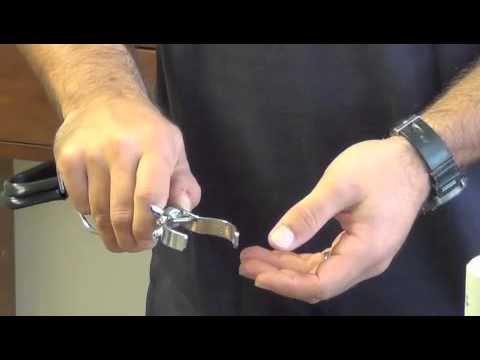
Setting up a heat lamp clamp might seem like a straightforward task, but it’s an essential skill in many professional settings, from scientific labs to agricultural environments. Heat lamps are critical for maintaining specific temperatures in controlled atmospheres. A misplaced lamp can result in suboptimal conditions, therefore understanding the precise setup is crucial.
The heat lamp clamp, a concept refined over decades, has proven indispensable in maintaining thermal regulation. The key to its effectiveness lies in securely attaching the clamp to a stable surface, ensuring the lamp’s angle is correctly aligned. Proper setup can prevent accidents and ensure even heat distribution, which is vital for both experimental accuracy and animal welfare.
- Choose a durable, heat-resistant clamp compatible with your lamp.
- Select a stable, well-ventilated area away from flammable materials.
- Turn off the power supply and wear protective gear like gloves and safety glasses.
- Securely mount the clamp to a sturdy surface using the screw mechanism.
- Insert the heat lamp into the socket and ensure it’s firmly in place.
- Plug in the power cord, preferably into a surge protector, and test for proper function.

How to Set Up Heat Lamp Clamp
Setting up a heat lamp clamp correctly is key for maintaining the right temperature in your environment. First, choose a strong and stable surface to attach the clamp. Make sure the spot is not close to flammable materials. Next, ensure the clamp is firmly tightened. This will prevent any accidents or slips that could happen later.
After securing the clamp, the position of the heat lamp is crucial. Adjust the lamp’s angle to cover the required area. According to this article, an ideal angle ensures even heat distribution. Avoid blocking the light with any objects. This makes sure the light reaches its target effectively.
Safety should always be a priority. Before connecting to power, confirm that the lamp socket fits the clamp securely. Check for any loose wires or damaged parts. Turn on the lamp to test. If it functions well, then you’ve set it up correctly.
Remember, maintaining the heat lamp clamp is also important. Routine checks can prevent unexpected issues. According to this post, understanding power requirements can avoid overloading circuits. Keep the setup clean and free from dust. This extends the lifespan of your heat lamp clamp.
Step 1: Choosing the Right Heat Lamp Clamp
Picking the right heat lamp clamp is the first and most crucial step. You need to consider the clamp’s material; it should be durable and heat-resistant. Common materials include metal and high-quality plastic. Ensure the clamp can handle the weight of your heat lamp. Also, double-check the clamp’s maximum temperature rating.
The size and adjustability of the clamp matter a lot. A too-small clamp may not fit your lamp securely. Most clamps come with adjustable necks, making it easier to direct light where needed. According to this expert opinion, the adjustability ensures the lamp can be positioned accurately. This flexibility can help maintain optimal performance.
Safety features are another essential aspect. Look for clamps with protective coatings or rubberized grips to prevent slipping. Ensuring a secure fit can prevent accidents. Additionally, some clamps come with built-in guards that shield the bulb from direct contact. This feature can prevent burns or unintentional damage.
Make sure to check the clamp’s compatibility with your existing setup. Not all clamps fit all heat lamps, so verify the specifications. It’s wise to choose a versatile clamp that works with various types of lamps. Reading user reviews can also offer insights into the clamp’s performance and durability. This helps you make a well-informed decision.
Step 2: Picking the Ideal Spot for Installation
Finding the perfect spot for your heat lamp is essential for safety and efficiency. Choose an area that is away from flammable materials like curtains or paper. Ensure there’s good ventilation to avoid overheating. The ideal location should also be near a power outlet to avoid long, dangling cords. This reduces the risk of tripping and improves safety.
Consider the target area that needs heating. If it’s for animals, position the lamp at a height that provides ample warmth without causing discomfort. For plant growth, make sure the light covers the needed area evenly. Using an adjustable arm can help in fine-tuning the light direction. This ensures your targets receive optimal heat and light.
Think about accessibility. The spot should allow you to adjust or replace the lamp easily. Avoid hard-to-reach corners where maintenance becomes a hassle. Keeping the lamp accessible ensures regular checks and adjustments. This helps in maintaining its efficiency over time.
Finally, ensure the installation spot is stable. Uneven surfaces or shaky tables are not suitable. Secure the clamp to a firm spot to avoid accidental falls. Using wall mounts can add extra stability. This keeps your setup safe and long-lasting.
Step 3: Safety Measures Before Installation
Before installing your heat lamp clamp, double-check all components for any signs of damage or wear. Look for cracks in the clamp or frayed wires on the lamp. Ensuring everything is in good condition can prevent potential hazards. This preliminary step is crucial for a safe setup. Faulty parts need replacement immediately.
Next, turn off the power supply to the area where you plan to install the lamp. This eliminates the risk of electric shock while positioning the clamp. Double-check the outlet you’ll use to ensure it isn’t overloaded. Using a dedicated outlet is preferable. Proper electrical precautions are vital for your safety.
When positioning the lamp, consider the heat it generates. Make sure it is not close to materials that could easily catch fire. Items like paper, fabric, and wood should be kept at a distance. Additionally, secure any loose items nearby. This reduces the risk of accidental fires.
Installing the clamp on a stable surface is important. Test the surface to ensure it can hold the weight of the lamp securely. Wobbly or unstable mounts can lead to accidents. Reinforcing the mounting area adds an extra layer of safety. Choose a surface that can handle the lamp’s heat and weight without issues.
Finally, wear protective gear such as gloves and safety glasses. This protects you from any unexpected issues during the installation. Ensuring personal safety is just as important as ensuring the safety of the installation. These simple precautions can make the installation process much safer. Always prioritize your well-being when working with electrical devices.
Step 4: Mounting the Clamp
Mounting the clamp securely is essential for the stability of the heat lamp. Begin by selecting a strong, stable surface. Once you find the perfect spot, position the clamp evenly. Ensure it grips firmly onto the surface to avoid any slippage. The clamp should remain stable under the weight of the lamp.
Attach the clamp by tightening the screw mechanism. Many clamps have knobs that you can hand-tighten. Make sure to apply enough pressure without over-tightening. Over-tightening may damage the surface or the clamp itself. A firm grip should be adequate for most setups.
Check if the clamp is level after securing it. This is important for the proper operation of the heat lamp. If the clamp is tilted, the lamp may not project heat evenly. Adjust the clamp as needed to get it perfectly level. A spirit level tool can be handy here.
It’s also a good idea to test the stability of the mounted clamp. Gently shake it to see if it wobbles or loosens. If it feels unstable, readjust and tighten as necessary. A well-mounted clamp ensures the safety and effectiveness of the heat lamp. Regular checks can help maintain this stability over time.
If possible, mount the clamp in an area that’s easy to access. This makes adjustments and maintenance simpler. Hard-to-reach spots can make it difficult to keep the lamp properly aligned. Easy access ensures that you can always fine-tune the setup when needed. Convenience in mounting can save you a lot of time and effort later.
Step 5: Connecting the Heat Lamp
Once the clamp is securely mounted, it’s time to connect the heat lamp. First, check that the lamp is in good working condition and free of defects. Carefully insert the lamp into the socket on the clamp. Make sure it clicks or screws into place firmly. A secure fit ensures a stable connection.
Next, examine the power cord. Ensure it’s in good shape with no visible damage or fraying. Plug the cord into a nearby outlet. Consider using a surge protector for additional safety. Always make sure the socket can handle the wattage of the heat lamp.
After plugging in the lamp, turn it on to test its functionality. Check to see if it is emitting proper amounts of heat. You might need to wait a few minutes for it to reach its full temperature. Verify that the heat is distributed evenly in the target area. Make adjustments if necessary to ensure optimal performance.
Keep an eye on the placement of the cord. It should be securely tucked away to prevent trips and falls. Additionally, make sure the cord does not touch any hot surfaces. Cord management can help in maintaining a tidy and safe space. This prevents potential fire hazards.
If your setup includes any timers or thermostats, now is the time to connect those as well. Timers can help regulate the heat lamp’s on and off cycles. Thermostats ensure the temperature stays within a desired range. Using these tools can optimize your heat lamp’s efficiency. They also add an extra layer of safety.
Benefits of Using Heat Lamp Clamps
Heat lamp clamps offer a range of advantages, starting with their versatility. You can use them in various settings, including animal habitats and greenhouses. They make it easy to position the heat source exactly where it’s needed. Adjustability is one of their main benefits. This adaptability ensures optimum temperature regulation for different needs.
Another significant benefit is safety. These clamps secure the heat lamp firmly in place, reducing the risk of accidents. By keeping the lamp stable, they prevent dangerous situations like tipping over or falling. This means less worry about potential fire hazards or injuries. Safety features are paramount when dealing with high temperatures.
Heat lamp clamps also contribute to energy efficiency. They allow you to focus heat on specific areas instead of wasting energy heating an entire space. This targeted heating conserves electricity and reduces costs. Additionally, using a clamp often means fewer adjustments are needed later on. Consistent positioning helps maintain effective heating over time.
The ease of installation and maintenance adds another layer of convenience. Most heat lamp clamps are straightforward to set up and require minimal tools or expertise. Keeping them clean and checking for wear regularly can prolong their lifespan. User-friendly designs make these tasks simple and quick to complete.
Many models also include additional features like protective guards or adjustable arms. These extras enhance functionality and convenience even further. Protective guards help avoid accidental burns by covering hot surfaces, while adjustable arms let you change angles easily without moving the entire setup.
Key Considerations When Setting Up a Heat Lamp Clamp
Several key factors can impact the effectiveness and safety of your heat lamp setup. The first consideration is the type of heat lamp clamp you choose. Opt for high-quality, durable materials that can handle heat well. Always check the weight and temperature ratings before making a purchase. Ensuring compatibility with your heat lamp is crucial.
The location where you mount the heat lamp clamp is another key factor. Select a spot away from flammable materials. Ensure the chosen area is well-ventilated to prevent overheating. The clamp should be mounted on a stable and sturdy surface. This reduces the risk of accidents and improves the overall safety of the setup.
When installing the clamp, it’s important to follow safety guidelines. Turn off the power before starting any installation work. Use protective gear like gloves and safety glasses. Make sure all components are in good working condition. Faulty parts should be replaced to avoid any hazards.
Electric load considerations are vital to avoid overloading the circuit. Verify that the outlet you intend to use can handle the lamp’s wattage. Utilizing a surge protector can provide an extra layer of safety. Regularly inspect the electrical connections for any signs of wear or damage. Preventing electrical issues can save you from potential problems down the line.
Adjustability and accessibility are also essential for ongoing maintenance. Choose a location that allows you to easily adjust the lamp as needed. Easy access ensures you can perform regular checks and maintenance without hassle. This helps keep your setup efficient and long-lasting.
The Impact of Properly Set Up Heat Lamp Clamps on Animals
Properly set up heat lamp clamps are crucial for animal well-being. They provide consistent warmth, which is especially important for reptiles and baby chicks. Consistent heat supports their metabolism and overall health. If the lamp is improperly set up, animals can suffer from stress or illness. A stable environment means happier and healthier animals.
The even distribution of heat is another benefit. Heat lamp clamps allow you to direct warmth exactly where it’s needed. This results in a balanced habitat, avoiding hot and cold spots. Uneven heating can lead to discomfort and health problems. Consistent temperatures help animals thrive and behave naturally.
Safety is a key advantage of a properly set up heat lamp clamp. Correct setup reduces the risk of accidents, such as the lamp falling. This is especially important in enclosures with active animals. Proper positioning prevents burns or fires. Animals can roam freely without the hazard of a poorly mounted lamp.
Energy efficiency is improved with a correct setup. Targeted heating means less energy is wasted. This not only saves on electricity costs but also reduces environmental impact. An efficient setup makes it easier to maintain optimal conditions. A well-maintained habitat promotes long-term animal health.
Finally, easy access and adjustment are essential for ongoing care. A properly set up clamp allows for quick tweaks. You can easily change the lamp’s angle or height as needed. This adaptability ensures the environment can be adjusted promptly. Regular check-ups and adjustments help in maintaining a stable habitat.
Common Mistakes While Setting Up Heat Lamp Clamps
One common mistake is choosing the wrong type of clamp for the heat lamp. Not all clamps can handle high temperatures or heavy lamps. Selecting a low-quality clamp may result in instability. It’s essential to check compatibility and durability before purchasing. Using the wrong clamp can lead to accidents and damage.
Improper placement of the clamp is another frequent error. Positioning the heat lamp too close to flammable materials is dangerous. Ensuring the clamp is mounted on a stable surface is vital. Unstable mounting can result in the lamp falling. Always double-check the installation spot for stability and safety.
Failing to secure the clamp properly is a risky mistake. A loose clamp can easily slip or shift, causing uneven heating. Tighten the screw mechanism sufficiently but avoid over-tightening. Over-tightening can damage both the clamp and the mounting surface. Ensuring a secure fit is critical for a safe setup.
Ignoring electrical safety guidelines can have severe consequences. Using damaged cords or overloaded outlets can lead to electrical fires. Always inspect the power cords for wear and ensure the outlet can handle the lamp’s wattage. Using a surge protector adds an extra layer of safety. Proper electrical precautions are essential.
Lastly, neglecting regular checks and maintenance is a common oversight. Over time, clamps and lamps can wear down or become misaligned. Regularly inspecting your setup can prevent issues before they become serious. Consistent maintenance extends the lifespan of your equipment. It also ensures a safe and effective heating environment.
Frequently Asked Questions
If you have questions about setting up a heat lamp clamp, you’re not alone. Here are some common queries to help you get started on the right foot.
1. What types of materials are best for heat lamp clamps?
Heat lamp clamps should be made from durable materials that can withstand high temperatures. Common choices include metal and high-quality, heat-resistant plastic. Metal is particularly robust and tends to be more reliable over long periods.
Plastic clamps should only be used if they are specifically labeled as heat-resistant to avoid melting or degrading. The material choice ensures the clamp remains stable and safe during extended use. Verifying the manufacturer’s specifications will guide you in selecting the best option.
2. How high should a heat lamp be placed above animals?
The height at which you place your heat lamp depends on the type of animal and its specific needs. For instance, reptiles often require closer placement for optimal warmth, usually around 12 to 18 inches above their habitat. However, it’s essential to monitor the temperature frequently.
A suitable height ensures a balanced environment without causing overheating or burns to your animals. Adjustments may be needed based on seasonal changes or growth stages of your pets, ensuring they always receive appropriate warmth.
3. Why is ventilation important when using a heat lamp?
Good ventilation is crucial when using a heat lamp because it helps dissipate excess heat, preventing overheating in the surrounding area. Proper airflow ensures that both the environment and equipment operate safely, reducing risks associated with stagnant hot air.
Lack of ventilation can lead to system failures or even fire hazards due to an accumulation of excessive heat. Therefore, always make sure your space has adequate ventilation by incorporating vents or fans if necessary.
4. Can I use any power outlet for my heat lamp setup?
No, not all power outlets are suitable for heat lamps due to their high wattage requirements. It’s vital to use an outlet that can handle the electrical load and preferably connect through a surge protector for added safety against voltage spikes.
Frequent checks are recommended to ensure there are no signs of wear or loose connections in your power source setup. Overloading an improper outlet could lead to electrical fires or equipment damage.
Conclusion
Setting up a heat lamp clamp might seem simple, but attention to detail is key for safety and effectiveness. Proper selection, positioning, and securing of the clamp are crucial steps. Ensuring the setup is well ventilated and electrically sound can prevent many common issues.
By avoiding common mistakes and following the guidelines, you can create a stable and safe environment for your heat lamp. Regular maintenance and inspections will help maintain this setup. A well-established heat lamp setup ensures optimal performance and safety for both the users and the environment.

I’m Emily Johnson, an affiliate marketer and blogger focused on lamps and lighting. I share honest reviews, simple buying guides, and practical tips. My goal is to help readers choose the right lamp for their space, style, and budget with confidence.