
It’s fascinating how salt lamps and diffusers, though both heralded for their potential health benefits, operate on completely different principles. Salt lamps are believed to improve air quality by releasing negative ions when heated, which has an almost mystical appeal. In contrast, diffusers use essential oils to disperse aromatic molecules that can enhance mood or even cognitive function.
The history of salt lamps dates back to ancient Himalayan practices, where large salt crystals were used for their supposed therapeutic effects. Diffusers, on the other hand, have roots in ancient Egyptian and Greek civilizations, where aromatic oils were considered invaluable. Studies show that using a diffuser with essential oils can decrease stress levels by up to 40%, making it a practical solution for modern anxieties.
| Feature | Salt Lamps | Diffusers |
|---|---|---|
| Aesthetics | Natural, earthy appearance | Variety of shapes and colors |
| Usability | Simple to use, just plug in | Requires adding water/oils and cleaning |
| Lifespan | Long-lasting as long as the bulb works | Shorter lifespan; parts may need replacement |
| Maintenance | Minimal, occasional dusting | Regular cleaning required to avoid mold |
| Health Benefits | Releases negative ions, improves air quality | Disperses essential oils, enhances mood and well-being |
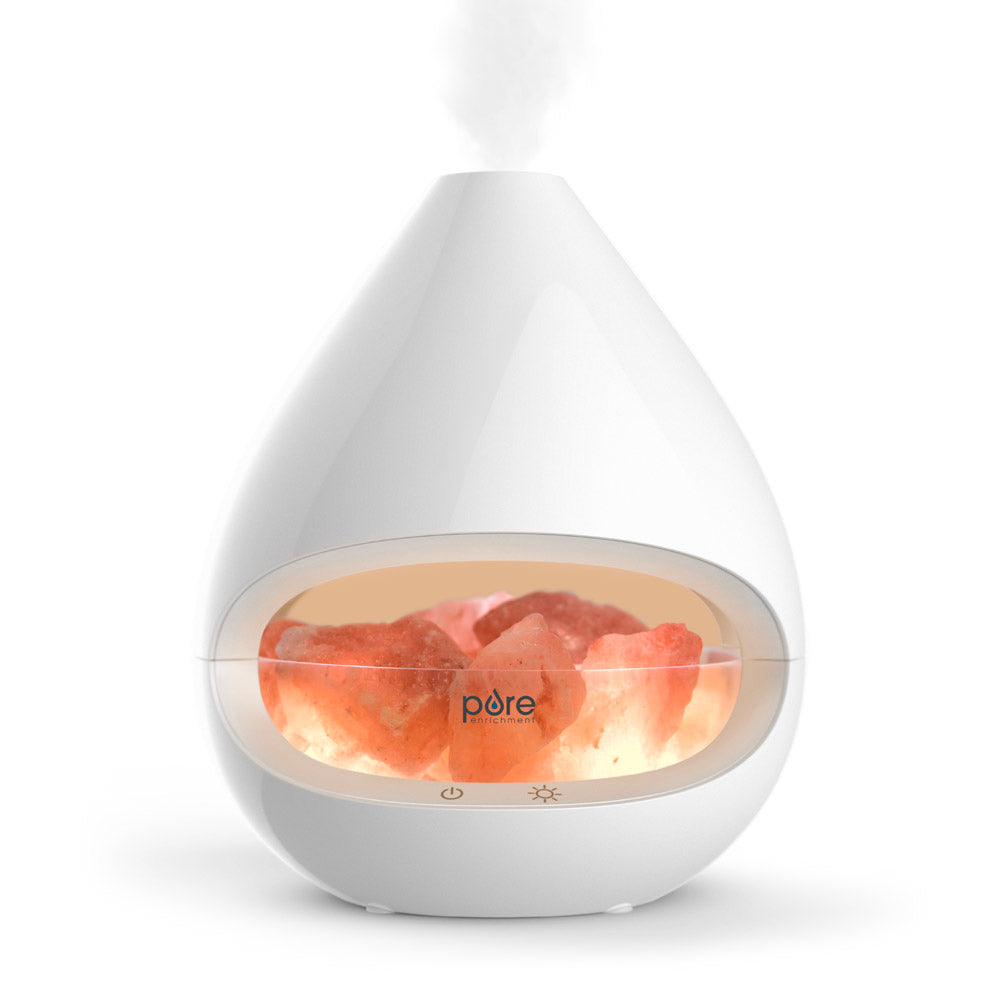
Source: pureenrichment.com
Overview of Salt Lamps and Diffusers
Salt lamps and diffusers are popular for their potential benefits to our well-being. They both offer unique ways to improve the atmosphere in your living spaces. Let’s explore what they are and how they work.
Overview of Salt Lamps
Salt lamps are made from large chunks of Himalayan salt. These lamps have a bulb inside them that heats the salt. This heating process is believed to release negative ions.
The idea is that these negative ions can help to clean the air. Some people find that salt lamps also have a calming glow. This makes them a favorite for those who enjoy a cozy atmosphere.
Himalayan salt is often pink or orange, giving the lamp a warm color. The lamps come in various sizes, from small to very large. Each piece of salt is unique, so no two lamps look the same.
Many people use salt lamps to improve their mood. They might place them in living rooms, bedrooms, or offices. Some believe that the lamps can also help with respiratory problems.
Besides their potential health benefits, salt lamps are often used as decorative items. Their soft light and natural appearance can fit into many styles of home décor. People who value both beauty and function often choose these lamps.
Overview of Diffusers
Diffusers are devices that spread tiny drops of essential oils into the air. These oils come from plants and have different scents. When you breathe them in, they can have various effects.
Some diffusers use water to disperse the oils, while others use heat. The type of diffuser can affect how strong the scent is. People often use them to create a pleasant-smelling environment.
Many scents are believed to have health benefits. For example, lavender can help you relax, while peppermint can make you feel more awake. The choice of scent depends on what effect you want to achieve.
Diffusers are popular in homes, offices, and even cars. They can help to mask bad smells and create a more inviting space. Users often appreciate the ability to change scents whenever they like.
Besides their functional uses, diffusers can also be stylish. They come in many designs, from simple to complex. This allows people to choose one that fits their personal taste and the look of their home.
Key Features Compared
Salt lamps and diffusers both have their own unique features. Comparing these features can help you decide which is better for your needs. Let’s look at how they stack up against each other.
Aesthetics
Salt lamps have a natural, earthy look. They are often made from pink or orange Himalayan salt, giving them a warm glow. This makes them a great addition to any cozy corner.
Diffusers come in many designs, from simple plastic models to elegant glass versions. They can fit into different styles of decor, whether modern or classic. People enjoy the variety of shapes and colors they can choose from.
While salt lamps have a static design, diffusers can be quite versatile. Some diffusers also have lights that change color, adding to their visual appeal. This can make them a fun and dynamic element in your home.
Size is also a factor. Salt lamps can be bulky, taking up noticeable space. Diffusers are generally smaller and can be moved around easily.
Both items can serve as decorative pieces. However, the type of aesthetic you want for your space will influence your choice. If you prefer a natural look, go for a salt lamp. If you want variety, a diffuser might be better.
Usability
Salt lamps are very easy to use. You simply plug them in, and they start working. There are no settings or extra parts to worry about.
Diffusers can be a bit more complex. They often have multiple settings for mist and light. You’ll need to add water and essential oils regularly.
Another point is that salt lamps work continuously once turned on. Diffusers, however, may need refilling every few hours. This means a little more effort on your part.
Both devices are generally safe to use. But diffusers require some extra care, like cleaning to make sure they keep working well. Salt lamps need very little maintenance.
Ease of use comes down to personal preference. If you like simple devices, a salt lamp wins. If you don’t mind a bit more effort, a diffuser offers more features.
Lifespan
The lifespan of a salt lamp can be quite long. As long as the bulb works, the lamp can last for many years. The salt itself does not wear out quickly.
Diffusers have a shorter lifespan. They contain parts like water tanks and motors that can wear out. Over time, they may stop working as effectively.
One advantage of diffusers is that you can easily replace parts like the water tank. This can extend its useful life. But eventually, it may need to be replaced altogether.
According to this resource, some people find that diffusers start to work less effectively after a year or two. This makes salt lamps a more durable option.
In terms of longevity, salt lamps have the edge. They require less frequent replacement and are built to last. Diffusers may need more upkeep and replacement parts over time.
Maintenance
Maintaining a salt lamp is very easy. Occasionally, you may need to wipe it down to remove dust. That’s about all the care it needs.
Diffusers need more attention. You have to clean them regularly to prevent mold and keep the mist quality high. This can involve taking apart the device and washing it thoroughly.
Cleaning a diffuser usually requires using water and sometimes vinegar. Instructions differ between models, so you’ll need to check the manual. Proper cleaning ensures that the diffuser continues to work well.
Salt lamps sometimes leak water. This happens in humid conditions but usually isn’t a big problem. Simply wiping off the water can solve it.
Overall, salt lamps are easier to maintain. Diffusers, though offering more functions, require regular and careful cleaning. This is a key consideration if you prefer low-maintenance items.
Health Benefits
Salt lamps are believed to release negative ions that can purify the air. This can make the environment feel fresher. Some people find that they sleep better with a salt lamp in their bedroom.
Diffusers can disperse essential oils into the air, providing various health benefits. Certain oils can help you relax, stay alert, or even feel happier. This makes them versatile for different needs.
People with allergies or asthma sometimes find salt lamps helpful. The negative ions can reduce dust and pollen in the air. However, scientific evidence supporting these claims is limited.
Diffusers can also help improve air quality by masking bad odors. They can create a pleasant and inviting atmosphere. But you need to make sure you’re using high-quality essential oils to avoid any adverse effects.
Both salt lamps and diffusers offer potential health benefits. The choice depends on what you’re looking for. For air purification, a salt lamp might be better. For mood enhancement, a diffuser has more to offer.
Frequently Asked Questions
The comparison between salt lamps and diffusers brings up many interesting questions for those interested in enhancing their living spaces. Here, we answer some of the most commonly asked questions about these two popular products.
1. Do salt lamps really purify the air?
Salt lamps are believed to release negative ions when heated, which can bond with positive ions, such as dust and allergens, in the air. This process is said to neutralize the pollutants, making the air cleaner.
However, scientific evidence supporting these claims is limited. While some users report improved air quality and reduced allergy symptoms, others may not notice a significant difference.
2. Can I use both a salt lamp and a diffuser in the same room?
Yes, you can use both a salt lamp and a diffuser in the same room. Each serves a different purpose: the salt lamp may help with air purification and mood lighting, while the diffuser disperses aromatic essential oils.
Using both can create a multi-faceted approach to improving your environment, combining the benefits of air ionization with those of aromatherapy. Just ensure both devices are placed in safe, suitable locations.
3. What types of essential oils are best for diffusers?
Essential oils come in many varieties, each offering unique benefits. For relaxation, lavender and chamomile are popular choices. If you need an energy boost, peppermint and citrus oils like orange or lemon are effective.
It’s important to use high-quality, pure essential oils to maximize benefits and avoid potential side effects. Blending different oils can also tailor the aroma to suit your specific needs and preferences.
4. How often should I clean my diffuser?
Cleaning your diffuser regularly is crucial for maintaining its performance and preventing mold or bacteria buildup. It’s generally recommended to clean it after every use or at least once a week if used frequently.
Follow the manufacturer’s instructions for cleaning, which typically involves rinsing the water tank and wiping it down with a soft cloth. Using a small amount of vinegar can help remove any residual oil build-up.
5. Are there any risks associated with using salt lamps or diffusers?
Salt lamps are generally safe but can sometimes leak water in humid environments. Ensure they are placed on a stable surface and away from moisture-sensitive items to avoid any minor damage.
With diffusers, the primary concern is the quality of the essential oils used. Poor-quality oils may cause allergic reactions or breathing difficulties. Always use high-quality oils and follow safety guidelines to minimize risks.
Salt Lamp Diffuser VS Bamboo Diffuser
Conclusion
When deciding between a salt lamp and a diffuser, it is essential to consider your personal preferences and needs. Salt lamps offer a calming glow and potential air purification benefits. Diffusers, on the other hand, provide the versatility of aromatherapy with a wide range of essential oils.
Both products can enhance your living environment in different ways. While salt lamps are low-maintenance and aesthetically pleasing, diffusers offer functional benefits like mood enhancement and air freshness. Ultimately, the best choice depends on what aspects you prioritize for your space.

I’m Emily Johnson, an affiliate marketer and blogger focused on lamps and lighting. I share honest reviews, simple buying guides, and practical tips. My goal is to help readers choose the right lamp for their space, style, and budget with confidence.