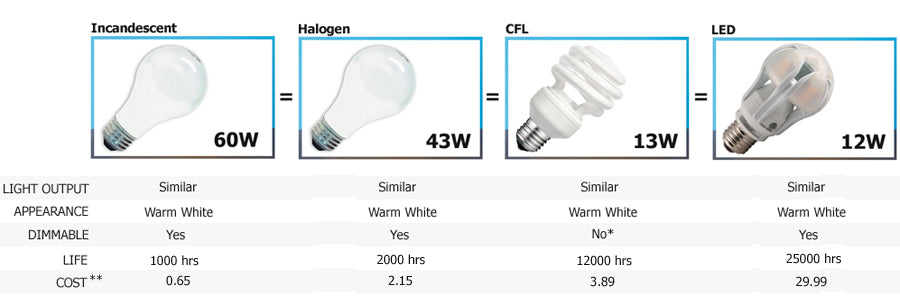
Halogen lamps, which utilize a halogen gas to increase their efficiency and lifespan, have been a staple in both domestic and commercial lighting for decades. While these lamps offer brighter light and longer longevity compared to traditional incandescent bulbs, they can also generate considerable heat, posing potential safety risks. A curious fact: halogen lamps are capable of producing light that closely mimics natural daylight, making them ideal for certain applications.
Non-halogen lamps, such as LEDs and CFLs, have surged in popularity largely due to their energy efficiency and reduced heat output. LEDs, for instance, consume up to 80% less energy than traditional incandescent bulbs and last significantly longer. Historically rooted in early 20th-century innovations, these non-halogen alternatives now dominate market solutions, providing eco-friendly and cost-effective lighting options.
| Feature | Halogen Lamp | Non-Halogen Lamp |
|---|---|---|
| Energy Efficiency | Moderate | High (LEDs are most efficient) |
| Lifespan | 1,000 to 2,000 hours | 15,000 to 50,000 hours (LEDs) |
| Heat Production | High | Low |
| Light Quality | Bright, natural light | Varies (available in warm or cool tones) |
| Environmental Impact | Higher due to more energy use | Lower, especially for LEDs |

Overview of Halogen and Non-Halogen Lamps
Halogen lamps and non-halogen lamps like LEDs are common lighting options. Each type has unique features and benefits. Let’s explore these lamps in detail.
Overview of Halogen Lamps
Halogen lamps are a type of incandescent lamp. They use a halogen gas which helps the bulb last longer and burn brighter. The light they produce closely mimics natural daylight.
Halogen lamps became popular in the 1960s. They are often used in car headlights and spotlights. The bright, sharp light is ideal for tasks that need good visibility.
These lamps can get very hot while in use. This heat can be a safety concern, especially in small spaces. It’s important to handle halogen lamps carefully to avoid burns.
Halogen lamps are more energy-efficient than older incandescent bulbs. However, they still use more power than LEDs and CFLs. They also have a shorter lifespan compared to non-halogen options.
Many people like halogen lamps for their bright, white light. They are good for reading and detailed work. Nevertheless, their energy use and heat production can be drawbacks.
Overview of Non-Halogen Lamps
Non-halogen lamps include LEDs and CFLs. These lamps are known for being energy-efficient and long-lasting. They are more environmentally friendly compared to halogen lamps.
LEDs, or light-emitting diodes, have become popular in recent years. They use much less energy and can last for many years. This makes them a cost-effective choice over time.
CFLs, or compact fluorescent lamps, also use less energy than halogen lamps. They provide good lighting and come in various shapes and sizes. CFLs are a better choice for the environment as well.
One benefit of non-halogen lamps is that they produce very little heat. This makes them safer to use in tight spaces. They also reduce the risk of burns and fires.
Overall, non-halogen lamps are highly efficient and reliable. They are becoming the go-to choice for many households and businesses. Their long lifespan and low energy use make them a smart investment.
Key Features Compared
When comparing halogen and non-halogen lamps, it’s important to look at key features. These features can help you decide which type of lamp is best for you. Let’s dive into five important aspects.
Energy Efficiency
Energy efficiency is a big factor in choosing a lamp. Halogen lamps use less energy than old incandescent bulbs. However, they still consume more power than non-halogen options like LEDs.
Non-halogen lamps such as LEDs are much more energy-efficient. They use about 80% less energy compared to halogen lamps. This means lower electricity bills over time.
CFLs also save energy but are not as efficient as LEDs. Even so, they outperform halogen lamps in energy use. Choosing non-halogen lamps can be better for your wallet and the planet.
According to this expert opinion, energy-saving lights are the way to go. Many people switch to LEDs for this reason. They’re a smart choice for energy-conscious users.
Lifespan
Lifespan is another key feature to consider. Halogen lamps last longer than old incandescent bulbs. But they still have a shorter lifespan compared to non-halogen options.
LEDs can last for many years, even up to a decade. This means fewer replacements and less hassle. They are very durable compared to other types of lamps.
CFLs also have a good lifespan, often lasting many years. They don’t match LEDs in this area but still outlive halogen lamps. This makes them a reliable choice for long-term use.
Choosing longer-lasting lamps can save you money in the long run. You won’t have to buy new bulbs as often. This makes LEDs and CFLs a sound investment.
Light Quality
The quality of light is crucial, especially for tasks like reading. Halogen lamps produce bright, white light. This light closely mimics natural daylight, making it easy on the eyes.
LEDs also offer high-quality light. They come in various color temperatures, letting you choose warm or cool light. This makes them versatile for different settings.
CFLs provide good lighting as well, although they often take a moment to reach full brightness. Their light quality is comparable to that of halogen lamps. However, they tend to offer fewer options in color choices.
Good light quality can improve your comfort and productivity. Halogen and non-halogen lamps both have their strengths in this area. You can choose based on your specific needs.
Heat Production
Heat production is an important safety factor. Halogen lamps get very hot while in use. This can be a safety risk in certain situations.
Non-halogen lamps like LEDs and CFLs produce much less heat. This makes them safer to use, especially in small spaces. You’re less likely to get burned by touching these lamps.
Lower heat production also means less stress on your air conditioning. This can help keep your room cooler and reduce energy use. It’s another advantage of choosing non-halogen lamps.
Considering heat production can help you make a safer choice. Non-halogen lamps are generally better in this regard. They’re safer and more comfortable for everyday use.
Environmental Impact
The environmental impact of lamps matters a lot today. Halogen lamps use more energy and don’t last as long, making them less eco-friendly. They also produce more heat, which can contribute to energy waste.
Non-halogen lamps like LEDs are much better for the environment. They use less power and have a longer lifespan. This reduces waste and saves resources.
CFLs are also good for reducing energy use but contain small amounts of mercury. This means they need special handling when disposed of. Despite this, they still have a lower environmental impact compared to halogen lamps.
Choosing eco-friendly lamps can make a big difference. LEDs, in particular, offer the best option for those looking to reduce their carbon footprint. They’re a great choice for an eco-conscious user.
Halogen vs Non-Halogen Lamp: Feature Comparison
Halogen and non-halogen lamps have distinct features that set them apart. Understanding these differences can help you make an informed choice. Let’s look at a detailed comparison of their key features.
| Feature | Halogen Lamp | Non-Halogen Lamp |
|---|---|---|
| Energy Efficiency | Moderate | High (LEDs can be up to 80% more efficient) |
| Lifespan | 1,000 to 2,000 hours | Up to 25,000 to 50,000 hours (LEDs) |
| Heat Production | High | Low |
| Light Quality | Bright, white light | Varies (can be warm or cool) |
| Cost | Lower initial cost | Higher initial cost but more cost-effective over time |
| Environmental Impact | Higher due to more energy use and heat production | Lower, especially for LEDs |
| Brightness | Instant full brightness | Varies; LEDs are instantly bright as well |
| Durability | Less durable | High durability, especially LEDs |
| Safety | Can be hot to touch, posing a burn risk | Cooler to touch, safer to handle |
| Design Flexibility | Limited | High, can fit various fixtures |
The Good and The Bad
Both halogen and non-halogen lamps have their own advantages and disadvantages. It’s important to weigh these pros and cons when deciding which type of lamp to use. Let’s compare them side-by-side.
| Pros | Cons |
|---|---|
| Halogen lamps produce bright, natural light. | They generate a lot of heat, which can be a safety concern. |
| Non-halogen lamps like LEDs are highly energy-efficient. | The initial cost of non-halogen lamps can be higher. |
| Halogen lamps are generally cheaper to buy. | They have a shorter lifespan compared to LEDs. |
| LEDs and CFLs are cooler to the touch, making them safer. | Some non-halogen lamps may take a moment to reach full brightness. |
| Non-halogen lamps have less environmental impact. | CFLs contain small amounts of mercury, requiring careful disposal. |
Price Comparison
When choosing between halogen and non-halogen lamps, price is a key factor. Let’s break down the cost differences to help you make an informed decision. Here’s a comparison of their prices.
| Halogen Lamp | Non-Halogen Lamp (LED/CFL) |
|---|---|
| Lower initial purchase cost | Higher initial purchase cost |
| Higher energy consumption leading to higher electricity bills | Much lower energy consumption, saving on electricity bills |
| Shorter lifespan, requiring frequent replacements | Longer lifespan, requiring fewer replacements |
| Less durable, may incur costs for damages | More durable, saving on replacement costs |
| Overall, lower upfront cost but higher long-term expenses | Higher upfront cost but lower long-term expenses |
Which Is Better?
Choosing between halogen and non-halogen lamps can depend on your specific needs. Both types have their own advantages and disadvantages. It’s important to consider factors like energy efficiency, lifespan, and overall cost.
Halogen lamps are great for their bright, natural light. They are often less expensive upfront. However, they tend to use more energy and generate a lot of heat, which can be a safety concern.
Non-halogen lamps, like LEDs and CFLs, are more energy-efficient and have a longer lifespan. They might cost more initially, but they save money on electricity bills in the long run. These lamps are also safer because they produce less heat.
Overall, non-halogen lamps usually offer more benefits. While halogen lamps have their uses, the advantages of LEDs and CFLs make them the better choice for most people.
- They are more energy-efficient, saving you money on electricity bills.
- Non-halogen lamps have a longer lifespan, meaning fewer replacements.
- They produce less heat, making them safer to use in any setting.
Frequently Asked Questions
Choosing the right type of lamp can be confusing with so many options available. Here, we address frequently asked questions to help you understand the differences and make the best choice.
What are the main advantages of using halogen lamps?
Halogen lamps produce bright, white light that closely mimics natural daylight. This makes them ideal for situations where detailed work is necessary, such as reading or crafting. They also offer better color rendering compared to traditional incandescent bulbs.
Another key advantage is their immediate full brightness upon turning on, unlike some other types of lamps that may take a moment to reach full intensity. Halogen lamps are more energy-efficient than older incandescent bulbs but less so than LEDs and CFLs.
Why are LEDs considered more energy efficient than halogen lamps?
LED lamps are designed to use much less energy to produce the same amount of light. They convert most of the energy they consume into light rather than heat. This high efficiency leads to significant savings on electricity bills over time.
By using less power, LEDs also have a smaller carbon footprint, making them an environmentally friendly choice. Their long lifespan means fewer replacements, which can also contribute to energy conservation and waste reduction.
Do halogen lamps have a shorter lifespan compared to non-halogen options?
Yes, halogen lamps typically have a shorter lifespan than non-halogen options like LEDs. On average, a halogen lamp may last between 1,000 to 2,000 hours.
In contrast, LEDs can last between 15,000 to 50,000 hours, making them far more durable and cost-effective in the long run. This longevity means fewer replacements and less maintenance over time.
Is heat production a significant factor when choosing between halogen and non-halogen lamps?
Heat production is a crucial factor, especially for safety and comfort. Halogen lamps generate a lot of heat, which can be a concern in small spaces or near flammable materials.
Non-halogen lamps like LEDs produce very little heat, making them safer and more comfortable to use for extended periods. Less heat production also means less strain on air conditioning systems, potentially reducing overall energy costs.
Which lamp types are more environmentally friendly?
Non-halogen lamps, particularly LEDs, are generally more environmentally friendly. They consume less energy and have a longer lifespan, which means fewer resources are needed for replacements.
LEDs do not contain harmful substances like mercury, which is found in some CFLs. This makes disposal simpler and safer for the environment. Making the switch to energy-efficient lighting options can significantly reduce your carbon footprint.
Incandescent and Halogen Lamps
Conclusion
When comparing halogen and non-halogen lamps, each has its own set of advantages and drawbacks. Halogen lamps offer bright, natural light and immediate brightness, which can be very useful for specific tasks. However, they tend to consume more energy and generate significant heat.
Non-halogen lamps like LEDs stand out for their energy efficiency and long lifespan. They are safer to use due to their lower heat production and provide various light quality options. Overall, non-halogen lamps are generally a more sustainable and economical choice for most applications.

I’m Emily Johnson, an affiliate marketer and blogger focused on lamps and lighting. I share honest reviews, simple buying guides, and practical tips. My goal is to help readers choose the right lamp for their space, style, and budget with confidence.