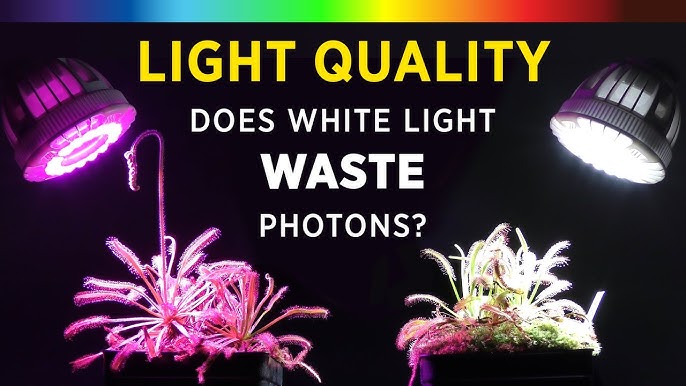
Have you ever considered the difference between grow lights and heat lamps in optimizing indoor plant growth? These two types of lighting serve vastly different purposes and selecting the right one can make all the difference in your horticultural endeavors. The nuances between them can significantly impact plant health, yield, and efficiency.
Grow lights are designed to provide the spectrum of light vital for photosynthesis, mimicking sunlight to promote plant growth. On the other hand, heat lamps primarily generate warmth, which might be useful in certain agricultural contexts but can be detrimental if used incorrectly with plants. Understanding these roles helps in making informed decisions that can lead to healthier and more productive plants.
| Feature | Grow Light | Heat Lamp |
|---|---|---|
| Light Spectrum | Full spectrum, mimics sunlight | Limited, focuses on warmth |
| Temperature Control | Runs cooler, safer for plants | Produces high heat, risk of scorching |
| Energy Efficiency | Highly efficient, especially LEDs | Less efficient, higher power use |
| Cost | Higher initial cost | Lower initial cost |
| Usage Purposes | Ideal for plant growth | Great for animal warmth and spot heating |
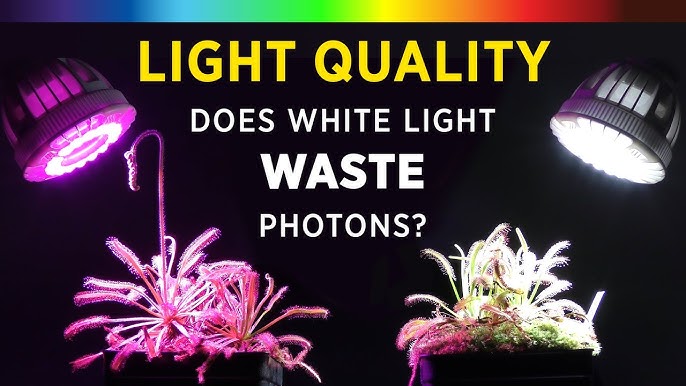
Overview of Grow Lights and Heat Lamps
Understanding the difference between grow lights and heat lamps is essential for anyone interested in indoor gardening or plant care. Each type of lamp has its own unique purpose and benefits. Let’s explore what makes them different and how they can be used effectively.
Overview of Grow Lights
Grow lights are specially designed to help plants grow indoors. They mimic natural sunlight, giving plants the energy they need to grow. This is especially useful during the winter months when sunlight is limited.
Grow lights come in different types, such as LED, fluorescent, and high-pressure sodium. Each type has its own advantages, like energy efficiency or brightness. The choice of grow light can depend on what plants you have and how much light they need.
These lights are usually placed above the plants, ensuring that the light is spread evenly. This helps all parts of the plant get enough light. Many grow lights also come with timers to make sure plants get the right amount of light each day.
Another great thing about grow lights is that they can be adjusted for different stages of plant growth. For example, seedlings need a different kind of light than fully grown plants. This flexibility makes grow lights very valuable for indoor gardening.
Grow lights also generate less heat compared to other types of lamps. This means the plants get light without getting too hot. Lower temperatures help plants grow healthier and stronger.
Overview of Heat Lamps
Heat lamps are different from grow lights because they focus on providing warmth rather than light. They are often used to keep animals warm, like chicks or reptiles. However, they can also be used in gardening, especially for heat-loving plants.
These lamps are usually made with materials that can handle high temperatures. This is important for safety reasons because the lamps get very hot. Many heat lamps come with protective coverings to prevent accidents.
Heat lamps are typically placed at a safe distance from the plants or animals. Proper placement ensures that they receive enough heat without being too close and causing burns. Adjustable stands or clamps help position the lamps effectively.
One key feature of heat lamps is their ability to provide constant warmth. This is especially useful in cold climates or during winter. They help maintain a steady temperature, which is crucial for the growth and well-being of certain plants and animals.
While heat lamps are great for providing warmth, they do not offer the light spectrum needed for photosynthesis. This means they should not replace grow lights if your primary goal is plant growth. Instead, they can be used alongside grow lights for the best results.
Key Features Compared
When choosing between grow lights and heat lamps, understanding their key features is essential. These features decide how effective each lamp will be for your specific needs. Let’s compare them in terms of light spectrum, temperature, cost, usage, and energy efficiency.
Light Spectrum
Grow lights are designed to provide a full spectrum of light. This mimics natural sunlight, helping plants to grow strong. They offer both blue and red lights, which are crucial for different stages of plant growth.
Heat lamps, however, do not provide a full light spectrum. Their main purpose is to produce heat rather than light. This means they are not suitable for plant growth since they lack the necessary wavelengths for photosynthesis.
According to this resource, it’s clear that grow lights provide the kind of light plants crave. This makes a big difference in indoor gardening. The focus on delivering suitable light makes grow lights the better choice for plant growth.
Some advanced grow lights even allow users to adjust the light spectrum. This customization can be beneficial for different types of plants. The flexibility adds to the overall effectiveness of grow lights.
On the other hand, heat lamps don’t offer this level of versatility. They focus solely on warmth. This limitation makes them less useful in aiding the growth of plants through light.
Temperature
Grow lights tend to run at cooler temperatures. They are designed to emit light without generating excessive heat. This is good for preventing plant stress and maintaining a healthy growing environment.
Heat lamps are built to produce significant amounts of heat. This feature is useful for warming up spaces or keeping animals comfortable. However, too much heat can be harmful to plants.
If placed too close, heat lamps can scorch plant leaves. It’s crucial to manage the distance between the lamp and the plants. Proper positioning is key to avoiding damage.
Grow lights, on the other hand, can be positioned closer to plants without risk. Their design ensures minimal heat production. This makes grow lights safer to use for extended periods.
The heat from grow lights is generally enough to keep the plants warm. But, in colder climates, an additional heat source might still be needed. This adds flexibility to their use.
Cost
The cost difference between grow lights and heat lamps can be significant. Grow lights, especially high-quality LED models, often cost more upfront. This is because of their specialized design for plant growth.
Heat lamps are generally cheaper to buy. They are simpler in design and easier to manufacture. But, this low upfront cost comes at the expense of limited functionality.
However, grow lights can save money in the long run. They are more energy-efficient, reducing electricity bills over time. Their longevity also means fewer replacements are needed.
Heat lamps, while cheaper initially, can end up costing more. Their higher energy consumption and shorter lifespan add to long-term expenses. Regular replacements may also be necessary.
Choosing between the two really depends on your needs. If plant growth is your priority, the investment in grow lights is worth it. For pure heating purposes, heat lamps might suffice.
Usage
Grow lights are versatile tools in the world of indoor gardening. They can be used for various plant types and growth stages. From seedlings to mature plants, grow lights adapt well.
Many grow lights come with adjustable settings. This allows fine-tuning depending on plant needs. Timers and dimmers help automate their use, ensuring plants get the right light.
Heat lamps have a more straightforward use case. They excel in providing warmth in cold environments. This makes them ideal for animal habitats or warming specific areas.
In gardening, they are often used in greenhouses. The added warmth can aid plant growth in cooler climates. However, their lack of light-spectrum benefits limits their effectiveness.
While heat lamps have their place, they are not as flexible. Grow lights offer more specialized functions. This versatility is crucial for serious indoor gardening.
Energy Efficiency
Energy efficiency is an important consideration. Grow lights, especially LEDs, are known for their low energy consumption. They provide the necessary light without a big increase in electricity use.
Heat lamps, on the other hand, consume more energy. Their focus on producing heat means higher power usage. This can lead to increased electricity bills over time.
For long-term use, grow lights are more economical. Their efficiency helps reduce overall costs. This can make a big difference in large-scale gardening setups.
However, the initial cost of grow lights can be higher. This upfront investment pays off through lower energy use. The choice depends on balancing initial budget with long-term savings.
Heat lamps, while less efficient, are effective for short-term needs. Their higher energy use is manageable for specific, limited tasks. In contrast, grow lights offer better efficiency for continuous use.
Grow Light vs Heat Lamp: Feature Comparison
When it comes to grow lights and heat lamps, understanding the differences in features can help you make the best choice. Let’s compare these two lighting options based on key features to see where each one excels and where they fall short.
| Feature | Grow Light | Heat Lamp |
|---|---|---|
| Light Spectrum | Full spectrum, mimics sunlight | Limited, focuses on warmth |
| Temperature Control | Runs cooler, safer for plants | Produces high heat, risk of scorching |
| Energy Efficiency | Highly efficient, especially LEDs | Less efficient, higher power use |
| Cost | Higher initial cost | Lower initial cost |
| Usage Duration | Suitable for long-term use | Ideal for short-term warming |
| Versatility | Adjustable light settings | Limited to heat generation |
| Lifespan | Longer lifespan, fewer replacements | Shorter lifespan, frequent replacements needed |
| Plant Health | Promotes photosynthesis | Provides warmth, not suitable for photosynthesis |
| Installation | Easy to set up and adjust | Easy to set up but requires careful placement |
| Environmental Impact | More eco-friendly | Less eco-friendly |
The Good and The Bad
Both grow lights and heat lamps have their own advantages and disadvantages. Understanding these can help you make an informed decision. Let’s look at the pros and cons of each in a simple table.
| Pros | Cons |
|---|---|
| Provides full light spectrum | Higher initial cost |
| Runs at cooler temperatures | May require additional heating in cold climates |
| Energy efficient, especially LEDs | Complex setup for best results |
| Adjustable light settings | Requires knowledge to use effectively |
| Supports photosynthesis | Initial investment is high |
| Provides necessary warmth | Produces high heat, risk of scorching |
| Lower initial cost | Less energy efficient |
| Simple to set up | Limited to heat generation |
| Useful in cold climates | Shorter lifespan, frequent replacements needed |
| Effective for specific uses like warming animals | Not suitable for plant growth |
Price Comparison
When choosing between grow lights and heat lamps, understanding their price differences is important. This can help you decide which one fits your budget best. Let’s look at the typical costs involved in using grow lights compared to heat lamps.
| Grow Light | Heat Lamp |
|---|---|
| High initial cost | Low initial cost |
| Energy-efficient, lower electricity bills | Higher electricity bills |
| Less frequent replacements, longer lifespan | Frequent replacements needed |
| Specialized for plant growth | Multipurpose for heat but not for light |
| Varies by type (LED, fluorescent, etc.) | Mostly similar cost across types |
Which Is Better?
Deciding between grow lights and heat lamps depends on what you need for your plants or animals. Grow lights are perfect for indoor gardening because they mimic natural sunlight. They help plants grow strong by providing the right light spectrum. However, they can be more expensive upfront and may require more energy-efficient setups.
Heat lamps, on the other hand, are excellent for providing warmth. They are commonly used in animal care and can be useful in colder climates. While they do not offer the light spectrum needed for photosynthesis, they are generally cheaper and simpler to use. However, their higher energy consumption and potential for overheating are drawbacks.
If your main focus is growing plants, grow lights are the better choice. Their ability to provide essential light for photosynthesis makes them invaluable. Heat lamps, though useful, cannot replace grow lights for plant growth. But, for warming purposes, heat lamps excel.
Choosing the best option depends on your specific needs. For comprehensive plant care, grow lights are superior. If warmth is your priority, heat lamps are beneficial. Here are three reasons why grow lights might be the final winner:
- They provide the full light spectrum needed for plant growth.
- They are energy-efficient, reducing long-term costs.
- They offer adjustable settings for different plant stages.
Tips for Efficient Use
To get the most out of your grow lights or heat lamps, it’s essential to use them correctly. One important tip is to place the lights at the right distance from your plants or animals. If a grow light is too close, it can cause leaf burn; if it’s too far, the plants might not get enough light.
Using timers can significantly improve efficiency. With a timer, you can ensure that your grow lights turn on and off at the right times. This ensures consistent light exposure, which is crucial for plant growth.
Another tip is to regularly clean your lights. Dust and dirt can accumulate on the surface, reducing the amount of light or heat they emit. Cleaning your lights at least once a month can help maintain their effectiveness.
For heat lamps, make sure they are securely mounted. Proper installation prevents accidents and ensures even heat distribution. Always follow the manufacturer’s instructions for the safest setup.
Rotating your plants can also be beneficial. This ensures that all sides of the plants receive equal light exposure, leading to more uniform growth. Rotating plants every few days can make a noticeable difference.
Frequently Asked Questions About Grow Lights and Heat Lamps
Many people have questions about the differences and uses of grow lights and heat lamps. Here are some of the most commonly asked questions to help you understand better.
What type of plants benefit most from grow lights?
Grow lights are beneficial for most indoor plants. They are especially useful for plants that require a lot of sunlight, like tomatoes and herbs. They help provide the full spectrum of light needed for photosynthesis.
When should heat lamps be used instead?
Heat lamps are ideal when warmth is needed more than light. They are perfect for keeping animals warm, like chicks or reptiles. They can also be used to help plants in colder climates.
Can grow lights and heat lamps be used together?
Yes, they can be used together in certain situations. For example, in a greenhouse, you might use grow lights for photosynthesis and heat lamps to maintain a warm temperature. This combination ensures both light and heat requirements are met.
How long should grow lights be on each day?
This depends on the plant species. Most plants need about 12-16 hours of light daily. Using a timer can help automate this process.
Do grow lights or heat lamps consume more energy?
Generally, heat lamps consume more energy because they focus on producing heat. Meanwhile, modern LED grow lights are designed to be energy-efficient. This can lead to lower electricity bills over time.
Frequently Asked Questions
Understanding the nuances of grow lights and heat lamps can make a big difference in your indoor gardening success. Here are some frequently asked questions to help you make more informed decisions.
What type of grow light is best for different stages of plant growth?
Different types of grow lights are suited for various stages of plant growth. For example, seedlings benefit from fluorescent or LED lights that provide a blue light spectrum, promoting leafy growth. As plants mature, they require more red light, which can be provided by high-pressure sodium or specialized LED lights.
Adjustable grow lights are highly recommended as they can be tuned to different wavelengths as the plant grows. This flexibility ensures that plants get the optimal light spectrum they need at each growth stage, resulting in healthier plants and better yields.
Can heat lamps be used as a substitute for grow lights during winter?
Heat lamps are not designed to replace grow lights. They primarily generate heat and lack the necessary light spectrum for photosynthesis. While they can help maintain a warmer environment in winter, they won’t provide the light needed for plant growth.
It’s often a good idea to use heat lamps in conjunction with grow lights. This way, you can ensure that your plants stay warm and receive the necessary light for photosynthesis, leading to better overall plant health.
How do you determine the right distance for placing grow lights above plants?
The optimal distance for grow lights can depend on the type of light and the plant species. Generally, LED lights can be placed closer to plants, around 12 to 24 inches above, due to their low heat emission. Fluorescent lights should be placed about 6 to 12 inches above the plants.
Regularly adjust the height as your plants grow to ensure they receive adequate light without getting burned. Monitoring plant responses like leaf color and growth rate can help you fine-tune the placement for the best results.
What are the energy implications of using grow lights versus heat lamps?
Grow lights, especially LED models, are designed to be energy-efficient. They provide the necessary light spectrum with minimal power consumption, making them cost-effective in the long run. These benefits outweigh the higher initial investment in many cases.
Heat lamps tend to consume more energy as their primary function is to generate large amounts of heat. This can lead to higher electricity bills over time. If energy efficiency is a priority, grow lights are the better choice.
Are there specific safety precautions to take when using heat lamps?
Heat lamps can get very hot and pose a fire risk if not used properly. Always follow the manufacturer’s instructions for installation and keep the lamp at a safe distance from flammable materials. Using heat-resistant mounts and protective covers can also enhance safety.
Regularly inspect the heat lamps for any signs of damage or wear. Turn them off when not needed to minimize risks. Implementing these precautions helps ensure a safe and effective use of heat lamps for your specific needs.
LED Grow Lights 101: What To Watch Out For When Buying From Amazon.com
Conclusion
Choosing between grow lights and heat lamps depends on your specific needs. If plant growth is your primary goal, grow lights offer the full spectrum of light required for photosynthesis. On the other hand, heat lamps are excellent for providing the necessary warmth, especially in colder climates.
Both types of lamps have their pros and cons, and sometimes using them together can yield the best results. By understanding their differences and how to use them efficiently, you can create an optimal environment for your plants or animals. Make informed choices to ensure the health and productivity of your indoor gardening projects.

I’m Emily Johnson, an affiliate marketer and blogger focused on lamps and lighting. I share honest reviews, simple buying guides, and practical tips. My goal is to help readers choose the right lamp for their space, style, and budget with confidence.