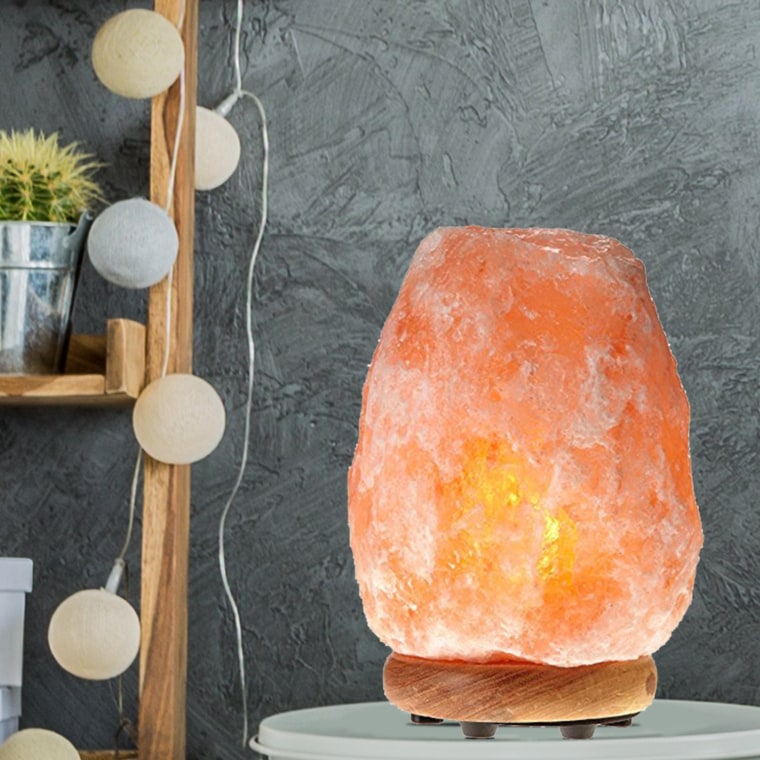
Picture the warm glow of a living room adorned with the hypnotic undulations of a lava lamp or the soothing, ionizing light of a salt lamp. These two ambient-lighting giants have become staple decor pieces, each with a unique charm and functional appeal. But beyond the aesthetics, what sets them apart in the world of home and wellness?
Initially popularized in the 1960s, lava lamps capture the retro essence with their mesmerizing flow of colored wax within a glass vessel. In contrast, salt lamps, carved from Himalayan pink salt, tout benefits that extend beyond visual appeal, claiming to improve air quality and mood based on ionization principles. Statistically speaking, market analysis indicates a steady rise in interest for salt lamps, emphasizing their growing appeal as holistic wellness tools.
| Feature | Lava Lamp | Salt Lamp |
|---|---|---|
| Design | Colorful, moving wax | Natural, pinkish glow |
| Material | Glass and metal | Himalayan salt |
| Health Benefits | None | Possible air purification |
| Maintenance | Replace bulbs, avoid shaking | Keep dry, wipe with damp cloth |
| Cost | $20 – $100+ | $15 – $70+ |
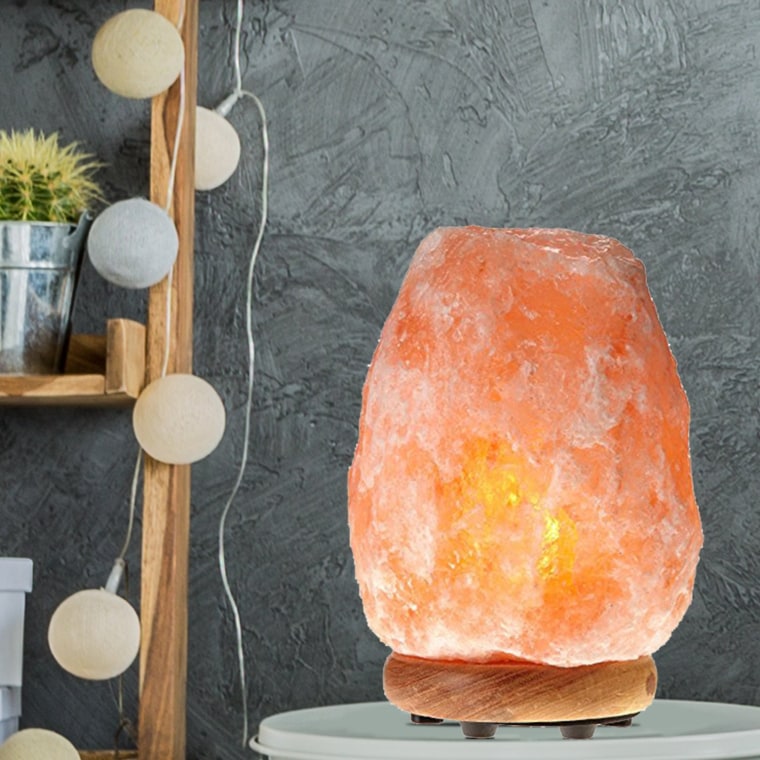
Overview of Lava Lamps and Salt Lamps
Lava lamps and salt lamps are popular for their unique looks and special benefits. While lava lamps are known for their vibrant, flowing colors, salt lamps are cherished for their calming glow and health benefits. Let’s take a closer look at each type of lamp.
Overview of Lava Lamps
Lava lamps were invented in the 1960s and quickly became a hit. They have a glass container filled with colorful liquid and wax. When heated, the wax moves up and down, creating mesmerizing patterns.
The calming movement of the wax is what makes lava lamps special. They are often used in homes, offices, and even relaxation spaces. Their retro charm never seems to go out of style.
People enjoy watching the wax blobs slowly change shape and move around. This can help reduce stress and create a peaceful atmosphere. Plus, they come in many different sizes and colors.
Lava lamps need a bit of care to keep them working well. They should be placed away from sunlight and not shaken when heated. This ensures that the wax flows smoothly.
Overall, lava lamps are a fun and decorative piece that adds a pop of color to any room. Their hypnotic effect can be quite soothing and enjoyable.
Overview of Salt Lamps
Salt lamps are made from large chunks of Himalayan salt. They have been used for centuries due to their claimed health benefits. When lit, they emit a warm, pinkish glow.
Many people believe that salt lamps can improve air quality. They are said to release negative ions that help clean the air. This can make the room feel fresher and more relaxing.
Salt lamps are also thought to reduce allergies and asthma symptoms. The warm glow can create a calming environment that helps with sleep. They are often used in bedrooms and living spaces.
Salt lamps require minimal maintenance. Simply wipe them with a damp cloth to keep them clean. It’s important to handle them gently to avoid breaking the salt.
Overall, salt lamps are valued for both their aesthetic and potential health benefits. They add a natural and serene touch to any space.
Key Features Compared: Lava Lamp vs Salt Lamp
Lava lamps and salt lamps both have unique features that make them popular. Let’s compare these two types of lamps across five key areas. By doing this, we can understand what each lamp offers and how they differ.
Design and Aesthetics
Lava lamps are known for their colorful and fluid designs. The wax inside moves in hypnotic patterns, which can be very soothing to watch. They are available in many colors and sizes, fitting well into rooms with a retro or funky style.
Salt lamps, on the other hand, have a natural and rustic look. They are usually made from pink Himalayan salt and emit a soft, amber glow. This gives them a more organic and calming appearance, ideal for creating a cozy atmosphere.
While lava lamps are often made of glass and metal, salt lamps are carved from large salt chunks. This makes each salt lamp unique in shape and texture. Both types can be stunning, but their styles cater to different tastes.
The glow from a lava lamp is bright and dynamic, perfect for a lively ambiance. In contrast, a salt lamp provides a gentle and consistent light, which is great for relaxation. Your choice might depend on the mood you want to set.
Both lamps can serve as beautiful pieces of decor. Whether you prefer the vibrant motion of lava lamps or the serene glow of salt lamps, each can add charm to your space.
Health Benefits
Salt lamps are believed to offer health benefits, like improving air quality. They are said to emit negative ions, which can purify the air and reduce allergens. This can be beneficial for people with asthma or allergies.
Many users claim that salt lamps help reduce stress and enhance mood. The soft amber glow creates a calming environment, which can aid in relaxation and sleep. This makes salt lamps a popular choice for bedrooms and relaxation areas.
According to this resource, some experts question the scientific validity of these health benefits. However, many users still report feeling positive effects.
Lava lamps don’t offer direct health benefits like salt lamps. However, watching the wax blobs move can be relaxing and stress-relieving. This can indirectly improve your mental well-being.
In summary, while salt lamps are often praised for their health benefits, lava lamps can also contribute to relaxation in a different way. Choose based on your specific needs and preferences.
Maintenance
Lava lamps require a bit more care to maintain. It’s important to keep them away from direct sunlight and not to shake them when they are warm. This helps keep the wax flowing smoothly.
To clean a lava lamp, you simply wipe down the exterior with a soft cloth. The inside doesn’t need cleaning because it’s sealed. However, you should replace the bulb when it burns out.
Salt lamps are easier to care for. They just need to be wiped with a damp cloth to remove dust. Because they are made of salt, it’s important to keep them in a dry place to avoid melting.
Salt lamps do not have any parts that need replacing, which makes them low-maintenance. Just be careful not to drop them, as the salt can break easily.
Overall, if you prefer low-maintenance decor, a salt lamp might be a better choice. If you’re willing to do a bit more work, a lava lamp can add vibrant beauty to your space.
Lifespan and Durability
Lava lamps can last for several years if properly maintained. The main components that might need replacing are the light bulb and sometimes the wax. With good care, they can be long-lasting.
Durability-wise, lava lamps are fragile since they are made of glass. A fall or strong impact can break them. Therefore, they should be placed in a safe spot where they won’t be easily knocked over.
Salt lamps are quite durable but can be prone to crumbling if not handled carefully. Their chunk of salt can last indefinitely as long as it’s kept dry. There’s no need to replace any parts.
However, the salt can erode if exposed to moisture, so it’s important to keep it in a dry place. If taken care of, a salt lamp can last a very long time.
In terms of lifespan and durability, both lamps offer longevity, but they need different types of care. Choosing a stable spot for either type can help them last longer.
Cost and Value
Lava lamps can vary in price based on size and complexity. Generally, they are affordable, but specialty designs can be more expensive. They offer good value as a decorative item.
Salt lamps are also reasonably priced. The cost can depend on the size and quality of the salt used. Some larger salt lamps can be more costly, but they are often seen as an investment in wellness.
Both types of lamps provide excellent value for their price. Lava lamps are great for adding a fun and colorful vibe. Salt lamps are valued for their potential health benefits and calming light.
Consider how much you’re willing to spend and what benefits you prioritize. Both types can be a worthy addition to your home.
In the end, whether you choose a lava lamp or a salt lamp, you’re likely to find something that enhances your living space. Each has its own unique appeal and benefits, making it easier to find one that suits your needs.
Lava Lamp vs Salt Lamp: Feature Comparison
Lava lamps and salt lamps each have their own unique features. Let’s compare them side by side to see what each has to offer. Here are ten key features to help understand their differences.
| Feature | Lava Lamp | Salt Lamp |
|---|---|---|
| Design | Colorful, flowing wax | Natural, pinkish glow |
| Material | Glass and metal | Himalayan salt |
| Health Benefits | None | Possible air purification |
| Light Type | Bright and dynamic | Soft and consistent |
| Maintenance | Replace bulbs, avoid shaking | Keep dry, wipe with damp cloth |
| Lifespan | Several years with care | Indefinite if kept dry |
| Cost | Varies by size and design | Varies by size and quality |
| Durability | Prone to breaking | Fragile, can crumble |
| Uses | Home decor, relaxation | Air quality, calming effect |
| Environmental Impact | Minimal, uses small bulbs | Minimal, natural materials |
The Good and The Bad
Every product has its advantages and disadvantages. Let’s examine the pros and cons of both lava lamps and salt lamps. This will help us understand their strengths and weaknesses better.
| Pros | Cons |
|---|---|
| Beautiful and mesmerizing design (Lava Lamp) | Can be fragile and break easily (Lava Lamp) |
| Calming soft light (Salt Lamp) | Needs to be kept dry to avoid erosion (Salt Lamp) |
| May improve air quality (Salt Lamp) | Scientific benefits are debated (Salt Lamp) |
| Easy to maintain (Salt Lamp) | Wax can clump if shaken (Lava Lamp) |
| Long-lasting if properly cared for (Both) | Requires care and proper placement (Both) |
Price Comparison : Lava Lamp vs Salt Lamp
When deciding between a lava lamp and a salt lamp, the price can be a big factor. Here’s a look at how their costs compare. This table shows the range of prices for each type.
| Lava Lamp | Salt Lamp |
|---|---|
| $20 – $30 for small sizes | $15 – $25 for small sizes |
| $30 – $50 for medium sizes | $25 – $40 for medium sizes |
| $50 – $100+ for large or specialty designs | $40 – $70+ for large or specialty designs |
Which Is Better: Lava Lamp or Salt Lamp?
Choosing between a lava lamp and a salt lamp depends on what you value most. Both have their own unique benefits and appeal. Lava lamps are great for those who enjoy vibrant, moving colors and a retro feel. They are perfect for adding a fun and lively touch to any room.
Salt lamps, however, offer a more calming and natural vibe. They are popular for their warm, soft glow and potential health benefits, like improving air quality and reducing stress. If you prefer something that could help you relax and create a peaceful atmosphere, a salt lamp might be the better choice.
Consider also how much maintenance you are willing to do. Lava lamps require more care to avoid shaking and replacing bulbs. Meanwhile, salt lamps are easy to maintain, just needing an occasional wipe and dry environment.
Ultimately, the decision comes down to personal preference and needs. Here are three reasons why a salt lamp might be the better choice:
– **Health Benefits:** Potential to improve air quality and reduce stress.
– **Low Maintenance:** Easy to clean and maintain with minimum effort.
– **Soothing Light:** Offers a warm, calming glow that helps with relaxation.
Frequently Asked Questions
Lava lamps and salt lamps are both popular decorative items with unique features. Here, we address some frequently asked questions that can help you understand the differences and benefits of each type.
1. What are the main differences between lava lamps and salt lamps?
The biggest difference lies in their design and purpose. Lava lamps use colorful, moving wax to create a mesmerizing visual effect, ideal for vibrant decor. Salt lamps, carved from Himalayan salt, emit a soft, amber glow that is said to improve air quality and create a calming atmosphere.
While lava lamps are typically made of glass and metal, salt lamps consist of natural salt crystals. Each serves a distinct function: lava lamps add dynamic beauty, whereas salt lamps are often chosen for their potential health benefits.
2. Are there any health advantages to using a salt lamp?
Many people believe that salt lamps can improve air quality by releasing negative ions, which help to remove dust and allergens from the air. They are also thought to reduce stress and improve sleep, thanks to their soothing light.
However, the scientific evidence supporting these claims is limited. Some experts argue that any benefits are likely to be minimal. Nonetheless, many users find the warm glow of salt lamps to be relaxing and satisfying.
3. How much maintenance do lava lamps and salt lamps require?
Lava lamps need some care to keep them functioning well. It’s important to avoid shaking them when they’re warm and to replace the light bulb when it burns out. Salt lamps, on the other hand, are relatively low-maintenance and only require occasional wiping with a damp cloth.
One thing to remember is that salt lamps need to be kept in a dry place to prevent erosion. Lava lamps require more attention to detail, but both types of lamps can last a long time with proper care.
4. Which is more cost-effective: lava lamps or salt lamps?
Both lava lamps and salt lamps are reasonably priced, with costs varying based on size and design. Small lava lamps typically range from $20 to $30, while small salt lamps can be found for $15 to $25.
As you move to larger or specialty designs, prices increase. Medium-sized lava lamps may cost $30 to $50, and similar-sized salt lamps can range from $25 to $40. Each offers good value depending on your needs and preferences.
5. What environments are best suited for lava lamps and salt lamps?
Lava lamps are ideal for lively, dynamic spaces where their colorful movement can be appreciated. They are excellent for living rooms, game rooms, or even offices where a touch of retro charm is desired.
Salt lamps, with their calming, warm glow, are perfect for relaxation spaces like bedrooms, meditation areas, or cozy corners in your home. Their tranquil light can help create a serene and peaceful environment.
Himalayan Salt Lava Lamp
Final Thoughts
Both lava lamps and salt lamps offer unique benefits and aesthetic appeal, making them popular choices for home decor. Lava lamps stand out for their colorful, flowing wax and retro charm. Salt lamps, in contrast, are praised for their calming glow and potential health benefits.
Your choice between a lava lamp and a salt lamp depends on your personal needs and preferences. If you seek vibrant, dynamic beauty, a lava lamp is ideal. For a serene and potentially health-boosting environment, a salt lamp may be the best fit.

I’m Emily Johnson, an affiliate marketer and blogger focused on lamps and lighting. I share honest reviews, simple buying guides, and practical tips. My goal is to help readers choose the right lamp for their space, style, and budget with confidence.