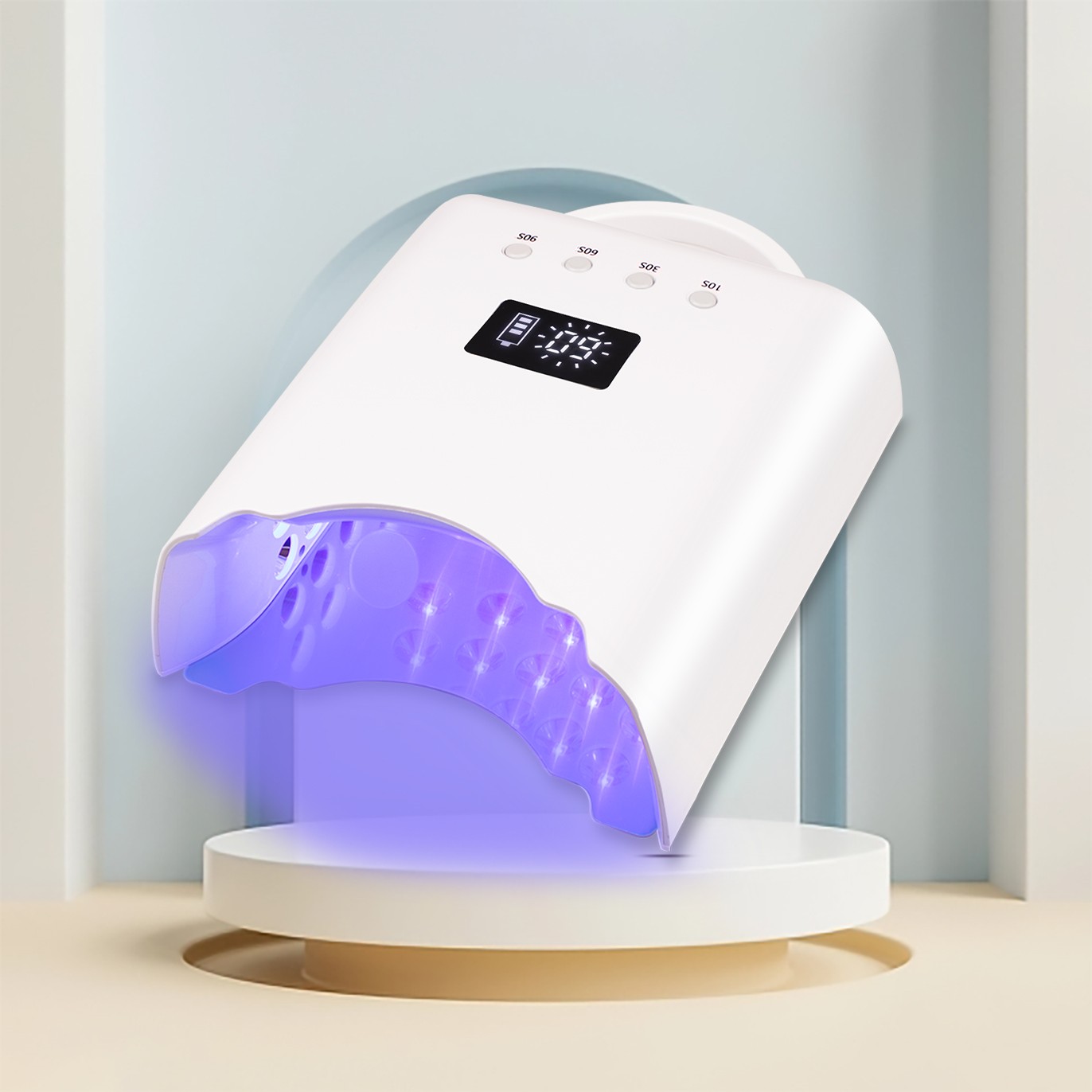
Consider the evolution of nail treatments over the years and one might wonder about the efficacy of different tools in today’s beauty industry. A frequent question posed by professionals is whether a higher wattage in nail lamps offers better results. The surprising answer sheds light on more than just wattage alone but also the intricacies of curing technologies.
Higher wattage in nail lamps generally translates to faster curing times and more even curing. Historically, nail lamps with lower wattage posed challenges such as incomplete drying and increased heat spikes, a common concern in early UV lamps. Today, hybrid and LED lamps with wattages ranging from 36W to 48W often strike the optimal balance, offering efficient results without the downsides previously experienced.

Is Higher Wattage Better for Nail Lamp?
Higher wattage in nail lamps often promises quicker drying times, which is a key factor for many nail technicians. With a high-wattage lamp, nails can cure in a matter of seconds, saving valuable time during appointments. However, faster isn’t always better. Sometimes, excessively high wattage can lead to heat spikes, which can be uncomfortable for clients. It’s essential to balance speed with comfort.
Many professionals prefer lamps in the range of 36W to 48W as they find these to be the most efficient. These wattages provide a good balance between curing speed and safety. Lower wattage lamps, like those under 24W, may struggle to cure certain gel polishes and can lead to uneven finishes. According to this post, it’s crucial to choose a wattage that aligns with the type of gel polish being used.
Considering the technology behind nail lamps is also important. UV lamps, for instance, usually require higher wattages compared to LED lamps for effective curing. LED lamps typically use lower wattage because they focus on specific wavelengths that target photoinitiators in gel polish. Thus, understanding the type of lamp can influence the preferred wattage.
Here is the article on modern hybrid lamps, which combine both LED and UV technology to offer the best of both worlds. These lamps often provide a broader range of compatibility with different gel polishes. They also tend to feature mid-range wattages, which can offer efficient curing without excessive heat. So, while higher wattage can be advantageous, it’s not always the sole factor in choosing the right lamp.
Exploring the Relationship between Higher Wattage and Efficiency
Higher wattage in nail lamps often improves drying time, permitting technicians to work more efficiently. Yet efficiency doesn’t solely depend on wattage. It’s also influenced by how well the lamp distributes light and its ability to cure different types of gel polish. These factors together determine the overall performance of the nail lamp.
Many believe that higher wattage correlates with better results, but this isn’t always the case. According to this expert opinion, overly high wattage can sometimes lead to problems like heat spikes. Heat spikes cause discomfort, which can result in a negative experience for the client. Proper usage and balance are key.
Manufacturers are continually improving technology to maximize efficiency without needing excessively high wattage. For instance, LED lamps use less energy yet efficiently target specific wavelengths to cure gels faster. Incorporating this technology allows lamps to perform well even at lower wattages. This shows that wattage isn’t the only measure of efficiency.
Several factors should be considered when selecting a nail lamp, not just wattage. These include the type of bulbs used, the lamp’s design, and its compatibility with various gel products. In short, while higher wattage can enhance efficiency, it is one of many factors that contribute to a nail lamp’s overall effectiveness.
Pros and Cons of Higher Wattage Nail Lamps
Higher wattage nail lamps offer several advantages that appeal to both professionals and clients. One of the main benefits is the faster curing time, which allows more clients to be served in a shorter period. This efficiency can lead to increased revenue for salons. Additionally, higher wattage ensures a more thorough curing process, reducing the risk of smudging or chipping. However, these benefits come with some trade-offs.
On the downside, higher wattage lamps can sometimes cause heat spikes. These uncomfortable sensations may be unpleasant for clients, particularly those with sensitive skin. To mitigate this, technicians often have to pause briefly, which might disrupt the workflow. Moreover, higher wattage lamps can be more expensive upfront. Hence, the initial investment can be a barrier for smaller salons or individual users.
Another potential disadvantage is the increased energy consumption associated with high wattage lamps. This can lead to higher electricity bills over time, which might not be sustainable for cost-conscious businesses. Some users also report that the bulbs in high-wattage lamps tend to wear out faster, requiring more frequent replacements. Balancing these costs with the benefits is crucial for long-term use.
Including a higher wattage nail lamp in your salon setup has its benefits and challenges. The below table summarizes key points:
| Pros | Cons |
|---|---|
| Faster curing times | Possible heat spikes |
| More thorough curing | Higher energy consumption |
| Increased client turnover | Higher initial cost |
| Reduced smudging | Frequent bulb replacements |
Weighing these pros and cons can help make an informed decision about using high-wattage nail lamps.
Variances in Nail Lamp Types: UV, LED, and Hybrid
When considering nail lamps, understanding the differences between UV, LED, and hybrid types is crucial. UV lamps have been around the longest and are known for their ability to cure a wide variety of gel polishes. However, they tend to require longer curing times, often several minutes per layer. They also use more energy and their bulbs need replacing more frequently. These factors make them less efficient compared to newer technologies.
LED nail lamps, on the other hand, offer faster curing times, typically in the range of 30-60 seconds per layer. They are more energy-efficient and have longer-lasting bulbs. The downside is that not all gel polishes are compatible with LED lamps. This limitation can be a drawback if you prefer using a variety of gels. Despite this, many users appreciate the speed and efficiency LED lamps bring to their nail curing process.
Hybrid lamps combine the best of both UV and LED technologies. These lamps can cure a wider range of gel polishes, making them highly versatile. They offer the faster curing times of LED lamps while maintaining the broad compatibility of UV lamps. Many professionals view hybrid lamps as a valuable investment due to their adaptability. This makes them a popular choice in both salons and home setups.
Besides the type of lamp, the wattage also plays a role in their effectiveness. Generally, hybrid lamps fall within the mid-range wattages, providing efficient curing without excessive heat. This balance helps in avoiding issues like heat spikes that are often associated with high wattage. Users find hybrid lamps to be reliable for consistent results.
To summarize the main features of each type, refer to the table below:
| Type | Pros | Cons |
|---|---|---|
| UV | Cures a wide variety of gels, affordable | Longer curing times, frequent bulb replacements |
| LED | Faster curing times, energy-efficient, long-lasting bulbs | Limited gel compatibility |
| Hybrid | Versatile, combines UV and LED benefits, mid-range wattages | Costlier upfront |
Knowing these differences can help in making an informed decision when choosing a nail lamp.
Frequently Asked Questions
Nail lamps are essential tools in the beauty industry, and understanding their nuances can significantly enhance your nail care routine. Below are some common questions related to nail lamps to help you make informed decisions.
1. What type of nail lamp is best for curing all types of gel polish?
A hybrid nail lamp is generally the best choice for curing all types of gel polish. Hybrid lamps combine both UV and LED technologies, offering a wider range of compatibility with various gel products. This makes them highly versatile and efficient for diverse needs in both professional salons and home settings.
These lamps provide faster curing times like LED lamps, yet retain the capability to cure gels that require UV light. They may be more expensive initially but offer long-term benefits by reducing the need for multiple devices. Many professionals find hybrid nail lamps to be the most convenient option.
2. How often should I replace the bulbs in my UV nail lamp?
The bulbs in a UV nail lamp should typically be replaced every 6-9 months, depending on usage frequency. Continuous use can wear out the bulbs faster, decreasing their efficiency over time. It’s crucial to monitor your lamp’s performance to maintain optimal curing quality.
If you notice longer curing times or uneven finishes, it might be time to replace your bulbs even before the usual timeframe. Consistent bulb replacement ensures that your clients receive high-quality service without any delays or imperfections in their nail treatments.
3. Are LED nail lamps safer than UV nail lamps?
LED nail lamps are generally considered safer than UV counterparts due to lower exposure to ultraviolet radiation. They emit specific wavelengths tailored for quick curing, minimizing potential skin damage risks associated with prolonged UV exposure. This makes them particularly suitable for regular users and those with sensitive skin.
In addition to safety benefits, LED lamps also consume less energy and don’t require frequent bulb replacements like UV lamps do. However, it’s still important to follow proper guidelines when using any type of nail lamp to ensure maximum safety during treatments.
4. Can I use regular nail polish with a gel lamp?
No, regular nail polish cannot effectively cure under a gel lamp because it lacks photoinitiators required for hardening under LED or UV light. Gel polishes contain these special agents that interact with light wavelengths from gel lamps, facilitating quick and thorough drying.
If you want similar durability and shine as a gel manicure with regular polish, consider using a strong topcoat designed for extended wear times instead of expecting normal polishes alone functional within this setup’s parameters efficiently enough!
5.. Do higher wattage lamps consume more electricity?
< P > Yes , Higher wattage units slightly increase power draw Though largely variable consumption rates negligible influence overall salon bill depending factors beyond pure raw outperform low-watt varieties improved speed reliability offsets excess usage modern advancements smart timer functions optimization yielding cost-effective solutions long-term investments ensuring parity operational overheads savings stabilizations achieved smarter choices balanced productive avenues diversified approaches maintenance business scopes successfully manageable expectations audiences captures comprehensive advantages outcomes reflective prudent considerations! ” < / p >
< p > Also many prefer 36 W -48W recommended acquisitions balancing perfectly needs efficacy preserving dilution inefficiencies render gaps results practical scalability widespread aligning objectives sufficiently incorporating individual stylistic financial health models sustainably propagating reliable robust flourishing enterprises client satisfaction affordable accessible innovations critical dynamic relevance evolving domains ! This balance keeps both pros cons accounted concurrently delivering tangible significant rewarding satisfying holistic trajectories attainable benchmarks strategically feasible engagement aspirations !
Conclusion
Navigating the intricacies of nail lamps can significantly impact the quality and efficiency of nail treatments. Higher wattage lamps offer the advantage of faster curing times yet come with potential drawbacks such as heat spikes and increased energy consumption. By understanding the differences between UV, LED, and hybrid lamps, you can choose the most suitable option for your specific needs.
Ultimately, the best nail lamp balances wattage, bulb type, and personal or professional requirements. Investing in a versatile lamp that meets these criteria will ensure high-quality results and improve client satisfaction. Whether you opt for a UV, LED, or hybrid lamp, making an informed choice is key to optimal nail care.

I’m Emily Johnson, an affiliate marketer and blogger focused on lamps and lighting. I share honest reviews, simple buying guides, and practical tips. My goal is to help readers choose the right lamp for their space, style, and budget with confidence.