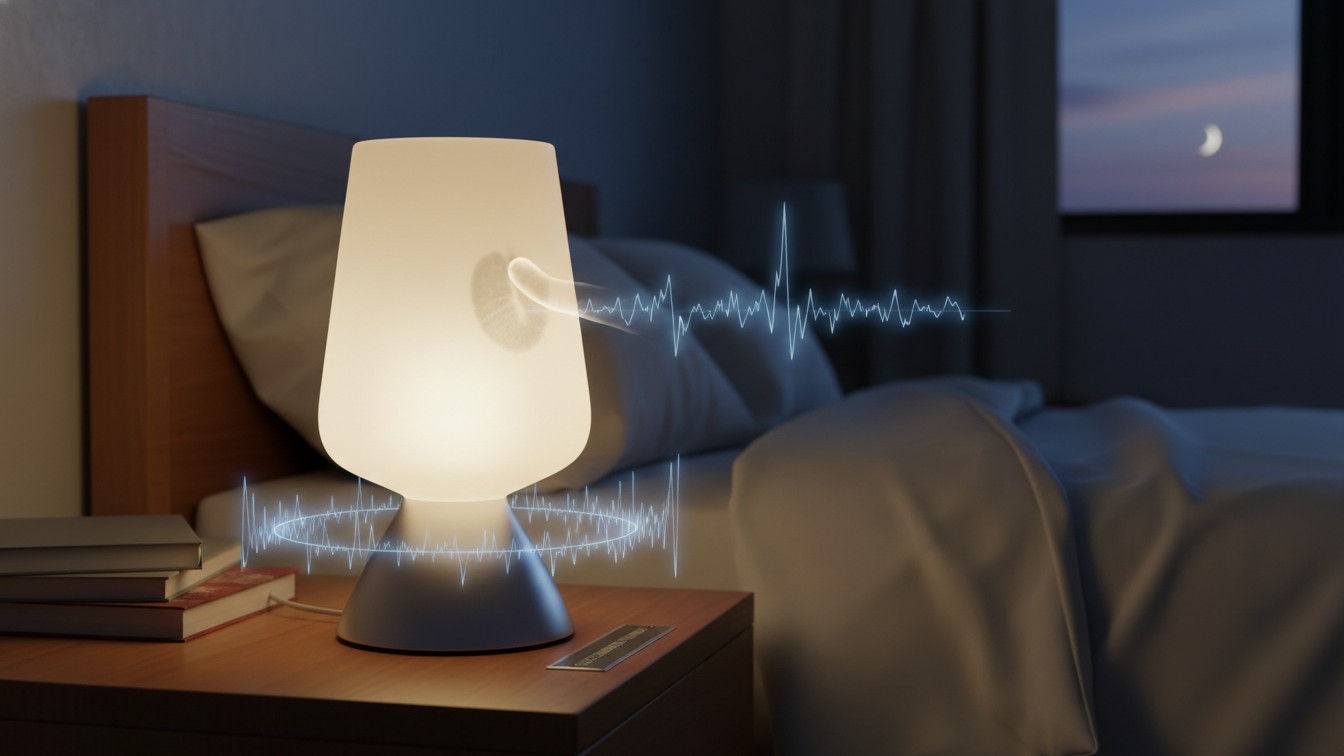
A touch lamp turns on by itself due to the sensitivity of the circuitry used to control the lamp, which is triggered by power line transits. This sensitivity can be caused by aging internal components or external factors such as power surges or dips.
Touch lamps work by detecting changes in current when the lamp’s base is touched, activating the internal switch and allowing control of the lamp’s brightness. Some touch lamps are very sensitive and can switch on and off with even slight changes in current.
The Mystery Of Self-activated Touch Lamps
A touch lamp turn on by itself? Touch lamps have circuitry that is sensitive to power line transits, causing them to turn on spontaneously. As the lamp ages, internal components can also begin failing, leading to self-activation.
turn on by themselves? This is a question that has puzzled many homeowners who own touch lamps. The phenomenon of self-activated touch lamps is indeed mysterious, but there are some explanations that shed light on this intriguing occurrence. In this blog post, we will dive deep into the world of touch lamps and explore the capabilities that make them susceptible to spontaneous activation events.
Exploring The Capabilities Of Touch Lamps
Touch lamps are designed to provide a convenient and intuitive way of controlling the lighting in your home. Instead of relying on physical switches, these lamps utilize touch-sensitive technology to respond to your touch. The underlying mechanism involves sensors that detect changes in electrical current when your hand comes into contact with the lamp. This triggers a response that turns the lamp on or off accordingly.
To make touch lamps even more versatile, many manufacturers have incorporated additional features that enhance their functionality. Some touch lamps offer adjustable brightness levels, allowing you to create the perfect ambiance for any occasion. Others come with built-in timers or dimming options, giving you greater control over your lighting experience.
Investigating Spontaneous Activation Events
While touch lamps are designed to respond to touch, there are instances where they seem to activate by themselves, without any direct physical interaction. This leaves many people wondering what could be causing this phenomenon. One possible explanation for self-activated touch lamps is the sensitivity of their circuitry. These lamps are engineered to be highly responsive, capable of detecting even the slightest fluctuations in electrical current. This sensitivity can sometimes lead to false positives, where external factors such as power line transients or radio frequency interference can trigger the lamp to turn on unexpectedly.
Additionally, age and wear can also play a role in the spontaneous activation of touch lamps. Over time, the internal components of the lamp’s circuitry may degrade, leading to less precise sensing and greater susceptibility to external influences. This can result in occasional instances of self-activation, even without any apparent trigger.
It’s worth noting that self-activated touch lamps are not a cause for concern in terms of electrical safety. They are designed with safety measures in place to prevent any hazards, such as short circuits or overheating. However, if you find the self-activation events to be frequent or disruptive, it may be worth considering a replacement or seeking professional assistance to ensure optimal performance.
In conclusion, the mystery of self-activated touch lamps can be attributed to their sensitive circuitry and the external factors that can interfere with their operation. Understanding the capabilities and limitations of touch lamps can help us appreciate their convenience while also offering insights into the occasional spontaneous activations. So, the next time your touch lamp turns on by itself, remember that it’s just the magic of technology at work!
Touch Lamp Mechanics Unmasked
A touch lamp is a fascinating piece of technology that can turn on and off with a simple touch, seemingly by itself. But how does it really work? In this article, we will uncover the mechanics behind touch lamps and explore the components and working principles that make them function. So, let’s dive in and uncover the mystery of touch lamp technology!
Components Of A Touch Lamp
A touch lamp consists of several key components that work together to enable the touch sensitivity feature. These components include:
- Power Supply: The power supply provides the lamp with the necessary electrical energy to function. It can be connected to a wall outlet or powered by batteries.
- Lamp Housing: The lamp housing is the outer shell that houses the internal components of the touch lamp. It is usually made of a non-conductive material such as plastic or glass.
- Control Circuitry: The control circuitry is the brain of the touch lamp. It includes a touch sensor, timing circuit, and relay. It is responsible for detecting touch input and controlling the lamp’s on/off state.
- Bulb Socket: The bulb socket is where the light bulb is inserted. It provides a connection between the lamp housing and the bulb, allowing electricity to flow and illuminate the bulb.
- Light Bulb: The light bulb is the source of light in the touch lamp. It can be an incandescent bulb, LED bulb, or any other suitable lighting technology.
Working Principle Behind Touch Sensitivity
The touch sensitivity feature of a touch lamp works based on the principle of capacitive sensing. In simple terms, when you touch the lamp’s housing, your body acts as a conductor that forms a capacitor with the lamp’s control circuitry. This change in capacitance is detected by the touch sensor, triggering the control circuitry to turn on or off the lamp.
The touch sensor in a touch lamp is designed to detect small changes in capacitance caused by the presence or absence of human touch. It typically utilizes a touch-sensitive plate or electrode that is connected to the control circuitry. When you touch the lamp, a minute electrical charge is transferred from your body to the touch sensor, altering the capacitance and signaling the control circuitry to respond.
The timing circuit in the control circuitry ensures that the lamp remains in the desired state (on or off) for a brief period after the touch is detected. This prevents accidental toggling of the lamp due to brief or unintended touches.
Overall, the touch sensitivity feature of a touch lamp relies on the interaction between the human touch and the control circuitry’s capacitive sensing mechanism. It’s a clever design that allows for convenient and intuitive control of the lamp’s lighting.
Factors Triggering Lamp Activation
There’s nothing more intriguing than a lamp that turns on by itself. It can leave you feeling puzzled and wondering about the possible reasons behind this mysterious phenomenon. While there may be various factors triggering lamp activation, two common ones include electrical surges and power fluctuations, as well as environmental influences and interferences.
Electrical Surges And Power Fluctuations
In our modern world, electrical surges and power fluctuations are not uncommon. These sudden changes in the flow of electricity can wreak havoc on sensitive electronic devices, including touch lamps. The circuitry used in touch lamps is designed to respond to even the slightest touch or change in electrical current.
During an electrical surge or power fluctuation, there can be a temporary increase or decrease in the voltage supplied to the lamp. This subtle change in voltage can trigger the touch-sensitive control mechanism, causing the lamp to turn on unexpectedly. It’s important to note that these fluctuations can occur due to various reasons, such as power grid issues, lightning strikes, or even electrical appliances turning on or off.
Environmental Influences And Interferences
Aside from electrical factors, environmental influences and interferences can also play a role in the spontaneous activation of touch lamps. These environmental factors can include electromagnetic interference (EMI) caused by nearby electronic devices or radio frequency interference (RFI) from sources like cell phones or Wi-Fi signals.
When an environmental interference occurs, it can disrupt the normal functioning of the touch-sensitive control mechanism in the lamp. This disruption can trick the circuitry into thinking that someone has touched the lamp, leading to it turning on unexpectedly. It’s worth noting that the sensitivity of touch lamps makes them particularly susceptible to these environmental influences.
To mitigate the impact of these factors, it’s advisable to troubleshoot and address any underlying issues. Ensuring a stable and reliable power supply, using surge protectors, and minimizing potential sources of interference can help minimize the chances of your touch lamp turning on by itself.
In conclusion, the activation of touch lamps by themselves can be attributed to factors such as electrical surges, power fluctuations, environmental influences, and interferences. By understanding these underlying causes, you can take steps to prevent or mitigate the occurrence of this mysterious phenomenon. Remember, while touch lamps add convenience and elegance to our homes, they can also be susceptible to these unforeseen triggers.
Troubleshooting Involuntary Illumination
If you’ve ever experienced the perplexing phenomenon of a touch lamp turning on by itself, you’re not alone. This occurrence can be quite baffling, and it’s important to address the issue to ensure the safety and proper functioning of your lamp. In this section, we will explore the common electrical issues that may be causing this involuntary illumination and provide troubleshooting solutions to help you resolve the problem.
Common Electrical Issues And Fixes
There are several potential reasons why your touch lamp may be turning on by itself. Here are some common electrical issues that could be causing this problem, along with the corresponding fixes:
1. Power Supply Issues
Power supply problems can often be the culprit behind a touch lamp’s involuntary illumination. Fluctuations in power line transits can trigger the sensitive circuitry of the lamp, causing it to turn on unexpectedly. To address this issue, you can try the following solutions:
- Ensure that you have a stable power supply by plugging the lamp into a different outlet or using a voltage stabilizer.
- Consider using a surge protector to protect the lamp from power surges or spikes.
2. Overheating Or Excessive Heat
Overheating can also lead to a touch lamp turning on by itself. When the lamp gets too hot, it can trigger the circuitry and cause the lamp to illuminate unintentionally. To prevent this, you can:
- Ensure proper ventilation around the lamp to dissipate heat.
- Replace the bulb with a lower wattage one to reduce the heat generated.
3. Poor Bulb Quality
The quality of the bulb you’re using can also contribute to the touch lamp’s involuntary illumination. Low-quality or faulty bulbs might not connect properly with the lamp’s circuitry, causing it to malfunction. To address this issue, consider the following solutions:
- Use high-quality bulbs from reputable brands that are compatible with your touch lamp.
- Inspect the bulb socket for any signs of damage and replace it if necessary.
4. Defective Touch Control
Another possible reason for the touch lamp turning on by itself is a defective touch control mechanism. Over time, the touch sensor or control module may wear out or become misaligned, leading to unintended activations. If you suspect this to be the issue, you can:
- Replace the touch control module with a new one to ensure proper functionality.
- Consult the lamp’s manufacturer for specific troubleshooting instructions or seek professional help.
When To Consult A Professional
If you have tried the suggested fixes and your touch lamp continues to turn on by itself, it may be time to consult a professional electrician or the lamp’s manufacturer. They will have the expertise to diagnose and resolve any underlying electrical issues that require specialized knowledge or tools. Your safety is paramount, so never hesitate to seek professional assistance when needed.
Beyond The Switch: Hidden Features
A touch lamp turns on by itself due to its sensitive circuitry being influenced by power line transits. This can cause the lamp to activate without any physical contact.
The Unexpected Benefits Of Touch Lamps
When it comes to lighting technology, touch lamps have revolutionized the way we interact with our lights. These lamps go beyond the traditional switch and offer a range of hidden features that enhance our lighting experience. In this article, we will explore the unexpected benefits of touch lamps and how they are embracing the future of lighting technology.
Embracing The Future Of Lighting Technology
Touch lamps are not just a convenient way to turn your lights on and off; they are also paving the way for the future of lighting technology. These lamps utilize advanced circuitry that responds to the electricity in our bodies when we touch the lamp’s surface. This technology allows us to control the brightness and intensity of the light with a simple touch, eliminating the need for complicated switches or buttons. But the benefits of touch lamps go even further. Here are some unexpected advantages that these lamps bring to your lighting setup:
1. Enhanced Energy Efficiency:
Touch lamps are designed to be energy-efficient, consuming less power compared to traditional light fixtures. These lamps use sensors that detect ambient light, automatically adjusting the brightness to provide just the right amount of illumination. This not only saves energy but also reduces your electricity bills.
2. Customizable Lighting:
Touch lamps come with various settings that allow you to customize your lighting experience. Some lamps offer multiple levels of brightness, allowing you to create the perfect ambiance for different activities. Whether you need a soft, dim light for relaxation or a bright, focused light for reading, touch lamps can provide it all.
3. Space-Saving Design:
Touch lamps often feature sleek and compact designs, making them perfect for small spaces or rooms with limited surface area. With no need for external switches or buttons, these lamps can be placed virtually anywhere, making them ideal for bedside tables, desks, or even shelves.
4. Smart Home Integration:
As touch lamps embrace modern technology, they are becoming more compatible with smart home systems. Some touch lamps can be connected to voice assistants like Amazon Alexa or Google Assistant, allowing you to control the lights with simple voice commands. This integration adds convenience and versatility to your lighting setup.
5. Easy Maintenance:
Traditional switches and buttons are prone to wear and tear over time, leading to malfunction or failure. In contrast, touch lamps have no moving parts that can wear out, making them more durable and long-lasting. With fewer components to maintain, touch lamps require less maintenance and can provide years of reliable service.
In conclusion, touch lamps offer more than just a convenient way to turn your lights on and off. They are the future of lighting technology, providing enhanced energy efficiency, customizable lighting options, space-saving designs, smart home integration, and easy maintenance. By embracing touch lamps, you can elevate your lighting experience and enjoy all the hidden features they bring.

Credit: www.nytimes.com
Frequently Asked Questions Of How Does A Touch Lamp Turn On By Itself
Why Would A Lamp Turn On By Itself?
A lamp may turn on by itself because the circuitry used to control the lamp is sensitive to power line transits, triggering the lamp. Other potential reasons include power supply issues, overheating, poor bulb quality, or a problem with the bulb socket.
Touch lamps also work by activating an internal switch when touched, allowing for dimming control.
What Activates A Touch Lamp?
A touch lamp turns on when it’s touched because the internal switch is activated. The circuitry is wired to the body of the lamp, so the first touch switches it on. Touching it again allows you to control the dimmer.
Touch lamps are sensitive to changes in current.
Why Does My Touch Lamp Keep Going On And Off?
Touch lamps have circuitry that is sensitive to power line transits, causing them to turn on and off. This sensitivity can be triggered by power surges, flickering, or even slight changes in current. The internal components of the lamp may also deteriorate over time, leading to unintended activation.
How Do Touch Plant Lamps Work?
How do touch plant lamps work? Touch plant lamps work using microchip technology. When you touch any leaf on the plant, the light switches on. It’s a simple yet fantastic way to control the light with just a touch.
Conclusion
Touch lamps can turn on by themselves due to their sensitive circuitry. The lamp’s control system reacts to power line transits, causing it to switch on unintentionally. Factors such as aging components or electrical fluctuations can contribute to this behavior.
Touch lamps are designed to be extremely sensitive and can even be triggered by voltage fluctuations, making them prone to misoperations. Incorporating inductors or resistors into the circuit can isolate the control system from external influences. Despite their convenience, touch lamps may require some troubleshooting to ensure optimal functionality.

I’m Emily Johnson, an affiliate marketer and blogger focused on lamps and lighting. I share honest reviews, simple buying guides, and practical tips. My goal is to help readers choose the right lamp for their space, style, and budget with confidence.