
The parts of a table lamp include the lamp base, lampshade, harp, socket, switch, harp saddle, neck, and lamp rod. The lamp base is the bottom part of the lamp that provides stability.
The lampshade is the decorative cover that diffuses the light. The harp is the decorative accent at the top of the lamp that also secures the lampshade. The socket holds the light bulb and provides electrical power. The switch is used to turn the lamp on and off.
The harp saddle is a small attachment that connects the harp to the socket. The neck is the section between the lamp base and shade. The lamp rod provides support and connects the different parts of the lamp. Table lamps are versatile and functional lighting fixtures that add style and illumination to any space.
1. Introduction To Table Lamps
Table lamps are a common and essential part of interior design. They provide not only functional lighting but also add style and ambiance to a room. Understanding the different parts of a table lamp is crucial if you want to choose the right lamp for your needs and properly maintain it for optimal performance.
1.1 What Is A Table Lamp?
A table lamp is a portable lighting fixture that sits on a table or any flat surface. It consists of several components that work together to produce light.
1.2 Importance Of Understanding The Parts Of A Table Lamp
Understanding the different parts of a table lamp is essential for several reasons:
- Properly identifying and troubleshooting issues with the lamp.
- Choosing the right replacement parts or accessories.
- Enhancing the overall design and functionality of the lamp.
By being familiar with the various parts of a table lamp, you can ensure that you can confidently select the right lamp for your space and maintain it effectively for years to come. Let’s take a closer look at these components:
1.2.1 Lampshade
The lampshade is the decorative accent at the top of the lamp and is also used to diffuse and direct the light emitted by the lamp. It can come in various shapes, sizes, and materials, allowing you to choose one that complements your room’s aesthetic.
1.2.2 Harp
The harp is a wire frame that sits beneath the lampshade and holds it in place. It also provides support for the lampshade. The harp is attached to the lamp base and can be easily replaced if needed.
1.2.3 Socket
The socket is where the light bulb is screwed in and provides the electrical connection for the lamp. It is essential to choose the right socket to ensure compatibility with the light bulb and prevent any electrical hazards.
1.2.4 Switch
The switch is the mechanism that controls the lamp’s on/off function. It can be located on the socket, on the cord, or even on the base of the lamp, depending on the design.
1.2.5 Base
The lamp base is the bottom part of the lamp that provides stability and support. It can come in various materials and designs, allowing you to choose one that matches your room’s decor.
1.2.6 Cord
The cord is the electrical wire that connects the lamp to a power source. It is usually covered with an insulating material and may have a plug at the end for easy connection.
1.2.7 Bulb
The bulb is the light source of the lamp. There are different types of bulbs available, including incandescent, LED, and compact fluorescent bulbs. It is essential to choose a bulb that suits your lighting needs and energy efficiency preferences.
2. Anatomy Of A Table Lamp
A table lamp is not just a simple lighting fixture but also a decorative piece that adds style and ambiance to any space. To fully understand and appreciate the beauty of a table lamp, it’s essential to know its different parts and their functions. In this section, we will explore the various components that make up a table lamp.
2.1 The Lamp Base
The lamp base is the foundation of the table lamp. It is the bottom part that provides stability and support to the entire structure. Lamp bases come in various shapes, materials, and designs, such as ceramic, glass, metal, or wood. The style of the lamp base contributes to the overall aesthetic of the lamp.
2.2 The Lamp Rod
The lamp rod, also known as the stem or column, connects the lamp base to the other components of the table lamp. It is usually made of metal or plastic and provides structural support. The lamp rod determines the height of the lamp and can be adjustable in some models.
2.3 The Neck
The neck of a table lamp is the narrow part between the lamp rod and the harp. It is where the electrical wiring and socket pass through. The neck can be a decorative element, featuring intricate designs or a simple, sleek design that complements the overall style of the lamp.
2.4 The Harp
The harp is a metal bracket or frame that holds the lampshade in place. It typically has a U-shaped design, with two arms extending upward from the base of the lamp. The harp allows for easy attachment and removal of the lampshade, making it adjustable to achieve the desired lighting effect.
2.5 The Lampshade
The lampshade is the final component of a table lamp, and it serves both functional and decorative purposes. It diffuses the light emitted by the bulb, creating a soft and warm glow. Lampshades come in various shapes, sizes, and materials, such as fabric, paper, glass, or metal, offering endless possibilities for customization and personalization.
Understanding the anatomy of a table lamp helps in selecting the right lamp for your space and allows you to appreciate the craftsmanship and design behind this everyday lighting fixture. Each component plays a crucial role in creating the perfect balance between functionality and aesthetics.
3. Functions And Importance Of Each Lamp Part
When it comes to table lamps, each individual part plays a crucial role in not only the functionality but also the overall aesthetic appeal of the lamp. Understanding the functions and importance of each lamp part can help you make an informed decision when choosing or repairing a table lamp. Let’s take a closer look at the different parts and what they contribute to the lamp as a whole.
3.1 The Lamp Base
The lamp base serves as the foundation of the table lamp, providing stability and support. It is typically made of various materials such as metal, glass, ceramic, or wood. The design of the lamp base can vary greatly, from sleek and modern to ornate and decorative. The size and shape of the base also need to be taken into consideration to ensure proper balance and proportion with the rest of the lamp.
3.2 The Lamp Rod
The lamp rod, also known as the stem or body, connects the lamp base to the neck. It acts as a conduit for the electrical wiring that runs through the lamp, allowing for the flow of electricity from the socket to the bulb. The length of the lamp rod determines the overall height of the table lamp. A shorter rod creates a compact and low-profile lamp, while a longer rod gives a taller and more dramatic appearance.
3.3 The Neck
The neck of the lamp is the section between the lamp rod and the harp. This part adds an extra touch of style and elegance to the lamp’s design. It can be cylindrical, tapered, or decorative, depending on the overall aesthetic of the lamp. The neck also serves as a transition between the base and the harp, creating a seamless flow from one part to the next.
3.4 The Harp
The harp is a metal wire bracket that holds the lampshade in place. It attaches to the socket and extends upward, allowing the lampshade to sit securely on top. The harp not only provides structural support but also helps to distribute light evenly and prevent glare. It is available in various sizes to accommodate different lampshade dimensions.
3.5 The Lampshade
The lampshade is the crowning glory of the table lamp, providing both function and style. It diffuses and directs the light emitted by the bulb, creating a warm and inviting atmosphere. Lampshades come in a wide range of materials, sizes, shapes, and designs, allowing you to customize the look and feel of your table lamp. Whether you prefer a classic empire shade or a trendy drum shade, the lampshade is an essential part of the overall aesthetic of the lamp.

Credit: www.lampsusa.com
4. Common Components Of Desk Lamps
Desk lamps are an essential lighting fixture commonly used in homes, offices, and study areas. These lamps consist of various components that work together to provide focused illumination. Understanding the different parts of a desk lamp is crucial for selecting the right lamp for your needs and ensuring efficient functionality. In this section, we will explore the common components of desk lamps and their respective functions.
4.1 Lampshade Or Light Source
The lampshade or light source is one of the primary components of a desk lamp. It serves both functional and aesthetic purposes. The lampshade helps to diffuse and direct the light emitted by the light source, preventing glare and creating a comfortable working environment. Additionally, the lampshade adds style and personality to the overall design of the lamp.
There are different types of lampshades available, including fabric, glass, metal, and plastic. Each material offers unique lighting effects and aesthetics. When selecting a lampshade, consider factors such as the lamp’s intended use, room decor, and personal preferences.
4.2 Flexible Or Adjustable Arm Or Stand
The flexible or adjustable arm or stand is another crucial component of desk lamps. This feature allows users to adjust the position of the light source according to their specific lighting needs. Whether you need direct task lighting or ambient lighting, the flexibility of the arm or stand enables you to achieve optimal lighting conditions.
The arm or stand is typically made of metal or plastic, providing stability and durability. Some desk lamps also have built-in springs or hinges, allowing for easy adjustment and positioning. Whether you need to direct the light downward, upward, or at a specific angle, the flexible or adjustable arm or stand ensures maximum functionality and adaptability.
5. Other Important Terms And Concepts
In addition to the previously mentioned main parts of a table lamp, there are also other important terms and concepts to be aware of. Understanding these components will give you a better understanding of how a table lamp works and the different elements that contribute to its functionality and design. Let’s take a closer look at these other important terms and concepts:
5.1 Fitter
The fitter refers to the part of a table lamp that holds and attaches the lampshade to the lamp. It is usually located at the top of the lamp just below the harp. There are different types of fitters available, including spider lamp shade fitters that sit on top of the harp and are secured with a finial. The fitter ensures that the lampshade sits securely on the lamp and allows for easy installation and removal.
5.2 Lamp Holder/socket
The lamp holder, also known as the socket, is the part of the table lamp that holds the light bulb in place. It is typically made of a heat-resistant material and contains electrical contacts that connect to the base of the light bulb. The lamp holder/socket is responsible for conducting electricity to the light bulb, allowing it to illuminate when the lamp is turned on.
5.3 Light Bulb
The light bulb is the essential component of a table lamp that produces light. It is inserted into the lamp holder/socket and is the part that actually emits the illumination. Light bulbs come in various types, including incandescent, fluorescent, halogen, and LED. The type of light bulb used in a table lamp will determine the brightness, color temperature, and energy efficiency of the lamp.
5.4 Switch
The switch is the mechanism that controls the on/off operation of the table lamp. It allows the user to easily turn the lamp on or off with a simple flick or press. The switch is typically located on the lamp base or near the lamp holder/socket. Common types of lamp switches include rotary switches, pull-chain switches, push-button switches, and touch-sensitive switches.
Understanding these other important terms and concepts associated with table lamps will help you make informed decisions when selecting a lamp that suits your needs and preferences. Each component plays a crucial role in the overall functionality and aesthetic appeal of the table lamp.
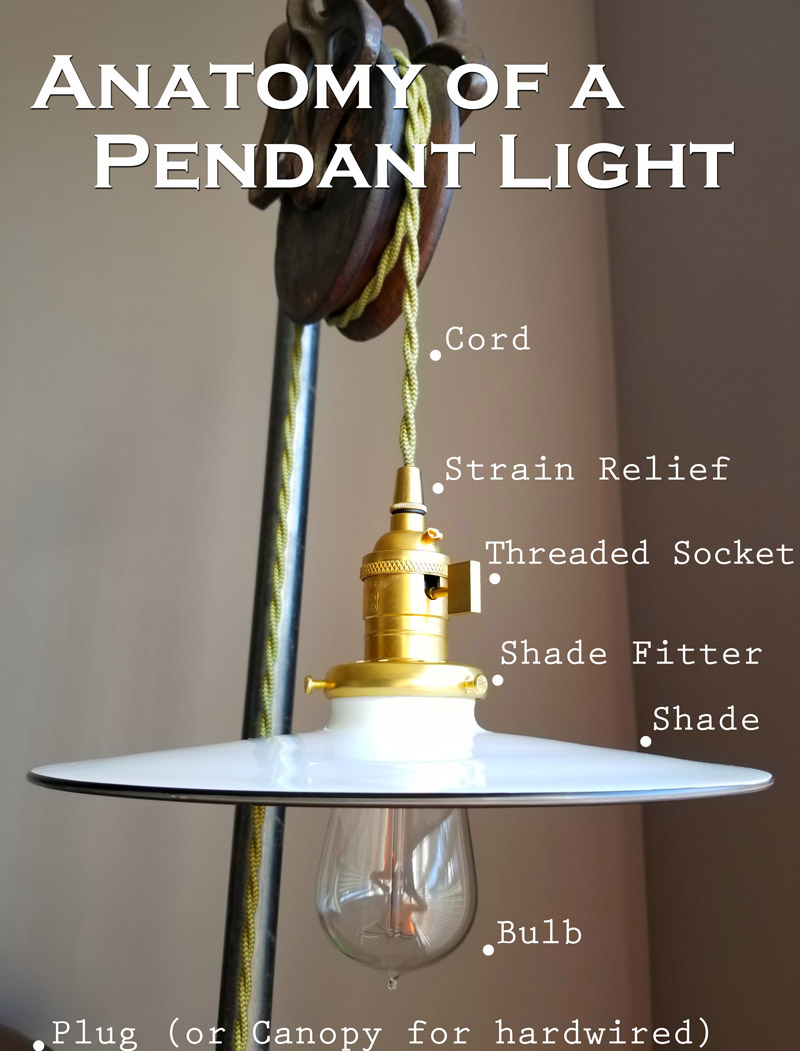
Credit: www.snakeheadvintage.com
Frequently Asked Questions On What Are The Parts Of A Table Lamp
What Are The Parts Of A Lamp?
The parts of a lamp include the lampshade, lampshade frame, harp, socket, switch, harp saddle, neck, and lamp rod. The lampshade is the decorative accent at the top, while the harp secures the lampshade. The socket holds the light bulb, and the switch controls the on and off function.
What Are The Components Of A Desk Light?
A desk light typically consists of a lampshade or light source mounted on a flexible or adjustable arm or stand. This allows the user to direct the light where needed. Desk lamps may also have a switch, socket, and base.
What Do You Call The Part Of A Lamp That Holds The Shade?
The part of a lamp that holds the shade is called the fitter. It is the portion inside the lampshade that attaches the shade to the lighting and stand components.
What Is The Base Of A Lamp?
The base of a lamp is the component that supplies electrical current to the light bulb. It comes in various shapes and sizes, and it is important to select the appropriate base for your specific needs.
Conclusion
To summarize, the parts of a table lamp include the decorative accent, lampshade frame, harp, socket, switch, harp saddle, neck, and lamp rod. Each component plays a crucial role in providing functionality and aesthetics to the lamp. Understanding the different parts allows you to make informed decisions when it comes to lamp maintenance, repair, or customization.
Whether you’re a design enthusiast or looking for a practical lighting solution, this knowledge will help you appreciate the intricacies of table lamps.

I’m Emily Johnson, an affiliate marketer and blogger focused on lamps and lighting. I share honest reviews, simple buying guides, and practical tips. My goal is to help readers choose the right lamp for their space, style, and budget with confidence.