
To use a table lamp for study, position it next to your shoulder with the lampshade at the same height as your head to reduce glare and illuminate your book effectively. Additionally, place the lamp above and behind your screen, pointing down to provide adequate lighting for the whole desk without causing screen glare.
It is important to position the lamp higher than your head but not too high that you lose light, ensuring that it illuminates the area you are working on, such as your keyboard during computer work. By following these positioning tips, you can maximize the benefits of using a table lamp for studying and minimize eye strain.
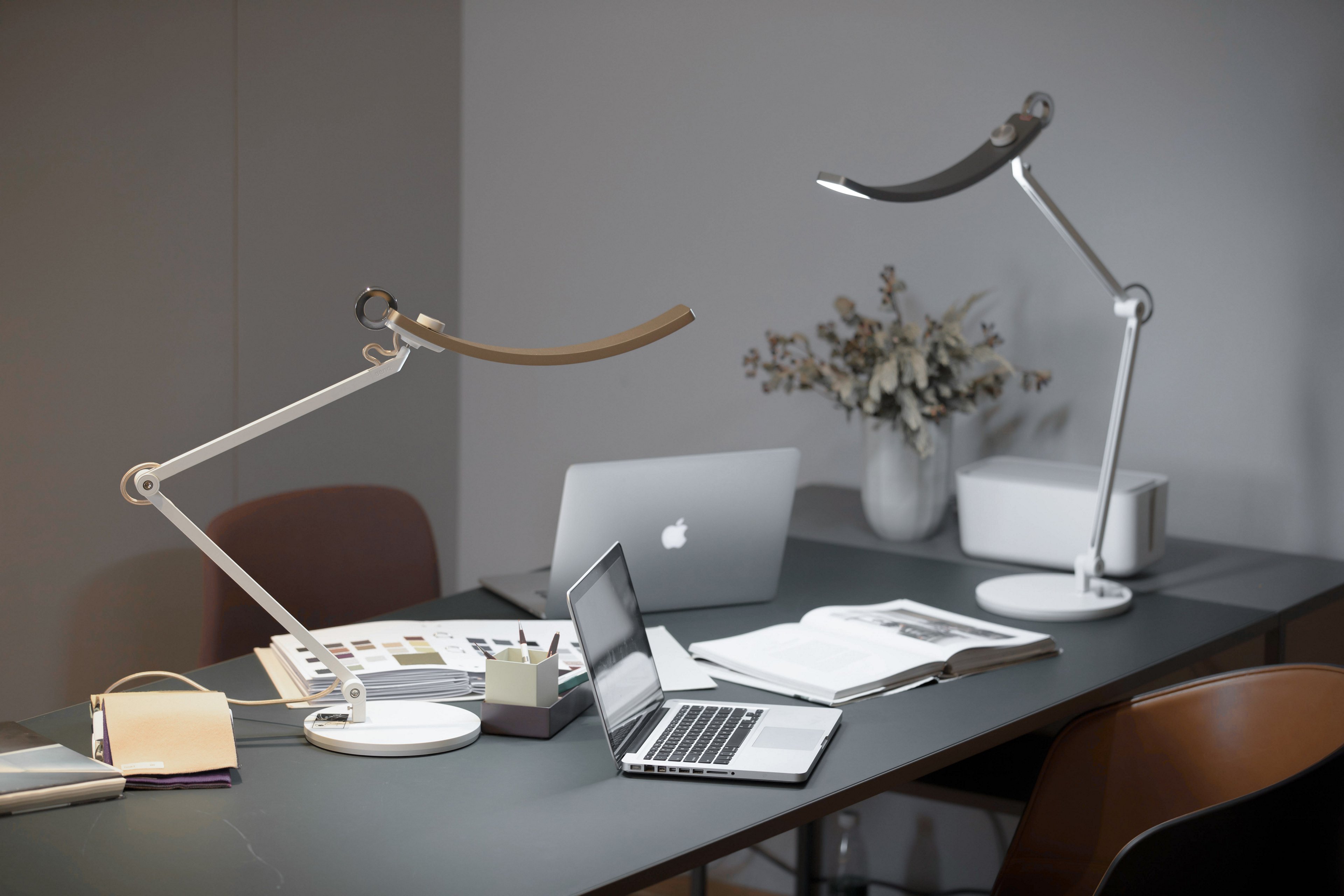
Credit: www.benq.com
Benefits Of Using A Table Lamp For Study
When it comes to creating an ideal study environment, having adequate lighting is essential. One of the best options for studying lighting is a table lamp. Using a table lamp for study provides numerous benefits that can enhance your study experience. In this article, we will explore three key benefits of using a table lamp for study: reducing eye strain, boosting productivity, and ensuring proper positioning.
Reducing Eye Strain
Studying under a table lamp can significantly reduce eye strain. Table lamps provide a focused light source that illuminates your study materials effectively. This targeted lighting helps minimize the strain on your eyes, making it easier to read and concentrate for longer periods.
By reducing eye strain, a table lamp allows you to study more comfortably and without experiencing the fatigue that often accompanies extended periods of reading under poor lighting conditions.
Boosting Productivity
Proper lighting is vital for maintaining optimal productivity while studying. A table lamp provides ample light that ensures you can see your study materials clearly. With a well-lit workspace, you can read and comprehend information more efficiently, leading to improved focus and productivity. By eliminating shadows and dimly lit areas, a table lamp creates a visually stimulating environment that enhances your ability to concentrate and absorb knowledge.
Ensuring Proper Positioning
Table lamps offer the advantage of adjustability, allowing you to position the light exactly where you need it. Proper positioning of the lamp ensures that the light falls directly on your study materials without causing glare or shadows.
By placing the table lamp at the correct height and angle, you can illuminate your books or computer screen effectively while minimizing eye strain. Additionally, positioning the lamp above and behind your study materials helps light up the entire desk surface, preventing any unpleasant glare from the screen.
In conclusion, using a table lamp for study is highly beneficial. It reduces eye strain, boosts productivity, and allows for proper positioning. By investing in a table lamp, you can create an optimal study environment that promotes focus, comfort, and improved learning outcomes. So why wait? Upgrade your study area with a table lamp today and experience the difference it can make!

Credit: www.amazon.com.au
Factors To Consider When Choosing A Table Lamp
When it comes to creating an effective study environment, choosing the right table lamp is crucial. The right lamp can provide adequate lighting, reduce eye strain, and improve focus. To ensure you find the perfect table lamp for your study needs, there are several important factors to consider:
Brightness & Color Temperature
The brightness and color temperature of a table lamp are two essential factors to consider. Brightness refers to the amount of light emitted by the lamp, while color temperature determines the tone of light produced. When choosing a table lamp for studying, it’s important to look for a lamp that offers adjustable brightness levels and color temperatures. This allows you to customize the lighting to match your specific needs and preferences. A lamp with adjustable color temperature can provide warm, cozy light for late-night study sessions or cool, bright light to simulate natural daylight.
Quality Of Light
The quality of light emitted by a table lamp is another crucial factor to consider. Harsh or flickering light can cause eye strain and affect concentration. Look for lamps that use LED technology, as LED lights provide gentle and consistent illumination. Additionally, lamps with a diffuser or frosted shade can help create a soft and diffused light that’s easy on the eyes.
Adjustability
Having a table lamp with adjustable features is essential for studying. Look for lamps with a flexible neck or an adjustable arm that allows you to position the light exactly where you need it. This will ensure that you can easily direct the light onto your study materials without causing unwanted glare or shadows.
Size
The size of the table lamp is another important consideration. It should be proportionate to your study area and provide adequate lighting coverage. A lamp that is too small may not provide enough light, while a lamp that is too large may take up valuable desk space. Consider the size of your desk and the area you need to illuminate when selecting a table lamp for your study.
Additional Features
Lastly, consider any additional features that may enhance your study experience. This could include built-in USB ports for convenient device charging, adjustable brightness settings, or even a built-in timer to help you manage your study time effectively. Think about your specific needs and preferences to determine which additional features would be beneficial.
Proper Placement of a Table Lamp
A table lamp is an essential tool for studying, as it provides focused lighting that helps reduce eye strain. However, to fully benefit from the use of a table lamp, it is crucial to consider its proper placement. The position and height of the lamp can significantly impact the illumination of your workspace and enhance your study experience. In this section, we will discuss the importance of height and position when using a table lamp for study.
Height and Position
The placement of your table lamp plays a crucial role in ensuring optimal lighting for your study sessions. The height of the lamp should be adjusted to provide a balance between illuminating your workspace and avoiding glare in your eyes. Placing the lampshade at the height of your head and relatively close to your study area can prevent excessive glare while still providing ample light.
When positioning the table lamp, it is best to place it slightly behind and above your reading material, such as a book or notebook. This positioning allows the light to spread evenly across your workspace, helping to reduce shadows and providing uniform illumination for your study materials.
It is essential to position the table lamp in a way that it doesn’t obstruct your line of sight or cast direct shadows on your work surface. By angling the lampshade appropriately, you can direct the light precisely where you need it most without causing any unwanted shadows or distractions.
| Proper Table Lamp Placement Tips |
|---|
| Adjust the height of the lampshade to the level of your head for optimal lighting |
| Place the lamp slightly behind and above your reading material to avoid direct glare |
| Angle the lampshade to direct the light evenly across your workspace without casting shadows |
By adhering to these proper placement tips, you can ensure that your table lamp provides the ideal lighting conditions for your study sessions. Remember, a well-placed table lamp can enhance your focus, reduce eye strain, and make your study experience more productive and enjoyable.
Illumination of Workspace
In addition to height and position, the illumination of your workspace is another critical factor to consider when using a table lamp for study. The brightness of the lamp and the color temperature of the light can significantly impact your concentration and overall comfort.
Choosing a table lamp with adjustable brightness levels allows you to customize the lighting according to your needs. If you prefer a brighter workspace, especially during intense study sessions, you can increase the lamp’s brightness. On the other hand, if you prefer a more relaxed ambiance, you can lower the brightness to a comfortable level.
The color temperature of the light is also essential for creating a conducive study environment. Generally, cooler color temperatures, such as daylight white, are recommended for study areas as they simulate natural daylight and promote alertness and focus. However, you can choose warmer color temperatures if you prefer a cosier atmosphere.
- Adjust the brightness of your table lamp according to your preferences
- Consider using cooler color temperatures for a more focused study environment
- Customize the lighting to create a comfortable and productive workspace
By paying attention to the illumination of your workspace and customizing it to your liking, you can create an ideal study environment that promotes concentration, productivity, and overall well-being.
Using a Table Lamp Safely
When it comes to studying, having a well-lit workspace is essential. A table lamp can provide the necessary focused light to help reduce eye strain and improve concentration. However, it’s important to use a table lamp safely to ensure optimal study conditions. In this section, we will discuss the proper usage of a table lamp and how to prevent eye strain while studying.
Proper Usage
Using a table lamp correctly is crucial for an effective study session. Here are some tips to ensure proper usage:
- Place the table lamp next to your shoulder, with the lampshade at the same height as your head. This positioning allows for optimal illumination of your study materials without causing glare into your eyes.
- Make sure the lampshade is large enough to cover the light bulb and direct the light downward onto your workspace. This helps to reduce shadows and provides a consistent light source.
- Choose a table lamp with adjustable brightness settings. This allows you to customize the light intensity based on your study needs.
- Consider using a table lamp with an adjustable neck or a flexible arm. This feature enables you to direct the light exactly where you need it, eliminating any potential glare or shadows.
Preventing Eye Strain
Studying for long periods of time can cause eye strain, but with the right precautions, you can minimize its impact. Follow these guidelines to prevent eye strain while using a table lamp:
- Take regular breaks to give your eyes a rest from the constant near work. Look away from your study materials and focus your gaze on a distant object for a few minutes.
- Ensure that the overall lighting in your study area is comfortable. Avoid having stark contrasts between the brightness of your table lamp and the surrounding environment.
- Use warm white or daylight bulbs in your table lamp, as these provide a more natural light that is easier on the eyes.
- Position your table lamp at a distance that allows for adequate illumination without causing glare. Experiment with different angles and distances to find the optimal position for your study needs.
By following these guidelines for proper usage and preventing eye strain, you can create a safe and conducive study environment with your table lamp. Remember to consider your unique study requirements and adjust the lighting accordingly. Happy studying!
Frequently Asked Questions About How To Use Table Lamp For Study
Is It Good To Use Table Lamp For Study?
Using a table lamp for study can be beneficial as it provides focused light, reducing eye strain. To use it effectively, place the lamp next to your shoulder at the same height as your head and keep the lampshade relatively close.
Position the lamp above and behind your screen to illuminate the entire desk without causing glare.
How Do You Use a Study Lamp Effectively?
Position the study lamp next to your shoulder with the lampshade at head height to reduce glare. Place the lamp above and behind your screen to light up the entire desk without causing screen glare. Adjust the lamp’s position based on your task, such as positioning it to illuminate your keyboard for computer work.
Does Studying Under A Table Lamp Make A Difference?
Yes, studying under a table lamp can make a significant difference in your study experience. Table lamps provide a focused light source that helps reduce eye strain and provides optimal illumination for reading and studying. With a table lamp, you can ensure that the light is directed towards your study material, creating a well-lit environment that enhances concentration and productivity.
Is It Better To Study With A Desk Lamp In The Dark?
No, it is not recommended to study with a desk lamp in the dark. studying in the dark can lead to eye strain and fatigue, as your eyes have to work harder to read in low light conditions. It is important to have sufficient ambient lighting and a well-lit study area to maintain optimal visual comfort and prevent unnecessary strain on your eyes.
Where Should A Lamp Be Placed On A Study Table?
Place the lamp above and behind the screen, pointing down to light up the whole desk without causing glare from the screen.
How Should I Position My Study Lamp?
Position your study lamp higher than your head, but not too high that you lose light. Place it above and behind your screen to illuminate the whole desk without causing glare. Position the lampshade at the height of your head and relatively close to reduce eye strain and glare.

Credit: www.walmart.com
Conclusion
Using a table lamp for study can have significant benefits by providing a focused light source that helps reduce eyestrain. Placing the lamp at the right height, next to your shoulder, and positioning the shade at the height of your head can effectively illuminate your work without causing glare.
Additionally, placing the lamp above and behind your screen can provide adequate lighting for the entire desk. Remember to position the lamp to provide illumination to whatever you’re working on, ensuring optimal study conditions.

I’m Emily Johnson, an affiliate marketer and blogger focused on lamps and lighting. I share honest reviews, simple buying guides, and practical tips. My goal is to help readers choose the right lamp for their space, style, and budget with confidence.