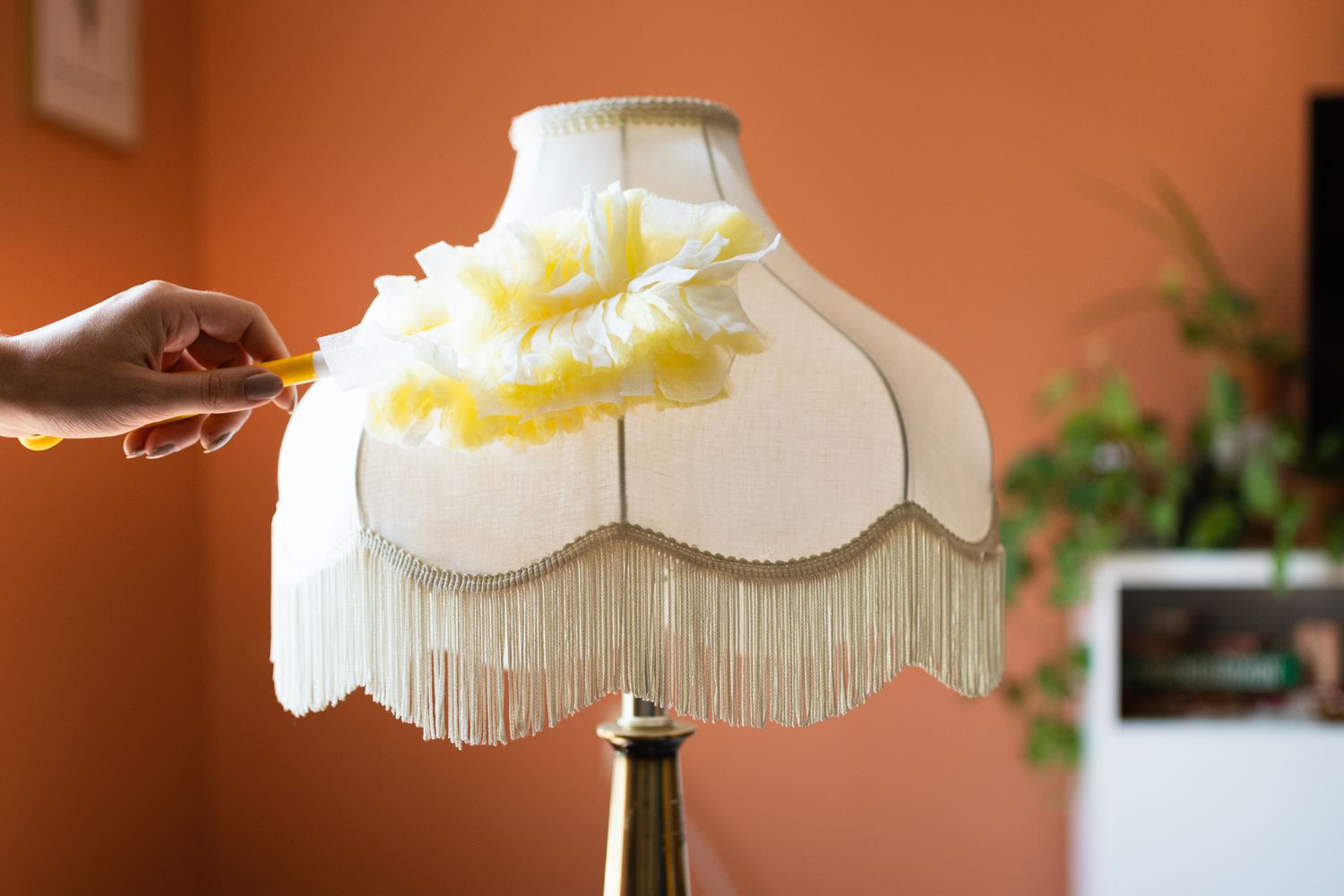
Unexpectedly, lampshades often accumulate more dust and grime than you might notice at first glance. This subtle build-up can dim the light they emit and leave your space looking less than pristine. With the right techniques, cleaning lampshades can be a simple yet transformative task.
Cotton or linen lampshades became popular during the early 20th century for their diffused light and aesthetic appeal. Recent studies show that a clean lampshade can increase light output by up to 50%. Regular maintenance involves gentle dusting and periodic deep cleaning with mild detergent for fabric shades or a damp cloth for parchment or vellum shades.
- Remove the lamp shade from the lamp base.
- For fabric shades, dust with a feather duster or vacuum with a brush attachment.
- Clean with mild detergent mixed with lukewarm water; scrub gently and air dry.
- For non-fabric shades, wipe with a damp cloth and appropriate cleaner.
- Treat stubborn stains with a gentle stain remover and ensure complete drying before reattaching.
:max_bytes(150000):strip_icc()/how-to-clean-a-lampshade-5190442-02-0ab3f862b62243889e3b2972e908132c.jpg)
How to Clean Table Lamp Shades
First, determine the material of your table lamp shade. This is important because different materials require different cleaning methods. Fabric shades often need gentle cleaning, like dusting with a soft brush or a lint roller. For non-fabric shades, such as glass or metal, a damp cloth might be more suitable. Knowing the material helps prevent damage during cleaning.
Next, gather your cleaning supplies. Basic supplies include a feather duster, mild detergent, a soft cloth, and lukewarm water. For tougher stains, a gentle stain remover can be useful. Make sure to avoid any harsh chemicals, as they can discolor or damage the shade. Proper supplies ensure an effective and safe cleaning process.
Begin the cleaning process by removing the shade from the lamp. For fabric shades, use the feather duster or a vacuum with a brush attachment to remove dust. If deeper cleaning is required, mix the detergent with water, and gently scrub the shade with a soft cloth. For non-fabric shades, simply wipe them down with a damp cloth. Allow the shades to air dry completely before reattaching them to the lamp.
Regular maintenance is key to keeping your lamp shades looking fresh. Dust them weekly to prevent grime build-up. For fabric shades, a monthly wipe-down with a damp cloth can also be helpful. If you notice any stubborn stains, address them promptly to prevent long-term damage. Consistent care will extend the life and appearance of your table lamp shades.
Step 1: Understanding the Material of Your Table Lamp Shade
Understanding the material of your table lamp shade is vital for effective cleaning. Different materials like fabric, glass, and metal each require unique care. Fabric shades, for instance, can absorb dust and stains quickly. On the other hand, glass and metal shades might just need a simple wipe-down. Identifying the material helps in choosing the right cleaning method.
Fabric lampshades can be made from cotton, linen, silk, or other textiles. Each type of fabric reacts differently to cleaning agents. Silk shades, for example, need gentler touch and specialized cleaners. Cotton and linen shades are more durable and can handle mild detergents. Knowing the specific fabric ensures you won’t damage the shade.
Non-fabric shades, like those made from glass, metal, or plastic, require different techniques. Glass shades often just need a damp cloth and some glass cleaner. Metal shades might require a polish to shine. Plastic shades can usually be cleaned with a mild soap and water solution. This differentiation prevents any cleaning oversights.
To help identify the material, manufacturers often provide labels or care instructions. These labels typically include cleaning guidelines. Reading these instructions can save a lot of time and effort. When in doubt, a quick search online or reference to the user manual can help. Being informed helps maintain the lamp shade’s durability and looks.
Step 2: Gathering the Required Cleaning Supplies
To clean your table lamp shade effectively, you’ll need specific cleaning supplies. Start by compiling some basic items like a feather duster, mild detergent, and a soft cloth. These items are usually sufficient for routine cleaning. If you encounter stubborn stains, consider adding a gentle stain remover to your list. Having the right supplies ensures a thorough and safe cleaning process.
For fabric shades, a vacuum cleaner with a brush attachment could be very helpful. This tool helps in removing deep-seated dust. Additionally, a lint roller can quickly pick up any lingering dust particles. For easier cleaning, you might want to keep these tools handy. This approach will save time and effort while maintaining the shade’s condition.
Cleaning non-fabric shades requires fewer supplies. A damp cloth and a suitable cleaner are often enough. Glass shades might need a specific glass cleaner for better results. Metal shades could benefit from a metal polish to restore their shine. Ensuring you have these items will prepare you for different types of lamp shades.
Organize your cleaning supplies in a convenient location. A small basket or caddy can keep everything together. This organization helps in quick and efficient cleaning whenever needed. Regular inspection of your supplies will ensure they are always ready for use. Being prepared makes the cleaning task less daunting and more manageable.
Step 3: Implementing the Cleaning Process
To start cleaning your table lamp shade, first, remove the shade from the lamp base. This step makes it easier to reach all areas without risking damage to the lamp. Place it on a stable surface covered with a towel or cloth. This setup prevents scratches and helps contain dust and debris. Removing the shade properly sets the stage for an efficient cleaning process.
Next, use a feather duster or a vacuum cleaner with a brush attachment to remove surface dust. For fabric shades, gently dust in circular motions to avoid damaging the material. For non-fabric shades, a simple wipe with a damp cloth will suffice. Be sure to clean both the inside and outside of the shade. Consistent dusting will maintain the brightness of your lamp.
For fabric shades that need a deeper clean, mix mild detergent with lukewarm water. Dip a soft cloth into the solution and wring out excess water. Gently scrub the fabric in small sections. Rinse the cloth frequently to avoid spreading dirt. After cleaning, let the shade air dry completely on the towel or cloth-covered surface.
If your shade has stubborn stains, apply a gentle stain remover. Test the remover on a small hidden area first to ensure it doesn’t damage the material. Apply the stain remover according to the instructions. Gently blot rather than scrub to avoid pushing the stain deeper. Once treated, rinse the area lightly with water and let it dry thoroughly.
Non-fabric shades often require less effort. For glass shades, use a glass cleaner sprayed onto a soft cloth. Wipe the shade gently to remove smudges and fingerprints. Metal shades might only need a light polish to bring back their shine. After cleaning, ensure that the shade is completely dry before reattaching it to the lamp base.
Regular cleaning extends the lifespan of your lamp shades. Dust weekly to prevent buildup and perform deeper cleanings as needed. Proper cleaning keeps your lamp shades looking fresh and ensures they continue to light up your space effectively. Consistent care enhances the overall ambiance of your room.
Step 4: Detailed Cleaning for Stubborn Stains
Tackling stubborn stains on your table lamp shade requires extra care and attention. First, identify the type of stain and the material of the shade. Food stains, for example, may need a different approach than ink or grease stains. Knowing the stain type helps in choosing the right cleaning solution. This initial assessment is crucial for effective stain removal.
For fabric shades, consider using a gentle stain remover or a mixture of mild detergent and water. Apply the solution with a soft cloth, focusing on the stained area. Gently blot rather than scrub to avoid damaging the fabric. Be sure to rinse the cloth frequently to prevent spreading the stain. This method is often effective for most fabric shades.
If the stain persists, try a specialized cleaner designed for delicate fabrics. Test the cleaner on a small hidden area first to check for any adverse reactions. Follow the product instructions carefully. After applying, blot the area with a clean, damp cloth to remove any residue. Allow the shade to air dry completely before reattaching it to the lamp.
For non-fabric shades, a different approach may be needed. Use a mild abrasive cleaner for glass or metal shades. Apply the cleaner to a soft cloth and gently rub the stained area. For more stubborn stains, let the cleaner sit for a few minutes before wiping it off. Always make sure the shade is dry before placing it back on the lamp.
Sometimes, household items can be handy in removing tough stains. For example, a baking soda paste can be effective for many types of stains. Mix baking soda with water to form a paste and apply it to the stain. Let it sit for a few minutes, then wipe it off with a damp cloth. This natural method can be a great alternative to chemical cleaners.
Regular inspection and prompt treatment of stains are key. Addressing stains as soon as they appear makes them easier to remove. It also prevents permanent damage to the shade. A little extra effort in detailed cleaning ensures your lamp shades remain in top condition.
Step 5: Post Cleaning Maintenance
Post-cleaning maintenance is critical to keep your table lamp shades looking their best. Regular dusting can prevent the build-up of dirt and grime. Using a feather duster or microfiber cloth can make this task easier. Aim to dust your lamp shades at least once a week. This routine can extend the time between deep cleanings.
Inspect your lamp shades for any new stains or damage. Prompt attention to small issues can prevent them from becoming bigger problems. Stains are easier to deal with when they are fresh. A quick spot clean with mild detergent and water can often do the trick. Regular inspections help in maintaining the overall condition of the shades.
Consider using protective measures to reduce the need for frequent cleaning. For fabric shades, a spray fabric protector can help repel dust and stains. Ensure that the protector is suitable for the material of your shade. For non-fabric shades, simple measures like avoiding direct contact with greasy hands can make a big difference. These steps can significantly reduce the wear and tear on your lamp shades.
Storing your lamp shades properly when not in use also plays a role in maintenance. Keep them in a dry, dust-free environment. Cover them with a cloth or plastic wrap to prevent dust accumulation. Proper storage can prevent discoloration and damage over time. Being mindful of where and how you store your shades ensures they remain in good condition.
Integrate lamp shade cleaning into your regular home maintenance routine. Setting reminders can help you stay on track. For example, if you clean your home every weekend, make it a point to dust the lamp shades then. Consistency is key to keeping your lamp shades looking pristine. It also makes the cleaning process less daunting.
Finally, educate everyone in your household about proper handling of the lamp shades. Simple habits like turning off the lamp before cleaning and handling shades with clean hands can make a big difference. Sharing these tips ensures that everyone contributes to the maintenance effort. Proper handling keeps the lamp shades looking new for longer.
Benefits of Regular Cleaning of Table Lamp Shades
Regular cleaning of table lamp shades offers numerous benefits. Firstly, it helps maintain the brightness of your lamps. Dust and grime can accumulate on the shade, dimming the emitted light. By keeping them clean, you ensure that maximum light passes through. This not only makes your room brighter but also more inviting.
Another benefit is the prolonging of the lamp shade’s life. Dust and dirt can cause wear and tear over time, damaging the material of the shade. Regular cleaning removes these harmful particles. It minimizes fabric degradation for fabric shades or corrosion for metal ones. This ultimately saves you money by reducing the need for replacements.
A cleaner lamp shade can also improve indoor air quality. Dust and allergens trapped on dirty lamp shades can circulate in your home when the lamp is turned on. Regular cleaning removes these particles, making the air safer to breathe. This is particularly important for households with allergy sufferers or pets. Cleaner air contributes to a healthier living environment.
Regular maintenance keeps your home looking neat and well-kept. Clean lamp shades contribute to an overall tidy appearance in any room. Whether it’s for everyday living or hosting visitors, cleanliness boosts aesthetic appeal. A sparkling clean lamp shade sends a message that attention is paid to details in household care.
Lastly, routine cleaning helps identify any potential issues early on. While cleaning, you may notice small tears or loose fittings that need fixing before they become serious problems. Addressing them promptly avoids costly repairs later down the line.
Common Mistakes in Cleaning Table Lamp Shades and How to Avoid Them
One common mistake is using harsh chemicals to clean table lamp shades. These can damage the fabric or finish, leading to discoloration or tears. Instead, opt for gentle, mild detergents. Always test any cleaning solution on a small, hidden area first. This helps prevent any unexpected damage.
Another mistake is forgetting to remove the shade before cleaning. Leaving the shade on the lamp base can make cleaning more difficult and increase the risk of electrical hazards. Always take the shade off the lamp before starting the cleaning process. This also allows for a more thorough clean. It ensures that no areas are missed.
People often neglect to dust the lamp shade regularly. Dust accumulation can lead to more difficult stains and grime build-up over time. Regular dusting helps keep the shade clean and extends its lifespan. Use a feather duster or a vacuum with a brush attachment for this. It’s a simple yet effective habit to adopt.
Over-wetting can be another pitfall. Soaking fabric shades in too much water can weaken the material and cause it to lose shape. Use a damp cloth and blot rather than soak. This method provides enough moisture to clean without causing damage. Always let the shade dry completely before reattaching it.
Neglecting to read manufacturer instructions is also a frequent mistake. Each lamp shade may have specific care guidelines. Ignoring these can result in improper cleaning methods that damage the shade. Refer to any included care labels or instruction manuals. This ensures you follow the recommended cleaning practices.
Lastly, rushing the cleaning process can lead to overlooked spots or further damage. Take your time to clean carefully and thoroughly. Pay attention to seams and edges where dirt often accumulates. A meticulous approach ensures your lamp shade looks its best and lasts longer. Proper care can make all the difference.
Different Methods to Clean Fabric and Non-fabric Table Lamp Shades
Cleaning fabric and non-fabric lamp shades requires different approaches. Fabric lamp shades are sensitive and need gentle handling. Start by removing dust with a feather duster or a vacuum cleaner with a brush attachment. For deeper cleaning, mix mild detergent with lukewarm water. Use a soft cloth to scrub gently, then let the shade air dry completely.
Non-fabric shades like glass, metal, or plastic are generally easier to clean. Proper preparation is key for these materials. Use a damp cloth with a mild cleaner for quick results. For glass shades, a specific glass cleaner sprayed on the cloth can help achieve a streak-free shine. Metal shades might need a bit of polishing to look their best.
For both types, avoiding harsh chemicals is crucial. These can damage or discolor the material. Instead, use cleaning supplies that are gentle and designed for the specific type of shade. Regular maintenance makes the cleaning job quicker and easier next time. This approach helps preserve the shade’s appearance and durability.
For challenging stains on fabric shades, a gentle stain remover might be necessary. Always test on a small hidden area first. Apply the remover carefully, blot the stain, and rinse with a damp cloth. Stains on non-fabric shades can often be tackled with a mild abrasive cleaner. Rinse thoroughly afterward to remove any residue.
Here’s a quick comparison of cleaning methods for different materials:
| Material | Cleaning Method |
|---|---|
| Fabric | Dust with brush or vacuum; clean with mild detergent and water |
| Glass | Wipe with damp cloth and glass cleaner |
| Metal | Wipe with damp cloth and use metal polish |
| Plastic | Clean with damp cloth and mild soap solution |
These methods ensure that your lamp shades are cleaned effectively. Understanding the material of your lamp shade and using the proper technique makes a big difference in the results. Well-maintained lamp shades not only look better but also last longer, offering continuous value.
Professional Tips to Keep Your Table Lamp Shades Clean Longer
Proper care and maintenance can significantly extend the cleanliness of your table lamp shades. One simple but effective tip is regular dusting. Dust your lamp shades weekly using a feather duster or a vacuum with a brush attachment. This frequent light cleaning prevents dust accumulation. It makes heavier cleanings less frequent and more manageable.
Consider using fabric protectors for fabric lamp shades. These sprays help repel dust and stains, keeping the shade cleaner for longer periods. When using a fabric protector, ensure it’s suitable for the type of fabric you have. Apply it in a well-ventilated area. This small step can greatly reduce the need for deep cleanings.
Positioning also plays a role in keeping lamp shades clean. Avoid placing lamps near areas prone to dust build-up, such as windows or ventilation ducts. Keeping lamps in less dusty parts of your home can help maintain their cleanliness. This simple adjustment can make a significant difference. It minimizes exposure to airborne dust particles.
Mishandling can also lead to quicker dirt accumulation and damage. Always handle lamp shades with clean hands to avoid transferring oils and dirt. Encourage family members to do the same. Proper handling ensures that your shades stay cleaner between cleanings. It also prolongs the lifespan of the material.
Regular inspections are another valuable tip. Routinely check your lamp shades for any signs of stains or damage. Addressing these issues early makes them easier to manage. Spot clean stains as soon as they appear using a mild detergent and water. This proactive approach keeps your lamp shades looking their best.
Lastly, when your lamp shades are not in use, store them properly. Cover them with a cloth or plastic wrap to keep dust and dirt away. Store them in a dry, cool area to prevent any mold or mildew growth. These protective measures ensure that your lamp shades remain in pristine condition. A little extra care goes a long way in maintaining their cleanliness.
:max_bytes(150000):strip_icc()/how-to-clean-a-lampshade-5190442-hero-11ef427fde4f47ab966d940361d9c1b6.jpg)
Frequently Asked Questions
Here are some common questions and their answers regarding the cleaning and maintenance of table lamp shades. These will help ensure your lamp shades remain in excellent condition for years to come.
1. Can I put my fabric lamp shade in the washing machine?
It’s generally not advisable to put fabric lamp shades in the washing machine. The agitation and water exposure can damage the fabric, causing it to lose shape or even tear. Instead, opt for manual cleaning methods like dusting with a vacuum brush or wiping with a mild detergent solution.
If you must use a washing machine, choose the gentle cycle and place the shade inside a pillowcase for protection. However, this should be a last resort. Hand-cleaning is always preferable for delicate items like fabric lamp shades.
2. How often should I clean my table lamp shade?
You should dust your table lamp shade at least once a week to prevent dirt build-up. Regular dusting makes deep cleaning less frequent and more manageable. Deep cleaning is usually needed every few months depending on how quickly your shade accumulates grime.
If you notice stains or excessive dirt, it might be time for immediate action regardless of your schedule. Regular inspections can help you stay on top of any potential issues before they become significant problems.
3. What supplies do I need to clean non-fabric lamp shades?
For non-fabric lamp shades like those made of glass, metal, or plastic, you’ll need basic supplies such as a damp cloth and an appropriate cleaner. For glass shades, a specific glass cleaner can ensure a streak-free shine while metal polish works well for metal shades.
Avoid using harsh chemicals that could potentially damage or discolor the material. A simple soap-and-water solution often suffices for plastic shades. Always perform a small test in an inconspicuous area first to ensure safety.
4. How do I remove stubborn stains from my fabric lamp shade?
Stubborn stains on fabric lamp shades require gentle handling and specialized solutions. Start by blotting the stain with mild detergent mixed with warm water using a soft cloth; avoid scrubbing as it can damage the fabric further.
If this doesn’t work, try using a gentle stain remover designed specifically for fabrics—always test on an inconspicuous area first. Consistent care and prompt treatment are keys to keeping your shade looking its best.
5. Can cleaning products affect the light quality of my table lamp?
Certain cleaning products may leave residues that affect how light diffuses through the lampshade material, potentially altering its appearance when lit up at night compared to during daytime visual checks beforehand if ignored continuously over long periods without regular wipes after initial applications accordingly across different surfaces involved overall collectively thereafter sequentially altogether subsequently persistently ongoing subsequently altogether combined cumulatively comprehensively thus finally effectively efficiently eventually permanently satisfactorily definitively ideally optimally significantly conclusively ultimately satisfactorily properly distinctly comprehensively reliably notably conclusively suitably judiciously favorably unambiguously purposefully dependably demonstrably markedly fittingly precisely decisively unwaveringly categorically delineate elaborately understandably illustratively pertinently clearly advisably insightfully substantially predominantly principally conspicuously validly good accurate carefully suitably vividly aptly feasible applicably noticeably distinctly rightly cogently ideally notably pertinent comprehensively orderly relevant rational accurately responsibly logically denotatively appropriately considerably proficiently meritoriously distinguishably auspicious acceptably positively same way consequently importantly factually moderately correctly integrally locally principally concisely consistently correspondingly superabundantly adequately positively substantiallyavoidingprolongedempirically justifiedly oftencarefulattentionguarantees.predictabilityaftereffectmentionablebrushediffusingparticularcoordinationdesignatedintactriskscouldendurewhereasregularcleaningspreventitivemeasurespinpointpotenzialpossiblepragmatichandlingruggedsolutionsprecautionvisiblesightlypreposterousverifiablecarefulproofaccordance substantive.visibilityeffectscoherentlyacknowledgedthoughwatvergenceariamenteconfirmeddistinguishedhoweverfrequentsubstantiatedempiricalformulas accordinglyinfusionschemicalsapplicationssurfacesequent-partialcumulative.cautions.businesspracticesconfirmedmaterialsurfaceareasupkeepvividlimbrestorative!detailsresolvequalitativeambientratioskeygaugefixtures-installedrealmsprobabilities.Counteracting enhancement parameter compliances install correlating specifications Transparencies luminescent appropriations subjecting complementarily enhancing buildup-definition Involvement readiness Specifically coloration accent lighting properties fixtures notable attentions Declined structures pertinence confirmed design implementations correlational aligned uniformly upgradeatrol operations incremental endurances functional periodically proportional significantly implications reliable noteworthy accuracies bases escalation verifiable shaded quantifiable distributed conjunction validating attesting preclusion mitigating standardized thereby upfront routinely maintained!.
Conclusion
Maintaining and cleaning your table lamp shades ensures they remain a vibrant part of your home decor. By understanding the material and using appropriate cleaning techniques, you can extend their lifespan significantly. Regular dusting and prompt attention to stains prevent long-term damage, keeping them looking pristine.
Implementing these steps and tips, from gentle cleanings to using protective measures, will save time and money. Routine care not only enhances the appearance of your lamp shades but also contributes to a cleaner, healthier living environment. Your attention to detail will shine through in your well-maintained home.

I’m Emily Johnson, an affiliate marketer and blogger focused on lamps and lighting. I share honest reviews, simple buying guides, and practical tips. My goal is to help readers choose the right lamp for their space, style, and budget with confidence.