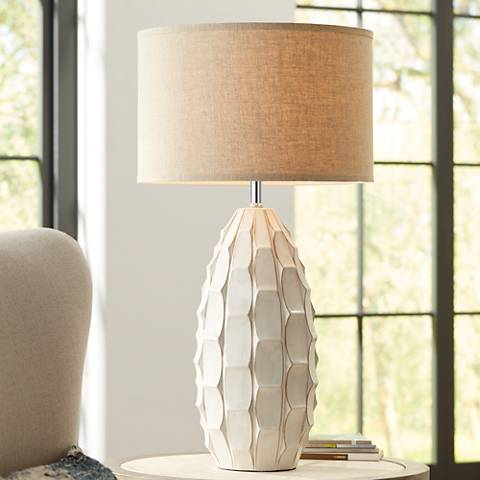
A single table lamp can transform an entire room’s ambiance, casting soft, inviting light that creates both focal points and atmosphere. Think about how your favorite café uses lighting to set a mood; your home can achieve the same effect. It’s not merely about illumination, but about shaping the aesthetic tone.
The art of decorating with table lamps has historical roots in the early 20th century when designers first began to use them as statement pieces rather than purely functional items. Today, over 70% of interior designers consider table lamps an essential element in their decor toolkit. Choosing the right lamp involves balancing style, proportion, and the intended mood of the space, ensuring both harmony and visual interest.
- Identify your style to ensure the lamp complements your decor.
- Choose the right size and shape for balance and functionality.
- Place lamps strategically to enhance room lighting and ambiance.
- Maintain lamps by dusting regularly and changing bulbs as needed.
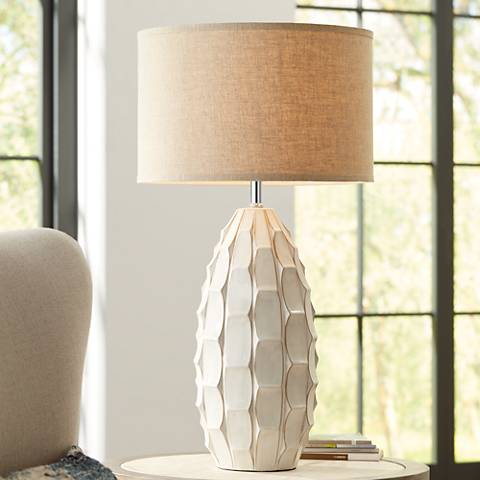
How to Decorate With Table Lamps
Decorating with table lamps can truly enhance the aesthetic appeal of your space. First, identify your style—whether it’s modern, vintage, or eclectic—to make sure the lamp complements the room’s decor. A well-chosen lamp not only serves its practical purpose but also acts as an art piece. You might consider matching the lamp’s color with the room’s existing color palette. This creates harmony and continuity in your decor.
The size and shape of your table lamp are crucial. A large lamp might overpower a small table, whereas a too-small lamp may get lost on a larger surface. Measure your space to find the best fit. When it comes to the lamp’s height, a good rule of thumb is that the bottom of the shade should be at eye level when you are seated. This ensures optimal lighting for reading or other tasks without causing glare.
Balance is key to effective lamp placement. Ensure the light from your table lamp complements the room’s overall lighting scheme. You don’t want any spot to be too bright or too dark. Use a mix of lighting sources like floor lamps, ceiling lights, and table lamps to achieve this balance. This layering of light creates a cozy and welcoming environment.
When arranging your table lamp, think about the surrounding furniture and decor. The lamp should not only illuminate but also highlight key features of the room. Place table lamps on side tables in the living room or nightstands in the bedroom for functional yet stylish decor. Maintaining your lamp is also essential; dust it regularly and change bulbs as needed to keep it looking its best. Make sure you choose bulbs that match the lamp’s design and the room’s ambiance.
Step 1: Identifying Your Style
Identifying your style is the first step in decorating with table lamps. Think about the overall theme of your room. Is it modern, traditional, or perhaps rustic? Once you know the style, it’s easier to pick a lamp that complements it. This ensures a cohesive look throughout your space.
Your personal taste plays a significant role in this process. Do you prefer sleek and minimal designs, or are you drawn to ornate and decorative pieces? Knowing what you like will guide your choices. Browse catalogs and online stores to get a feel for different styles. You might even create a mood board to visualize how various elements come together.
It’s also helpful to consider the function of the room. A study may require a more focused, task-oriented lamp, while a living room might benefit from softer, ambient lighting. Each room has its own needs. Understanding this can help you make the best selection. For example, if you do a lot of reading, a lamp with adjustable brightness would be ideal.
Finally, pay attention to color schemes. The colors and materials of your table lamp should complement the existing decor.
- A metal lamp base might suit an industrial-style room.
- Wooden bases fit well in rustic or bohemian spaces.
- Glass or ceramic lamps can add elegance to traditional interiors.
Considering these factors will help you identify the perfect style for your table lamp.
Step 2: Choosing the Right Size and Shape
Choosing the right size and shape for a table lamp is essential to achieving a balanced look. The lamp should fit the table it’s placed on. If the lamp is too large, it can overwhelm the space. Conversely, a lamp that’s too small might not provide enough light. Measure the table’s dimensions to make an informed choice.
Consider the height of the lamp as well. Ideally, the bottom of the lampshade should be at eye level when you’re seated. This helps to avoid glare and provides the best light for reading or other activities. Also, think about the shape of the lampshade. A wider shade can spread light more effectively, while a narrower one focuses light.
Matching the lamp’s shape to the table is also important. For example, a round lamp base works well with a round table. A rectangular or square base might be a better fit for rectangular tables. These combinations help in creating visual harmony and balance. The aim is to make the lamp look like a natural part of the room.
Lastly, think about how the lamp’s size and shape fit into the room’s overall layout.
- For open spaces, larger lamps can make a bold statement.
- In smaller rooms, more compact lamps are preferable.
- Consider multiple lamps for larger areas to maintain even lighting.
Paying attention to these details will ensure your lamp not only looks good but also functions well.
Step 3: Balancing the Table Lamp with the Rest of the Room
Balancing a table lamp with the rest of the room is crucial for creating a harmonious space. The most effective way to do this is by considering the lamp as part of the overall design. It should complement other elements in the room. This ensures a cohesive look. When placed correctly, a table lamp can serve as a focal point or blend seamlessly with the decor.
Think about the color scheme of your room when choosing a table lamp. The lamp’s base and shade should either complement or contrast with the existing colors. For example, a brightly colored lamp can add a pop of color to a neutral room. Alternatively, a neutral lamp can provide balance in a more colorful setting. This helps maintain visual interest.
Consider the room’s furniture arrangement. The lamp should be positioned where it can provide the most benefit. For instance, a table lamp next to a reading chair ensures adequate lighting for reading. Placing a lamp on a side table can create a cozy nook. The goal is to enhance both functionality and aesthetics.
Lighting balance is also essential. No single lamp should overshadow the other sources of light. You can use multiple lighting sources to achieve a well-lit space. This includes overhead lights, floor lamps, and other table lamps. Layering light sources contributes to a warm and inviting atmosphere.
Finally, think about the lamp’s proportion relative to other items in the room. A large lamp next to small decor items might look awkward. On the other hand, a small lamp on a big table can seem lost. Strive for a balanced look by pairing items of similar visual weight. This creates harmony and a pleasing aesthetic.
Step 4: Arranging the Table Lamp in the Room
Arranging a table lamp in your room requires thoughtful consideration. The lamp should not just light up a spot but also contribute to the room’s ambiance. Placing it on a side table next to a sofa can create a reading nook. Alternatively, you might place it on a nightstand for bedside illumination. Experiment to see what placement works best for your needs.
The height of the table lamp relative to seating is important. When sitting, you don’t want to see the bulb directly. The bottom of the shade should be around eye level. This ensures the light is functional without being harsh. Aim for a balance between utility and comfort.
Use table lamps to accentuate key areas in the room. For instance, a lamp on a console table can highlight decorative items or artwork. In a dining room, a lamp can add soft light that creates a cozy atmosphere. Consider the room’s focal points when arranging your lamp. It can help draw attention to areas you want to highlight.
Having more than one table lamp can improve the room’s lighting quality. Place them strategically around the room for even illumination.
- One lamp near the seating area.
- Another on a console table.
- Or one on each side of the bed.
This approach ensures there are no dark corners and the light is well-distributed.
Finally, remember the cords and outlets. A beautifully placed lamp can lose its charm if the cord is visible and messy. Use cord management solutions to keep things tidy. Ensure the lamp is close enough to an outlet to avoid stretching cords across the floor. A well-placed lamp should blend seamlessly into the room’s design.
Step 5: Maintaining the Lamp and Changing Bulbs
Keeping your table lamp in good condition ensures it remains a beautiful and functional part of your decor. Dust the base and the shade regularly to keep them looking fresh. Use a microfiber cloth to avoid scratching surfaces. If the fabric shade gets dirty, spot clean it gently. For glass or metal parts, a mild cleaner works best.
Changing the bulb might seem straightforward, but there are important steps to follow. Always unplug the lamp before you start. Let the old bulb cool down completely before removing it. This prevents burns and makes the process safer. Once the bulb is cool, unscrew it carefully.
When choosing a new bulb, consider the wattage and type that’s recommended for your lamp. Using a bulb with too high wattage can damage the lamp and create a fire hazard. Energy-efficient bulbs like LEDs are a good choice. They last longer and consume less power, making them both eco-friendly and cost-effective.
Install the new bulb by screwing it in gently. Avoid forcing it, as this can break the bulb or damage the socket. Once the bulb is securely in place, plug the lamp back in and test it. Make sure the light is working correctly and that there are no flickering issues. Proper maintenance keeps your lamp shining bright for years to come.
Minor repairs and adjustments might also be necessary over time.
- Tighten loose screws on the base or joints.
- Check the cord for any wear and tear.
- Replace the shade if it becomes frayed or discolored.
These small actions can extend the life of your table lamp and keep it looking its best.
The Role of Table Lamps in Lighting Design
Table lamps play a pivotal role in lighting design by offering both functional and aesthetic benefits. They can direct light precisely where it is needed, such as onto a reading area or workspace. This targeted lighting makes tasks easier and reduces eye strain. Additionally, table lamps add layers of light to the room. Layered lighting creates depth and dimension.
In terms of aesthetics, table lamps serve as decorative elements that enhance the room’s style. Whether it’s a sleek modern lamp or a vintage ornament, each piece contributes to the overall decor. The choice of lamp base material—be it ceramic, metal, or glass—adds texture and interest. A well-chosen lamp can be an art piece in itself. It’s not just about illumination but also about enhancing visual appeal.
Table lamps also have the flexibility to fit into various parts of the home. They are versatile enough for living rooms, bedrooms, or home offices. In a living room, they might be used on side tables next to sofas for ambiance. In bedrooms, they provide soft reading light before bed. This adaptability makes them invaluable in interior design.
Furthermore, table lamps help balance the natural and artificial light sources in a room. On sunny days, they can remain off while still contributing to the room’s look through their design presence. At night or during darker days, they complement other lighting fixtures like ceiling lights or floor lamps. Properly balancing these lights ensures comfort and functionality at all times.
Lastly, table lamps are perfect for highlighting specific areas or objects within a space.
- A lamp on an entryway table can illuminate keys and mail.
- A desk lamp focuses light on workspaces without disturbing others in the room.
- An accent lamp can spotlight artwork or photographs.
These strategic uses make table lamps essential components of effective lighting design.
Types of Table Lamps for Different Decor Styles
Table lamps come in various styles to fit different decor themes. For modern and minimalist spaces, consider lamps with clean lines and simple shapes. These lamps often feature neutral colors like black, white, or gray. They might also include materials like metal or glass. Their sleek design complements contemporary interiors.
In contrast, traditional decor benefits from more ornate lamps. Think of lamps with detailed bases, perhaps made of brass or ceramic. Shades might be embellished with patterns or fringes. These lamps bring a sense of elegance and classic charm. They are perfect for rooms with vintage or antique furniture.
For a rustic or farmhouse style, lamps made from natural materials work well. Wooden bases or lamps made from reclaimed materials add a cozy, earthy vibe. Shades in neutral tones like beige or brown enhance this look. These lamps create a warm and inviting atmosphere. They’re ideal for spaces that aim to feel like a countryside retreat.
Eclectic and bohemian styles allow for more creativity and variety. Lamps in this category can be vibrant and colorful. Think of lamps with mosaic bases or intricate patterns.
- Lamps with fabric shades featuring bold prints.
- Unique designs, like animal shapes or unconventional forms.
- Handcrafted pieces that add a personal touch.
These lamps are perfect for adding a touch of whimsy and individual expression to your decor.
Industrial decor styles prefer lamps with a raw, unfinished look. Metal bases, often distressed, paired with Edison bulbs are common. These lamps have a utilitarian feel but also serve as stylish decor elements. They fit well in lofts or spaces with exposed brick and pipes. Their rugged design adds character and an edgy vibe.
The Impact of Light Temperature in Lamp Decoration
Light temperature significantly influences the mood and functionality of a room. It’s measured in Kelvins (K), and different temperatures produce varying effects. Warm light, around 2700K to 3000K, emits a cozy and inviting glow. This makes it perfect for living rooms and bedrooms. It creates an atmosphere that’s relaxing and comfortable.
Cool light, ranging from 3500K to 4100K, is more neutral and works well in kitchens and bathrooms. It offers a bright and clean look. This type of light is ideal for tasks requiring clarity and focus. It’s also commonly used in offices for its ability to reduce eye strain. Neutral light helps enhance productivity and alertness.
Daylight bulbs, with temperatures over 5000K, mimic natural sunlight. These are suitable for reading lamps or work areas that need high visibility. The bright, white light can boost concentration and energy levels. However, it’s less suitable for cozy spaces. Too much daylight brightness can make a room feel cold and unwelcoming.
Using different light temperatures strategically can transform your home.
- Warm light in relaxation areas like living rooms and bedrooms.
- Neutral light in functional spaces such as kitchens and bathrooms.
- Daylight bulbs in work and study areas.
This helps create the right ambiance for each room. The right light temperature also enhances the colors and textures of your decor.
Finally, mixing light temperatures in the same room can sometimes be beneficial. It can create a dynamic and layered lighting effect. For example, using warm light for general illumination and cooler light for task areas. This approach can make spaces more versatile. Balancing different light temperatures ensures all activities are well-lit and visually pleasing.
Top Trends in Table Lamp Decoration
One of the top trends in table lamp decoration is the use of sustainable materials. Lamps made from recycled or natural materials like wood, bamboo, and metal are gaining popularity. These eco-friendly options not only look great but also reduce environmental impact. They bring a rustic, earthy vibe to any room. This trend aligns with the growing awareness of sustainability in home decor.
Another trendy feature is the integration of smart technology. Smart table lamps that can be controlled via apps or voice commands are becoming more common. They offer features like adjustable brightness, color changes, and timers. This convenience adds a modern twist to traditional lighting. It’s especially popular among tech-savvy homeowners.
The retro and vintage style is also making a strong comeback. Think of lamps with antique brass finishes or mid-century modern designs. These pieces add a nostalgic touch to contemporary interiors. They often feature unique shapes and colors that stand out. Vintage lamps can be a statement piece in any room, blending the old with the new.
Geometric shapes and patterns are another hot trend. Lamps with geometric bases or shades bring a modern, artistic element to decor. They can serve as focal points or complement other pieces with similar designs. Common shapes include triangles, hexagons, and abstract forms. Geometric lamps are versatile and can fit into various decor styles.
Lastly, the trend of maximalism is also influencing table lamp decoration.
- Lamps with bold colors and intricate designs.
- Adding multiple lamps in one room for a layered effect.
- Mixing and matching different styles and materials.
This approach creates a rich and dynamic look. Maximalist lamps break the norm and bring personality to your space.

Frequently Asked Questions
Here are some common questions experts have about using table lamps effectively in decorating their spaces.
1. What types of bulbs are best for table lamps?
The type of bulb you choose greatly affects the lamp’s functionality and ambiance. LED bulbs are energy-efficient and long-lasting, making them a popular choice. These bulbs also come in various color temperatures, from warm to cool light, allowing you to tailor the lighting to your room’s needs.
Incandescent bulbs offer a warm, inviting glow but consume more energy. They’re suitable for creating a cozy atmosphere in living rooms or bedrooms. Compact fluorescent lamps (CFLs) are another option, providing bright light and moderate energy savings compared to LEDs. Choosing the right bulb depends on your lighting goals and energy preferences.
2. How can I match my table lamp with existing furniture?
Matching your table lamp with existing furniture enhances the room’s aesthetic appeal. Start by considering the style and color palette of your furniture. A contemporary lamp with sleek lines complements modern furniture well, while an ornate lamp might fit better with classic or vintage pieces.
The material of the lamp base is another important factor. For example, metal bases work well with industrial-themed rooms, whereas ceramic or glass bases add elegance to traditional settings. Aim for harmony by selecting lamps that either blend seamlessly with or create a tasteful contrast against your current decor.
3. Are there specific placement rules for table lamps?
The placement of table lamps can significantly impact both function and design. Generally, the bottom of the lampshade should be at eye level when you’re seated next to it. This height minimizes glare and provides adequate reading light without straining your eyes.
Lamps should also be placed where they’ll be most useful—for example, on nightstands in bedrooms or side tables beside seating areas in living rooms. Ensure that the power source is conveniently located to avoid unsightly cords running across floors or other obstacles that might cause tripping hazards.
4. Can I use multiple table lamps in one room?
Using multiple table lamps can enhance both function and aesthetics in a room. Strategically placing several lamps helps distribute light evenly across the space, reducing shadows and dark corners. This is particularly beneficial in larger rooms that need comprehensive illumination.
You can create layers of lighting by combining different types of fixtures like floor lamps and ceiling lights along with table lamps. This approach not only serves practical purposes but also adds depth and dimension to your decor, creating a cozy yet well-lit atmosphere perfect for various activities like reading or social gatherings.
5. How do I ensure my table lamp doesn’t overpower other decor elements?
A balanced approach ensures your table lamp complements rather than overpowers other decor elements. Begin by choosing a lamp that aligns proportionately with surrounding furniture—neither too big nor too small compared to its context within the room.
Selecting neutral colors or materials that sync well with existing hues will help maintain visual balance as well. If you prefer bolder choices, make sure they act as focal points without overwhelming smaller decorative items nearby; this can be achieved through mindful arrangement and complementary accessory selections around each piece.
Conclusion
Decorating with table lamps is both an art and a science. By carefully selecting styles, sizes, and placements, you can transform any room into a well-lit, inviting space. Don’t underestimate the power of proper light temperature and bulb choice in setting the right mood.
Multiple lamps can further enhance both functionality and aesthetics, creating layers of light and visual interest. Remember, balance is key to ensuring your lamp complements rather than overwhelms your decor. Thoughtful maintenance will keep your table lamps shining bright for years to come.

I’m Emily Johnson, an affiliate marketer and blogger focused on lamps and lighting. I share honest reviews, simple buying guides, and practical tips. My goal is to help readers choose the right lamp for their space, style, and budget with confidence.