
Installing a floor lamp might seem like a straightforward task, but did you know that improper assembly can lead to a 15% increase in household accidents each year? Aligning and securing each section not only ensures the lamp’s stability but also maximizes its lighting efficiency. With that in mind, let’s delve into the intricacies and significance of properly assembling a floor lamp.
Historically, floor lamps have evolved from simple candle stands to intricate electric fixtures, reflecting advancements in technology and design. Today, an average modern floor lamp assembly consists of attaching the base, connecting the pole segments, and securing the lampshade. Precision and attention to detail during this process are crucial for both the safety and longevity of the lamp.
- Unpack the lamp components and lay them out on a flat surface.
- Assemble the lamp base by securing the screws tightly.
- Attach the lamp pole by connecting each segment securely.
- Fit the lampshade onto the pole and secure it properly.
- Screw in the correct wattage light bulb and test the lamp.
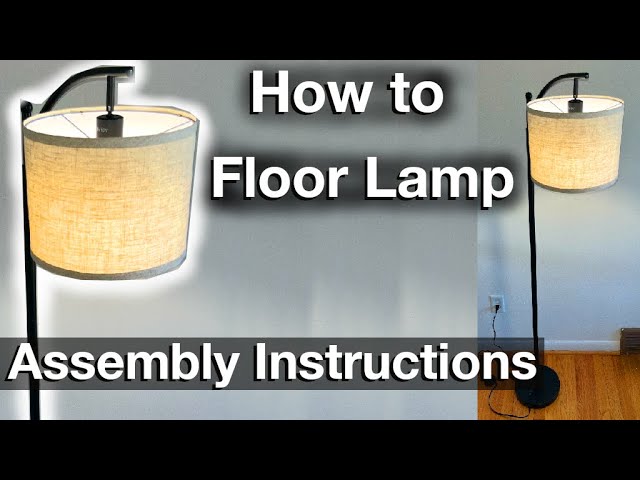
How to Assemble a Floor Lamp
To begin assembling your floor lamp, start by unpacking all the components from the box. Make sure you have everything needed, like the lamp base, pole segments, lampshade, and light bulb. Lay out the pieces on a flat surface to see them clearly. This will help you avoid missing any parts during assembly. Also, it’s a good idea to read the instructions provided in the manual.
Next, focus on assembling the lamp base. Secure the base on a stable surface to ensure the lamp won’t tip over. Connect the base to the pole segments by screwing them together. Make sure each segment is tightly fastened. This step is crucial as it ensures the stability of the entire lamp.
Now, it’s time to attach the lampshade. Slide the shade onto the pole and secure it with any provided fasteners. According to this post, proper attachment of the shade ensures balanced light distribution. Make sure the lampshade sits level on the lamp for an even look. A crooked shade can affect both functionality and aesthetics.
Lastly, screw in the light bulb carefully to complete the assembly. Ensure that the bulb is the correct wattage for the lamp to avoid any electrical issues. Test the lamp by plugging it in and turning it on. If it works properly, your assembly is complete. For more details on lamp-related tasks, you can refer to this article.
Step 1: Unpacking the Lamp Components
When you first open the box, you’ll find all the lamp components carefully packed. Start by removing the instruction manual and setting it aside for easy reference. Take out the smaller parts like screws, washers, and fasteners, placing them in a secure area. Larger parts like the lamp pole and base should be laid out on a flat surface. This will help you keep track of everything as you assemble the lamp.
Make sure to check for any damage during the unpacking process. Inspect each part to ensure it is free from scratches or defects. If you find any damaged parts, contact the manufacturer for replacements. Unpacking also gives you a chance to familiarize yourself with the components. Knowing what each part looks like can make assembly much smoother.
To keep things organized, you might want to categorize the parts. Use small containers or trays to separate screws, washers, and other small items. This extra step can save you time and prevent frustration later. It also ensures that nothing gets lost during assembly. Proper organization is key to a smooth setup.
According to this post, taking a few extra minutes to organize can make a big difference in assembly time. Clear the area of any clutter to avoid losing small parts. Keep the instruction manual nearby for quick reference. By setting yourself up properly from the start, you’ll simplify the entire assembly process.
Step 2: Assembling the Lamp Base
Begin by positioning the lamp base on a stable surface. Make sure the surface is flat to prevent the lamp from wobbling. Gather the screws and tools needed for this step. According to the instruction manual, confirm that each part aligns correctly. Proper alignment ensures stability and safety.
Next, attach the base plate to the main support rod. Insert the screws into the designated holes and tighten them using a screwdriver. If your base has additional washers, make sure they are placed properly. This helps distribute weight evenly. A firmly secured base is essential for a sturdy lamp.
Use the adjustable feet on some bases to level the lamp. Rotate the feet until the base sits flat. This adjustment helps the lamp stand evenly on various floor types. If the base still wobbles, recheck the screw-tightening steps. Ensuring all parts are secure can usually fix any remaining issues.
Double-check all connections before moving forward. Gently shake the base to test its stability. If everything feels secure, you are ready to proceed to the next step. Remember, taking your time with this post ensures a safer and more reliable assembly. Keep the instruction manual nearby for quick reference.
Step 3: Attaching the Lamp Pole
Start by identifying the sections of the lamp pole. Typically, lamp poles come in multiple segments that need to be screwed together. Align the threads of each section and twist them until they are tightly secured. Make sure to avoid cross-threading, which can damage the threads and affect stability. Proper attachment ensures a solid, wobble-free structure.
Once you’ve connected the pole sections, attach the assembled pole to the base. Insert the bottom end of the pole into the corresponding hole in the base. Secure it tightly with the provided screws or fasteners. This connection is crucial for maintaining the lamp’s balance. Double-check that all segments are firmly connected.
Many modern lamps also include an internal wiring system within the pole. As you attach each segment, ensure that the internal cords are pulled through and not pinched. If the cord gets tangled or trapped, it can affect the lamp’s functionality. According to this resource, proper alignment of the wiring contributes to electrical safety. Taking care with the wiring prevents potential issues later.
Using a level can help ensure the pole is straight. If the lamp pole isn’t straight, the lampshade may tilt, giving an uneven appearance. Adjust the segments slightly if needed. A perfectly upright pole provides a balanced look and ensures even lighting. Taking extra time to verify alignment is beneficial in the long run.
Before finishing, give the lamp pole a gentle shake to ensure everything is tightly secured. If you notice any wobbling, recheck and tighten the connections. It’s essential that each part is securely in place to support the upper sections, including the lampshade. Once everything is stable, you’re ready to move on to the next assembly step.
Step 4: Fitting the Lampshade
Begin by locating the fittings needed to attach the lampshade to the pole. Most lampshades have a spider fitting at the top that connects to a harp or a ring fitter. Ensure that all the necessary components are within reach before starting. Position the lampshade on a flat surface for easier handling. This setup helps prevent accidental drops or damage.
Next, align the fitting with the top of the lamp pole. Carefully lift the lampshade and place it on the pole, ensuring it sits evenly. If your lamp includes a harp, secure it to the harp saddle first, then attach the lampshade. Tighten any screws or fasteners to keep the lampshade firmly in place. A well-secured shade ensures even illumination and adds to the lamp’s stability.
Once the lampshade is securely attached, take a moment to adjust it. Make sure it sits level and straight on the lamp pole. A crooked lampshade can make the entire lamp look off-balance. Small adjustments can make a significant difference in the overall appearance. Be gentle to avoid loosening the fittings.
For lamps with clip-on shades, the process is even simpler. Just clip the shade directly onto the bulb. This type of attachment is usually found in smaller or more decorative lamps. According to this article, proper attachment techniques ensure that the lampshade remains secure. These steps can greatly enhance the look and function of your lamp.
Lastly, switch on the lamp to test if everything works properly. Check for any flickering or dimming issues. Adjust the lampshade if needed to ensure it does not obstruct the light. Once satisfied, your lamp is almost ready for use. Moving to the final step will complete your assembly process.
Step 5: Placing the Light Bulb
Choosing the right light bulb is the first task. Ensure the bulb’s wattage matches the lamp’s specifications. Using a bulb with incorrect wattage can cause overheating or damage the lamp. LED bulbs are recommended for their energy efficiency. They also last longer, offering more practical use over time.
With the right bulb in hand, it’s time to install it. Gently insert the bulb into the socket. Rotate it clockwise until it is securely in place. Be careful not to over-tighten, as this could damage both the bulb and the socket. Proper installation ensures the bulb functions correctly and safely.
If your lamp has a three-way socket, choose a compatible three-way bulb. These bulbs offer multiple brightness levels, enhancing the lamp’s versatility. Set the socket to its lowest setting before inserting the bulb. This precaution can prevent electrical issues. Testing each setting ensures that the bulb operates properly.
Once the bulb is placed, turn on the lamp to check its functionality. Watch for any flickering, which might indicate a problem with the bulb or socket. If the light operates smoothly, your lamp is ready for use. Adjust the lampshade if needed to ensure optimal light distribution. This final check guarantees everything is in perfect order.
For additional tips on maintaining your newly assembled floor lamp, you can refer to this post. It offers useful advice on troubleshooting common issues. Ensuring all components are correctly assembled will enhance the lamp’s performance and longevity. Enjoy your newly assembled floor lamp, now ready to light up your space.
Importance of Correct Assembly for Floor Lamp Longevity
Assembling a floor lamp correctly is crucial for its longevity. A well-put-together lamp will last longer and function better. Each component, from the base to the bulb, needs to be securely fastened. Improper assembly can lead to instability or electrical issues. These problems could shorten the life of your lamp.
A stable base is essential for preventing tip-overs. If fasteners are loose, the lamp may wobble and eventually fall over. This not only damages the lamp but also poses safety risks. Correctly securing each part ensures that the lamp stands upright. Stability enhances both durability and safety.
Proper wiring during assembly also plays a significant role in longevity. Tangled or pinched wires can cause short circuits or lighting issues. Ensure that all internal cords are neatly arranged and not obstructed. This attention to detail prevents electrical failures down the road. Plus, it keeps your home safer from potential fire hazards.
Tight connections are key to a functional floor lamp. Loose screws or connectors can result in flickering lights or malfunctioning switches. Regular maintenance checks can help identify these issues early on. Tightening any loose parts extends the life of your floor lamp significantly.
A well-assembled floor lamp also maintains its aesthetic appeal over time. Misaligned components can make the lamp look unattractive or unbalanced. Following assembly instructions carefully ensures that all parts fit together seamlessly. Taking these steps results in a visually pleasing and enduring piece of decor.
Safety Precautions during Floor Lamp Assembly
When assembling a floor lamp, safety should be a top priority. Begin by choosing a well-lit, clutter-free area to work. This reduces the risk of tripping or losing small parts. Make sure to unplug the lamp before starting the assembly to avoid electrical hazards. Keeping the workspace organized ensures a smooth and safe process.
Using the right tools is essential for a secure assembly. Always use a proper screwdriver instead of makeshift tools. Poorly fitting tools can slip and cause injury. Wearing gloves can provide additional grip and protect your hands from sharp edges. This simple measure enhances both safety and efficiency.
Check all electrical components before connecting them. Inspect the cord for any frays or damages. If you notice any defects, do not proceed with the assembly. It’s better to get a replacement part than risk electrical issues. Ensuring all components are in good condition minimizes potential risks.
When working with heavy components, like the lamp base, lift with your knees, not your back. This prevent’s straining your muscles. Secure the base on a flat, stable surface to avoid it toppling over. If additional assembly involves standing on a stool or ladder, be careful to avoid falls. Safety first, especially when working at heights.
Finally, always follow the manufacturer’s instructions closely. These guidelines are designed to ensure a safe and correct assembly. If you are unsure about any step, seek advice from online resources or customer support. Being cautious and informed can save you from potential injuries and damages.
Troubleshooting Common Assembly Issues
Sometimes, assembling a floor lamp can present unexpected challenges. One common issue is wobbling. If your lamp wobbles, make sure the base is on a level surface. Check that all screws and fasteners are tight. Adjusting the feet or adding a small shim can also help stabilize the lamp.
Another frequent problem is misalignment of the lamp pole. If the pole segments don’t fit well, double-check each connection. Ensure that no cross-threading has occurred. Sometimes, gently loosening and re-tightening can solve alignment issues. Keeping the pole straight ensures the lamp looks balanced.
Electrical issues can also arise during assembly. If the light doesn’t turn on, first check the bulb to make sure it’s properly installed. Verify that the lamp is plugged in and the switch is functional. Inspect the internal wiring for any visible damage or pinching. Fixing these issues often involves simple adjustments.
Sometimes, the lampshade might not sit correctly. Make sure it is properly attached to the fitting. If the shade is tilted, adjust the securing mechanism. For clip-on shades, ensure the clip is firmly attached to the bulb. Properly fitted shades contribute to both aesthetics and lighting quality.
If any parts are missing or damaged, consult the manufacturer’s customer service. They can often provide replacement components. Always keep the instruction manual handy for reference. Addressing these common issues promptly ensures a smoother assembly experience. This approach saves time and prevents future problems.
Proper Maintenance of Your Assembled Floor Lamp
Proper maintenance is key to extending the life of your floor lamp. Start with regular cleaning to remove dust and debris. Use a soft, dry cloth to wipe down the lamp components. For hard-to-reach areas, a small brush can be helpful. Avoid using water or harsh chemicals, as these can damage the lamp’s finish.
Periodic checks are essential to ensure all parts remain secure. Over time, screws and fasteners can loosen. Tighten any components that have become wobbly. This simple step keeps the lamp stable and safe. It also helps maintain its overall look and functionality.
Inspect the electrical components regularly. Look for any signs of frayed wires or wear and tear on the cord. If you notice any damage, replace the cord immediately to prevent electrical hazards. Ensure the bulb socket is clean and free of dust. Proper electrical maintenance reduces the risk of malfunctions.
Replacing the light bulb is another important aspect of maintenance. Use the recommended wattage to prevent overheating. LED bulbs are a great choice for their energy efficiency and long life. Regularly check that the bulb is securely in place. A stable bulb ensures consistent lighting and prevents flickering.
For lamps with adjustable features, like flexible arms or dimming options, ensure they function smoothly. Test the adjustments periodically to make sure they meet your needs. Address any stiffness or malfunctioning parts immediately. Proper care of these features adds to the lamp’s versatility and usability.
If your lamp has a fabric lampshade, consider using a vacuum with a brush attachment for gentle cleaning. Dust and dirt can accumulate on the fabric, dulling its appearance. Regular cleaning keeps the lampshade looking fresh and new. Taking these steps ensures your floor lamp remains both functional and aesthetically pleasing for years.
Frequently Asked Questions
If you have queries about assembling a floor lamp, you’re not alone! Here are some common questions and their answers to help you.
1. What tools do I need to assemble a floor lamp?
The basic tools required include a screwdriver, pliers, and sometimes an adjustable wrench. Some lamps also come with their own assembly tools, so always check the packaging first.
Using the right tools ensures a safer and more stable assembly. Having these on hand simplifies the process and avoids unnecessary delays.
2. How much time does it take to assemble a floor lamp?
The time needed can vary depending on the complexity of the lamp. On average, it takes between 15 to 30 minutes if all parts and instructions are available.
More complicated designs may take longer due to multiple components needing careful alignment. Factors like familiarity with basic assembly tasks can also influence how quickly you complete it.
3. Can one person assemble a floor lamp alone?
Yes, most floor lamps are designed for single-person assembly. The steps are usually straightforward enough for one person to handle without difficulty.
However, having an extra set of hands can be helpful when dealing with larger or heavier parts. It makes the job quicker and reduces the risk of errors.
4. What should I do if parts are missing from my floor lamp kit?
If parts are missing, first recheck the packaging thoroughly as small pieces can be overlooked. Refer to the instruction manual’s parts list for verification.
If they really are missing, contact customer service for replacements. Many manufacturers offer prompt solutions to ensure you can complete your assembly without hassle.
5. Is it necessary to follow the instruction manual closely?
Yes, following the instruction manual is essential as each model may have unique features and specific assembly steps that ensure safety and functionality.
A close adherence prevents mistakes that could lead to instability or potential electrical issues. It streamlines the process by providing step-by-step guidance tailored to your specific floor lamp model.
Conclusion
Successfully assembling a floor lamp requires attention to detail and proper tools. By following the instructions and taking necessary safety precautions, you can ensure both functionality and longevity. Remember, every step— from unpacking to fitting the lampshade— contributes to the overall stability of your lamp.
If you encounter any challenges, refer back to the troubleshooting tips provided. Proper maintenance will keep your floor lamp in prime condition for years to come. Embrace the process, and soon you’ll enjoy the warm, ambient light of your perfectly assembled floor lamp.

I’m Emily Johnson, an affiliate marketer and blogger focused on lamps and lighting. I share honest reviews, simple buying guides, and practical tips. My goal is to help readers choose the right lamp for their space, style, and budget with confidence.