Ever wondered how the right lampshade can elevate not just the light but the entire ambiance of a room? Choosing a lampshade for a floor lamp involves more nuance than one might initially consider. It’s an art that balances aesthetics, functionality, and the interplay of light and shadow.
Historically, the choice of lampshades was limited, but today’s market boasts an array of options in fabric, shape, and size. Notably, studies have shown that nearly 70% of interior designers consider the lampshade a crucial element in defining room ambiance. A key solution is to match the shade with the style of the room while ensuring it provides adequate light diffusion for the intended purpose.
- Measure the height and width of your floor lamp to determine the right size for the lampshade.
- Select a shape that complements both your lamp and room décor, such as drum, conical, or cylindrical.
- Choose a material that suits the room’s lighting needs—options include fabric, paper, metal, or glass.
- Pick a color or pattern that enhances your room’s aesthetic while promoting the desired light ambiance.
- Ensure the shade’s fitting matches your lamp’s hardware for proper attachment and stability.

How to Choose a Lampshade for a Floor Lamp
Finding the right lampshade for a floor lamp enhances both the look and function of a room. The first step is to understand the importance of the lampshade. A well-chosen shade can change the light’s quality and create mood. According to here is the article, even the placement of lamps can affect a room’s ambiance. It’s not just a decorative item; it’s functional too.
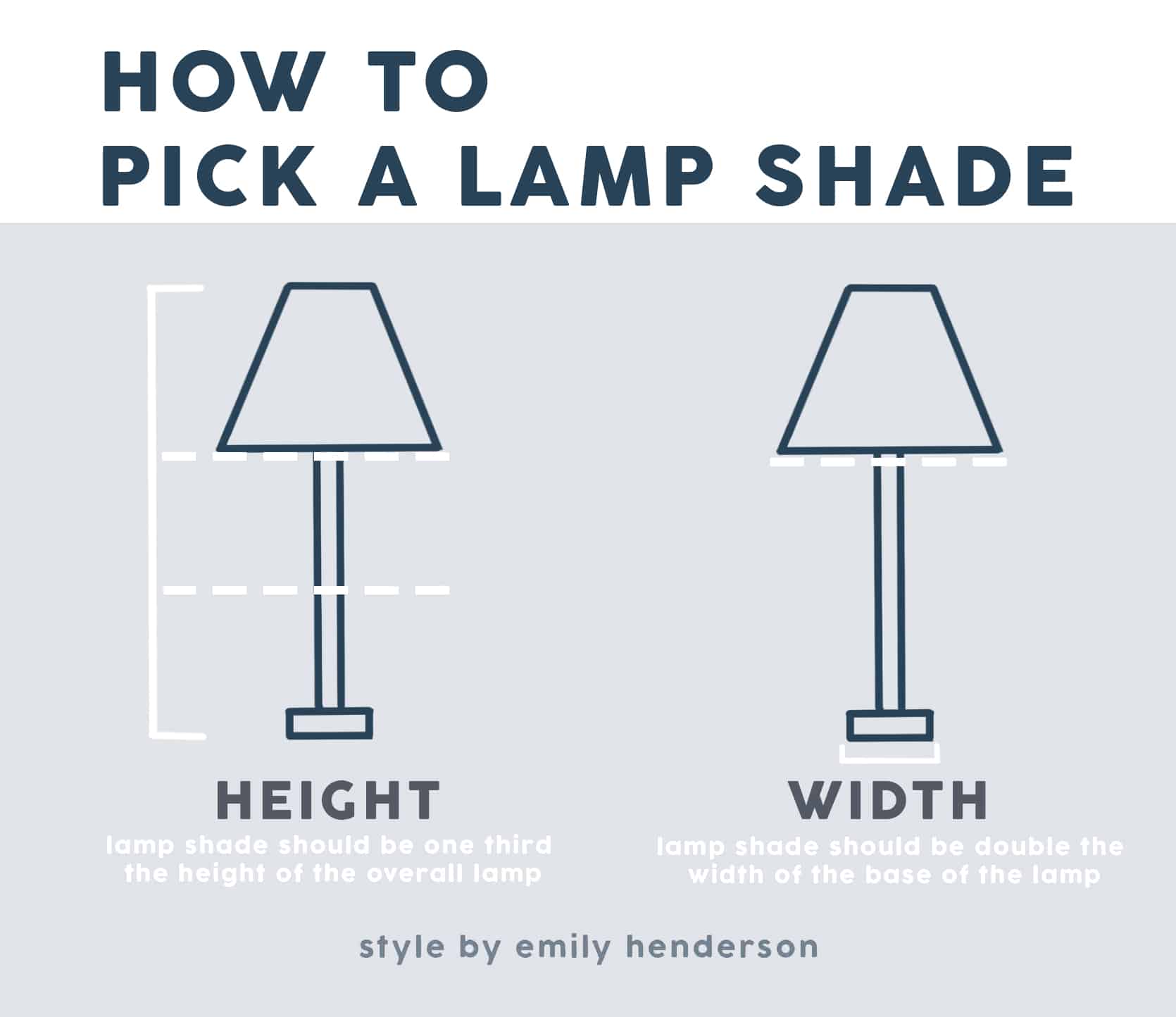
Next, determine the size that fits best with your lamp. A shade that’s too big may overshadow the lamp, while one too small can look odd. Generally, the height of the shade should be about 60-70% of the height of the lamp base. Be sure to measure your lamp before purchasing. Size matters more than you might think.
Another crucial factor is the style of the lampshade. Consider the overall décor of your room. A minimalist design might pair well with a sleek, modern shade. For a more traditional space, a fabric shade with intricate patterns can add character. Check out this post for more style tips.
Lastly, think about the lampshade’s color and material. The color affects how light diffuses throughout the room. Lighter colors usually allow more light to pass through, making them ideal for general lighting. Darker shades are better for creating a cozy, intimate atmosphere. Material also plays a role in light diffusion and durability.
Step 1: Understand the Importance of Lampshades
Lampshades play a vital role in both aesthetics and functionality of a floor lamp. They diffuse the light evenly, reducing glare and creating a more pleasant atmosphere. Without a proper shade, light can be too harsh and uncomfortable. According to this expert opinion, the right lampshade can dramatically change the mood of a room. Think about how your eyes feel when exposed to a bare bulb versus a shaded one.
The design of a lampshade can also enhance or complement your room’s décor. With various styles available, it’s easy to find something that fits your taste. Whether you prefer modern, vintage, or eclectic looks, there’s a shade for everyone. A stylish lampshade can even act as a centerpiece. It draws attention and admiration from guests.
In terms of functionality, lampshades help control the direction of light. Some shades direct light upwards, providing ambient lighting. Others focus light downwards, perfect for tasks like reading or sewing. There are even shades that balance light in both directions. This versatility makes them essential for any floor lamp.
Lastly, a good lampshade protects the bulb and extends its lifespan. It keeps the bulb shielded from dust and accidental impact. This might seem minor but contributes to long-term savings. Investing in a quality lampshade can reduce the frequency of bulb replacements. It’s a small step with meaningful benefits.
Step 2: Determine the Appropriate Lampshade Size
Choosing the right size for a lampsh shade is crucial for both visual balance and functionality. A shade that’s too large can overwhelm the lamp, while one too small may not cover the bulb properly. An easy rule to follow is that the height of the shade should be about two-thirds the height of the lamp base. This ensures proportionality and enhances the overall look. Additionally, the width should be roughly the same as the base’s widest part.
Measuring your lamp is a good starting point to find the appropriate shade size. Use a tape measure to determine the height and width of the lamp base. Keep these measurements handy when shopping for a new shade. Different lampshades can vary greatly in size, even if they look similar. Being prepared with your measurements makes the selection process smoother.
Another factor to consider is the shape of the shade. The combination of height and width will differ based on whether the shade is conical, cylindrical, or drum-shaped. For example, conical shades are wider at the bottom and narrower at the top. Cylindrical shades maintain the same diameter throughout. Drum shades are typically wider and more rounded.
- Conical: A classic shape, ideal for traditional décor.
- Cylindrical: Sleek and modern, suitable for contemporary settings.
- Drum: Versatile and elegant, fits various interior styles.
Don’t just focus on measurements; think about how the shade will look on the lamp and in the room. Visualize the lamp with different shade sizes to see what works best. Sometimes it’s helpful to take pictures and compare them. A well-sized lampshade can make all the difference in your décor.
Step 3: Select the Right Lampshade Style
Choosing the right lampshade style can significantly influence the vibe of your room. The first thing to consider is the existing décor. If your room has a modern look, opting for a sleek, minimalistic shade is your best bet. Alternatively, a vintage-inspired room calls for a more ornate, intricate shade design. Matching the lampshade style with your room can create a cohesive look.
There are many styles to choose from, making the decision process fun yet challenging. Popular styles include contemporary, traditional, rustic, and eclectic. Each style has unique features that can fit different tastes. Contemporary shades often feature clean lines and neutral colors. Traditional shades might boast more decorative patterns and richer tones.
- Contemporary: Sleek and modern, fits minimalist spaces.
- Traditional: Classic designs with rich patterns.
- Rustic: Natural materials for a cozy, earthy feel.
- Eclectic: Unique and bold, perfect for creative spaces.
Another aspect to consider is the fabric of the shade. Fabric influences how light is diffused and the overall ambiance. Silk and linen shades provide a softer, more diffused light. In contrast, shades made from metal or glass can offer a more directed light. The choice of fabric affects both the look and functionality of the lamp.
Color is another essential factor when selecting a lampshade style. Light colors like white or beige usually allow more light to pass through, brightening up the room. Darker colors such as black or navy create a more subdued, intimate setting. Think about what kind of mood you want to set in the room when choosing the color.
Patterned lampshades can add an extra layer of style and personality to your space. For instance, floral patterns can bring a touch of nature indoors. Geometric patterns are ideal for modern, structured interiors. Bold, colorful patterns can serve as conversation starters and focal points. Don’t be afraid to let your personality shine through your choice of lampshade.
The Role of Color in Lampshade Selection
Color plays a crucial role in how a lampshade affects a room’s ambiance. Lighter colors like white, cream, or light pastels allow more light to pass through, making the room feel bright and spacious. These shades are perfect for areas where you need lots of light, such as a home office or kitchen. Darker colors like navy, black, and deep reds create a more intimate and cozy atmosphere. Importantly, the color should complement the room’s overall color scheme.
Besides affecting light diffusion, color impacts the mood and tone of the room. Bright colors can energize and lift the space, while muted tones provide a calming effect. If your room has neutral walls, a brightly colored lampshade can add a pop of color and act as an accent piece. Conversely, in a room with bold colors, a neutral lampshade can balance the look. It’s all about what’s right for your space.
Different colors also evoke various emotions and atmospheres. For example, blue shades often promote a sense of tranquility and relaxation, making them ideal for bedrooms. Yellow shades bring warmth and cheerfulness, great for living spaces and kitchens. Let’s not forget red, which can add a sense of drama and passion, perfect for a study or dining area.
- Blue: Calming and serene, ideal for relaxation.
- Yellow: Warm and cheerful, perfect for social areas.
- Red: Dramatic and passionate, great for dining areas.
- Green: Refreshing and soothing, nice for bedrooms.
It’s also valuable to consider the material of the lampshade, as it interacts with the color to influence the light’s shade and intensity. A white linen shade will diffuse light differently than a white glass shade. The material adds another layer of complexity to your color choice. Different combinations of color and material can produce unique lighting effects that enhance your room’s atmosphere.
Lastly, think about how the color of the lampshade works with other elements in the room, such as furniture, curtains, and wall art. A harmonized color palette creates a cohesive, well-designed space. Sometimes, it might be useful to bring a fabric swatch or a small sample when shopping for a new shade. This will help ensure the color matches perfectly with your existing décor.
Matching Lampshade with Room Aesthetic
Selecting a lampshade that complements your room’s aesthetic is key to achieving a cohesive look. The lampshade should seamlessly blend with the overall theme of your space. For example, if your room has a rustic vibe, a lampshade made of natural materials like burlap or wood would fit perfectly. In contrast, a modern room might benefit from a sleek, metallic shade. The goal is to ensure that the lampshade does not clash with the other elements of the room.
Consider the furniture and color scheme in your room when picking a lampshade. A room with dark furniture can be lightened up with a lampshade in a lighter tone. On the other hand, if your room features bright, vibrant colors, a neutral lampshade can help balance the overall look. Harmony between the lampshade and the room’s aesthetic creates a more pleasing and engaging environment.
The style of the lampshade is also important for matching room aesthetics. Minimalist rooms benefit from simple, clean-lined shades. Traditional rooms may look best with lampshades featuring classic shapes and patterns. Eclectic or bohemian spaces can accommodate more adventurous designs, such as lampshades with bold colors or unique textures.
- Minimalist: Simple shapes and neutral colors.
- Traditional: Classic patterns and rich tones.
- Rustic: Natural materials and earthy hues.
- Eclectic: Bold designs and varied textures.
Sometimes, the lampshade serves as a focal point or statement piece in the room. In such cases, don’t be afraid to choose a shade with a striking design or vibrant color. This can draw attention and spark interest among guests. Just make sure that while it stands out, it still harmonizes with the overall décor.
A final tip is to look at complementary accessories in the room, such as throw pillows, curtains, and rugs. Matching or coordinating the lampshade with these elements can tie the room together. For instance, if your curtains have a subtle gold thread, a lampshade with a gold accent can create harmony. Little details like these make a significant difference.
Frequently Asked Questions
Here are some common questions about choosing lampshades for floor lamps. These answers will help guide you through the selection process and ensure you make an informed decision.
1. What factors should I consider when choosing material for a lampshade?
The material of your lampshade affects both light diffusion and room ambiance. Fabric shades like silk or linen soften the light and create a warm environment. Metal or glass shades, however, offer more direct lighting and can be great for task-oriented spaces.
Consider the durability of materials depending on where the lamp will be used. For high-traffic areas, sturdy materials like metal might be better. In contrast, delicate fabrics can work well in bedrooms or less-used rooms.
2. How do I match a lampshade with my room’s décor?
Matching a lampshade with your room’s décor requires considering color, style, and existing furnishings. A modern room may benefit from sleek, metallic shades while traditional rooms look better with fabric shades featuring classic patterns. Don’t forget to consider complementary colors that resonate with other elements in the room, like curtains or rugs.
Additionally, the size and shape of your lampshade should harmonize with furniture pieces nearby. A balanced look makes the whole space feel cohesive rather than jarring or out of place.
3. Can I use any type of bulb with any lampshade?
No, it’s important to check if your chosen bulb is compatible with the lampshade’s material and size. Certain materials like plastic may not withstand the heat from high-wattage bulbs and could melt or warp over time. Similarly, oversized bulbs might not fit well within smaller shades designed for specific types of bulbs.
A good practice is to consult both the lamp’s manual and guidelines for safe bulb usage within specific shade types. This ensures optimal performance without compromising on safety or aesthetic appeal.
4. Are there energy-efficient options to consider in lampshades?
Yes, opting for energy-efficient bulbs and pairing them with suitable shades can save electricity while providing quality lighting. LED bulbs are a popular choice as they last longer and consume less power compared to traditional incandescent bulbs.
An efficient shade aims to maximize light output while minimizing unwanted glare or harshness. Light-colored shades are generally more effective at diffusing light widely across a room compared to darker ones.
5. What role does shade shape play in light distribution?
The shape of your lampshade greatly influences how light is distributed throughout your space. Drum-shaped shades provide even distribution in all directions whereas cone-shaped ones focus lighting downwards typically suited for reading nooks.
Cylinder shapes can offer focused yet wider spreads perfecting balancing ambient illumination
and practical usability.in essence select shapes aligning functionalities intended applications foster overall harmonious design consistency.personal space decor projects .
Choosing the right lampshade for your floor lamp can transform both the light quality and the overall aesthetic of your room. By considering factors like size, material, style, and color, you ensure a harmonious balance between functionality and design. This thoughtful approach makes your space both beautiful and practical.
Whether you’re aiming for a modern, minimalist look or a cozy, traditional ambiance, the right lampshade plays a crucial role. Remember, a well-chosen shade enhances not just the lamp, but the entire room. Your attention to detail ensures a polished, cohesive interior.

I’m Emily Johnson, an affiliate marketer and blogger focused on lamps and lighting. I share honest reviews, simple buying guides, and practical tips. My goal is to help readers choose the right lamp for their space, style, and budget with confidence.