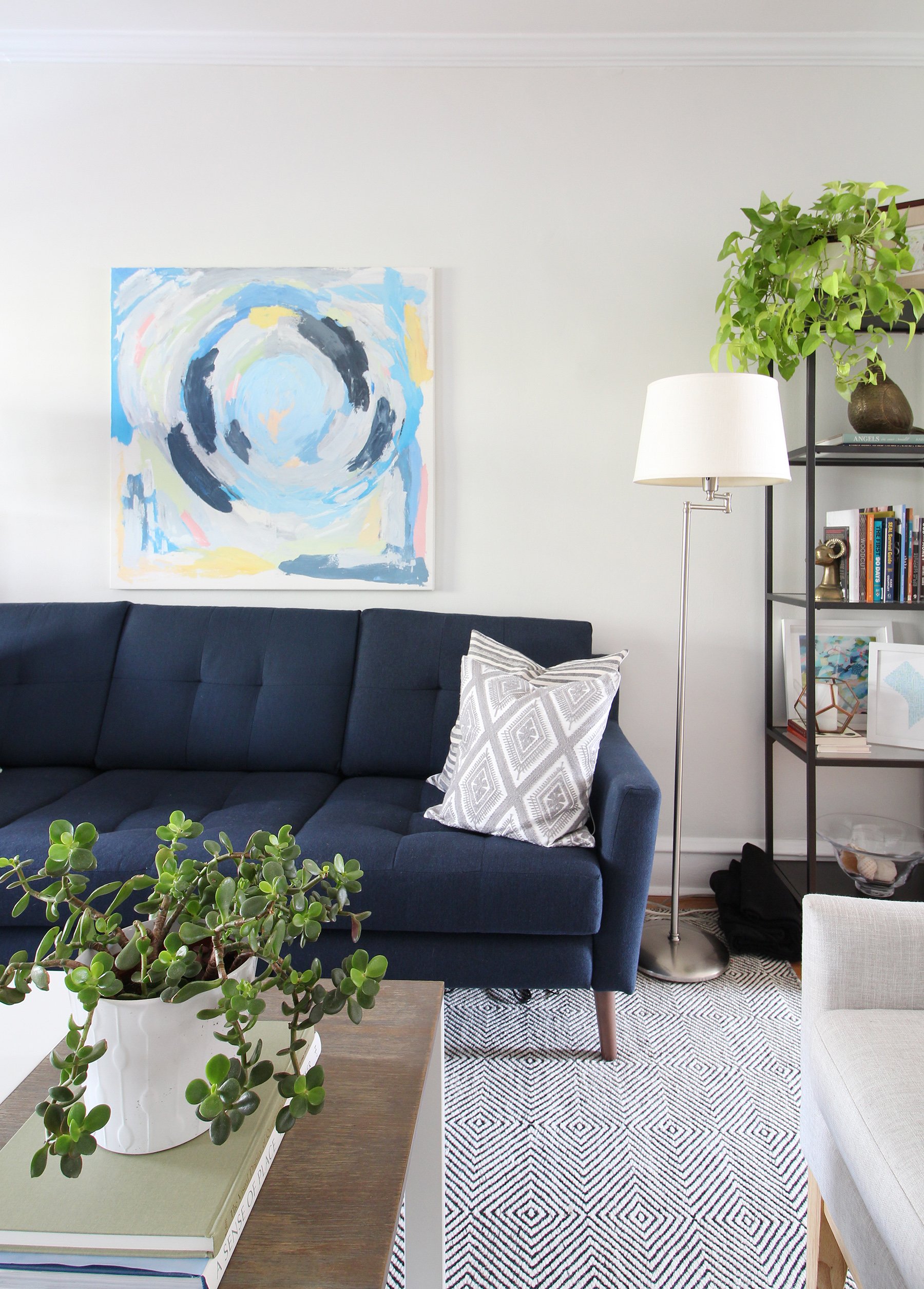
Walking into a room where illumination is perfectly orchestrated can feel like experiencing a well-composed symphony. The right floor lamp can transform an ordinary living room into an extraordinary space, balancing form and function in ways that few other décor elements can achieve. So, how do you select the perfect one for your living room?
The battle between style and functionality has a long-standing history in design, yet a well-chosen floor lamp can effortlessly harmonize both. Experts often emphasize the importance of considering the lamp’s height and brightness; a staggering 57% of interior designers suggest that adjustable lighting is vital. Additionally, matching the lamp’s design to the room’s aesthetic can create a cohesive and inviting atmosphere.
- Determine the lamp’s purpose, such as ambient lighting or task lighting.
- Consider the size and location based on room layout and furniture height.
- Select a style that complements your existing décor.
- Choose the right bulb type and brightness for optimal lighting.
- Ensure the lamp is safe and easy to use with sturdy bases and convenient controls.
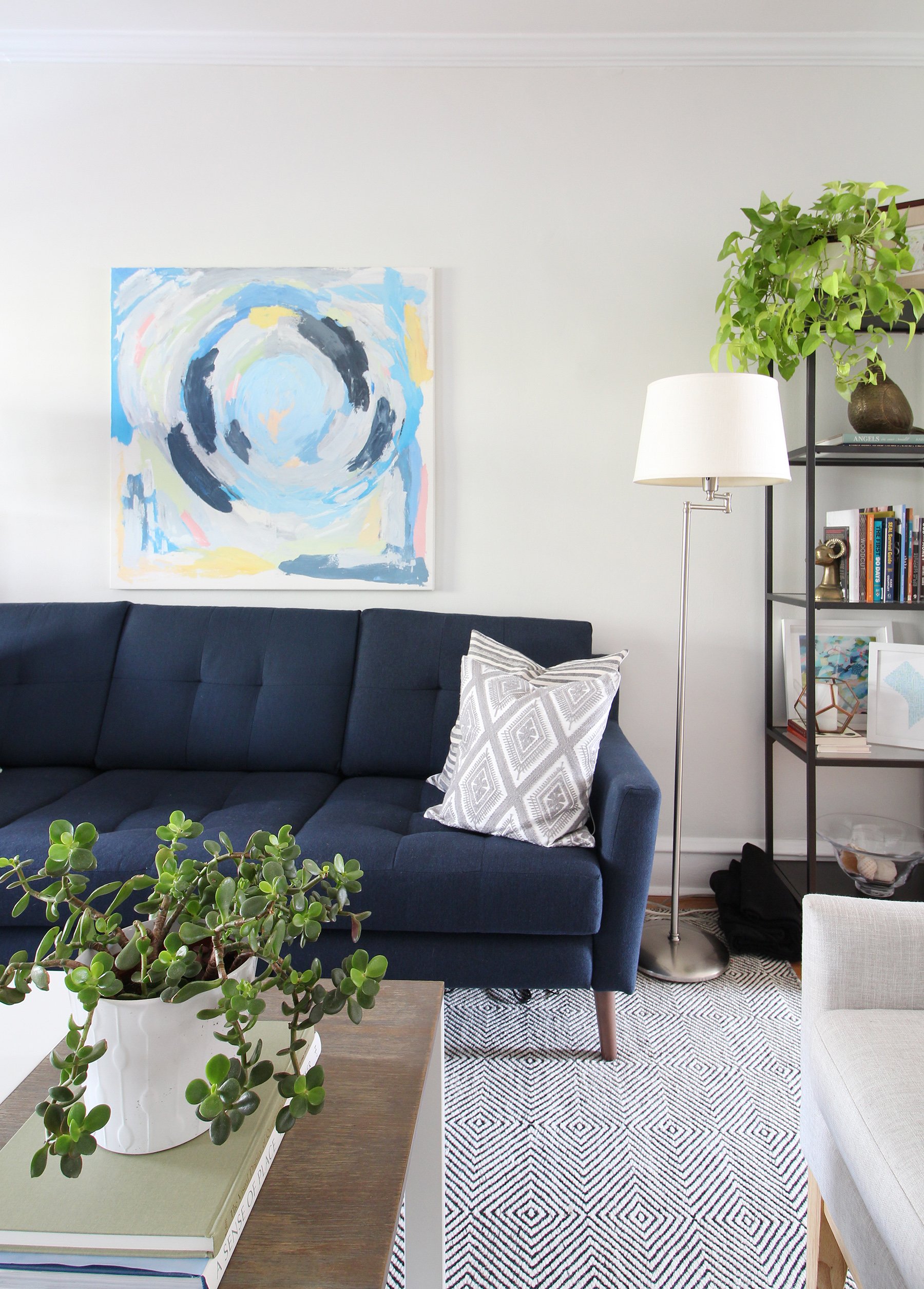
How to Choose Floor Lamp for Living Room
Choosing a floor lamp for your living room starts with determining its purpose. Are you looking for ambient lighting to create a cozy atmosphere, or do you need task lighting for reading? Knowing the lamp’s role will help you decide on features like adjustable brightness and direction. According to this post, the right size and placement are crucial in enhancing the room’s functionality. So, think about where you’ll position the lamp in the room.
Next, consider the style of the lamp to match your living room decor. Whether modern, rustic, or traditional, your choice should complement the existing furniture and color scheme. This helps create a cohesive look that’s both visually appealing and harmonious. A beautifully styled lamp can be a centerpiece on its own. Making such a selection elevates the overall aesthetic of the room.
The type of bulb and its brightness levels are essential factors as well. LED bulbs are popular due to their energy efficiency and longevity. Think about whether you want a lamp with warm or cool light, as this can affect the room’s feel. Adjustable lamps offer versatility to change the lighting as needed. Reading here is the article can provide more insights into lighting placement.
Finally, ensure the lamp is safe and user-friendly. Some lamps come with safety features like sturdy bases and childproof designs. Ease of use is also important, so look for lamps with easy-to-reach switches or remote control options. Additionally, you might want to consider smart lamps that you can control via an app. These small details can vastly improve both the safety and convenience of your living room lighting.
Step 1: Determine the Purpose of the Lamp
When choosing a floor lamp, the first step is to determine its purpose. Are you looking for a lamp to provide ambiance or focused task lighting? Different needs require different features, such as adjustable arms or dimmable options. According to this expert opinion, understanding the purpose helps narrow down the options. Clearly defining the purpose makes the selection process much smoother.
Task lighting is perfect if you need focused illumination for activities like reading or sewing. These lamps often have adjustable heads or flexible arms to direct light precisely where it’s needed. Ambient lighting, on the other hand, creates a cozy atmosphere. It helps fill the room with a soft, inviting glow. Choose lamps with wider shades or multiple bulbs for this effect.
Next, think about whether the lamp will stand alone or complement existing lighting. Floor lamps can balance out areas where overhead lights don’t reach. They can also serve as accent lighting to highlight artwork or architectural features. In some cases, placing the lamp next to a sofa or chair can create a cozy reading nook. This flexibility makes floor lamps a versatile choice for various settings.
Also, consider additional features like remote controls or smart home compatibility. Some modern floor lamps offer app control, allowing you to adjust brightness or color temperature easily. Motion sensors or timers can add convenience and energy efficiency. Extra features can enhance the overall functionality and user experience. This can make your living room both stylish and practical.
Step 2: Size and Location Considerations
Choosing the right size for your floor lamp is essential to ensure it fits well with your living room layout. A lamp that’s too tall or too short can disrupt the room’s harmony. Measure the height of your ceiling and furniture to find a lamp that complements them. Ideally, the lamp should be at eye level when you’re seated. This provides optimal lighting without being overwhelming.
When it comes to location, think about areas in your living room that need better lighting. Placing a floor lamp next to a sofa or armchair can create a perfect reading corner. If you have dark corners, a well-placed lamp can brighten those areas and make the room feel more spacious. Consider placing lamps near architectural features or artwork to highlight them. These strategic placements can enhance the room’s aesthetics and functionality.
Size also affects safety and usability, especially in high-traffic areas. A bulky lamp in a narrow walkway can be a tripping hazard. According to interior design tips, it’s crucial to leave enough space around the lamp for easy movement. Make sure the base is sturdy enough to prevent tipping. Safety should never be an afterthought.
Incorporate additional elements like tables or shelves if your lamp has a built-in table. These multi-functional lamps can save space and add storage. They’re perfect for small living rooms where every inch counts. Additionally, such designs can emphasize the room’s overall theme. Thoughtful size and location considerations ultimately lead to a balanced and inviting space.
Step 3: Select the Right Style
When selecting the right style for your floor lamp, start by evaluating your living room’s overall theme. Is it modern, traditional, or eclectic? Matching the lamp to your existing décor ensures a cohesive look. A modern lamp with clean lines blends well with contemporary furniture. Meanwhile, a lamp with ornate detailing suits a traditional setting.
Consider the materials used in the construction of the lamp. Metal, wood, and glass all offer distinct aesthetics and vibes. Metal lamps often have a sleek, industrial look, while wooden lamps can bring warmth and a rustic feel. Glass lamps add an element of elegance and sophistication. The material should reflect your personal style and the room’s character.
Color is another crucial factor in selecting the right style. Neutral colors like black, white, and gray are versatile and can easily fit into almost any décor. Bold colors can make a statement and become a focal point in the room. Don’t be afraid to choose a lamp with a pop of color. It can add interest and liveliness to your space.
Additional design elements like lamp shades and bases can further refine the style. Lamp shades come in various shapes and fabrics, influencing the type of light diffusion and ambiance. Drum shades provide a more focused light, while bell shades offer a softer glow. The base could be a tripod, pedestal, or even artfully designed for added flair.
Functionality and aesthetics should go hand-in-hand. Some lamps come with built-in shelves or USB ports for added convenience. These functional designs can enhance your living room while serving practical needs. Always balance style with usability. This approach ensures a well-rounded and appealing choice.
If you’re still unsure, you can mix and match as long as the elements complement each other. Experiment with various styles. Make sure they contribute to the overall aesthetics of the living room. A well-chosen floor lamp can elevate the design, making it both functional and visually pleasing.
Step 4: Consider the Bulb Type and Brightness
The type of bulb you choose has a significant impact on your living room’s lighting. LED bulbs are common due to their energy efficiency and long lifespan. They use less power and last longer than traditional incandescent bulbs. Halogen and CFL bulbs are other options to consider. Each type offers different light quality and efficiency.
Brightness is another crucial factor. Measured in lumens, brightness determines how much light the bulb emits. For ambient lighting, bulbs around 800-1600 lumens are ideal. If you need task lighting for activities like reading, aim for bulbs with at least 1600 lumens. Assess your lighting needs to make the best choice.
Color temperature also affects the room’s atmosphere. Bulbs are available in various color temperatures, from warm to cool. Warm white bulbs (2700K-3000K) create a cozy, inviting atmosphere, perfect for living spaces. Cool white bulbs (4000K-5000K) offer brighter, more focused lighting, suitable for task-oriented spaces. Select a color temperature that complements your room’s purpose.
Consider dimmable bulbs for added flexibility. They let you adjust the brightness according to your mood and activities. This is particularly useful in living rooms, where different lighting levels may be required. Some modern bulbs are compatible with smart home systems. This lets you control them via voice commands or a mobile app.
The type of lamp shade also affects the light distribution. A translucent shade diffuses light evenly, creating a softer glow. An opaque shade directs light downward, providing focused illumination. Choose a shade that suits your lighting needs. It should enhance the bulb’s performance and complement the room’s décor.
Energy consumption is another consideration. While LED bulbs are more expensive initially, they save money in the long run due to lower energy use. Many LED bulbs are now available at various price points. Look for energy-efficient bulbs with the ENERGY STAR label. This ensures you are making an eco-friendly choice.
Step 5: Safe and Easy to Use
Ensuring your floor lamp is safe and easy to use is crucial. Start by looking for lamps with sturdy bases that prevent tipping. A well-balanced lamp reduces the risk of accidents, especially in homes with children or pets. Some modern designs come with anti-tip technologies. These features are particularly useful for added safety.
Ease of use involves considering how you will interact with the lamp daily. Look for lamps with user-friendly switches. These could be foot switches, touch controls, or remote controls. Some lamps even offer voice-activated options through smart home systems. These features make operating the lamp convenient for everyone.
Pay attention to the materials used in the lamp’s construction. Metal parts should be rust-resistant, and wooden elements need to be treated for durability. Consider lamps with heat-resistant shades to avoid overheating. Safety certifications like UL or CE marks can also provide additional peace of mind. These certifications ensure that the product meets safety standards.
Wire management is another important aspect. Ensure the lamp’s cords are safely tucked away to prevent tripping hazards. Some lamps come with built-in cable organizers. This keeps the area around the lamp neat and safe. Good wire management not only enhances safety but also improves the room’s aesthetics.
For added functionality, think about lamps with built-in features like timers or motion sensors. These can automatically turn the lamp on or off, saving energy and providing convenience. Timers are especially useful if you like falling asleep with some light. Motion sensors can light up the room when you enter, offering both safety and ease of use.
Importance of Good Lighting in Living Rooms
Good lighting plays a crucial role in the living room, making it more functional and inviting. A well-lit room can enhance your mood and improve visibility. Different lighting layers—ambient, task, and accent—contribute to a balanced atmosphere. Proper lighting makes everyday activities like reading or watching TV more enjoyable. It turns the living room into a welcoming space for family and friends.
Ambient lighting is the base layer that illuminates the entire room softly. It sets the overall mood without creating harsh shadows. This type of lighting often comes from ceiling fixtures or large lamps. It provides a cozy background glow that is essential for relaxation. Adding dimmers can offer flexibility to adjust light levels according to different occasions.
Task lighting focuses on specific areas where more intense light is needed for activities like reading or crafting. Floor lamps and table lamps are perfect examples of task lights. They help reduce eye strain by providing focused illumination exactly where you need it. Effective task lighting boosts productivity and comfort during detailed work. It’s an essential component of practical living room design.
Accent lighting adds depth and character by highlighting features such as artwork or architectural details. Spotlights, sconces, and small decorative lamps work well for this purpose. Accent lights draw attention to focal points in the room, making it visually interesting. They also contribute to a layered lighting scheme that adds dimension and dynamism to your décor.
Combining these three types of lighting creates a harmonious look that’s both functional and stylish. Balance is key; too much light can be overpowering, while too little can make the space appear dull. By mixing ambient, task, and accent lights, you achieve an optimal setting for various activities throughout the day.
Good lighting also affects your well-being by reducing stress on your eyes and enhancing your overall comfort at home.
Impact of Floor Lamps on Living Room Aesthetic
Floor lamps significantly influence the aesthetic of a living room, adding both style and function. A well-chosen lamp can serve as a statement piece, elevating the room’s overall design. Whether sleek and modern or vintage and ornate, the style of the lamp complements the room’s theme. The right lamp can create visual interest and add a unique touch. It enhances the ambiance and cohesiveness of the space.
Materials and finishes of the lamp contribute greatly to the room’s look. Metal lamps with a brushed steel or chrome finish offer a contemporary flair. Wooden or rattan lamps, on the other hand, introduce warmth and a natural feel. Glass and crystal lamps add an element of elegance and sophistication. The choice of material influences how the lamp fits into the overarching décor.
The color of the lamp also plays a key role in defining the room’s aesthetic. Neutral colors like black, white, and beige blend seamlessly into most décor styles. Bold colors, however, can serve as focal points and add a pop of excitement. Matching the lamp color with other elements in the room, like throw pillows or artwork, creates harmony. It ensures that the lamp feels like an integral part of the design.
Shape and design elements such as the lamp shade and base add to the room’s appeal. A distinctive base or an interesting lamp shade can turn a simple lamp into a conversation piece. Classic drum shades lend themselves to a more formal setting, while conical or globe shades offer a modern twist. These design details can significantly alter a lamp’s impact on the room.
Beyond aesthetics, the type of light the lamp emits also affects the room’s ambiance. Soft, warm light creates a cozy and welcoming atmosphere. Brighter, cooler light can make the space feel airy and expansive. Choosing the right light helps set the mood and enhances the living room’s functionality.
Overall, floor lamps provide both practical lighting solutions and style enhancements. They are versatile pieces that can tie together different design elements in your living room.
Using Lighting to Enhance Living Room Functionality
Lighting plays a pivotal role in enhancing the functionality of your living room. Different lighting fixtures can be used to create zones for various activities. For instance, a bright floor lamp near a reading chair provides focused light ideal for reading. Task lighting, such as desk lamps or adjustable floor lamps, improves visibility for detailed activities like crafting or writing. This thoughtful placement can make each area more functional.
Ambient lighting sets the general mood and ensures adequate illumination throughout the room. Overhead lights or a combination of floor and table lamps can achieve this. Dimmable lights help adjust the brightness to suit different scenarios, from vibrant gatherings to quiet evenings. By layering lighting, you create a versatile space that can adapt to multiple functions. This flexibility is key to making the living room more practical.
Accent lighting highlights specific features like artwork, plants, or architectural elements. Small spotlights or LED strip lights are perfect for this purpose. Properly highlighting these elements can add depth and interest to the room. Accent lighting draws attention to details you want to showcase. It serves both aesthetic and functional purposes.
Smart lighting solutions bring added convenience and customization. Smart bulbs can be controlled via smartphone apps or voice commands, allowing you to adjust brightness and color without leaving your seat. Timers and motion sensors can automate lighting based on time of day or room occupancy. This high level of control enhances overall functionality. It ensures that the living room is always well-lit for any activity.
Lighting also impacts the comfort and usability of the space. Soft, diffused lighting creates a relaxing environment, perfect for unwinding after a long day. On the other hand, bright, direct lighting is useful for focused tasks. Adjusting the lighting to suit your needs throughout the day makes the living room more adaptable and comfortable. This allows everyone in the household to enjoy the space fully.
Incorporate lighting fixtures that offer adjustable angles and positions. This flexibility enables you to direct light where it’s needed most. Adjustable lights can adapt to different activities, enhancing overall room functionality. Thoughtful lighting choices make the living room a more dynamic and user-friendly space for everyone.
Common Mistakes while Choosing a Floor Lamp
One common mistake is not considering the purpose of the lamp. Many people buy a lamp based on aesthetics alone, forgetting about its practical function. You need to determine whether the lamp will be used for reading, ambient lighting, or as an accent light. This affects the type of bulb, shade, and location. Overlooking the functional aspect can lead to inadequate lighting.
Another mistake is choosing a lamp that’s not the right size for the room. A lamp that is too tall or too short can look awkward and out of place. Measure your space and furniture to ensure the lamp fits well within the room’s layout. Matching the scale of the lamp to the room avoids a disproportionate look. This simple step creates a balanced setup.
Failing to consider the lighting needs of the room can also be problematic. Different rooms require different lighting levels. Overhead lighting might not be enough, leaving dark corners unlit. Choosing a lamp that complements existing lighting enhances room functionality. This ensures adequate light coverage throughout the space.
Ignoring energy efficiency can lead to higher electricity bills. Opt for energy-efficient bulbs like LEDs to save on costs. These bulbs last longer and consume less energy compared to traditional incandescent bulbs. Considering energy efficiency helps the environment and your wallet. Smart choices in bulb types make a significant difference over time.
Lastly, not paying attention to safety features can be risky. Sturdy bases prevent tipping, and heat-resistant shades reduce fire hazards. Features like childproof switches can make a big difference in homes with kids. Safety should always be a priority. Neglecting it can lead to accidents and unnecessary worry.
Frequently Asked Questions
Choosing the right floor lamp for your living room can be challenging, but understanding common questions can help. Here are answers to some frequently asked questions that may guide you in making an informed decision.
1. What are the benefits of using LED bulbs in floor lamps?
LED bulbs are highly energy-efficient and have a longer lifespan compared to traditional bulbs. They use less electricity, which helps reduce utility bills and environmental impact. Additionally, LED bulbs stay cooler, decreasing the risk of overheating and fire hazards.
Another benefit is their versatility in color temperature and brightness levels. You can easily find LED bulbs that offer a warm ambiance or bright, cool light depending on your needs. These features make LED bulbs an excellent choice for various lighting scenarios in your living room.
2. How can I match a floor lamp to my living room decor?
Start by identifying the dominant style and colors in your living room. Choose a lamp that complements these elements to create harmony within the space. For example, a sleek metal lamp fits well with modern décor while a wooden lamp works in rustic settings.
Consider also the textures and materials present in your existing furniture and decorations. Matching or contrasting these aspects thoughtfully can enhance visual interest without overwhelming the look of your room. The right choice will blend seamlessly into your overall decor.
3. Is it better to choose a dimmable floor lamp?
A dimmable floor lamp offers flexibility, allowing you to adjust light levels based on different activities or moods. This feature is especially useful for creating cozy atmospheres during evenings or brightening up spaces when needed for reading or other tasks.
Additionally, dimmable lamps contribute to energy savings as you won’t always use maximum brightness. Investing in one provides both aesthetic and practical benefits, making it worth considering if versatility is important to you.
4. Can floor lamps be used as task lighting?
Yes, many floor lamps are designed specifically for task lighting with adjustable heads or arms for directional light placement. These lamps make ideal companions beside sofas or armchairs where focused illumination is required for reading or sewing projects.
Task-oriented floor lamps are often equipped with brighter bulbs compared to ambient lights. Their directed beams reduce eye strain by illuminating specific areas effectively while leaving surrounding areas softly lit or untouched.
5. What safety features should I look for in a floor lamp?
Safety features such as sturdy bases help prevent tipping over while heat-resistant shades minimize fire risks from prolonged usage under high temperatures – essential qualities especially around children & pets at home! Other childproof mechanisms like switch guards ensure safer operation too!
TUV/UL certifications provide added assurance by meeting international safety standards verified through rigorous testing processes before reaching consumers’ hands – so do look out those quality marks next time around buying!
Conclusion
Choosing the perfect floor lamp for your living room involves balancing aesthetics with functionality. By considering factors such as purpose, size, style, and safety features, you can find a lamp that not only illuminates but also enhances your space. Thoughtful selection ensures your living room remains cozy and inviting.
Incorporating a well-chosen floor lamp adds both beauty and utility to your home. It serves as a crucial element that ties together your room’s design while meeting practical needs. Whether for ambiance or task lighting, the right floor lamp makes all the difference.

I’m Emily Johnson, an affiliate marketer and blogger focused on lamps and lighting. I share honest reviews, simple buying guides, and practical tips. My goal is to help readers choose the right lamp for their space, style, and budget with confidence.