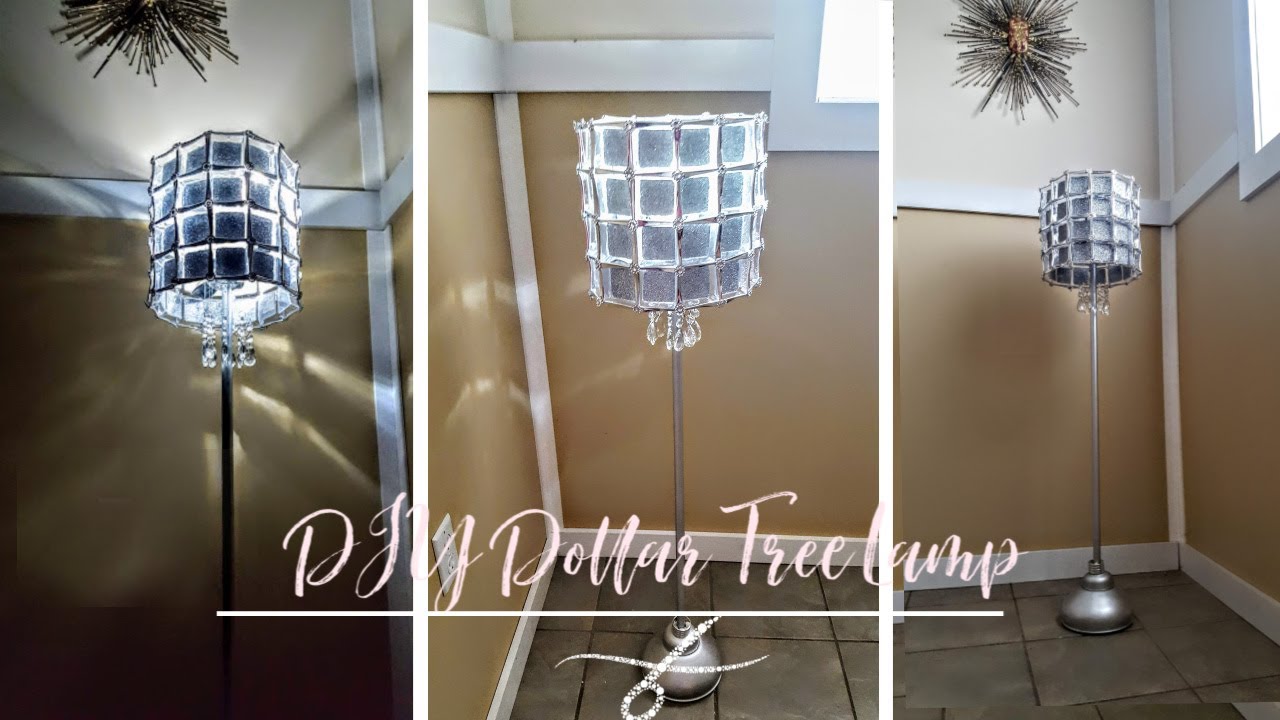
Have you ever considered the impact a beautifully designed floor lamp shade can have on a room’s ambiance? Handcrafting a floor lamp shade not only adds a personal touch to your decor but also opens up a realm of creative possibilities, tailoring light diffusion to perfection. Skilled artisans often find the intersection of function and artistry both fulfilling and challenging.
The tradition of lamp shade making dates back centuries, with craftsmen meticulously selecting materials like silk, paper, or metal for optimal elegance and durability. Surprisingly, well-designed lamp shades can increase a floor lamp’s efficiency by up to 50%, directing light exactly where it’s needed. From geometric patterns to intricate lace, the diversity in designs can transform the entire aesthetic of a space.
- Choose the right material, such as fabric, paper, or metal.
- Design your lamp shade by sketching and measuring accurately.
- Use appropriate adhesive to assemble the pieces securely.
- Attach the lamp shade to the floor lamp using clips or rings.
- Add finishing touches like trims and ensure regular maintenance.
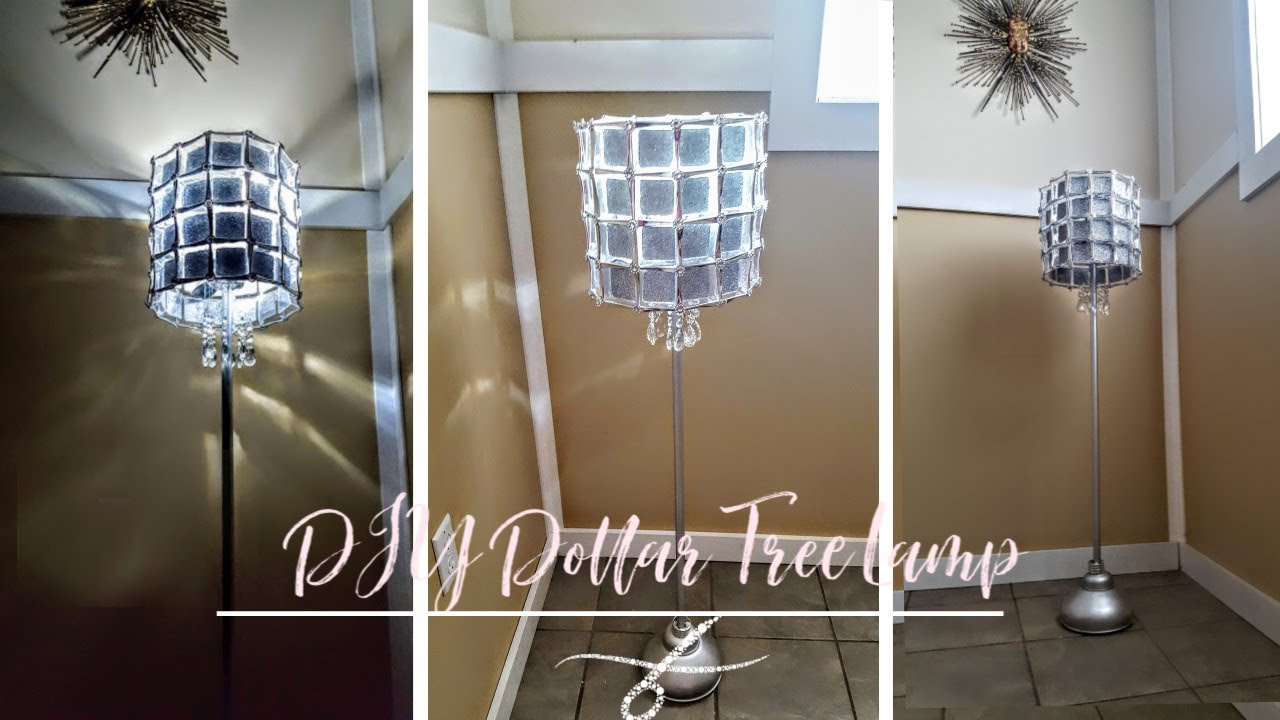
How to Make a Floor Lamp Shade
Making a floor lamp shade allows you to customize the lighting in your room. The first step involves selecting the right material. Popular choices include fabric, paper, and metal, each offering a unique look. Once you have your material, sketch out a design that suits your taste. Remember to take measurements of your floor lamp to ensure a perfect fit.
After finalizing your design, gather all the necessary tools such as scissors, glue, and a ruler. Cut the material according to your design, making sure the dimensions are accurate. Use a strong adhesive to glue the seams and edges to form the lamp shade. According to this post, precision is key when crafting any lamp component. Allow the glue to set completely before proceeding.
Next, it’s time to attach the lamp shade to the lamp base. Most lamp bases come with a fitting mechanism such as a ring or clip to hold the shade in place. Ensure the lamp shade is securely attached and evenly balanced. You may need to make slight adjustments to achieve the desired alignment. If you’re unsure about the attachment process, you can refer to here is the article for additional guidance.
Finally, complete any finishing touches like adding trims or decorative elements. These additions can enhance the overall appearance of your lamp shade. Regular maintenance is important to keep your lamp shade looking new. Dusting and occasional cleaning can extend its lifespan. With these steps, you can create a floor lamp shade that is both functional and stylish.
Step 1: Choosing the Right Material
Selecting the right material is crucial for making a durable and attractive floor lamp shade. Different materials offer unique qualities, making the decision important. Common options include fabric, paper, metal, and plastic. Each one has its pros and cons, influencing the final look and durability of the lamp shade. To make a well-informed choice, consider the ambiance you wish to create.
Fabric lamp shades are popular due to their softness and variety in patterns. They come in different textures and colors, making it easy to match with any decor. If you prefer a more natural look, paper shades might be the way to go. These can provide a soft glow and are often easier to customize. According to this post, upcycling old materials can also be an eco-friendly option for your lamp shade.
Metal and plastic are other viable options, offering durability and a modern look. Metal shades can be particularly stylish and add a sleek touch to contemporary interiors. Plastic, on the other hand, is lightweight and often more affordable. However, it might not provide the same sophisticated look as metal or fabric. Weigh the durability and aesthetic qualities before making your decision.
Consider the room’s purpose when choosing your material. Bedrooms may benefit from the soft glow of a fabric or paper shade, while a study might require the sturdiness of metal. Make sure the material complements the existing decor and lighting needs. Lastly, always check for flame-resistant options to ensure safety. Combining aesthetic and functional aspects can lead to a truly exceptional floor lamp shade.
Step 2: Designing the Lamp Shade
Designing your floor lamp shade involves creativity and careful planning. Start by sketching out your ideas on paper. Think about the shape and style that will best fit your room’s decor. Consider if you want a traditional drum shape or something more unique like a cone or bell shape. This initial planning stage is essential for bringing your vision to life.
Once you have a rough sketch, gather inspiration from different sources. Look at online portfolios, home decor magazines, and social media platforms like Pinterest. These can provide fresh ideas and help you refine your own design. Mixing different influences can lead to a unique and personalized lamp shade. Don’t be afraid to experiment with various styles and patterns.
After finalizing the design, create a template using cardboard or thick paper. This template will help ensure your fabric or material cuts are precise. Measure each piece carefully and cut accordingly. Remember, accuracy is key to achieving a professional-looking lamp shade. Using a ruler and a sharp cutting tool can make this process easier.
Next, consider adding decorative elements to your lamp shade. Trims, beads, or even stencils can elevate the design. You can attach these elements using fabric glue or a hot glue gun. Adding these unique touches will make your lamp shade stand out. Make sure everything is securely attached to prevent any loose parts.
Step 3: Assembling the Lamp Shade
Assembling the lamp shade starts with gathering all your cut materials and tools in one place. Having everything organized makes the process smoother. First, lay out the main pieces of the shade material on a flat surface. Ensure the edges align perfectly to avoid gaps. This step is crucial for a seamless look.
Next, use a strong adhesive to join the pieces together. Fabric glue or hot glue works well for this purpose. Apply the glue along the edges and press them firmly together. Hold the pieces in place for a few minutes to allow the glue to set. To reinforce the seams, you can use clips or clothespins temporarily.
Once the primary structure is secure, move on to adding any internal supports. Lampshades often require a metal frame or plastic liner for added stability. Attach these supports inside the shade using additional glue or small stitches. Make sure the supports are evenly spaced and securely fixed. This will help maintain the shade’s shape over time.
After installing the supports, check for any loose edges or gaps. If found, apply extra glue to those areas. Smooth out any wrinkles or bubbles in the material. Taking these small steps ensures a polished and professional finish. Allow the lamp shade to dry completely before the next step.
Finally, add any finishing touches like trims or decorative elements. These can be glued along the bottom and top edges for a refined look. Trims not only enhance the appearance but also hide any visible seams. Once these are attached, your lamp shade assembly is complete. Give it one last inspection to ensure everything is secure.
Step 4: Attaching the Lamp Shade to the Floor Lamp
Attaching the lamp shade to the floor lamp is a straightforward process but requires careful handling. Start by positioning the lamp shade over the lamp holder. Ensure the lamp is turned off and unplugged to avoid electrical hazards. Carefully lower the shade onto the base, aligning it with the fitting mechanism. Most lamp shades use a ring or a clip to secure them in place.
Once the shade is positioned, use your hands to gently secure it onto the holder. If the lamp shade has a screw mechanism, turn it clockwise until it’s snug. Avoid overtightening, as this could damage the shade or the lamp holder. Ensure the shade is level and centered. Making fine adjustments can help achieve the perfect alignment.
Next, test the stability of the lamp shade by giving it a slight nudge. A properly attached shade should remain steady without wobbling. If it feels loose, double-check the securing mechanism. Adjust as needed to make sure it’s firmly in place. This step is important to prevent the shade from falling off.
After ensuring stability, turn on the lamp to check the light diffusion. The shade should evenly disperse the light without any dark spots or glare. If you notice any issues, realign the shade and test again. Proper light diffusion enhances the overall ambiance of the room. Taking the time to get this right will make a noticeable difference.
Finally, give the lamp shade a final inspection for any loose parts or imperfections. Adjust the shade if needed and clean off any fingerprints or dust. Once satisfied, your floor lamp is now ready for use. Enjoy the new ambiance created by your customized lamp shade.
Step 5: Finishing Touches and Maintenance
Adding finishing touches to your lamp shade can elevate its overall appearance. Consider decorating the edges with trims or ribbons for a polished look. Embellishments such as beads or lace can also provide a unique style. Use a hot glue gun to attach these decorations securely. Personalizing your lamp shade makes it a true reflection of your taste.
Once the decorations are in place, step back and evaluate your work. Ensure there are no loose ends or visible glue marks. Clean any dirt or dust that may have accumulated during the construction process. A clean lamp shade not only looks better but also enhances light diffusion. Make sure every part of the shade is evenly covered and well-finished.
Regular maintenance is essential to keep your lamp shade looking new. Dusting the shade weekly helps to maintain its appearance and prevent dullness. If your lamp shade is made of fabric, consider using a fabric cleaner for deeper cleaning. Avoid using harsh chemicals that could damage the material. Consistent care will prolong the lifespan of your lamp shade.
Periodically check for any wear and tear. If you notice any loose decorations or seams coming apart, address them immediately. Minor repairs can save you from major issues down the line. Using a bit of glue or stitching can fix most small problems. Keeping an eye on the condition of your lamp shade ensures it remains functional and stylish.
The Significance of a Well-designed Floor Lamp Shade
A well-designed floor lamp shade is more than just a decorative element; it plays a crucial role in lighting. The right shade can enhance the ambiance of a room by directing light where it’s needed most. It helps to diffuse light evenly, reducing glare and creating a comfortable atmosphere. Additionally, a stylish lamp shade can complement your home decor, adding a touch of elegance or modernity.
Choosing the right design can drastically improve the functionality of your floor lamp. Certain shapes and materials offer different lighting effects. For instance, drum shades are great for focused lighting, while wider, flared shades provide a broader light distribution. By picking the appropriate design, you can meet specific lighting needs in various parts of your home.
Materials also play an essential role in the effectiveness of a lamp shade. Textiles like linen or silk add warmth and texture to a room, while metal or plastic can give it a sleek, contemporary look. Some materials even enhance color temperature, making light appear warmer or cooler. Consider these factors when selecting material to match both aesthetic and functional requirements.
Beyond aesthetics and function, safety is another reason why the right lamp shade is vital. A properly chosen material can prevent overheating and potential fire hazards. Flame-resistant fabrics are particularly recommended for safe use at home. Also, maintaining the lamp shade’s cleanliness ensures it remains both beautiful and safe over time.
Quality craftsmanship in design can make all the difference in visual appeal and durability. A well-constructed shade offers long-lasting performance compared to lower-quality alternatives that might wear out quickly. Investing in good quality means fewer replacements over time and sustained satisfaction with your home’s lighting.
Various Material Options for a Floor Lamp Shade
Choosing the right material for your floor lamp shade can make a big difference in how it looks and functions. Fabric is one of the most popular options, offering a wide range of colors and textures. Linen and cotton create a cozy, soft light, ideal for living rooms and bedrooms. Silk adds a touch of luxury and elegance, making any space feel more refined. These fabrics are also easy to customize with patterns or trims.
Paper shades offer a different set of benefits. They’re lightweight, often affordable, and can be easily decorated. Japanese paper shades, for example, add an organic, minimalist touch to a room. The paper allows light to pass through softly, creating a gentle glow. However, they might not be as durable as other materials and can be prone to tearing or discoloration.
Metal shades are another option, perfect for a modern or industrial look. Materials like aluminum or stainless steel are durable and give a sleek appearance. They are excellent at directing light downward, making them great for tasks like reading. However, metal shades can sometimes create a harsh light, so consider using a dim bulb or a diffuser inside. This helps to balance the light and make the room feel warmer.
Plastic shades are versatile and can come in many shapes and colors. They are durable and often less expensive than fabric or metal. Some are even designed to mimic the look of other materials like glass or wood. However, they might not offer the same level of elegance as fabric or metal. They’re a good choice for casual spaces or children’s rooms where durability is key.
Finally, consider eco-friendly options like bamboo or recycled materials. These sustainable choices not only look great but also align with environmentally-conscious living. Bamboo shades provide a natural, earthy vibe and are highly durable. Recycling old materials into lamp shades can also be a creative and eco-friendly project. Each material offers unique benefits, allowing you to choose what best suits your style and needs.
Creativity and Innovation in Designing a Floor Lamp Shade
Designing a floor lamp shade offers endless opportunities for creativity. Starting from the shape, you can go beyond the typical drum or cone designs. Think about creating asymmetrical shapes or combining multiple shapes into one. This not only adds visual interest but also makes your lamp a unique piece of home decor. Unleashing your creativity can turn a simple lamp shade into a work of art.
Materials also play a significant role in innovative designs. Mixing different materials can yield fascinating results. For instance, combining metal with fabric can create a chic industrial look. Using unconventional materials like recycled plastics or organic fibers can add an eco-friendly twist. The key is to experiment and see what combinations work best for your space.
Color and patterns can dramatically impact the design of a lamp shade. Bright, bold colors can make a statement, while soft, neutral tones can blend effortlessly with the decor. Patterns like stripes, florals, or geometric shapes add personality and flair. You can even create your own patterns using stencils or fabric paints. Adding layered textures can elevate the design further, making the lamp shade an eye-catching element.
Tech innovations can also influence the design of lamp shades. Integrating LED lights allows for creative lighting effects. Some shades can be designed to change colors or dim according to the time of day. Smart lamp shades equipped with sensors can adjust lighting based on room activity. These innovations not only make your lamp more functional but also more interactive.
A personalized touch can make your lamp shade truly special. Add monograms, initials, or even family photos to the design. These custom elements make the lamp shade one-of-a-kind and meaningful. They also provide an opportunity to showcase your creative skills. Personalized shades can serve as great conversation starters and add sentimental value to your home.
Innovation doesn’t stop at the design phase; maintenance also offers room for creativity. Easy-to-clean materials or detachable covers make upkeep simpler. This means you can keep your lamp shade looking its best with minimal effort. Embracing both creativity and innovation leads to a lamp shade that is not only beautiful but also practical.
Safety Precautions When Making a Floor Lamp Shade
When making a floor lamp shade, safety should always come first. Start by working in a well-ventilated area, especially if you are using adhesives or paints. Make sure you have all necessary tools within reach but keep sharp objects and hazardous materials out of the way to avoid accidents. Wearing safety gloves and goggles can provide additional protection. These basic precautions can help ensure a safe crafting environment.
Choosing flame-resistant materials is crucial for the safety of your lamp shade. Some fabrics and papers are specially treated to resist catching fire. Check the labels and specifications of your materials to make sure they meet safety standards. Even if you’re using natural or recycled materials, look for those that offer built-in flame resistance. This step can significantly reduce the risk of fire hazards.
Electrical safety is another important aspect. Before attaching the lamp shade, ensure the lamp is turned off and unplugged. Inspect the electrical components of the lamp for any damage or wear and tear. Faulty wiring can pose serious risks, so it’s crucial to make any necessary repairs beforehand. Consult a professional if you’re unsure about the electrical safety of your lamp.
Proper assembly techniques also contribute to safety. Use strong adhesives that are designed for the materials you’re working with. Weak or inappropriate glue can result in the lamp shade collapsing or falling apart. Make sure all parts are securely attached and allow ample drying time. Testing the stability of the assembled lamp shade is an important final step.
Finally, consider the placement of your floor lamp. Avoid placing it near flammable objects like curtains or upholstery. Maintain a clear space around the lamp to ensure good airflow and reduce fire risks. Regularly check the lamp shade for any signs of damage or wear, and make repairs as needed. Being proactive about maintenance can prevent potential hazards in the long run.
Frequently Asked Questions
Making a floor lamp shade involves choices and techniques that can greatly impact the final result. Below are some common questions and detailed answers to help guide you.
1. What is the best material for a floor lamp shade?
The best material for a floor lamp shade depends on your needs and design preferences. Fabric shades offer warmth and come in various colors and patterns, making them versatile for different interiors. Silk adds luxury, while linen provides a more casual feel.
Paper shades are lightweight and economical but may not be as durable. Metal shades offer durability and an industrial look, but they can produce harsher light. Plastic shades are cost-effective and durable but might lack the elegant appearance of fabric or metal options.
2. How do I measure for a floor lamp shade?
Measuring for a floor lamp shade requires considering both height and width to ensure proper fit. Measure the height from the base of the socket to the top of the fixture to get the ideal height for your shade.
The width should generally be twice the diameter of the widest part of your lamp base. This ensures balance in appearance and effectiveness in light distribution, creating an aesthetically pleasing result.
3. Can I use recycled materials to make a floor lamp shade?
Yes, using recycled materials is an excellent way to create an eco-friendly floor lamp shade. Materials like old fabrics, paper, or even salvaged metal can be re-purposed into unique designs.
This approach not only reduces waste but also allows for creative expression through upcycling. You can follow guides like this resource for ideas on upcycling used materials effectively.
4. How do I clean my fabric floor lamp shade?
Caring for a fabric floor lamp shade involves regular dusting with a soft brush or microfiber cloth to keep it clean. For deeper cleaning, remove the shade from the base and use mild soap water with a sponge or cloth.
Be sure not to soak it; just lightly dab any stains or spots until clean. Allow it to air dry thoroughly before re-attaching it to avoid mold or mildew development.
5. Are there safety concerns when making or using custom floor lamp shades?
Using flame-resistant materials is crucial to preventing potential fire hazards when making custom floor lamp shades. Always check if adhesives, fabrics, or other components have safety certifications indicating they resist high temperatures well.
Additionally, make sure all electrical parts are functioning properly before attaching your new lampshade. Faulty wiring can lead to overheating issues that risk fire hazards; regular maintenance minimizes these risks significantly.
Conclusion
Creating a floor lamp shade is an enriching endeavor combining creativity, functionality, and careful craftsmanship. From selecting the right material to adding the final touches, each step allows you to personalize your home decor. Safety precautions and maintenance ensure your lamp shade remains both beautiful and reliable.
Incorporating diverse materials and innovative designs can make your lamp shade a standout piece. Whether opting for eco-friendly choices or high-tech features, the possibilities are vast. With the right guidance and a bit of creativity, you can craft a lamp shade that perfectly enhances your living space.

I’m Emily Johnson, an affiliate marketer and blogger focused on lamps and lighting. I share honest reviews, simple buying guides, and practical tips. My goal is to help readers choose the right lamp for their space, style, and budget with confidence.