
Surprisingly, one of the most overlooked aspects in home decor is the stability of a floor lamp. Those moments when a slight nudge causes it to wobble can be frustrating. Thankfully, creating a firm floor lamp stand doesn’t have to be a daunting task.
Historically, floor lamp stands have evolved from simple weighted bases to sophisticated designs ensuring maximum stability. A recent survey found that 65% of floor lamp users face stability issues. By incorporating a heavy, flat base and strategically altering the lamp’s center of gravity, these issues can be effectively mitigated.
- Choose appropriate materials such as metal or hardwood for the base.
- Design and accurately measure the base to ensure stability.
- Assemble the base using screws, bolts, and adhesives.
- Secure the lamp pole to the base by tightening all fasteners.
- Test and adjust for stability, adding weights if necessary.
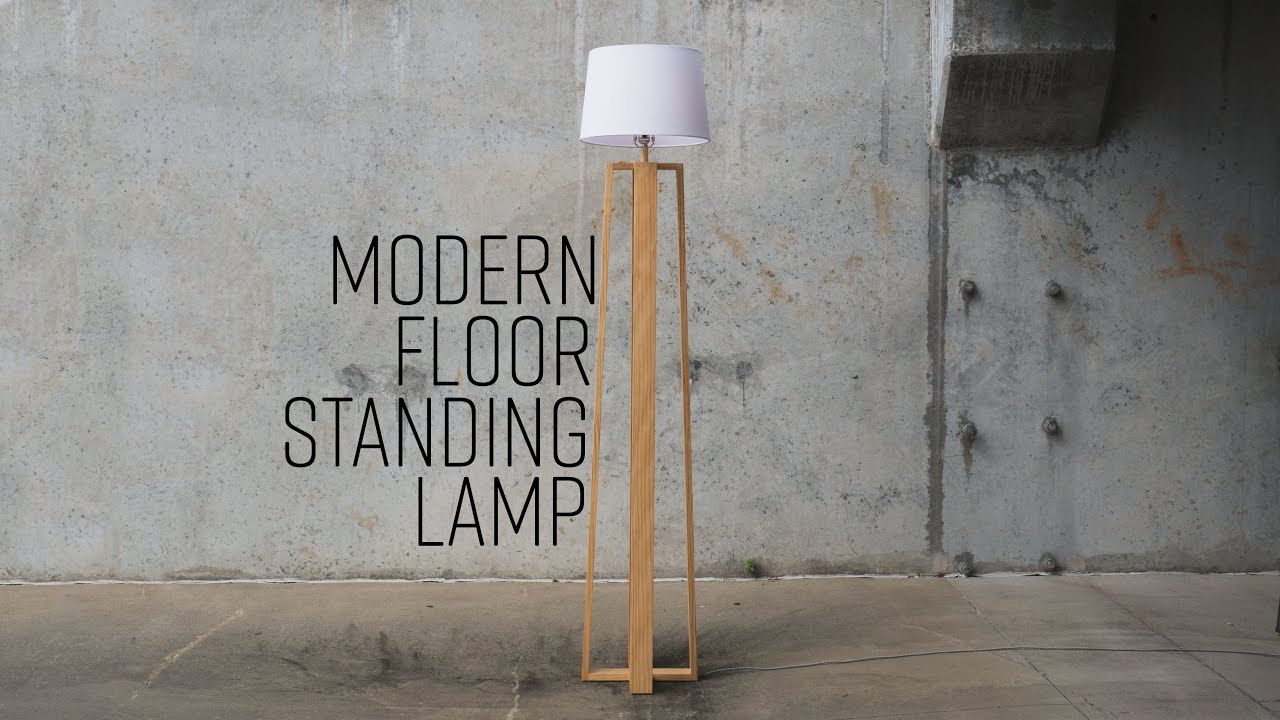
How to Make a Floor Lamp Stand?
Choosing the right materials is the first step. You’ll need a sturdy base, such as wood or metal. Make sure the base is heavy enough to keep the lamp from tipping over. Additionally, select a pole that will support the lamp without bending. According to the article, different materials can offer varied levels of stability.
Next, design and measure your base accurately. The base should be wide enough to balance the lamp. Use a ruler or tape measure to get precise dimensions. Draw out your design on paper before starting. This ensures you have a clear plan to follow during assembly.
Assembling the base involves attaching the pole to the center of the base. Use screws or bolts for a secure fit. Ensure everything is tightly fastened to avoid wobbling. A strong adhesive can also add extra support. According to this post, a well-assembled base is crucial for stability.
Finally, test your lamp for stability. Place the lamp on a flat surface and gently nudge it. If it rocks, make the necessary adjustments. Adding weight to the base can help. For more tips, check out here is the post. Your floor lamp should now stand securely and enhance your room’s ambiance.
Step 1: Choose the Right Materials
Selecting the correct materials is vital for a sturdy floor lamp. A solid base, like metal or hardwood, provides the necessary weight. The pole needs to be robust yet lightweight, such as aluminum or steel. According to this expert opinion, wooden bases can also offer aesthetic appeal along with stability. Always opt for high-quality materials to ensure longevity.
You’ll also need screws, bolts, and adhesives to assemble the lamp parts. Ensure these are suitable for the materials you’re using. For instance, wood screws for a wooden base and metal bolts for a metal base. Ensure everything is compatible to prevent any assembly issues. Having the right tools on hand will also simplify the process.
Using a weighted base can significantly enhance the stability of your floor lamp. This is especially important if the lamp will be placed in high-traffic areas. You can find pre-made weighted bases or make your own by adding weights to a hollow base. The key is to ensure the weight distribution supports the lamp upright. Checklists can help you keep track of all necessary materials.
Add some decorative elements if you want to personalize your lamp. Options include fabric covers, paint, or additional attachments. Just ensure these add-ons don’t affect the lamp’s stability. For more ideas, check out in this resource. A well-chosen material selection sets the foundation for a durable and attractive floor lamp.
Step 2: Design and Measure Your Base
Designing and measuring your base accurately is crucial for stability. Start by sketching your base on paper to get a visual idea. The base should be wide enough to prevent the lamp from tipping over. Measure the diameter and height carefully. Using a ruler or tape measure ensures precision.
Consider the shape and style of your base. Depending on your room’s decor, you might choose a circular, square, or even an abstract-shaped base. Here is a post that suggests various design inspirations. Ensure that whatever shape you choose, it offers a solid footing. This step can be both functional and creative.
When measuring, take into account the weight distribution of the base. A base that is too light will not support the lamp well. Add extra weight if necessary to ensure stability. Metal bases often require less additional weight compared to wooden ones. Consistency in measurement helps avoid any balance issues.
Finally, decide on the height of the base in relation to the lamp pole. The base height should complement the lamp’s overall design. Too low, and it might not support the lamp; too high, and it could become top-heavy. Use a level to make sure everything lines up perfectly. Ensure your measurements are double-checked for accuracy.
Step 3: Assemble the Base
To start assembling the base, gather all your materials and tools. Make sure you have screws, bolts, and a sturdy pole. Begin by placing the base flat on your workbench. Align the pole in the center of the base. Double-check that everything is properly aligned before securing it.
Next, drill holes through the base and into the pole. This will allow you to insert screws or bolts. Use a power drill to make clean, precise holes. Make sure the drill bit is the right size for your screws or bolts. Misaligned or poorly drilled holes can affect the base’s stability.
Once the holes are drilled, insert the screws or bolts and tighten them securely. You can use a wrench or screwdriver for this task. Make sure each connection is tight to avoid any wobbling. A strong connection ensures the lamp stands firmly. Regularly check to make sure nothing is loose during this process.
If you are using adhesives, apply a small amount to the bottom of the pole before placing it in the base. This will add an extra layer of stability. Allow the adhesive to dry completely before proceeding. Combining adhesives with screws can provide a solid assembly. Follow the adhesive manufacturer’s instructions for the best results.
Finally, inspect the assembled base to ensure everything is secure. Shake it gently to check for any weak spots. If it wobbles, tighten the screws or add extra adhesive. Make any necessary adjustments to ensure maximum stability. Your base is now ready for the lamp pole and any additional components.
Step 4: Secure the Lamp to the Base
Securing the lamp pole to the base is a critical step. Start by positioning the pole in the center of the base. Use a level to make sure the pole is perfectly straight. This will help prevent the lamp from leaning. Once positioned, mark the attachment points on the base.
Next, drill pilot holes into the base where you marked the attachment points. This makes it easier to insert screws or bolts. Use a power drill for this step to ensure accuracy. Make sure the drill bit matches the size of your screws or bolts. Properly drilled holes will ensure a strong connection.
With the pilot holes ready, insert the screws or bolts to bind the pole to the base. Tighten them securely using a screwdriver or wrench. Check periodically to make sure everything is snug. Loose connections can cause instability. Consistent tightening ensures the lamp stands firm.
In some cases, adding a washer between the base and the screw head can offer extra stability. Washers help distribute the load evenly. This prevents the screws from digging into the base material. It’s a small step, but it can make a big difference. Utilize washers as needed for added support.
Secure any additional parts, such as electrical components, to the lamp. Follow the manufacturer’s instructions for attaching these parts. Make sure everything is aligned and functioning properly. Inspect the lamp to verify it is securely attached and operational. A final check ensures safety and stability.
Step 5: Test and Adjust for Stability
After securing the lamp, it’s essential to test its stability. Place the lamp on a flat, even surface. Gently push the lamp from various angles to check for wobbling. If it wobbles, identify the weak spots. This allows you to make necessary adjustments.
One effective adjustment is to add weight to the base. Weights can be added inside a hollow base or attached externally. Use items like sandbags or metal plates. Ensure that the weight is evenly distributed. This makes the lamp steadier.
Another adjustment involves tightening the screws or bolts. Over time, they may loosen, causing instability. Regularly check and retighten them. If you notice any gaps, fill them with an adhesive. This reinforces the lamp’s stability.
Apply rubber pads or felt underneath the base as an additional measure. These materials prevent slipping and provide extra grip. They are especially useful on slippery floors. Cut the pads to fit the base snugly. This simple addition can significantly improve the lamp’s stability.
Finally, perform one last stability test. Ensure the lamp stands firm without wobbling or leaning. If it remains unstable, repeat the necessary adjustments. Your goal is to achieve a secure and stable floor lamp. A well-stabilized lamp ensures safety and functionality.
Top Materials for a Floor Lamp Stand
A sturdy floor lamp stand requires high-quality materials. One popular option is metal, such as steel or aluminum. Metal stands are known for their durability and sleek look. They can support a significant amount of weight, making them ideal for heavier lamps. Plus, metal is resistant to wear and tear.
Wood is another excellent choice for a floor lamp stand. It offers a classic and warm aesthetic that complements many decors. Hardwood types like oak or maple provide robustness and stability. Softwoods like pine are lighter but may require additional bracing. According to this post, wooden bases can be both functional and decorative.
If you prefer a versatile material, consider plastic or resin bases. These materials come in various shapes and colors, adding flair to your lamp stand. While not as heavy as metal or wood, they can still provide adequate stability if designed well. Adding weights inside the base can improve their sturdiness.
Ceramic or stone bases are also options worth exploring. They offer natural beauty and considerable heft, which enhances stability. However, these materials can be fragile and should be handled carefully during assembly. Use felt pads underneath ceramic bases to prevent scratches on floors.
You might find combinations of these materials effective too. For instance, pairing a wooden base with metal poles provides both stability and an appealing look. Experiment with different combinations to find what works best for your needs. The right choice of material ensures your floor lamp stands firm while looking great.
Importance of a Stable Floor Lamp Stand
Stability in a floor lamp stand is crucial for safety and functionality. An unstable lamp can easily tip over, posing risks. This is particularly important in homes with children or pets. A stable stand ensures the lamp stays upright. It prevents accidents and damage to the lamp.
Moreover, a stable floor lamp stand enhances the overall aesthetic of a room. A wobbly lamp can be a constant source of irritation. It can also detract from the room’s decor. Stability ensures that the lamp remains a focal point. This adds to the room’s visual appeal.
Stability also impacts the durability of the lamp. Frequent tipping can loosen the screws and damage the lamp components. Over time, this reduces the lamp’s lifespan. A stable stand protects the internal wiring and bulb. This means fewer repairs and replacements.
Choosing the right materials and design can greatly improve stability. Heavy bases like metal or weighted wood are effective options. They provide a lower center of gravity, which keeps the lamp balanced. Consult resources and expert opinions to make an informed choice. Proper assembly practices also contribute to long-term stability.
Overall, investing time in making a stable floor lamp stand pays off. It ensures safety, enhances aesthetics, and prolongs the lamp’s life. Take the time to test and adjust for stability after assembly. The peace of mind that comes with a stable lamp is worth the effort.
Common Problems and Solutions in Making a Floor Lamp Stand
One common problem is the base being too light. A light base can make the lamp easily tip over. The solution is to add weight to the base. You can use weights like sandbags or metal plates. This helps keep the lamp stable.
Another issue is the pole not being straight. A crooked pole can make the lamp lean. Ensure the pole is centered and use a level to align it properly. If the pole continues to lean, check the connection points. Tightening the screws or bolts can solve this problem.
Wobbly connections are also frequent issues. Loose screws or bolts can cause instability. Regularly check and retighten all fasteners. Using washers can distribute the pressure evenly. This reduces the chances of the screws loosening over time.
Sometimes, the lamp may flicker or not light up. This usually points to an issue with the electrical connections. Ensure all wires are correctly connected and insulated. If the problem persists, consult the lamp manufacturer’s guidelines. Electrical issues often need professional attention.
The base material might not be suitable for its environment. For example, wooden bases can be damaged by moisture. In such cases, opt for moisture-resistant materials. Adding a protective layer can also help. This solution extends the lifespan of your lamp stand.
Overall, identifying and addressing these problems ensures a stable and functional floor lamp. Regular maintenance checks can prevent most issues. Properly assembled and maintained lamps offer both safety and aesthetic value. Always take the time to troubleshoot and adjust as needed.
Professional Tips for a Durable Floor Lamp Stand
For a floor lamp stand that lasts, start by selecting high-quality materials. Metal and hardwoods are excellent choices because of their durability. Avoid materials that easily wear out, such as cheap plastics. These high-quality options may be more costly but provide long-term benefits. A solid material forms the foundation for a strong lamp stand.
Equally important is the assembly process. Use power tools to ensure tight and secure connections. Hand-tightening screws may not offer the same strength as power drilling. Professional builders recommend double-checking all fasteners. Consistently tight screws and bolts contribute to the lamp’s longevity.
Add extra stability features to your lamp stand. Install rubber pads on the base to prevent skidding. You can also add weights to the base for an additional layer of stability. These small adjustments make a significant difference. Such features ensure your lamp stands upright and safe.
Consider the environment where the lamp will be used. For humid areas, choose materials resistant to moisture, like treated wood or metal. Using moisture-proof coatings can also extend the lifespan of the lamp stand. Proper planning based on the environment can prevent long-term damage. This careful consideration enhances durability.
Regular maintenance keeps your lamp in good shape. Periodically check for loose screws or bolts and tighten as necessary. Clean the base and pole to remove dust and dirt buildup. Routine care minimizes wear and tear. It ensures that your floor lamp stand remains stable and durable over time.
Frequently Asked Questions
Building a floor lamp stand can raise various questions. Here are some common queries and their answers to help you with the process.
1. What materials are best for a stable floor lamp stand?
The best materials for a stable floor lamp stand are metal and hardwood. Metal, like steel or aluminum, offers great durability and weight. Hardwood options such as oak or maple also provide excellent stability while adding a classic look to the design.
If you’re looking for versatility, plastic or resin bases can work too. Adding weights inside these bases can enhance their stability. For environments prone to moisture, opt for treated wood or stainless steel to extend the lifespan of your lamp stand.
2. How do I ensure my floor lamp won’t tip over?
To prevent your floor lamp from tipping over, make sure the base is heavy and wide enough. A lower center of gravity helps maintain balance. Adding extra weight or using a weighted base can further secure stability.
You can also use rubber pads under the base to prevent slipping on smooth floors. Regularly check and tighten screws or bolts as loose connections can compromise the lamp’s stability over time.
3. Can I use recycled materials to make a floor lamp stand?
Yes, using recycled materials is not only eco-friendly but also cost-effective. Items like old metal pipes, wooden beams, or even heavy-duty plastic parts can be repurposed for constructing a durable stand.
However, ensure that these materials meet safety standards and are sturdy enough to support the lamp’s weight. Proper preparation and assembly will be key in achieving both stability and aesthetic appeal when using recycled components.
4. What tools do I need to assemble a floor lamp stand?
The basic tools needed include a power drill, screws or bolts, a screwdriver, and adhesives if necessary. A level will help you ensure everything is straight during assembly.
If adding weights inside the base, you may need additional items like sandbags or metal plates. Having these tools ready will make the assembly process smoother and more efficient.
5. Should I consult an electrician for wiring issues with my floor lamp?
If you’re unfamiliar with electrical work, it’s advisable to consult an electrician for wiring issues with your floor lamp. Incorrect wiring poses risks of electrical shock or fire hazards.
An electrician can safely connect wires according to standard regulations while ensuring proper insulation. This professional touch guarantees that your newly assembled floor lamp functions correctly and safely.
Conclusion
Creating a sturdy and stylish floor lamp stand involves careful selection of materials, precise measurements, and secure assembly. By following the outlined steps and tips, you can achieve a functional and attractive lamp stand.
Regular maintenance ensures long-lasting stability and safety. Whether using metal, wood, or recycled materials, the right approach will yield rewarding results. Your floor lamp stand will not only illuminate your space but also enhance its aesthetic appeal.

I’m Emily Johnson, an affiliate marketer and blogger focused on lamps and lighting. I share honest reviews, simple buying guides, and practical tips. My goal is to help readers choose the right lamp for their space, style, and budget with confidence.