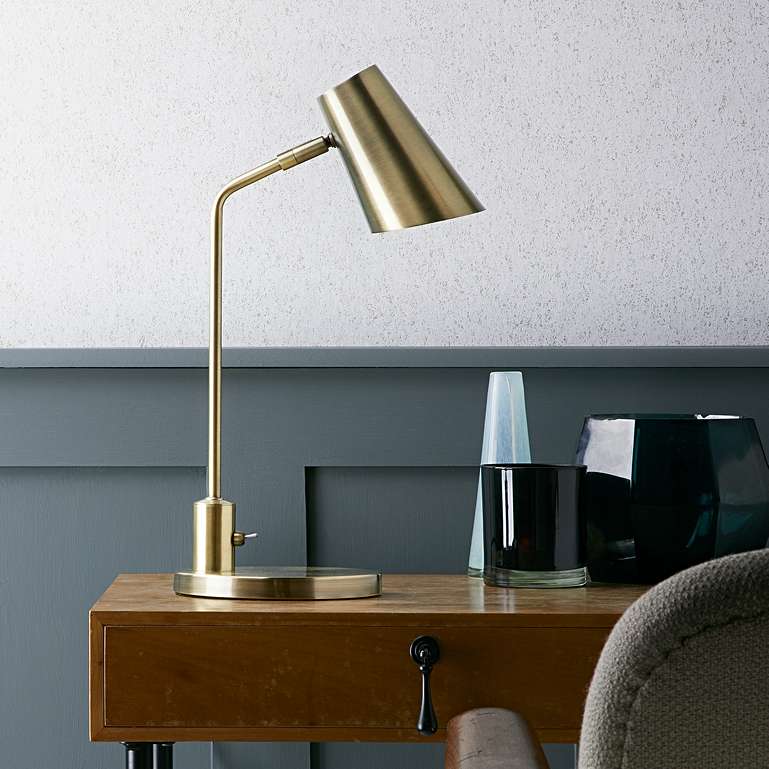
Choosing the right desk lamp can dramatically improve your productivity and eye comfort. Interestingly, a study revealed that the quality of lighting can increase work efficiency by up to 15%. With countless designs and features available, understanding how to select the best one becomes essential.
When choosing a desk lamp, consider the type of bulb as it impacts color temperature and longevity. LED bulbs, for example, tend to offer better energy efficiency and cooler light compared to traditional ones. Additionally, adjustable arms provide flexibility, allowing users to direct light precisely where it’s needed.
- Determine your workspace needs, considering tasks and natural light.
- Choose the appropriate bulb type, such as LED or incandescent.
- Select a style and design that fits your workspace aesthetic.
- Examine adjustable features for flexibility in lighting direction.
- Evaluate energy efficiency and lifespan to maximize cost savings.

How to Choose a Desk Lamp
Picking the right desk lamp can make a big difference in your workspace. First, figure out what you need the lamp for, such as reading, studying, or working on a computer. Each task may require a different type of light. For instance, bright white light is great for reading. Meanwhile, a softer yellow light might be better for computer work.
Next, consider the type of bulb that suits your needs. LED bulbs are energy-efficient and last a long time. Incandescent bulbs, on the other hand, give a warm, cozy glow. Compact fluorescent lamps (CFLs) are another option, offering energy savings with less heat. The right bulb can affect the light quality and your electric bill.
Style and design matter too. A modern, sleek lamp might fit well in a contemporary office, while a classic, wooden lamp could be better for a traditional workspace. Here are a few design features to look for:
- Adjustable arms and heads for directing light
- Dimmer switches to control brightness
- Built-in USB ports for charging devices
Finally, look at energy efficiency and lifespan. Energy-efficient lamps not only save money but also help the environment. Check the lamp’s energy rating and expected lifespan before buying. High-quality lamps may cost more initially but save more in the long run.
Step 1: Determine Your Workspace Needs
The first step in choosing a desk lamp is understanding what you need for your workspace. Think about what tasks you will be doing, such as reading, writing, or working on a computer. Different tasks may require various levels of light intensity. Analyze the natural light in your room as well. If your workspace is already well-lit, you might need a lamp with adjustable brightness.
Consider the size of your desk too. A large desk may benefit from a lamp with a wide light coverage, while a smaller desk might need a compact and flexible lamp. Keep in mind the space taken up by other items like books or a computer. If you have limited space, a clip-on lamp or one with a small base could be more practical. Write down the key features your lamp should have to fit your workspace.
Next, think about the type of activities you’ll be doing. Each activity may need a different kind of lighting. For instance, task lighting focuses light on a specific area, which is ideal for detailed work. Meanwhile, ambient lighting provides general illumination, enhancing the overall brightness of the room.
Additional features can also enhance your workspace. Look for lamps with USB ports if you need to charge devices. Some lamps come with built-in clocks or organizers. Here is a list of extra features to consider:
- Dimming capabilities for adjustable brightness
- Color temperature settings to reduce eye strain
- Flexible necks for easy positioning
Step 2: Consider the Bulb Type
Choosing the right bulb type for your desk lamp is crucial. Each bulb type offers different benefits and drawbacks. LED bulbs are popular because they are energy-efficient and long-lasting. Incandescent bulbs emit a warm light but consume more energy. Compact fluorescent lamps (CFLs) are another option, offering good energy savings and a decent lifespan.
The color temperature of the bulb can affect your focus and comfort. Warm light, with a yellowish hue, is relaxing and suited for late-night tasks. Cool light, which is white or blue-toned, is better for tasks requiring concentration. Here is a list of common bulb types and their features:
- LED: Energy-efficient, long lifespan, cool light
- Incandescent: Warm light, higher energy consumption
- CFL: Moderate energy savings, moderate lifespan
Consider the brightness or lumens of the bulb as well. More lumens mean a brighter light. For reading and detailed tasks, you’ll want a bulb with higher lumens. However, for general ambiance, a lower-lumen bulb might suffice. The right brightness can reduce eye strain and improve your productivity.
Lastly, think about the environmental impact. LED and CFL bulbs are more eco-friendly compared to incandescent bulbs. They consume less electricity and last longer, reducing waste. Investing in energy-efficient bulbs not only saves money but also helps the planet.
Step 3: Choose the Right Style and Design
Selecting the right style and design for your desk lamp is more than just aesthetics. A lamp that complements your workspace can enhance your mood and productivity. Modern styles often feature sleek lines and minimalist designs. Traditional desk lamps, however, may have intricate details and classic finishes. Think about the overall look you want to achieve in your workspace.
Functionality is key when considering design. Lamps with adjustable arms and swiveling heads provide flexibility. This allows you to direct light where it’s needed most. A lamp with a stable base ensures it won’t tip over easily. If you move your lamp around frequently, a lightweight, portable design might be beneficial.
The material of the lamp is also important. Metal lamps are durable and long-lasting, while plastic lamps are often lighter and more affordable. Some lamps even feature a combination of materials for a unique look. Here’s a quick comparison:
- Metal: Durable and sturdy
- Plastic: Lightweight and affordable
- Wood: Gives a natural, rustic look
Don’t forget about color. The color of your lamp can either blend in or stand out in your workspace. Neutral colors like black, white, and gray fit most settings. Bright colors can add a pop of personality or match your room’s theme. Choose a color that makes you feel comfortable and focused.
Additional features can make your desk lamp even more practical. Some lamps come with built-in USB ports, allowing you to charge devices while you work. Others may have touch controls or dimmer switches for easy adjustments. Look for these extra features:
- Built-in USB ports for charging
- Touch controls for ease of use
- Dimmer switches to adjust brightness
Ultimately, the right style and design will depend on your personal preferences and workspace needs. Take your time to explore different options. Visit local stores or browse online to see what fits your style. A well-chosen desk lamp can not only provide the right lighting but also enhance the look of your workspace.
Step 4: Examine the Adjustable Features
Examine the adjustable features of your desk lamp to ensure it meets all your needs. Adjustable arms and heads allow you to direct light exactly where you need it. This feature is especially useful for tasks that require focused lighting, such as reading or detailed work. A lamp with a flexible neck can easily be repositioned. This makes changing the lighting angle quick and effortless.
Consider the range of motion the lamp offers. Some lamps can tilt and swivel in multiple directions, providing greater versatility. These adjustable features can help reduce glare and shadows, improving overall visibility. Here are some common adjustable features:
- Swiveling heads
- Tilting mechanisms
- Extendable arms
Lighting levels are another key feature to examine. Lamps with dimmer switches or multiple brightness settings allow you to control the intensity of light. This can be crucial when transitioning from bright daylight to evening work sessions. Having the ability to adjust the light level can reduce eye strain and make your workspace more comfortable.
Lamps with adjustable color temperature settings are also worth considering. These settings let you switch between cool and warm light tones. Cool light is ideal for concentration, while warm light is more relaxing. A lamp that offers these options can adapt to different tasks and times of the day.
Finally, consider if the lamp has any built-in timers or automatic shut-off features. These added functionalities can help manage power consumption and extend the lamp’s lifespan. Some modern lamps come equipped with smart features that learn your usage patterns, making adjustments even easier. This added convenience can enhance your overall work experience.
Ultimately, the right adjustable features can make your desk lamp far more versatile and user-friendly. Take note of how you work and match those needs with the lamp’s capabilities. This ensures that you get the perfect lighting solution tailored to your activities and preferences.
Step 5: Evaluate Energy Efficiency and Lifespan
Evaluating the energy efficiency and lifespan of a desk lamp is crucial for both your wallet and the environment. Energy-efficient lamps consume less electricity, reducing your utility bills. LED lamps are known for their high energy efficiency, often consuming up to 75% less energy than incandescent bulbs. Even though they might be more expensive upfront, the long-term savings are worth it. Consider how often you’ll be using the lamp to determine the best option.
Lifespan is another important factor. A longer lifespan means you’ll replace the lamp less frequently, saving time and money. LED bulbs generally last longer than other types, sometimes up to 25,000 hours. In contrast, incandescent bulbs might only last around 1,000 hours. A longer-lasting lamp also means less waste, making it a more environmentally friendly choice.
It’s helpful to look at the lamp’s energy rating. Many lamps come with an Energy Star rating, indicating they meet specific energy efficiency criteria. This rating can help you compare different models easily. Here are some key energy-efficient features to look for:
- LED technology
- Energy Star certified
- Automatic shut-off
Some desk lamps also come with built-in timers or motion sensors. These features can automatically turn the lamp off when not in use, further conserving energy. Another option is a solar-powered desk lamp, which uses natural light to charge during the day. This can be an excellent choice if you want to go completely green.
Keep in mind the total cost of ownership. While an energy-efficient lamp might be more expensive initially, the reduced energy bills and fewer replacements can make it cost-effective in the long run. Look for a balance between cost, energy efficiency, and lifespan to ensure you get the best value for your money.
Impact of Suitable Desk Lamp on Productivity
The right desk lamp can significantly boost your productivity. Proper lighting reduces eye strain, making it easier to focus on your tasks for longer periods. For instance, a bright and glare-free light can help in reading small text and working on detailed tasks. Studies have shown that good lighting can increase work efficiency by up to 24%. Therefore, investing in a quality desk lamp is essential.
Natural light is known to improve mood and energy levels. A desk lamp that mimics natural daylight can create a similar effect. This type of lighting helps regulate your body’s internal clock, keeping you alert during work hours. Color temperature also plays a role; cooler lights are best for concentration, while warmer lights are more relaxing.
The flexibility of the lamp is another factor. An adjustable desk lamp allows you to direct the light exactly where you need it, reducing shadows and hotspots that can be distracting. This makes it easier to switch between different tasks without having to constantly readjust your seating position or move papers around.
Dimming features add another level of control over your environment. Being able to adjust brightness according to the time of day or the task at hand can make a significant difference in comfort and clarity. For example, dimmer light may be preferred for late-night work sessions.
Using an energy-efficient desk lamp also has long-term benefits. Not only does it save on electricity bills, but high-quality lamps often include additional features like USB charging ports or built-in organizers as table elements:
| Feature | Benefit |
|---|---|
| USB Charging Port | Convenience of charging devices at your workspace |
| Built-in Organizer | Keeps desk tidy and organized |
Incorporating these factors into your choice will not only enhance your productivity but also contribute to a more comfortable and efficient workspace.
Understanding the Importance of Desk Lamp Positioning
Proper desk lamp positioning is essential for effective lighting. Placing the lamp correctly can reduce glare and shadows, making it easier to focus. Ideally, the light source should be positioned to your left if you’re right-handed and to your right if you’re left-handed. This prevents your hand from casting shadows over your work. Aim to place the lamp about 15 inches above the surface.
The angle of the light also matters. Adjust the lamp so that the light spreads evenly across your workspace. A flexible lamp head can help you achieve the perfect angle. The goal is to illuminate the area without creating harsh shadows or hotspots. Experiment with different angles to find what works best for you.
Consider the type of tasks you’ll be performing. Reading and writing require direct lighting, while computer work may benefit from softer, indirect light. Placing your lamp behind your monitor can help reduce screen glare. Here are some tips for optimal lamp positioning:
- Place the light source to the side of your dominant hand
- Ensure the light covers the entire work area
- Avoid direct light from shining into your eyes
Desk lamp positioning can also affect your overall room lighting. Combining your desk lamp with other light sources like overhead lights or floor lamps can create a balanced lighting scheme. This reduces eye strain and makes the room more comfortable to work in. Balance is key; too much light can be just as problematic as too little.
Lastly, think about the reach of the lamp. A lamp with an adjustable arm can be re-positioned based on different tasks or times of day. This versatility is especially useful if you share your workspace with others. The ability to adjust the lamp’s position ensures that everyone has adequate lighting for their needs.
The Role of Desk Lamp Color Temperature on Eye Comfort
Desk lamp color temperature plays a vital role in maintaining eye comfort. The color temperature of a light source is measured in Kelvins (K) and can range from warm (yellowish) to cool (bluish) tones. Warm light, usually around 2700K to 3000K, creates a cozy atmosphere and is easier on the eyes for relaxing activities. Cool light, which ranges from 5000K to 6500K, mimics natural daylight and is ideal for tasks requiring focus and attention. Choosing the right color temperature can help reduce eye strain and improve productivity.
Warm light is beneficial for evening tasks as it is less likely to interfere with your natural sleep cycle. Exposure to blue light, which is common in cool light sources, can disrupt your circadian rhythm, making it harder to fall asleep. If you often work late into the night, a desk lamp with adjustable color temperature can be very helpful. This allows you to switch to a warmer, more relaxing light as bedtime approaches.
On the other hand, cool light is excellent for detail-oriented tasks. It enhances contrast and reduces eye strain during activities like reading, writing, or working on a computer. The higher Kelvin value stimulates alertness and can help you stay focused for longer periods. Here’s a quick guide to choosing the right color temperature for various tasks:
- 2700K-3000K: Relaxing activities, evening use
- 3500K-4500K: General tasks, daytime use
- 5000K-6500K: Detailed tasks, focus-intensive work
Having an adjustable color temperature setting on your desk lamp can offer the best of both worlds. This feature allows you to tailor the lighting to your needs at any given moment. Some advanced lamps even come with preset modes for reading, relaxing, or working, making it even easier to find the right light.
Remember that other factors, like the brightness (measured in lumens), also affect eye comfort. Combining the appropriate color temperature with the right brightness level ensures you have optimal lighting for any activity. By considering both these aspects, you can create a comfortable and efficient workspace that supports your eye health.
Investing in a desk lamp with customizable settings may seem like a small detail, but it can significantly impact your overall well-being. Making these informed choices helps maintain a productive and comfortable environment. So the next time you’re in the market for a desk lamp, pay attention to the color temperature settings and how they can meet your specific needs.
Frequently Asked Questions
Choosing a desk lamp involves more than just picking one that looks good. Here are some frequently asked questions to help you make an informed decision.
1. What type of lighting is best for reading?
The best type of lighting for reading is cool white light, which ranges from 5000K to 6500K in color temperature. This type of light enhances contrast and clarity, making it easier to see text and reduces eye strain.
An LED lamp with adjustable brightness settings can be particularly effective for reading. This allows you to customize the intensity of the light depending on the time of day and your specific needs.
2. How important is adjustable brightness in a desk lamp?
Adjustable brightness is very important as it helps tailor the light level to various tasks. Whether you are writing, reading, or working on a computer, different activities benefit from different brightness levels.
This feature also allows you to adjust the light based on natural daylight conditions, creating a comfortable work environment throughout the day. It minimizes eye strain and maximizes productivity.
3. Are LED bulbs better than incandescent bulbs for desk lamps?
LED bulbs are generally better than incandescent bulbs because they are more energy-efficient and last longer. LEDs produce less heat, ensuring a cooler work environment while consuming up to 75% less energy compared to incandescent options.
Additionally, many LED lamps come with adjustable color temperatures and brightness settings, offering greater flexibility for various tasks. They are also environmentally friendly due to their extended lifespan and lower energy consumption.
4. What features should I look for in a modern desk lamp?
A modern desk lamp should have adjustable arms or heads, dimmable settings, and multiple color temperature options. These features make it easy to customize your lighting for different tasks and times of the day.
Moreover, additional functionalities like built-in USB ports or wireless charging pads can enhance convenience by reducing clutter on your desk. Look for these adaptable features when choosing your next desk lamp.
5. How does color temperature affect my workspace comfort?
The color temperature affects how comfortable your eyes feel over long periods of use. Cooler tones (5000K-6500K) promote alertness and focus, ideal for daytime work sessions involving detailed tasks.
Warmer tones (2700K-3000K) create a relaxing atmosphere suitable for evening activities or winding down before bed. Adjustable color temperature settings can provide optimal comfort based on your specific needs at any given time of the day.
Conclusion
Choosing the right desk lamp involves considering various factors like bulb type, style, and adjustable features. Each component plays a crucial role in enhancing your workspace and boosting productivity. It’s essential to evaluate your specific needs before making a purchase.
Remember, a well-chosen desk lamp not only improves lighting but also adds to the overall aesthetics of your space. Investing in the right lamp can make your work environment more comfortable and efficient. Take your time, research well, and choose wisely.

I’m Emily Johnson, an affiliate marketer and blogger focused on lamps and lighting. I share honest reviews, simple buying guides, and practical tips. My goal is to help readers choose the right lamp for their space, style, and budget with confidence.