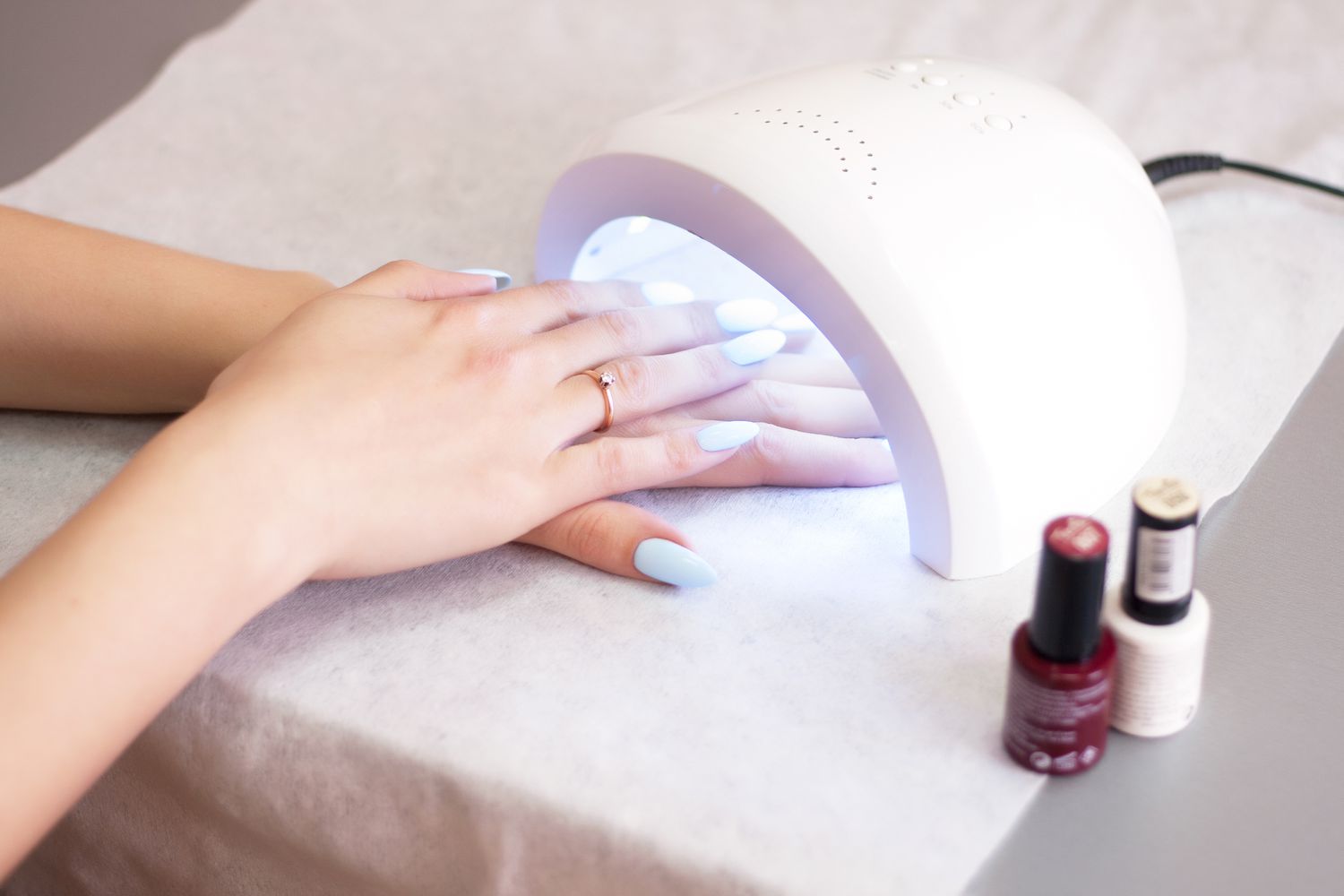
Have you ever wondered if the investment in a gel lamp could double-duty for your regular nail polish? This question frequents the minds of beauty enthusiasts and professionals alike. Surprisingly, the answer isn’t straightforward, stirring curiosity and fueling debates in nail salons globally.
Historically, gel lamps have been designed specifically for curing gel polish, but can they work for regular nail polish? While gel lamps can speed up drying time for regular polish, they don’t offer the same hardening effect. According to a study, using a gel lamp can reduce drying time by approximately 50%, but it doesn’t ensure lasting durability. This solution is practical yet somewhat limited.
:max_bytes(150000):strip_icc()/053023-uv-manicure-lead-40ab0c68904a4ff1b4710cc8dfb0bdc9.jpg)
Can You Use a Gel Lamp for Regular Nail Polish
Many nail enthusiasts wonder whether they can use a gel lamp for regular nail polish. Generally, gel lamps are designed to cure gel polish by using UV or LED light. This process helps harden the gel quickly, ensuring a long-lasting manicure. However, regular nail polish has a different chemical composition, so the lamp does not cure it in the same way. This can lead to mixed results when using a gel lamp with regular polish.
Technically, a gel lamp can speed up the drying process of regular nail polish. But it will not provide the same durability or hardness as it does with gel polish. According to this post, a gel lamp can reduce the drying time for regular polish by about 50%. However, this convenience comes with limitations, as the polish may still chip or smudge more easily.
If you’re looking for a quick-dry solution for regular nail polish, a gel lamp could be handy. Yet, it won’t offer the same benefits you get from using the lamp with gel polish. Users should know that while the lamp might speed up drying time, it won’t make the polish last longer. Therefore, it’s essential to manage expectations when using these two products together.
So, can you use a gel lamp for regular nail polish? The answer is yes, but with some reservations. The lamp offers quicker drying but doesn’t improve the polish’s longevity. For those intrigued by the idea, it’s important to remember these points to make an informed decision. Always weigh the pros and cons to see if this method works for your manicure needs.
The Basics of Gel Lamps and Their Use with Regular Nail Polish
Gel lamps are primarily designed to cure gel nail polish through the use of UV or LED light. This curing process helps to harden the gel polish quickly, making it durable and long-lasting. Regular nail polish, on the other hand, dries through a process of evaporation. This fundamental difference means gel lamps are not optimized for regular polish.
The principle behind gel lamps is straightforward; they emit light at specific wavelengths. This light activates photo-initiators within the gel polish, causing it to harden. For regular nail polish, this light does not create the same chemical reaction. According to this expert opinion, using a gel lamp can help reduce drying time by warming the polish, but it won’t cure it.
If considering using a gel lamp with regular nail polish, knowing its benefits and limitations is essential. While a lamp can help speed up the drying process, it won’t provide the same durability. Expect your manicure to dry faster but not last as long as a fully cured gel manicure. The quick-dry feature can be convenient, yet it does not replace the traditional drying method.
So, when might you decide to use a gel lamp with regular nail polish? It’s mainly for the convenience of reducing drying times. Yet, remember that this approach has limitations, and achieving a durable finish is unlikely. This mixed efficacy makes gel lamps a temporary solution rather than a permanent fix for regular polish.
How Gel Lamps Affect the Drying of Regular Nail Polish
Gel lamps can significantly influence the drying time of regular nail polish. The UV or LED light emitted by these lamps generates heat, which speeds up the evaporation process of the solvents in regular polish. This faster evaporation means that the top layer of polish can dry quicker than it would under normal conditions. However, it’s important to note that this is not a thorough curing process like with gel polish.
When using a gel lamp with regular nail polish, it’s beneficial in reducing the risk of smudges soon after application. This is because the faster drying of the top layer gives the polish a more solid appearance. However, the layers beneath might still be soft and vulnerable. Therefore, it’s advisable to let the polish dry longer even after using a gel lamp to ensure a fully dry manicure.
One downside is that the gel lamp might not dry the polish evenly. Regular nail polish dries from the outside in, which means that while the top layer is dry, the underlying layers might still be in a liquid state. This can cause issues such as dents or prints if pressure is applied too soon. To avoid this, you might need to use additional quick-dry products or simply allow more drying time.
Despite its limitations, using a gel lamp can enhance your manicure routine. Benefits include reduced drying time and fewer chances of immediate smudges. However, it’s crucial to balance the convenience with the understanding that regular nail polish will not gain the hardness of gel polish. By managing expectations, one can incorporate gel lamps as a handy tool in nail care.
Advantages and Limitations of Using a Gel Lamp for Regular Nail Polish
The convenience of using a gel lamp with regular nail polish is a significant advantage. Speeding up the drying process is a primary perk, appealing to those who often find themselves short on time. With a gel lamp, the top layer of polish can dry in minutes. This helps reduce smudging and allows you to get back to your activities sooner. It’s a time-saver that many appreciate.
Another benefit is the enhancement in overall appearance immediately after application. The quick drying of the top layer results in a glossy finish that looks professionally done. This can be particularly useful for last-minute events or when you need your nails looking their best fast. Though it might not provide the same hardness as gel polish, the polish will still look neat and tidy. This immediate gratification appeals to many users.
However, there are limitations to consider. One drawback is that the inner layers of polish may remain soft and prone to damage. This can lead to imprint marks, dents, and chips if the polish is not fully dried before engaging in daily activities. The gel lamp primarily affects the top layer, so deeper layers should be given adequate time to dry naturally. Awareness of this limitation can prevent frustrating mishaps.
Another limitation is the uneven drying result. While the top layer dries quickly, the middle and lower layers may not achieve the same level of hardness. This unevenness can compromise the longevity of your manicure. Additionally, using a gel lamp doesn’t eliminate the need for a good top coat and base coat for protection.
Regular nail polishes were not formulated for use with gel lamps, which can also lead to unpredictable results. This combination might work for some polishes but not for others. Therefore, it’s advisable to perform a test trial before fully committing to using a gel lamp for every manicure. Understanding this can help manage your expectations.
Frequently Asked Questions
Wondering about the use of gel lamps for regular nail polish and similar topics? Here are some frequently asked questions to help you understand their relation and functionality better.
1. What is the primary function of a gel lamp in manicure treatments?
A gel lamp primarily cures gel nail polish by using UV or LED light. This curing process hardens the gel polish, making it more durable.
The hardened result is resistant to chipping and lasts much longer than regular nail polish. This durability makes gel lamps essential in professional manicures.
2. How long does it take for a gel lamp to cure gel polish?
Curing time with a UV or LED lamp varies based on the brand of polish used. Typically, it ranges from 30 seconds to two minutes.
Make sure to follow the manufacturer’s guidelines for accurate timing. This ensures proper curing and excellent results every time.
3. Are there any risks associated with using a gel lamp?
One main concern is exposure to UV light, which can be harmful over time. To minimize risk, many modern lamps use LED lights instead of UV bulbs.
You should also consider applying sunscreen on your hands before use or wearing protective gloves designed for manicures. These precautions can help keep your skin safe.
4. Can I mix different brands of gel polish and still use a gel lamp?
While it’s possible to mix brands, it’s not always recommended due to compatibility issues. Different brands may have varying formulations that could affect curing time or overall effectiveness.
Stick with one brand whenever you can to ensure consistent results. Always follow the specific instructions provided by each brand for best outcomes.
5. Is it necessary to use a base coat when applying gel polish?
Yes, using a base coat is crucial in applying any type of nail polish, including gels. The base coat helps the color adhere better and protects your natural nails from stains and damage.
This layer provides an even surface for your color coat, enhancing overall appearance and longevity of your manicure. Skipping this step can lead to less satisfactory results.
Conclusion
Using a gel lamp for regular nail polish offers some benefits, such as reduced drying time. However, it does not provide the same durability as curing gel polish. Understanding these differences is key for achieving the best results in your nail care routine.
While convenient, relying solely on a gel lamp may not meet all your manicure needs. A balanced approach that recognizes both the advantages and limitations can help enhance your nail care experience. Always weigh the pros and cons to make informed decisions.

I’m Emily Johnson, an affiliate marketer and blogger focused on lamps and lighting. I share honest reviews, simple buying guides, and practical tips. My goal is to help readers choose the right lamp for their space, style, and budget with confidence.