
The efficiency of solar lamps often leads to a common assumption: they require direct sunlight to function optimally. Interestingly, while direct sunlight is undoubtedly beneficial, solar lamps can still absorb and store energy even on cloudy days. This nuanced capability allows solar technology to be more versatile than many initially presume.
Historically, solar lamps were designed with the premise of maximizing exposure to direct sunlight. Modern advancements, however, have led to improved photovoltaic cells capable of capturing diffuse sunlight. An enlightening statistic reveals that even in overcast conditions, solar panels can produce up to 25% of their rated capacity, ensuring that well-designed solar lamps remain operational in varied lighting conditions.
Do Solar Lamps Need Direct Sunlight?
Many people think that solar lamps only work with direct sunlight. This isn’t entirely true. Solar lamps can still charge even on cloudy days. They capture diffused sunlight, which helps them store energy. This means they can work in various weather conditions.
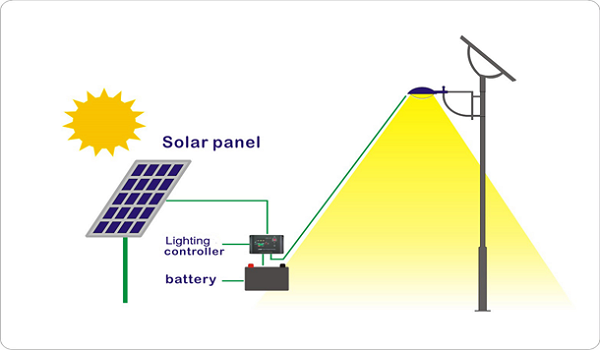
Solar lamps are made with photovoltaic cells. These cells convert sunlight into electricity. Direct sunlight charges them faster and more efficiently. However, even in shaded areas, they can still collect energy. This is why solar lamps often work even when it’s not sunny.
Many modern solar lamps are designed to maximize energy absorption. According to the article, they have advanced technologies that enable them to function in less-than-ideal conditions. The improvement means you don’t always need bright sunlight. These advancements help make solar lamps a reliable source of light.
In highly cloudy regions, solar lamps might not reach full capacity. This can slightly reduce their brightness or working hours. However, they remain an excellent eco-friendly option. For more details on enhancing solar lamp efficiency and to explore cordless options, here is the post. Such features ensure that you have light even if the weather is not perfect.
Powering Solar Lamps: Direct Sunlight Vs. Diffuse Sunlight
The primary difference between direct and diffuse sunlight lies in the intensity and direction of light. Direct sunlight comes in a straight path from the sun, hitting the solar panels directly. This straightforward approach allows solar lamps to charge faster. However, diffuse sunlight is scattered by clouds and the atmosphere. It reaches the panels from multiple directions and with less intensity.
When solar lamps receive direct sunlight, they operate at peak efficiency. They can absorb the maximum amount of sunlight and convert it into electricity quickly. This makes them ideal for areas with consistent, clear skies. On the other hand, diffuse sunlight can still power solar lamps, albeit more slowly. The overall charging time increases, but the lamps still function.
According to this expert opinion, solar lamps in regions with frequent cloud cover gather enough diffuse light to work. However, they may not reach full capacity every day. Homeowners might notice a slight decrease in the lamp’s brightness or duration. Despite this, the versatility of solar lamps ensures reliable performance. The ability to harness both types of sunlight makes them a valuable lighting solution.
| Sunlight Type | Charging Speed | Ideal Conditions |
|---|---|---|
| Direct Sunlight | Fast | Clear Skies |
| Diffuse Sunlight | Slow | Cloudy or Overcast |
How Solar Lamps Operate in Different Weather Conditions
Solar lamps are designed to work in various weather conditions. On sunny days, they can fully charge their batteries quickly. The direct sunlight boosts their energy absorption. This makes the lamps shine brightly for extended periods. Even a few hours of sunlight can provide significant power.
On cloudy days, the operation changes slightly. Solar lamps rely on diffuse sunlight which is less intense. Charging becomes slower, but it doesn’t stop. The lamps can still gather enough energy to function. They may not reach full brightness but will produce a reliable light source.
In rainy or snowy weather, solar panels face the most challenge. Water and snow can cover the panels, reducing their efficiency significantly. It’s essential to clean the panels regularly during these times. Despite the reduced energy collection, modern solar technology ensures some level of operation. This makes them resilient against harsh weather.
| Weather Condition | Charging Efficiency | Recommended Maintenance |
|---|---|---|
| Sunny | High | Minimal |
| Cloudy | Moderate | Occasional Cleaning |
| Rainy/Snowy | Low | Frequent Cleaning |
Efficiency Rates of Solar Lamps in Direct and Indirect Sunlight
Solar lamps perform best under direct sunlight. When exposed to direct rays, the photovoltaic cells can capture maximum energy. This results in faster charging times and higher brightness levels. Typically, these lamps reach their full potential within just a few hours. It’s the optimal condition for their operation.
Indirect sunlight also plays a significant role in charging solar lamps. While not as powerful, diffuse light still contributes to energy storage. The efficiency drops compared to direct sunlight but remains sufficient for basic operation. Lamps often take longer to charge under these conditions. However, advancements in solar technology have improved the capture of diffuse light.
| Sunlight Type | Efficiency Rate | Charging Time |
|---|---|---|
| Direct Sunlight | High | Short |
| Indirect Sunlight | Moderate | Long |
According to solar experts, exposure to indirect sunlight ensures solar lamps are not entirely dependent on perfect weather. During overcast days, they might not achieve full brightness. However, they can still provide noticeable light. The efficiency rate during these days hovers around 20-30% of their maximum capacity. It shows the adaptability of solar technology in varying conditions.
In shaded areas, the panel’s alignment also affects efficiency. If the solar panels can tilt or adjust to capture available light, they perform better. Smart designs now include adjustable panels to maximize exposure to indirect sunlight. This flexible approach ensures lights remain functional. Thus, solar lamps continue to be versatile in multiple environments.
Technological Advancements Enhancing Solar Lamp’s Sunlight Absorption
Recent advancements in solar technology have greatly improved sunlight absorption in solar lamps. Modern photovoltaic cells are now more efficient than ever, capturing a broader spectrum of light. This means even indirect sunlight can be effectively converted into electricity. These improvements make solar lamps more reliable. New materials and cell designs play a crucial role in this progress.
One remarkable innovation is the use of bifacial solar cells. Unlike traditional cells, bifacial ones can capture sunlight from both sides. This doubles the potential energy absorption, especially in reflective environments. It’s an ingenious solution for areas with limited direct sunlight. These cells maximize energy capture, making solar lamps more efficient. The overall performance greatly benefits from such technology.
| Technological Advancement | Benefit |
|---|---|
| Bifacial Solar Cells | Double-sided light absorption |
| Adjustable Panels | Better orientation towards light |
| Advanced Photovoltaic Materials | Higher energy conversion rates |
Another major advancement is the integration of adjustable panels. These panels can tilt and rotate to follow the sun’s path. This dynamic adjustment means the panels get optimal exposure throughout the day. As a result, the lamps charge more effectively regardless of the sun’s position. Such flexibility has made solar lamps far more adaptable and efficient.
Advanced photovoltaic materials have also played a pivotal role. New materials have higher energy conversion rates and greater durability. They can withstand various environmental factors while maintaining high efficiency. These materials are designed to optimize light absorption and conversion. With these advancements, solar lamps continue to evolve and perform better.
Frequently Asked Questions
Here are some commonly asked questions about solar lamps. Discover how they work and their benefits in various conditions.
1. How do solar lamps store energy?
Solar lamps use photovoltaic cells to capture sunlight and convert it into electricity. This electricity is stored in rechargeable batteries within the lamp. When darkness falls, the lamp uses this stored energy to provide light.
The efficiency of energy storage depends on several factors, including the quality of the photovoltaic cells and battery capacity. High-quality components ensure more reliable performance, even on cloudy days or during winter months.
2. Can solar lamps work indoors?
Yes, solar lamps can work indoors if they receive enough light from an outside source during the day. Place them near a window where they can capture natural sunlight for optimal charging.
While indoor usage is possible, charging efficiency might be lower compared to outdoor exposure under direct sunlight. Consider placing them outside periodically for better performance.
3. What factors affect a solar lamp’s charging time?
The charging time of a solar lamp depends mainly on the intensity and duration of sunlight exposure. Direct sunlight charges batteries faster than indirect or diffuse light.
Other significant factors include the angle and placement of the photovoltaic cells and weather conditions like clouds or rain that may obstruct sunlight. Proper orientation and maintenance improve efficiency.
4. Are there any maintenance requirements for solar lamps?
Solar lamps generally require minimal maintenance but keeping them clean is essential for efficient operation. Regularly wipe off dust, dirt, and debris from photovoltaic panels to maximize light absorption.
If you live in an area with heavy snowfall or rain, ensure that water doesn’t accumulate on the panels as it can affect performance. Periodic battery checks are also recommended to ensure longevity.
5. How long do solar lamps typically last?
The lifespan of a solar lamp can vary but generally lasts between 2-5 years for most models. The primary factor affecting lifespan is battery quality; high-quality lithium-ion batteries tend to last longer than other types.
The durability of physical materials used in construction also plays a role in how long the lamp will function effectively outdoors without succumbing to weather-related wear and tear.
Conclusion
Solar lamps have become a versatile and efficient lighting solution. Advances in technology allow them to capture both direct and diffuse sunlight, ensuring consistent performance in various weather conditions. These lamps provide an eco-friendly way to illuminate spaces, both indoors and outdoors.
With minimal maintenance requirements and impressive durability, solar lamps are a reliable choice. Their ability to store energy effectively makes them suitable for different environments. As technology progresses, the capabilities of solar lamps will continue to improve, benefiting even more areas worldwide.

I’m Emily Johnson, an affiliate marketer and blogger focused on lamps and lighting. I share honest reviews, simple buying guides, and practical tips. My goal is to help readers choose the right lamp for their space, style, and budget with confidence.