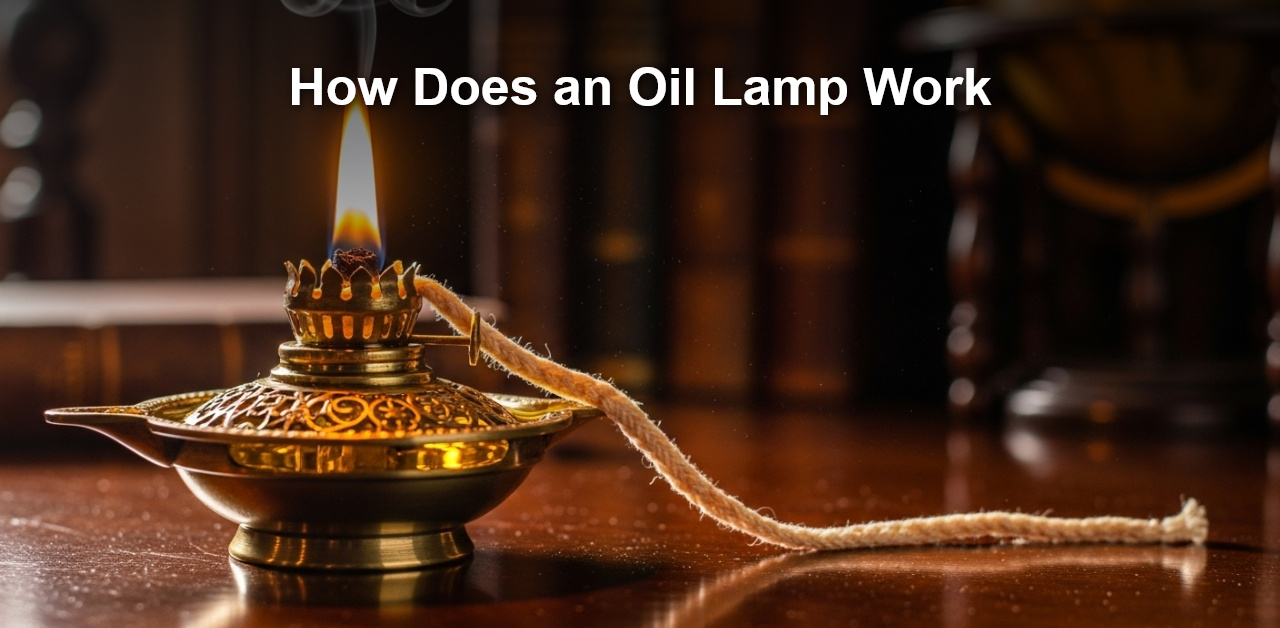
An oil lamp works by lighting a wick immersed in oil, providing a continuous flame for illumination. Oil lamps have been used for thousands of years as a source of light.
These lamps consist of a container, often made of clay, glass, or metal, filled with oil. A wick, usually made of cotton, is then placed into the oil, with one end protruding from the lamp. When the wick is lit, the flame burns the oil in the wick, providing a steady source of light.
As the oil is consumed, the wick needs to be trimmed to maintain a consistent flame. Oil lamps were a significant advancement in ancient times, offering a safer and more controlled alternative to open fires or torches. Today, they are still used for decorative purposes and as a backup lighting option during power outages.
How Does an Oil Lamp Work
Oil lamps have been used for centuries to provide light in homes and other spaces. They are simple yet effective devices that rely on a few key components to function. Understanding how an oil lamp works can help you appreciate the ingenuity behind this ancient technology.
Components Of An Oil Lamp
An oil lamp consists of the following components:
- Container: The container holds the fuel, usually oil, that provides the source of light.
- Wick: The wick is a piece of material that absorbs the oil from the container and carries it to the flame.
- Flame: The flame is produced when the oil-soaked wick is lit.
The Working Principle
The working principle of an oil lamp can be summarized in three simple steps:
- Fuel Absorption: When the wick is placed in the oil container, it absorbs the oil through capillary action. This ensures a steady supply of fuel to the flame.
- Ignition: To light the oil lamp, the tip of the wick is ignited using a match or another source of fire. The flame gradually climbs up the wick as it burns the fuel.
- Continued Combustion: As the oil is drawn up the wick and burned, it generates heat and light. The flame burns steadily as long as there is fuel available in the container.
How The Components Interact
The container holds the oil, which acts as the fuel for the lamp. The wick, when soaked in the oil, uses capillary action to draw the oil towards the flame. This consistent fuel supply allows the flame to burn steadily, producing light and heat.
The shape of the wick and its placement in the lamp can affect the performance of the oil lamp. A well-designed wick allows for efficient fuel absorption and even burning, maximizing the lamp’s functionality. Additionally, the wick needs to be trimmed regularly to prevent excessive smoking and ensure a clean, bright flame.
Advantages Of Oil Lamps
Oil lamps have several advantages over other lighting options:
- Portability: Oil lamps are portable, allowing for lighting in various locations without the need for electricity.
- Reliability: Oil lamps can function during power outages or in remote areas where electricity is unavailable.
- Ambiance: The soft, warm glow of an oil lamp creates a cozy and nostalgic atmosphere.
- Historical Significance: Using oil lamps connects us to our past and the history of human ingenuity.
Overall, an oil lamp is a simple yet reliable device that has stood the test of time. Understanding its workings and advantages can help you appreciate its charm and versatility.
Oil lamps have a long and fascinating history that dates back thousands of years. They were a crucial source of light and warmth in ancient civilizations when electricity was yet to be discovered. Understanding the origins of oil lamps gives us a glimpse into the ingenuity and resourcefulness of our ancestors. Let’s dive into the ancient history of oil lamps and explore the materials used in early oil lamps.
Ancient History Of Oil Lamps
The use of oil lamps can be traced back to ancient times, where they served as vital sources of light in daily life. The earliest evidence of oil lamps comes from the Bronze Age, around 3000 BCE, in the regions of Mesopotamia and Egypt. These early lamps were simple clay vessels with a spout that held a wick dipped in oil.
The design of oil lamps evolved over time, with different civilizations adding their unique touches. In ancient Greece and Rome, oil lamps became more elaborate, featuring decorative handles and intricate patterns on their bodies. The popularity of oil lamps continued to grow throughout the Middle Ages and the Renaissance, until the advent of electric lighting.
Materials Used In Early Oil Lamps
The materials used in early oil lamps varied depending on the resources available in each region. Some of the commonly used materials include:
- Clay: Clay was a popular choice for constructing oil lamps due to its abundance and malleability. Lamp makers would mold clay into various shapes and sizes, creating functional and decorative lamps.
- Stone: In regions where clay resources were scarce, stone lamps were prevalent. Stone provided a sturdy and durable material for crafting oil lamps.
- Bronze: The use of bronze for oil lamps was prominent in ancient Greece and Rome. Bronze lamps were highly valued for their aesthetic appeal and were often adorned with intricate engravings.
- Animal horns: In some cultures, animal horns were utilized as makeshift oil lamps. The horn would be hollowed out and filled with oil, then a wick would be inserted for lighting.
The materials used in early oil lamps demonstrate the resourcefulness of ancient civilizations. They made the best use of the materials available to them, creating functional and beautiful lamps that served as essential sources of light.
The Mechanics Behind Oil Lamps
Oil lamps have been used for centuries as a reliable source of light, with their simple design and mechanics making them a practical and efficient option in various settings. Understanding the mechanics behind oil lamps can help us appreciate the ingenuity behind their functioning. In this section, we will explore the components of an oil lamp and delve into the fascinating capillary action and wick functionality that make these lamps work.
Components Of An Oil Lamp
Oil lamps consist of several key components that work together harmoniously to produce light. These components include:
- Reservoir: The reservoir is where the fuel, typically oil, is stored. It is designed to hold a sufficient amount of fuel to provide a steady and long-lasting flame.
- Wick: The wick is a crucial element of an oil lamp as it allows the fuel to travel upwards to be burned. It is typically made of cotton or other absorbent materials.
- Chimney: The chimney is a cylindrical or conical glass or metal structure that surrounds the flame. It helps to direct the flow of air and protect the flame from drafts.
Capillary Action And Wick Functionality
The mechanics behind oil lamps rely on the concept of capillary action and the functionality of the wick.
Capillary action:
Capillary action is the ability of a liquid, such as oil in an oil lamp, to flow in narrow spaces against the force of gravity. When the wick is placed in contact with the fuel, the liquid is drawn upward through the tiny spaces between the fibers of the wick. This action occurs due to the adhesive and cohesive forces between the liquid and the solid materials.
Wick functionality:
The wick acts as a conduit for the fuel to reach the flame. As the fuel is drawn up through the wick via capillary action, the heat from the flame causes the fuel to vaporize and combine with oxygen, resulting in combustion and the production of light.
The height of the wick determines the size of the flame, with a longer wick creating a larger flame. By adjusting the height of the wick, the intensity of the light can be controlled.
Moreover, it is important to choose the right type of oil for an oil lamp. Vegetable oils, such as olive oil or soybean oil, are commonly used due to their low volatility and clean-burning properties. These oils produce minimal smoke and odor, making them ideal for indoor use.
Understanding the mechanics behind oil lamps allows us to appreciate the innovation behind this ancient lighting device. The combination of capillary action and wick functionality enables oil lamps to provide a steady and reliable source of illumination, evoking a sense of nostalgia and warmth in any setting.
Types Of Oil Lamps
Oil lamps have been used for centuries as a reliable source of light. These lamps work by burning oil, usually a combination of kerosene, lamp oil, or even vegetable oil, which fuels a wick that produces a steady flame. There are various types of oil lamps available, each with its own unique design and functionality. In this section, we will explore the different types of oil lamps and how they work.
Simple Wick Oil Lamps
One of the most basic types of oil lamps is the simple wick oil lamp. These lamps consist of a reservoir that holds the oil and a wick that draws the oil up to the flame. The wick is usually made of cotton or fiberglass, which absorbs the oil and allows it to burn gradually. Simple wick oil lamps are easy to use and maintain, making them a popular choice for both indoor and outdoor lighting.
Flat Wick Oil Lamps
Flat wick oil lamps, as the name suggests, feature a flat wick that burns the oil. The wick is made of a wide strip of cotton, providing a larger surface area for the oil to burn. This design allows for a brighter, more intense flame, making flat wick oil lamps ideal for areas that require a stronger light source. They are commonly used in workshops, camping trips, and emergency situations.
Candlewick Oil Lamps
Candlewick oil lamps are another type of oil lamp that uses a cotton wick. However, unlike other oil lamps, this wick resembles a candle wick. The wick is tightly bound and self-contained within the lamp, resembling a single, elongated candle flame. This unique design creates a soft and gentle light, perfect for creating a cozy and intimate atmosphere. Candlewick oil lamps are often used in home decor and as a decorative lighting option.
Cosmic Oil Lamps
Cosmic oil lamps are distinct from other types of oil lamps due to their innovative design. They typically feature a glass globe surrounding the flame, creating a mesmerizing and ethereal effect. The glass globe not only protects the flame from drafts but also amplifies the light, making it more visible and radiant. Cosmic oil lamps are a popular choice for adding a touch of elegance to any room or outdoor space, and their unique design makes them a conversation starter.
Getting The Best Performance From An Oil Lamp
To achieve optimal performance from an oil lamp, it is essential to understand how it works. By carefully maintaining the wick, choosing the right fuel, and adjusting the flame, you can ensure that your oil lamp provides reliable and efficient lighting.
Choosing The Right Fuel
An important aspect of optimizing the performance of an oil lamp is selecting the right fuel. The type of fuel you use can greatly impact the brightness, duration, and efficiency of the lamp. When choosing a fuel, consider the following:
- Quality: Opt for high-quality lamp oil that burns cleanly and doesn’t produce excessive smoke or odor.
- Refined variants: Refined lamp oils, such as kerosene or distilled oil, are recommended due to their low impurity content, promoting a more consistent and reliable burn.
- Additives: Be cautious of using fuels with additives or scents, as these can affect the performance and emit undesirable fumes.
Maintaining The Wick For Optimal Performance
A well-maintained wick is crucial for the optimal performance of an oil lamp. Here are a few key points to keep in mind:
- Cleanliness: Regularly clean the wick by trimming off any charred or damaged portions. Trim the wick to about 1/8-inch prior to each usage to ensure a consistent flame.
- Replacement: Replace the wick periodically to avoid a buildup of residue and ensure a clean and efficient burn.
- Proper positioning: Position the wick in the center of the burner to prevent uneven burning and excessive smoke production.
Proper Placement And Draft Control
To maximize the performance of an oil lamp, it’s essential to place the lamp in an appropriate spot and control the draft effectively. Consider the following guidelines:
- Adequate ventilation: Ensure the lamp is placed in a well-ventilated area to allow for optimal oxygen flow, aiding in a cleaner burn.
- Avoid drafts: Position the lamp away from drafty areas, such as open windows or doorways, as excessive airflow can cause flickering or uneven burning.
- Adjusting the burner: Familiarize yourself with the lamp’s draft control mechanisms, such as rotating collars or vents, to regulate the airflow and achieve a steady flame.
In summary, optimizing the performance of an oil lamp involves choosing the right fuel, maintaining the wick, and ensuring proper placement and draft control. By following these guidelines, you can enjoy a brighter and more efficient lighting experience with your oil lamp.
The Allure Of Oil Lamps In Modern Times
Oil lamps continue to captivate modern audiences with their timeless allure. Operating by harnessing the power of oil as a fuel source, these lamps provide a fascinating glimpse into the past while still serving as a functional lighting option in the present.
Discover the enchanting mechanics behind these lamps’ working mechanism, and embrace the comforting glow they emit today.
Decorative And Aesthetic Appeal
In the fast-paced world of modern technology, it’s easy to overlook the simple beauty found in traditional oil lamps. These vintage lighting fixtures hold a certain allure that cannot be replicated by their electric counterparts. With their elegant designs and warm, flickering glow, oil lamps bring a touch of nostalgia and charm to any space. Whether displayed as decorative pieces on a mantel or used as centerpieces at special events, oil lamps exude a timeless beauty that captivates both the eye and the imagination.
Functional And Emergency Lighting
While oil lamps are certainly admired for their aesthetic appeal, it’s important not to overlook their practical purpose as sources of light. In today’s world of power outages and natural disasters, having a reliable backup lighting option is invaluable. Oil lamps offer a steadfast solution, providing a dependable glow that can guide us through moments of darkness.
Their portability allows them to be easily moved from room to room, ensuring that light is always within reach, no matter the circumstances. This functionality pairs seamlessly with their decorative charm, making oil lamps a versatile and essential addition to any home or emergency preparedness kit.
Environmental Benefits Of Oil Lamps
With sustainability at the forefront of many minds, it’s worth noting the environmental advantages that oil lamps offer. Unlike their electric counterparts that rely on energy from the grid, oil lamps rely on readily available fuel sources such as vegetable oil or kerosene. By utilizing these renewable resources, oil lamps reduce our reliance on non-renewable energy and lower our carbon footprint.
Additionally, oil lamps produce minimal waste, as their containers can be easily refilled and reused, saving plastic and reducing landfill waste. Embracing the use of oil lamps not only adds a touch of old-world charm to our modern lives but also contributes to a more sustainable and environmentally conscious future.
Frequently Asked Questions On How Does An Oil Lamp Work
How Does An Oil Lamp Work?
An oil lamp works by burning fuel, such as oil or kerosene, with a wick, creating a controlled flame that provides light.
What Are The Different Parts Of An Oil Lamp?
The different parts of an oil lamp include the reservoir for fuel, the burner that holds the wick, the chimney that directs the flame, and the base for stability.
How Long Does An Oil Lamp Burn?
The burning time of an oil lamp depends on the size of the reservoir and the type of fuel used. Generally, it can burn for several hours to a few days.
Are Oil Lamps Safe To Use Indoors?
Yes, oil lamps are safe to use indoors as long as they are used properly and the area is well-ventilated. However, it is important to follow safety guidelines and never leave a burning lamp unattended.
Conclusion
To wrap it up, an oil lamp works by utilizing the simple principles of combustion and capillary action. As the fuel burns, it heats the wick and draws the liquid oil upwards, creating a continuous source of light. Although we live in a tech-driven era, understanding the mechanics behind traditional oil lamps can offer a sense of appreciation for our past and the innovations that have shaped our present.
So, next time you admire the gentle glow of an oil lamp, remember the beauty lies not just in its illumination but in the intricate workings that make it possible.

I’m Emily Johnson, an affiliate marketer and blogger focused on lamps and lighting. I share honest reviews, simple buying guides, and practical tips. My goal is to help readers choose the right lamp for their space, style, and budget with confidence.