
Yes, oil lamps can be safe if proper precautions are taken and they are used correctly. Oil lamps can provide reliable and atmospheric lighting, but it’s important to be aware of potential hazards such as fire risk and the release of harmful fumes.
When using oil lamps, ensure they are placed on stable surfaces away from flammable materials, and use high-quality lamp oil or fuel. Regularly clean and inspect the lamps for any leaks or damage, and extinguish the flame before leaving the room or going to sleep.
By following these safety measures, oil lamps can be a safe and effective lighting option.

Credit: www.health.harvard.edu
Understanding Oil Lamps
Components Of An Oil Lamp
Before diving into the safety aspects of oil lamps, it’s essential to understand their components. Oil lamps consist of four key elements that work together to provide illumination. These components include:
- Burner: The burner is responsible for holding the oil and guiding the flame. It typically consists of a wick holder and a chimney that helps control the airflow.
- Wick: The wick absorbs the oil from the burner and transports it to the flame, ensuring a steady and controlled burn.
- Font: The font acts as the oil reservoir, providing a continuous supply of fuel to the burner. It is usually made of glass or metal.
- Base: The base supports the entire lamp and often includes a handle for easy transportation and hanging.
Understanding the various components of an oil lamp allows us to appreciate its functionality and shed light on its safety features.
How Oil Lamps Work
Now that we are familiar with the components, let’s explore how oil lamps work. The process can be summarized in three simple steps:
- Fuel Absorption: The wick absorbs the oil from the font, saturating itself with fuel.
- Combustion: As the wick reaches the flame, it ignites, allowing the oil to burn and produce light. The chimney around the flame helps control the airflow, ensuring a steady and controlled burn.
- Continued Illumination: As the oil burns, the wick continuously transports more fuel from the font, providing a sustained source of light.
This straightforward mechanism has been trusted for centuries to provide reliable and atmospheric lighting. However, it’s crucial to follow proper safety measures to ensure the responsible use of oil lamps.
Understanding the inner workings of oil lamps not only enhances our appreciation for their timeless beauty but also enables us to address any concerns regarding their safe usage.
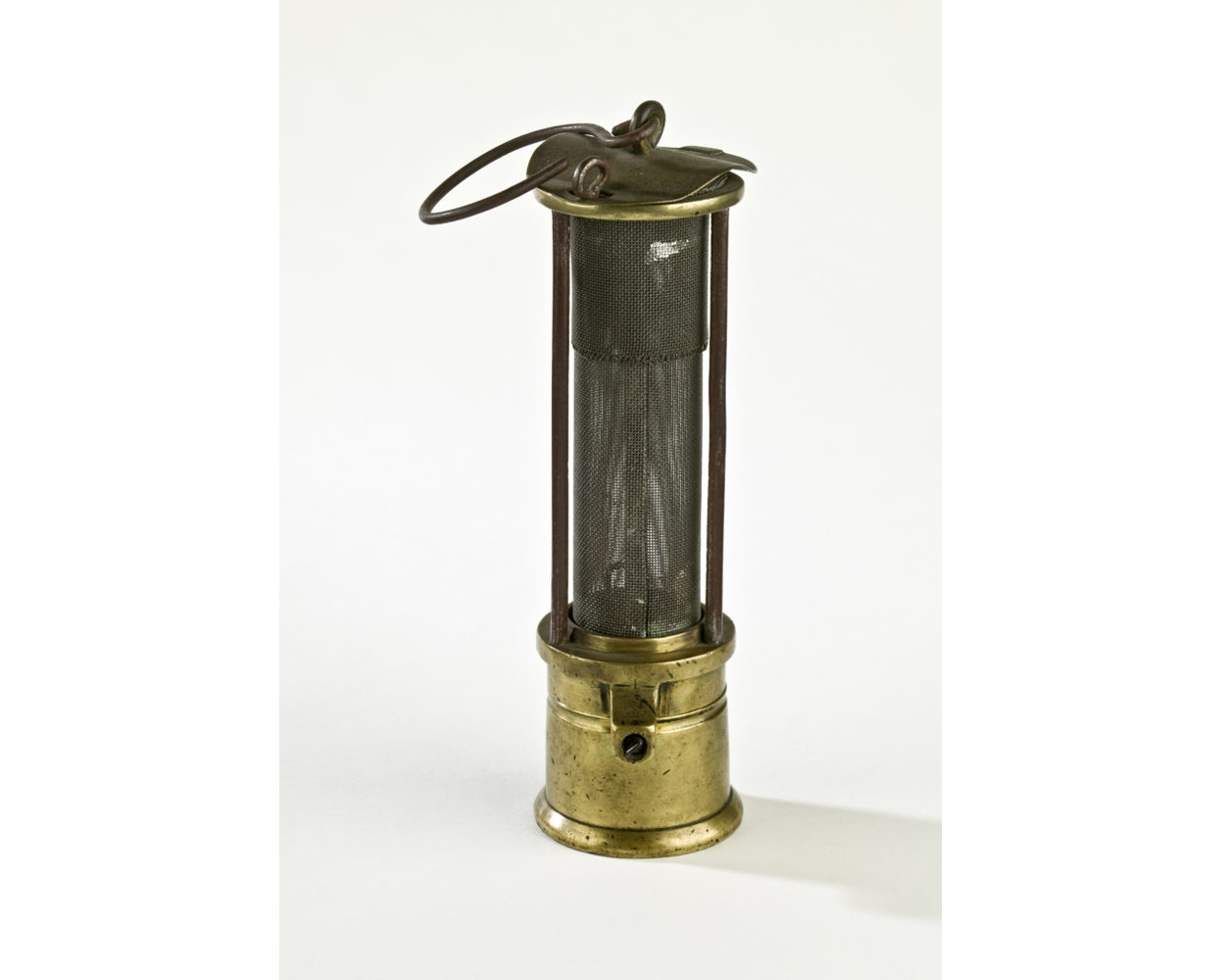
Credit: ageofrevolution.org
Potential Hazards Of Oil Lamps
Oil lamps have been used for centuries and continue to be a popular choice for ambient lighting. However, it’s important to be aware of the potential hazards they can pose. By understanding the risks associated with oil lamps, you can take appropriate precautions to ensure the safety of yourself and your loved ones.
Fire Hazards
One of the primary concerns when it comes to using oil lamps is the risk of fire. Oil lamps operate by burning fuel, typically oil or kerosene, to produce light. The open flame can easily ignite surrounding objects, making it crucial to exercise caution while using these lamps.
Here are a few fire safety tips to keep in mind:
- Place your oil lamp on a stable surface away from flammable materials such as curtains, papers, or fabrics.
- Never leave a burning lamp unattended. Always extinguish the flame before leaving the room or going to sleep.
- Keep a fire extinguisher or a bucket of sand nearby in case of emergency.
Smoke And Soot
Another potential hazard associated with oil lamps is the production of smoke and soot. While modern oil lamps have improved in this regard, it’s still important to be aware of these byproducts.
Excessive smoke and soot can stain walls, ceilings, and furniture. In addition, prolonged exposure to smoke can lead to respiratory issues or aggravate existing conditions, such as asthma or allergies.
To minimize smoke and soot:
- Use clean, high-quality lamp oil for your oil lamp. Lower-grade oils may produce more smoke and soot.
- Trim the wick regularly to maintain a clean and even flame.
- Ensure proper ventilation in the room where the oil lamp is used.
Toxic Fumes
When using oil lamps, there is a potential risk of inhaling toxic fumes. Although modern lamp oils are designed to be safer and produce fewer harmful gases, it’s still important to take precautions.
Here’s how you can minimize the risk of exposure to toxic fumes:
- Only use lamp oils specifically designed for oil lamps. Avoid using alternative fuels or substances not intended for this purpose.
- Follow the manufacturer’s instructions for proper use and maintenance of the oil lamp.
- Ensure proper ventilation in the room to allow any fumes to dissipate.
By being aware of these potential hazards and taking necessary precautions, you can safely enjoy the warm, cozy glow provided by oil lamps. Remember, safety always comes first when it comes to lighting your home!
Safety Precautions For Using Oil Lamps
Oil lamps are a beautiful and timeless way to create a warm and cozy atmosphere in your home. However, it is important to remember that safety should always be a top priority when using oil lamps. By taking proper precautions, you can enjoy the beauty of these lamps while keeping your home and loved ones safe.
Choosing A Safe Location
When it comes to using oil lamps, it is essential to choose a safe location for them. Here are a few key factors to consider:
- Select a stable surface: Place your oil lamp on a flat and stable surface to prevent accidental knockovers.
- Keep away from flammable materials: Ensure that your lamp is not placed near any flammable materials such as curtains, paper, or other textiles.
- Avoid drafts: Wind can cause the flame to flicker or even go out, so it’s important to keep your oil lamp in an area where there are no strong drafts.
- Maintain a safe distance from other objects: Keep a safe distance between your oil lamp and any furniture, decorations, or other objects to minimize the risk of fire.
Proper Lamp Maintenance
Maintaining your oil lamp in good working condition is crucial for both safety and performance. Here are some maintenance tips to follow:
- Regularly clean the lamp: Clean your oil lamp regularly to remove any accumulated soot or residue. This can help prevent clogging and ensure a clean burning flame.
- Inspect the wick: Check the condition of the wick regularly. If it appears frayed or damaged, replace it immediately to avoid any potential hazards.
- Trim the wick: Before lighting the lamp, make sure to trim the wick to an appropriate length. A trimmed wick will produce a cleaner and more controlled flame.
- Secure the chimney: If your oil lamp has a chimney, make sure it is securely attached. Loose chimneys can easily fall and cause accidents.
Using The Right Fuel
Choosing the right fuel for your oil lamp is vital in ensuring its safe operation. Follow these recommendations:
- Use approved lamp oils: Opt for high-quality oil that is specifically designed for oil lamps. Avoid using substitutes like gasoline or highly flammable liquids that can lead to dangerous situations.
- Store fuel properly: When not in use, store your lamp oil away from heat sources and in a secure container to avoid leaks or spills.
- Follow manufacturer’s instructions: Consult the manufacturer’s guidelines to ensure you are using the right type and amount of fuel for your specific oil lamp model.
By adhering to these safety precautions when using oil lamps, you can enjoy their warm glow and create a cozy atmosphere in your home without compromising on safety. Remember, a well-maintained and properly used oil lamp can add charm and ambiance to any space.
Alternatives To Oil Lamps
When it comes to lighting, oil lamps have been a popular choice for centuries. However, they do come with some safety concerns. If you are looking for alternatives to oil lamps, there are several options available. In this article, we will explore two safe and convenient alternatives to oil lamps: electric lamps and battery-powered lamps.
Electric Lamps
Electric lamps are a great alternative to oil lamps as they offer a safe and efficient way to light up your space. These lamps are powered by electricity and can be easily plugged into an outlet. They come in a variety of styles and designs, allowing you to choose one that suits your aesthetic preferences. Electric lamps are particularly advantageous as they do not require any fuel or flames, eliminating the risk of fire hazards. Additionally, they provide a consistent source of light without the need for constant monitoring or refilling.
Battery-powered Lamps
Battery-powered lamps are another safe and portable alternative to oil lamps. These lamps are powered by batteries, making them an ideal choice for outdoor activities or in spaces without access to electricity. Battery-powered lamps come in various sizes and styles, including handheld options or larger lamps with multiple brightness settings.
They offer the convenience of portability and are relatively easy to operate. However, it is important to note that battery-powered lamps may require periodic battery replacements, so it is advisable to have extra batteries on hand.
When it comes to choosing alternatives to oil lamps, electric lamps and battery-powered lamps are reliable options. Whether you prefer the convenience of electricity or the portability of batteries, these alternatives provide safe and efficient lighting solutions. Consider your specific needs and preferences to determine which option is best for you.
Frequently Asked Questions Of Are Oil Lamps Safe
Are Oil Lamps Safe For Indoor Use?
Yes, properly used and maintained, oil lamps are safe for indoor use. However, caution should be taken to prevent accidents.
How Do Oil Lamps Work?
Oil lamps work by drawing up oil using a wick, which is then ignited to produce a steady flame for illumination.
Can Oil Lamps Cause A Fire?
If not used with care, oil lamps have the potential to cause fires. It is important to follow safety guidelines and monitor the lamp while in use.
What Kind Of Oil Is Used In Oil Lamps?
Oil lamps typically use lamp oil or kerosene as fuel. These oils are specially designed for use in lamps and provide a clean, steady burn.
Conclusion
Safety is a top priority when it comes to using oil lamps. Understanding the risks associated with these devices and taking necessary precautions can help minimize accidents. Regular maintenance, proper fuel usage, and using lamps in well-ventilated areas are crucial for safe operation.
By being informed and responsible, you can enjoy the beautiful glow and nostalgic charm of oil lamps without compromising on safety.

I’m Emily Johnson, an affiliate marketer and blogger focused on lamps and lighting. I share honest reviews, simple buying guides, and practical tips. My goal is to help readers choose the right lamp for their space, style, and budget with confidence.