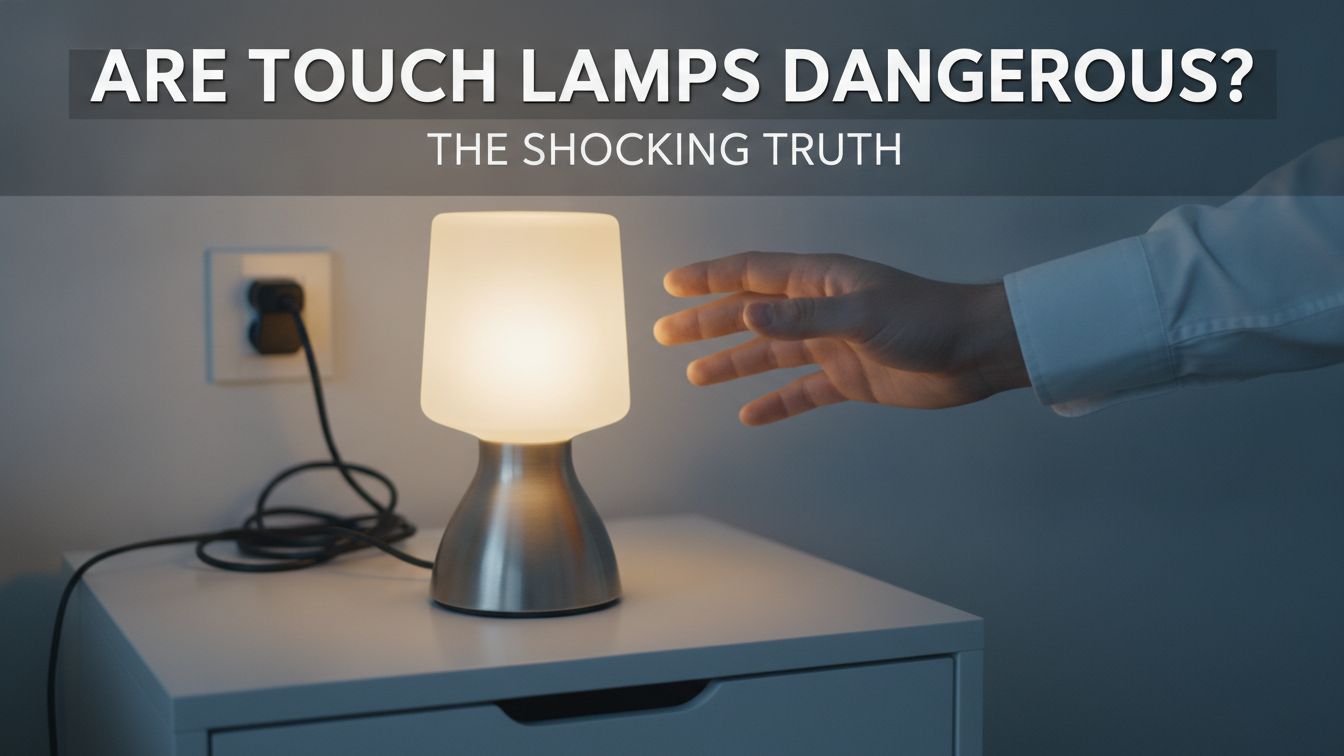

Touch lamps are popular in many homes. They offer a modern, easy way to turn lights on and off. You just tap the base, and poof, light appears. But a common question people ask is, “Are touch lamps dangerous?” It’s a fair concern. We often wonder about the safety of new technologies or electrical items.
This article will look closely at touch lamps. We will explore how they work. We will also talk about any real risks. Our goal is to give you clear answers. You’ll learn how to use these lamps safely.
Understanding Touch Lamps: How They Work
Touch lamps seem like magic. But they use simple science. Inside the lamp’s base is a special sensor. This sensor can feel tiny changes in electricity. Our bodies naturally carry a small electrical charge.
When you touch the lamp, your body transfers a tiny bit of this charge. The sensor picks up this change. It then tells the light bulb to turn on or off. Many lamps have different brightness levels too. Each tap can change the light’s power.

It’s a clever system. It makes turning on a light very convenient. This technology is usually safe. But like all electrical items, knowing how they work helps understand safety.
Common Concerns: Are Touch Lamps Dangerous?
Many people worry about electrical devices. They might think about shocks or fires. With touch lamps, some specific questions come up. People ask if touching them can cause harm. They also wonder about issues like overheating.
The good news is that most touch lamps are safe. They are made to meet safety standards. These standards are strict. They help keep us safe when using electrical items. Still, problems can happen. It’s smart to know what to look for.

> Most touch lamps are safe when used correctly. They are built with safety in mind.
We will discuss common worries. We will also share important safety tips. This helps you enjoy your touch lamps without fear.
The Core of Electrical Safety
All electrical appliances need care. This includes touch lamps. They use household electricity. This electricity can be dangerous if not handled properly.
The main risks with any electrical item are:
- Electric Shock: This happens if electricity flows through your body. It can be painful or very serious.
- Fire: Faulty wiring or overheating can cause fires.
Touch lamps are designed to stop these things. They have insulation. They also have safety circuits. These parts protect you from the electricity inside. Always check for safety marks like UL or ETL. These marks mean the product has been tested.

A well-made touch lamp should pose no more risk than any other lamp. Always follow the maker’s instructions.
Overheating: A Real Risk for Touch Lamps?
Overheating is a serious concern for any lamp. Too much heat can damage the lamp. It can also cause a fire. Are touch lamps dangerous because they overheat? Generally, no more than other lamps.
The main reasons a lamp might overheat are:
- Wrong Light Bulb: Using a bulb with too high wattage.
- Poor Ventilation: Not enough air around the lamp.
- Faulty Wiring: Problems inside the lamp itself.
Touch lamps, like regular lamps, have a maximum wattage. This number tells you the strongest bulb you can use. Always stick to this limit. Using a stronger bulb makes too much heat. This heat can melt wires or scorch nearby items.

Make sure your lamp has room to breathe. Don’t cover it with cloths or place it in tight spaces. This helps heat escape.
Bulb Compatibility Matters
Choosing the right light bulb is key. This is true for all lamps, including touch lamps. Many touch lamps work best with specific bulb types.
Older touch lamps often used incandescent bulbs. These bulbs get very hot. Newer lamps often use LED bulbs. LEDs use less power and create less heat. They are also more energy-efficient.
When picking a bulb:
- Check Wattage: Make sure it’s *below the lamp’s maximum.
- Consider LED: LEDs are safer for heat. They also last longer.
- Read the Manual: The lamp’s instructions will tell you which bulbs work best.
Using the wrong bulb can make your touch lamp dangerous. It can cause overheating or even damage the lamp’s touch sensor.

Always use the bulb type and wattage recommended by the lamp’s manufacturer. This is a simple step to ensure safety.
Signs Your Touch Lamp Might Be Unsafe
Even good products can develop problems. It’s important to know the warning signs. If your touch lamp acts strangely, it might be unsafe.
Here are things to watch for:
- Flickering or Buzzing: The light flickers or you hear a buzzing sound. This could mean a loose wire or a problem with the sensor.
- Strange Smells: A burning smell, like plastic or electrical wires, is a big red flag. Unplug the lamp right away.
- Hot Spots: The lamp base or cord feels very hot to the touch. This means it’s overheating.
- Sparks or Smoke: Any sparks or smoke coming from the lamp or cord means a serious electrical fault. Unplug it immediately.
- Damage: Frayed cords, cracked bases, or loose parts. These can expose wires and cause danger.
If you see any of these signs, stop using the lamp. Unplug it from the wall. Do not try to fix it yourself unless you are an expert. It’s often safer to replace the lamp.

> If you notice any unusual smells, sounds, or excessive heat, unplug your touch lamp immediately. Safety first!
Smart Tips for Safe Touch Lamp Use
Using your touch lamp safely is easy. A few simple habits can prevent most problems. These tips apply to all electrical devices.
- Read the Manual: Always read the instructions that come with your lamp.
- Use Correct Bulbs: Stick to the wattage and bulb type recommended.
- Proper Placement: Put the lamp on a stable, flat surface. Keep it away from curtains, papers, or anything that can burn.
- Don’t Cover: Never cover the lamp with cloth or other materials. This traps heat.
- Check Cords: Look at the power cord regularly. Make sure it’s not frayed or damaged. Don’t run cords under rugs.
- Unplug When Away: If you’re going on vacation, unplug your lamps. Unplug them when changing bulbs too.
- Keep Dry: Don’t use touch lamps in wet areas like bathrooms. Water and electricity don’t mix.
- Supervise Children: Teach kids not to play with electrical cords or outlets.
Following these tips helps ensure your touch lamp is not dangerous. It helps keep your home safe.

Choosing a Safe Touch Lamp
When buying a new touch lamp, look for quality. A good lamp is less likely to become dangerous. Here’s what to consider:
- Safety Certifications: Look for marks like UL (Underwriters Laboratories) or ETL (Intertek). These mean the product has met strict safety tests.
- Reputable Brands: Buy from well-known companies. They usually have better quality control.
- Read Reviews: Check what other buyers say. Look for comments about durability or safety issues.
- Inspect Before Buying: If possible, check the lamp in the store. Look at the cord, plug, and overall build. Does it feel sturdy?
- Warranty: A good warranty shows the company stands by its product.
It’s tempting to buy cheaper items. But with electrical goods, a little extra cost can mean much more safety. Don’t cut corners on safety.

A well-made, certified touch lamp is a safe addition to your home.
The Verdict: Are Touch Lamps Dangerous?
So, after looking at all the facts, are touch lamps dangerous? The answer is generally no, when used correctly and maintained properly. They are no more dangerous than any other electrical lamp in your home.
Like all electrical devices, they come with potential risks. These risks are mostly due to:
- Manufacturing defects (rare in certified products).
- Improper use (like using the wrong bulb).
- Damage over time (like frayed cords).
By understanding how they work and following simple safety rules, you can enjoy your touch lamps without worry. Always buy certified products. Always use the correct bulbs. And always be aware of any warning signs.

Touch lamps add convenience and style. With a little care, they can remain a safe and useful part of your home lighting. Don’t let unfounded fears stop you from enjoying them.
FAQ Section
Can a touch lamp shock you?
A properly working and undamaged touch lamp should not shock you. They are designed with safety features to prevent this. A shock could happen if the lamp is faulty, damaged, or has exposed wires.
Do touch lamps use more electricity?
No, touch lamps typically do not use more electricity than a regular lamp with the same bulb. The touch sensor uses a very tiny amount of power, not enough to make a noticeable difference in your electricity bill.
Can I use any light bulb in my touch lamp?
You should only use the type and wattage of light bulb recommended by the lamp’s manufacturer. Using a bulb with too high wattage can cause overheating and damage the lamp. LED bulbs are often a safer, cooler choice.
My touch lamp is flickering. Is it dangerous?
Flickering can be a sign of a problem. It might be a loose bulb, a faulty touch sensor, or a wiring issue. While not always immediately dangerous, it’s best to stop using the lamp and have it checked or replaced to avoid potential risks.
How can I tell if a touch lamp is safe to buy?
Look for safety certification marks like UL or ETL on the lamp and its packaging. These marks mean the product has been tested to meet safety standards. Also, buy from trusted brands and check product reviews.

I’m Emily Johnson, an affiliate marketer and blogger focused on lamps and lighting. I share honest reviews, simple buying guides, and practical tips. My goal is to help readers choose the right lamp for their space, style, and budget with confidence.